


Best Dog Food for Sensitive Stomachs in the UK (2026)

At a glance
- A novel protein is one your dog hasn't eaten much before, such as lamb or salmon for a dog raised on chicken or beef, and it's the simplest first change for a sensitive stomach
- In controlled feeding trials, cooked fresh dog food was more digestible than extruded dry kibble
- Beef, dairy, chicken and wheat are the most common food allergens in dogs, which makes them the first ingredients to rule out
- Most dogs settle on a new food within 2 to 4 weeks of a gradual 7 to 10 day switch, and stools are usually the first thing to improve
- In a January 2026 survey of 1,056 Marleybones subscribers, 71% of owners reported better digestion and stools in their dogs
What is the best dog food for a sensitive stomach?
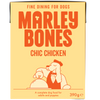
Gently cooked fresh food, like Marleybones Pantry Fresh®, is the best food for most dogs with sensitive stomachs. The best recipes are built on a single protein and a short list of whole ingredients, cooked gently so they're easy to digest. Introduce it slowly, over 7 to 10 days, and most dogs settle within a few weeks.
A sensitive stomach belongs to a dog whose digestion is easily knocked off course. You'll see it as loose or changeable stools, wind, a gurgling tummy or the odd bout of sickness, often with no single obvious cause. The best food for dogs with sensitive stomachs is usually the simplest one they'll eat happily every day, with nothing rich on the side.
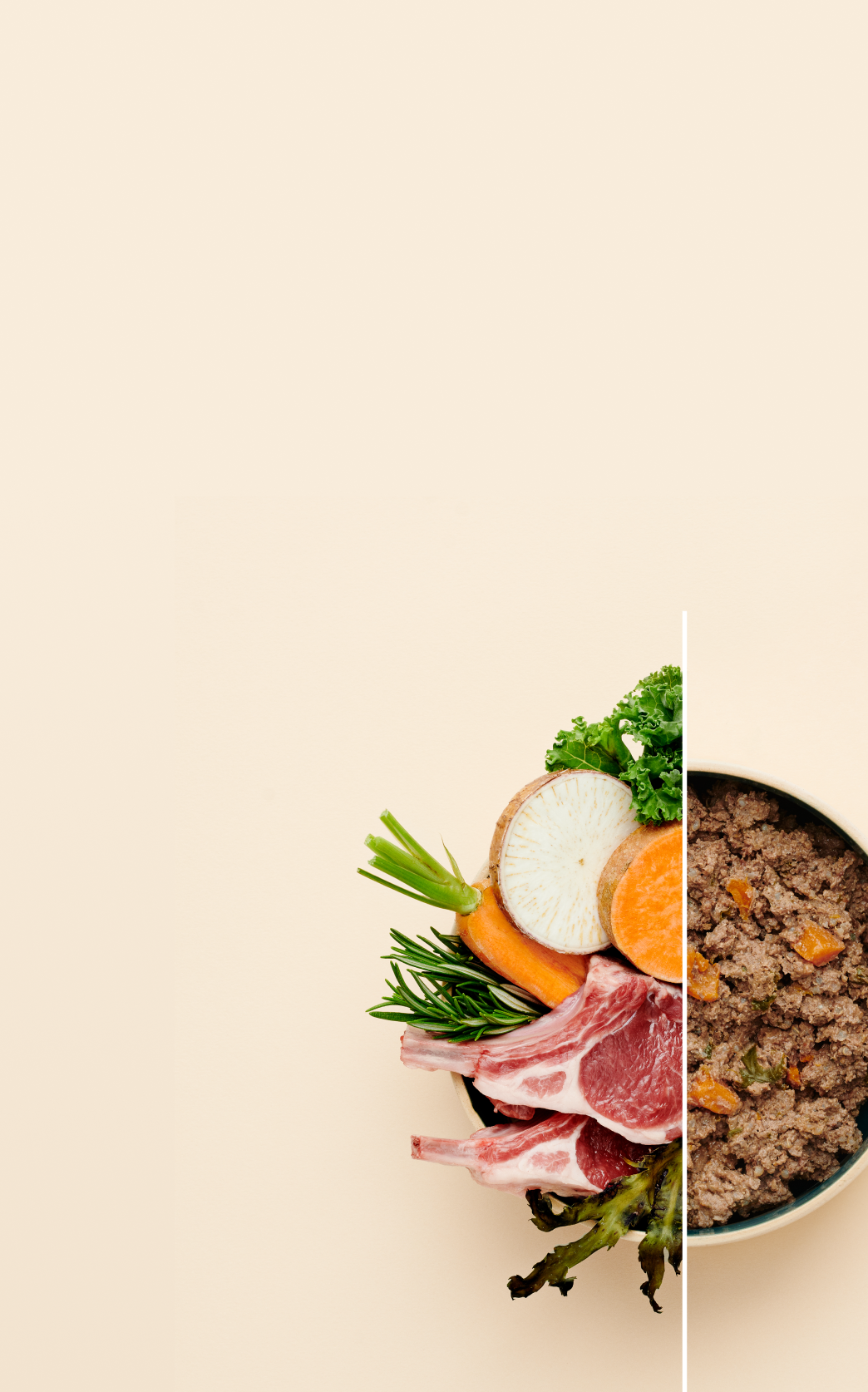
Fresh food suits these dogs for practical reasons. Fewer ingredients means fewer things to react to, and it's much easier to see what agrees with your dog. The protein is named meat or fish rather than derivatives. Gentle cooking also leaves the food far closer to its natural state than the high heat used to make kibble.
A smaller group of dogs need more than a better everyday food. A dog with a diagnosed digestive condition may need a prescription diet chosen by their vet.
What should sensitive stomach dog food contain?
Sensitive stomach dog food should have one main protein, ideally one your dog hasn't eaten much, a short list of ingredients you can picture, prebiotic fibre such as chicory root, plenty of moisture and gentle cooking. It should leave out artificial preservatives. The ingredient list on the back tells you far more than the word "sensitive" on the front.
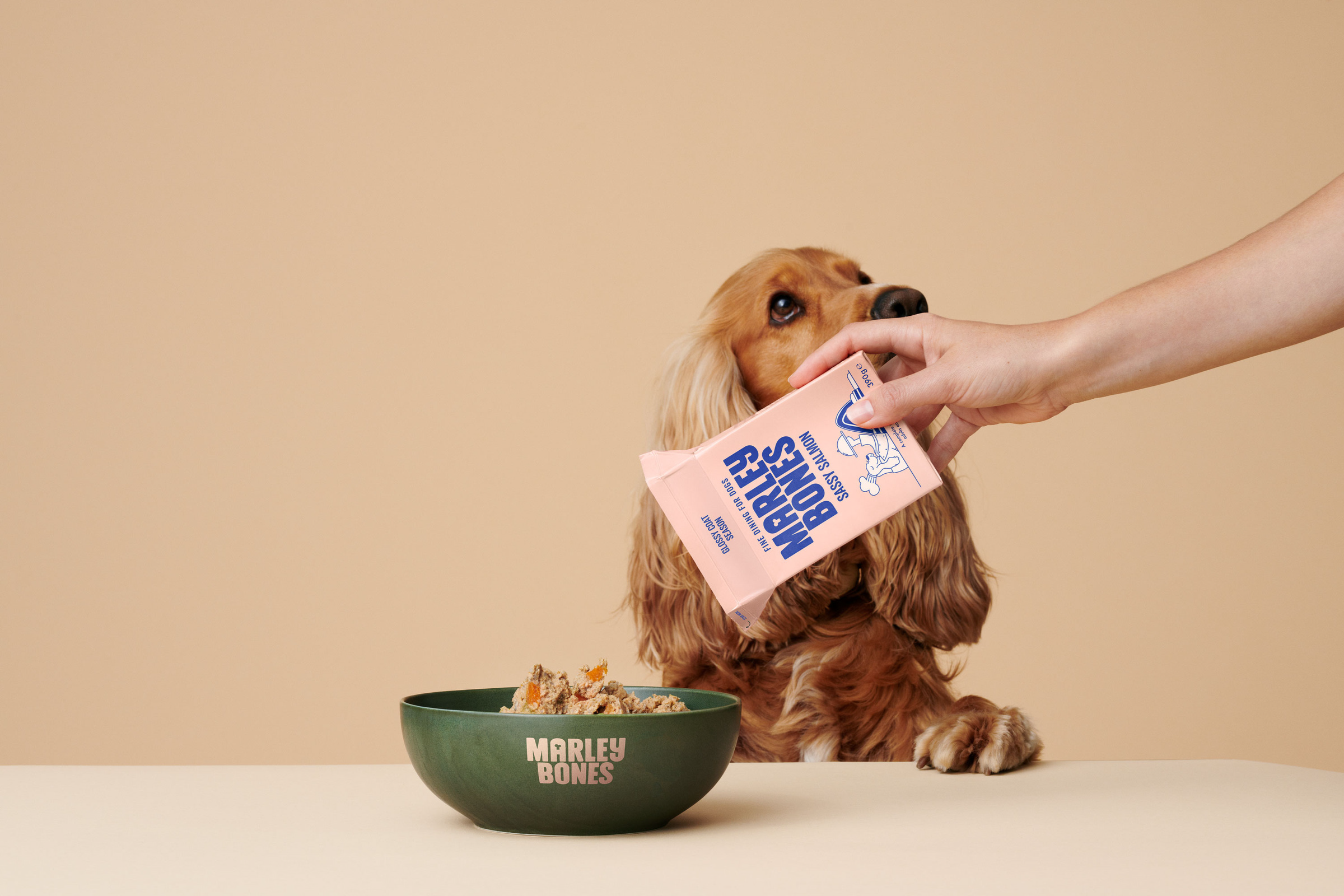
One protein, ideally a new one. The best meat for a sensitive stomach is usually one your dog hasn't eaten much, such as lamb or salmon. Single-protein dog food is built around one main animal protein rather than a mix of meats, which makes it easy to tell what's agreeing with your dog. Moving to a novel protein takes away the proteins your dog has eaten most, in one simple change. Single-protein recipes like Marleybones Lush Lamb and Sassy Salmon are built this way, so there's one protein for your dog's stomach to get used to.
Ingredients you can picture. Every item on the list should be something you could recognise in its natural form: a named meat or fish, vegetables, a grain or a seed. A good sensitive dog food reads like a short recipe. Sensitive tummy dog food is only as gentle as its ingredient list, and long runs of derivatives, flavourings and additives give a touchy stomach more to deal with.
Prebiotic fibre. Chicory root is a natural source of inulin, a prebiotic fibre, and it feeds the beneficial bacteria already living in the gut. In studies of healthy dogs, adding inulin-type fibre raised the levels of short-chain fatty acids, the useful compounds those bacteria produce.
Moisture. Fresh food is 65 to 75% moisture, against around 10% in dry kibble. Softer, moister food is easy for most dogs to eat, and every meal adds water to their day.
Gentle cooking. How a food is cooked matters as much as what goes into it, and it's the first thing to check on any food sold for sensitive digestion. In several controlled feeding trials, including a 2021 study in Translational Animal Science, cooked fresh diets were more digestible than extruded kibble, so more of each meal was absorbed. Marleybones Pantry Fresh meals are gently cooked at an average temperature of 89°C.
Which ingredients upset a sensitive stomach?
Beef, dairy, chicken and wheat are the most common food allergens in dogs, so they're the first ingredients to rule out when a stomach keeps playing up. They're also some of the most widely used ingredients in dog food, which means most dogs have eaten plenty of them. Soy and artificial preservatives such as BHA and BHT are worth avoiding too.
Rich, fatty food is a common trigger in its own right. Table scraps, fatty treats and sudden extras are behind a lot of upset tummies, and a dog with a sensitive stomach feels them more.
Grains are about quantity and quality. Wheat used as a cheap bulking ingredient is a long way from a little whole oats or brown rice in a balanced recipe, and plenty of dogs that struggle with one are fine with the other. Grain-free food isn't automatically easier to digest either. Many grain-free recipes swap the grain for large amounts of peas or lentils, so read the ingredient list rather than the label.
Best dog foods for sensitive stomach issues, ranked
Gently cooked fresh food comes first for sensitive stomachs, followed by fresh frozen, limited-ingredient wet food, raw, cold pressed and dry kibble. The order weighs how easily each format is digested, how simple its recipes tend to be and how easy it is to feed the same food every day. The best dog food for digestive issues is one your dog's gut copes with well and that you'll keep feeding.
1. Marleybones Pantry Fresh: best overall for sensitive stomachs
Marleybones Pantry Fresh is the best overall food for most dogs with a sensitive stomach, and a particularly easy step for dogs moving off kibble. Every recipe is single-protein, so you always know exactly what's in the bowl. Lush Lamb and Sassy Salmon are the natural first picks for a dog raised on chicken or beef.
Meals are sealed raw and slow-cooked in-pack, making them shelf-stable without any preservatives and ready to serve straight from the carton. There's no freezer and no defrosting, and once a carton is opened, use it within 48 hours. Every recipe includes chicory root, a natural prebiotic.
Marleybones exists because of a dog with a sensitive stomach. Josephine started the company after struggling to find food that suited Marley, her fussy cocker spaniel, and owners still tell us the same kind of story today.
"She has a very sensitive stomach and has had no issues at all since switching to this."
Abby, Trustpilot, October 2026
Pantry Fresh plans are portioned to your dog by a short quiz and start from £1.96 a day for a 5kg dog. The recipes picked for sensitive stomachs are the easiest place to start.
The one exception is a dog your vet has put on a prescription diet. Stay on that until your vet says otherwise.
2. Fresh frozen meals: gently cooked, but you'll need a freezer
Fresh frozen meals are a strong second for sensitive stomachs. They're gently cooked from whole ingredients, many come in single-protein recipes, and they share the digestibility benefits of gently cooked food. The trade-off is the freezer. Meals take up freezer space and need defrosting before every serving, which means planning ahead every day. If the freezer is the sticking point, Pantry Fresh gives you gently cooked food that lives in the cupboard instead.
3. Limited-ingredient wet food: soft and simple, but quality varies
Limited-ingredient wet food is a reasonable choice for a sensitive stomach. It's soft, high in moisture and easy to eat, and the simplest recipes stick to one named protein. The best wet dog food for a sensitive stomach lists a single named meat or fish first and very little after it. The trade-off is how widely quality varies. Many wet foods rely on "meat and animal derivatives", thickeners and flavourings, which makes it hard to know exactly what your dog is eating.
4. Raw food: digestible, but not the place to start
Raw food has done well in digestibility trials, and some dogs with sensitive stomachs get on with it. It's often rich, though, and raw meat carries a real risk of bacterial contamination, for your dog and for anyone handling it. Feeding raw safely takes careful storage, defrosting and kitchen hygiene, and recipes vary more in how complete they are than cooked complete meals. For a dog whose stomach is already touchy, gently cooked food is the easier first step.
5. Cold pressed: convenient, but little research behind it
Cold pressed food is made at lower temperatures than standard kibble, so its ingredients keep more of their natural structure. It's dry, keeps well in the cupboard and is easy to measure out, which suits busy households. The trade-off is the evidence. There's very little published research on how digestible cold pressed food is, so for a sensitive stomach it's a sensible middle ground rather than a proven one. At around 12% moisture, it's nearly as dry as standard kibble.
6. Dry kibble: the hardest on a sensitive stomach
Standard dry kibble is the hardest format on a sensitive stomach. Kibble is made by high-temperature extrusion and dried to around 10% moisture, a long way from the whole ingredients it started as. If kibble suits your routine or budget, the best dry dog food for a sensitive stomach is a sensitive-formula or limited-ingredient recipe with one named protein listed first. Soaking it in warm water, or adding a spoonful of fresh food on top, makes it easier going.
How do the formats compare?
Gently cooked fresh food gives the best balance of moisture, simple recipes and easy storage of any dog food for sensitive stomachs, and standard dry kibble gives the least.
| Format | Moisture | How it's made | Storage | Best for | Trade-off |
|---|---|---|---|---|---|
| Fresh (Marleybones Pantry Fresh) | 65 to 75% | Sealed raw and slow-cooked in-pack | Cupboard until opened | Most dogs with a sensitive stomach | Use within 48 hours once opened |
| Fresh frozen | High | Gently cooked, then frozen | Freezer | Owners with freezer space | Needs defrosting before every meal |
| Limited-ingredient wet | 75 to 85% | Cooked and sealed in tins, trays or pouches | Cupboard until opened | Dogs that prefer soft food | Quality varies widely, so read the label |
| Raw | 65 to 75% | Uncooked | Freezer | Experienced raw feeders | Careful handling and hygiene needed |
| Cold pressed | Around 12% | Pressed at lower temperatures than kibble | Cupboard | Owners who want a dry food | Little research on digestibility |
| Dry kibble | Around 10% | High-temperature extrusion | Cupboard | Budget and convenience | Hardest on a sensitive stomach |
| Freeze-dried | Very low until rehydrated | Water removed by freezing; many are raw | Cupboard | Toppers and travel | Needs rehydrating; raw versions need raw-style handling |

“Such a relief to see her enjoying her food”
What food do vets recommend for a sensitive stomach?
It depends on what's behind the upset. For a dog that's otherwise well, the usual first step is a complete everyday food that's easy to digest, with one main protein and a short ingredient list, introduced slowly. A prescription diet only comes in when a vet has diagnosed a condition or suspects a food reaction.
Marleybones Pantry Fresh is made for that everyday job: a complete food, gently cooked, with a single protein in each recipe.
Prescription diets do a different job. A hydrolysed diet uses protein broken down into very small pieces, and a gastrointestinal diet is formulated to be especially easy to digest. Both are meant for dogs a vet has diagnosed with a condition, and they're used under that vet's guidance.
When a vet suspects a food reaction, the PDSA's guidance is that they'll choose a veterinary diet and you feed only that, plus water, for 6 to 12 weeks, with no treats or chews. Vets call this an elimination diet. Once the symptoms settle, foods go back in one at a time until the trigger shows itself.
A food reaction often shows in the skin as well as the gut. Itchy paws, sore ears or constant licking alongside loose stools are common signs of a food intolerance or allergy worth raising with your vet.
A prescription diet without a diagnosis isn't a shortcut to a settled stomach. If your dog's symptoms are frequent, severe or getting worse, the vet comes first.
What's the best dog food for sensitive stomach and diarrhoea?
For a dog with a sensitive stomach and loose stools, the best food is one consistent, easily digested complete diet with a single protein and no rich extras, introduced over 7 to 10 days. Diarrhoea that lasts more than 24 hours, or comes with blood, vomiting or lethargy, needs a vet before any change of food.
A one-off upset stomach after a scavenged snack or a rich treat usually clears up within a day. Keep fresh water down and offer small, plain meals little and often while things settle, then bring the usual food back gradually over a few days. There are only a few safe things to give a dog with diarrhoea, and a bland diet shouldn't run for more than a few days without your vet's advice.
Ongoing loose stools need consistency more than anything. Swapping foods every week to find one that works keeps the stomach unsettled, so pick one gentle, complete food and give it a proper run.
A gently cooked single-protein meal, like Marleybones Lush Lamb, keeps things simple: one protein, a short ingredient list and no preservatives.
Fresh food won't necessarily make poo firmer. Because more of each meal is absorbed, highly digestible food tends to mean smaller poos, while firmness depends more on the individual dog, the fibre in the recipe and how gently the switch was made.
Why are some dogs' stomachs so sensitive?
Some dogs' stomachs are sensitive because their gut reacts to an ingredient it doesn't tolerate, to sudden changes of food, or to rich food, stress or eating too fast. Often it's a mix of several. A sensitive stomach describes a pattern that keeps coming back, so it pays to look for the cause before changing everything at once.
The signs are easy to spot once you know the pattern: loose or changeable stools, wind (gas), a gurgling tummy, occasional vomiting, eating grass or going off food. A single bad day after a stolen sandwich is just a bad day. When the same symptoms come back week after week, that's a sensitive stomach.
Food is usually the first place to look. An ingredient your dog doesn't tolerate, a sudden switch between foods, or rich scraps and treats can all unsettle the gut. How a dog eats matters too. Gulping food means gulping air, which adds to wind and discomfort, and a slow feeder bowl helps. Stress plays a part as well: a house move, a stay in kennels or a new baby can leave a dog's stomach unsettled for a few days.
The gut does far more than digest food. It's also an important part of the immune system, which is one reason a dog's digestion and general health are so closely linked.
A food intolerance means the gut struggles with an ingredient, while a food allergy is the immune system reacting to it, often with skin symptoms too. Intolerances and allergies can develop at any age, even to a food a dog has eaten happily for years, which is why a sensitive stomach can seem to appear all of a sudden. Only a vet-led elimination diet tells the two apart.
Some breeds seem more prone than others. Small and medium breeds such as Cavaliers, Cavapoos, French Bulldogs and Cockapoos often come up, and flat-faced breeds swallow more air as they eat. A small dog with a sensitive stomach needs the same things as a large one, just in smaller portions.
Puppies are a special case. Their digestion is still developing, so any change needs to be slower still, and feeding a puppy with a sensitive stomach has a few extra things to get right, from portion sizes to how often they eat.
When should I see a vet?
See a vet if your dog's symptoms haven't improved after about four weeks on one steady food, or sooner if you notice weight loss, repeated vomiting, a dog that's off their food or any of the diarrhoea warning signs above. Some digestive conditions need a diagnosis and treatment, and no change of food will fix them. A quick word with your vet is also worth having before changing the diet of a young puppy or an older dog with other health problems.
How do I switch a dog with a sensitive stomach to a new food?
Switch a dog with a sensitive stomach over 7 to 10 days, mixing a little more of the new food into the old one every couple of days. A single-protein food like Marleybones Pantry Fresh keeps the switch simple, because there's only one new protein for your dog's stomach to get used to.
- Days 1 and 2: a quarter new food, three quarters old
- Days 3 and 4: half new, half old
- Days 5 and 6: three quarters new, a quarter old
- Day 7 onwards: all new food
If your dog's stomach is particularly touchy, stay an extra day or two at each stage, and keep treats and extras plain and few while the new food settles in. Keep a simple food diary while you switch: what your dog ate, how much, and what their poo looked like. A minute a day is enough, and the notes show you quickly what's working, or give your vet something useful to go on.
Most dogs show a difference within 2 to 4 weeks on the new food, and stools are usually the first thing to improve. Gut bacteria keep adjusting for several weeks after a change, so give one food a fair run before deciding it isn't working. The first few days of a switch to fresh food can bring a softer poo or two, which usually settles as the gut adjusts.
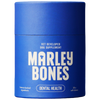
The Marleybones Gut Health Supplement is a prebiotic blend of chicory root, psyllium, pumpkin and MOS (another prebiotic fibre), sprinkled on meals to support stool consistency during a switch and after it.
Not ready to switch fully?
You don't have to change everything at once. Mixing fresh food into kibble, or using it as a topper, brings fresh ingredients into the bowl while keeping the routine your dog knows.
A Marleybones half plan is made for exactly this, with Pantry Fresh portioned to sit alongside your dog's current food.
Whichever mix you choose, keep the ratio the same from day to day, so your dog's stomach isn't adjusting to something new at every meal.
Every dog is different — build your personalised Marleybones feeding and health plan tailored to your dog's age, size, and health requirements.

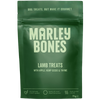
Treats with fresh British lamb as the #1 ingredient
FAQs
Is wet or dry food better for dogs with sensitive stomachs?
Wet food is usually easier on a sensitive stomach than dry, because it's moister, softer and often less heavily processed. Gently cooked fresh food, such as Marleybones Pantry Fresh, goes a step further, with whole ingredients and one protein per recipe. If dry food suits your routine better, pick a limited-ingredient kibble and try soaking it.
My dog is a picky eater with a sensitive stomach: what should I feed?
A fussy dog with a sensitive stomach usually does best on a single-protein fresh food with a strong, natural smell, such as Marleybones Lush Lamb or Sassy Salmon. Dogs decide whether to eat mostly by smell, and a food that sits well is one they're happier to come back to. Serve it at room temperature and keep treats to a minimum while they settle.
Do probiotics help dogs with sensitive stomachs?
A probiotic is an extra, not the fix: the everyday diet matters more for a sensitive stomach. Probiotics add live bacteria to the gut, while prebiotics, such as chicory root, feed the bacteria already there. Products vary a lot, so ask your vet which one, if any, suits your dog.
Can puppies and older dogs have sensitive stomachs?
Yes. A puppy's digestion is still developing, and older dogs can become more sensitive with age, so both need food changes made slowly and meals kept small and regular. Marleybones Pantry Fresh is complete and balanced for all life stages, puppies included, in line with FEDIAF guidelines. For a young puppy or a senior with other health problems, ask your vet about portions and how often to feed.
Is Marleybones Pantry Fresh good for dogs with sensitive stomachs?
Yes, for most dogs. Every Pantry Fresh recipe is single-protein and built on a short list of whole ingredients, and the recipes were formulated with vet nutritionist Dr Davide Stefanutti. A starter box lets your dog try it before you commit to a plan.
“A complete game changer!!”
Sources
- Tanprasertsuk J, Perry LM, Tate DE, Honaker RW, Shmalberg J (2021). Apparent total tract nutrient digestibility and metabolizable energy estimation in commercial fresh and extruded dry kibble dog foods. Translational Animal Science 5(3): txab071.
- Propst EL, Flickinger EA, Bauer LL, Merchen NR, Fahey GC (2003). A dose-response experiment evaluating the effects of oligofructose and inulin on nutrient digestibility, stool quality, and fecal protein catabolites in healthy adult dogs. Journal of Animal Science 81(12): 3057-3066.
- Mueller RS, Olivry T, Prélaud P (2016). Critically appraised topic on adverse food reactions of companion animals (2): common food allergen sources in dogs and cats. BMC Veterinary Research 12: 9.
- PDSA Pet Health Hub (2023). Food allergies in dogs.


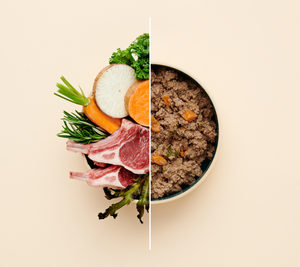 Give your dog the quality nutrition they deserve
Real meat, wholesome veggies and functional superfoods.
Get 40% OFF today