



 Vet reviewed
What’s the best dog food for a Cockapoo?

At a glance
- Cockapoos do best on fresh, whole-ingredient food built around a quality protein — the breed's tendency toward sensitive digestion and skin reactions makes ingredient quality more important than it is for hardier breeds.
- In our January 2026 survey of 1,056 Marleybones subscribers, 71% reported better digestion and stool quality in their dogs.
- Chicken and beef are the proteins most likely to cause sensitivity in Cockapoos that have eaten them for years — lamb and salmon are stronger starting points for dogs with recurring digestive or skin issues.
- Fresh food with 65-75% moisture content is significantly easier for Cockapoos to digest than dry kibble, and supports the healthy coat this breed is known for.
- Portion control matters — Cockapoos are enthusiastic eaters that gain weight easily, particularly as they get older or less active.
- Skin and coat health in Cockapoos is closely tied to diet — omega-3 fatty acids from oily fish are one of the most practical nutritional supports for both.
What is the best diet for a Cockapoo?
Fresh dog food built around a single, high-quality protein with minimal processing and no artificial additives is the most appropriate diet for most Cockapoos. The breed inherits a tendency toward sensitive digestion from the Poodle side and a love of food from the Cocker Spaniel side. That combination makes food quality and portion discipline both worth getting right.
Heavily processed dry kibble places a higher load on the digestive system and contains around 10% moisture, significantly less than the 65-75% found in fresh food. For a breed that often presents with loose stools, wind, or recurring skin flare-ups, reducing the processing load and improving ingredient quality tends to make a more meaningful difference than switching between kibble brands.
The practical checklist for a good Cockapoo food is: a named protein source you can read on the label, omega-3 fatty acids for coat and skin support, no artificial preservatives or fillers, and controlled portions to keep weight in check. A fresh or minimally processed food addresses all of those simultaneously in a way that most dry or standard wet foods do not. Marleybones Pantry Fresh meals are exactly that: vet-developed recipes slow-cooked from whole ingredients, with no artificial additives, and well-suited to a breed where ingredient quality shows up directly in digestion and coat condition.
The best dog food for Cockapoos: Marleybones Pantry Fresh
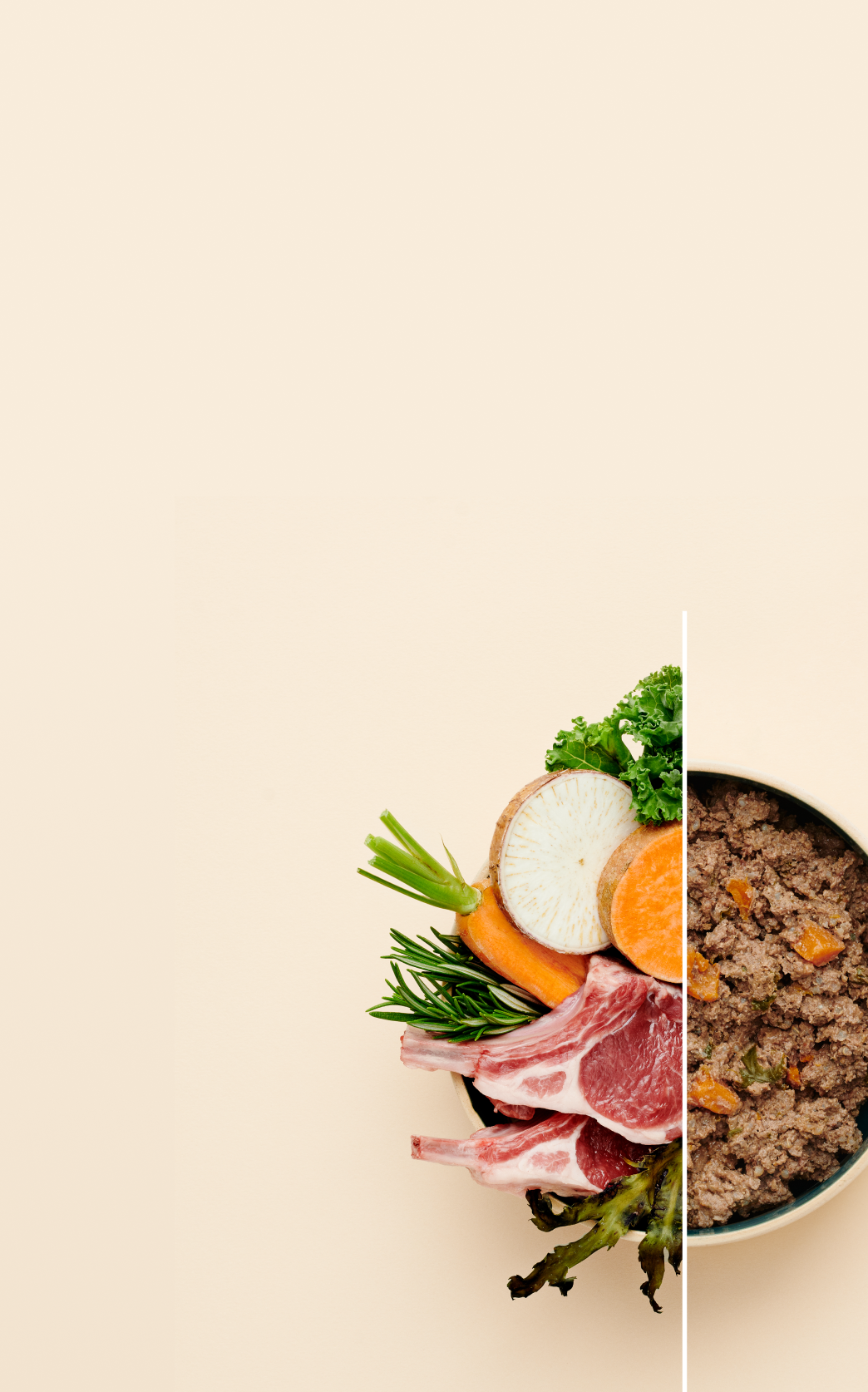
Single-protein recipes, with Sassy Salmon for skin and coat and Lush Lamb for sensitive stomachs, slow-cooked in-pack and cooked at an average temperature of 89°C, with zero preservatives and no freezer needed.
Do Cockapoos have sensitive stomachs?
Many do, and the sensitivity is usually caused by what they are eating rather than anything they were born with. Cockapoos are frequently fed the same chicken or beef-based food for extended periods, which increases the chance of developing a sensitivity to those proteins over time. When digestive symptoms appear, switching protein source is often more effective than switching brand.
There's some evidence the breed is more prone to tummy trouble, too. A 2025 Royal Veterinary College study of the vet records of 2.25 million UK dogs found that Cockapoos are one of six breeds diagnosed with sudden diarrhoea more often than crossbred dogs.
The Poodle's digestive system tends to be on the more reactive side, and Cockapoos inherit enough of that to make ingredient quality genuinely matter. Fresh food cooked at lower temperatures retains more of its natural protein structure, which the gut handles more easily than the denatured proteins in high-temperature extruded kibble. Many Cockapoos with a history of loose stools or intermittent digestive upset improve significantly on a fresh diet, the reduction in processing load alone tends to make a difference.
The best food for a Cockapoo with a sensitive stomach is a gently cooked, single-protein meal built on a protein they haven't eaten much, with a natural prebiotic to help keep stools steady. A lamb recipe, like Marleybones Lush Lamb, is a good place to start: lamb is the only protein in it, and chicory root, a natural prebiotic, feeds the friendly bacteria in the gut.
Moving a Cockapoo onto Marleybones, or onto any new food, works best over ten days, so their tummy has time to adjust:
- Days 1 to 3: 25% new food, 75% old food
- Days 4 to 6: 50% new food, 50% old food
- Days 7 to 9: 75% new food, 25% old food
- Day 10 onwards: 100% new food
If stools loosen at any step, hold there for two or three days before moving on. Keep treats and chews the same during the switch, so any change can be put down to the food.
If digestive symptoms persist beyond four weeks of a dietary change, or include blood in stools, significant weight loss, or repeated vomiting, see a vet before continuing to adjust the food. Some conditions need clinical assessment rather than a food switch alone.

Why do so many Cockapoos have skin and coat problems?
Skin irritation, itching, and a dull or dry coat in Cockapoos are often diet-related, either a reaction to a specific ingredient or a nutritional gap, particularly in omega-3 fatty acids. The breed's wavy or curly coat looks low-maintenance but actually reflects what is happening nutritionally more clearly than many other coat types.
Omega-3 fatty acids, particularly EPA and DHA from oily fish, are the most practical dietary support for skin and coat health. They support the skin barrier and give the coat the oils it needs to stay soft and glossy. A diet that includes a natural source of omega-3s as a genuine ingredient rather than a synthetic supplement added to an otherwise poor-quality food makes a more consistent difference.
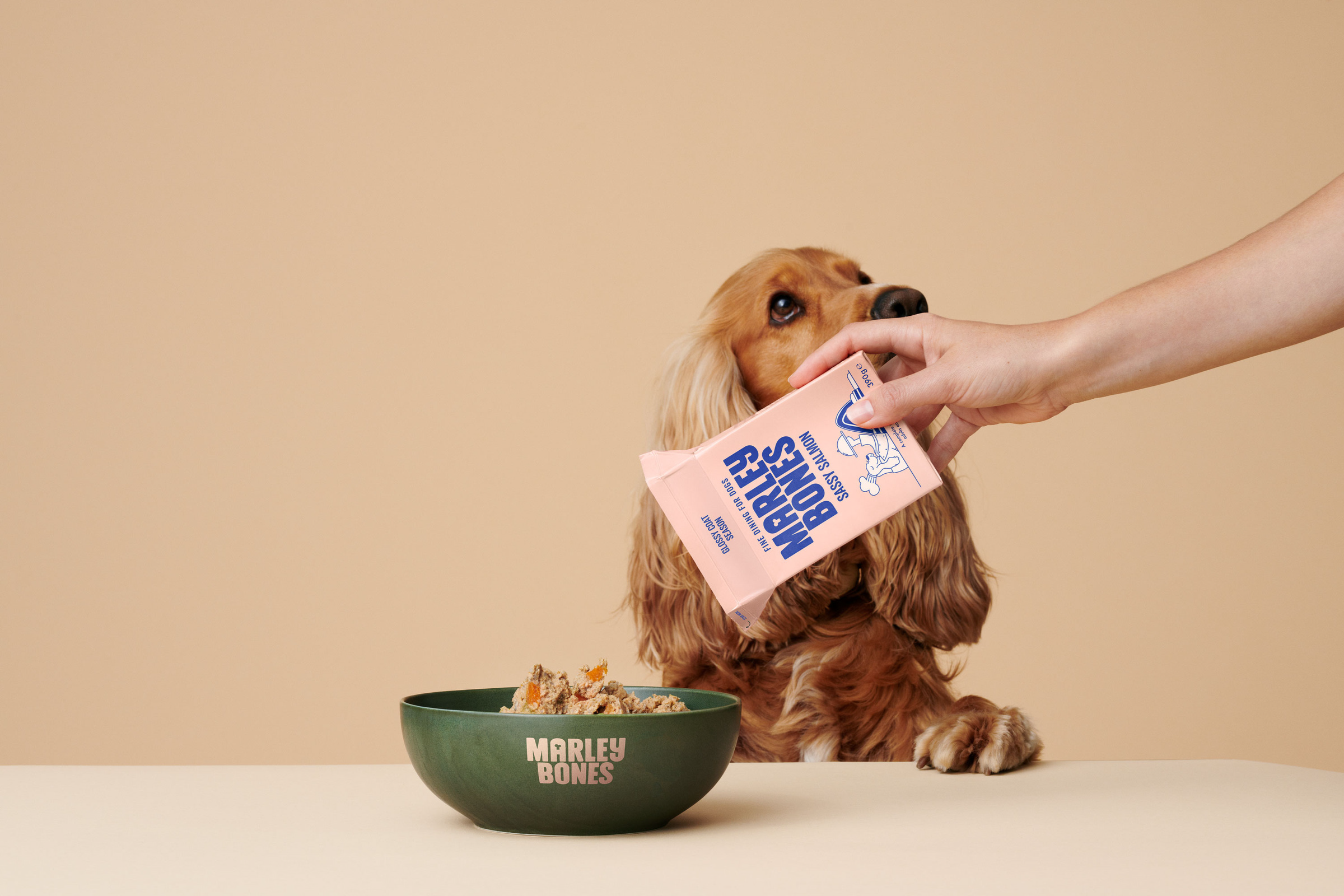
Artificial additives, cheap grain fillers, and low-quality rendered fats are the most common dietary contributors to skin reactions in Cockapoos. If your dog is scratching or losing coat condition, the ingredient list on their current food is the first place to look. Meals built around salmon, like Marleybones Sassy Salmon, provide a natural source of EPA and DHA alongside clean, whole ingredients and no artificial additives, which addresses both the nutritional gap and the likely irritants in one switch.
What's the best food for a Cockapoo with itchy skin or allergies?
The best food for a Cockapoo with itchy skin or allergies is one built on a single protein your dog hasn't eaten much before, fed on its own for at least eight weeks. Gently cooked fresh food, like Marleybones Pantry Fresh, makes that easy to stick to, because every recipe has just one protein in it.
When the itching happens tells you a lot. A Cockapoo that scratches, licks its paws or rubs its face all year round, especially with loose stools or wind as well, points towards food. One that itches mostly in spring and summer is more likely reacting to pollen or grass, which no change of food will fix on its own. Plenty of Cockapoos have a bit of both.
A food trial is the only reliable way to find out whether food is behind the itch. Feed one new protein and nothing else for at least eight weeks, treats and chews included, then bring old foods back one at a time and watch whether the scratching returns. Eight weeks is the minimum, because some dogs take that long to settle, and stopping at three or four weeks can give the wrong answer.
Are Cockapoos allergic to chicken?
Cockapoos aren't allergic to chicken as a breed, and most can eat it without any trouble. Chicken is one of the most common food allergens in dogs, though, alongside beef, dairy and wheat, and a Cockapoo that has eaten chicken every day for years has had plenty of time to react to it.
For a Cockapoo that itches or has loose stools on a chicken-based food, lamb or salmon is the better switch. A single-protein meal, like Marleybones Lush Lamb or Sassy Salmon, keeps that switch clean, with no other meat in the recipe to muddy the result.
Every dog is different — build your personalised Marleybones feeding and health plan tailored to your dog's age, size, and health requirements.

Treats with fresh British lamb as the #1 ingredient
What protein is best for a Cockapoo?
Lamb and salmon are the strongest starting points for most Cockapoos, particularly those with a history of digestive sensitivity or skin issues, or those currently eating chicken or beef. Proteins a dog has not eaten regularly are less likely to cause a problem, because no sensitivity has had time to develop.
Salmon is the most nutritionally complete choice for Cockapoos specifically, providing clean protein alongside omega-3 fatty acids that directly support the skin and coat issues the breed is prone to. Lamb is a strong alternative for dogs that have already eaten fish or need a red meat option, it is lower allergenicity than beef and tends to sit well with dogs that have a sensitive stomach.
Single-protein meals are the most reliable option for Cockapoos with any history of sensitivity, making it straightforward to identify what the dog tolerates without the guesswork of a multi-protein recipe. Marleybones Lush Lamb and Sassy Salmon are both single-protein meals built around whole, recognisable ingredients with chicory root as a natural prebiotic, which gives the gut an additional layer of support during and after the switch.

“A complete game changer!!”
How much should I feed a Cockapoo?
Most adult Cockapoos weigh about 8–13kg depending on whether the parent was a Miniature or Toy Poodle, but body condition matters more than the scales. You should be able to feel the ribs without pressing, and see a waist when looking down from above. If neither is true, the daily portion needs reducing.
Feeding guides on dog food packaging are a starting point rather than a fixed prescription. Fresh food tends to be more satiating than the equivalent calorie count in kibble because the higher moisture content occupies more volume in the stomach, and most owners switching from kibble find they can reduce the nominal calorie count without their dog appearing hungry or unsatisfied.
Adjust portions to body condition over six to eight weeks rather than treating the initial suggested amount as fixed, and factor in treats. They add up quickly with a breed this food-motivated.
An adult Cockapoo needs roughly 320 to 750 kcal a day depending on size, based on European pet food guidelines (FEDIAF): around 350 kcal for a 5kg dog, 490 for 8kg and 660 for 12kg. Split the day's food into two meals and weigh it on kitchen scales rather than using a scoop.
| Adult weight | Calories a day | Per meal (two meals a day) | Marleybones packs a day (390g) |
|---|---|---|---|
| 5kg | 320–370 kcal | 160–185 kcal | about ¾ |
| 8kg | 450–520 kcal | 225–260 kcal | about 1 |
| 10kg | 530–620 kcal | 265–310 kcal | about 1–1¼ |
| 12kg | 610–710 kcal | 305–355 kcal | about 1¼–1½ |
| 13kg | 650–750 kcal | 325–375 kcal | about 1¼–1½ |
The lower figure suits a calmer or older Cockapoo and the higher one a young dog that's on the go all day. Every Marleybones plan is portioned to your Cockapoo's weight, age and activity, so the daily amount comes worked out for you. The packs column is based on about 495 kcal in each 390g pack; the feeding guide on your recipe has the exact figure.
If your Cockapoo is already carrying extra weight, feeding an overweight Cockapoo starts with portions for the weight you're aiming for, not the one on the scales.
What's the best food for a Cockapoo puppy?
The best food for a Cockapoo puppy is one labelled complete for growth or for all life stages, fed as several small meals a day. Gently cooked fresh food, like Marleybones Pantry Fresh, is complete for all life stages, so a Cockapoo puppy can start on it and stay on the same recipe into adulthood, with no switch to make.
A Cockapoo puppy needs a food labelled complete for growth or for all life stages, because a growing puppy needs more of some nutrients than an adult does. A food labelled "complementary" is a topper or mixer, not a full diet. Wet or dry matters less than complete: a moist, gently cooked food is easy for small mouths, and either works if the label says it's complete for a puppy.
Feed a Cockapoo puppy three or four small meals a day until about six months old, then two or three. Most Cockapoos are fully grown by nine to twelve months, and on an all-life-stages food there's no switch to make when they get there. Puppy portions change quickly with age, so weigh your puppy every couple of weeks and adjust.
If a young Cockapoo starts scratching, rule out fleas and check their coat care first. If the itch carries on, the same eight-week food trial used for itchy skin works for puppies too, on any complete food.
What's the best food for a senior Cockapoo?
The best food for a senior Cockapoo is a complete food with plenty of good protein, fed in a smaller portion as they slow down. A Cockapoo on Marleybones can stay on the same recipe into old age, with the portion adjusted to their weight.
Most Cockapoos count as seniors from about seven or eight. An older Cockapoo still needs plenty of good protein to hold on to muscle, so keep it up rather than cutting back. What usually changes is the portion: a slower dog burns less, so weigh them every month and trim the meal if their waist starts to disappear. Whatever their age, skip foods with artificial preservatives such as BHA, BHT and ethoxyquin.
A complete food already covers an older dog's needs, which makes supplements for Cockapoos an extra to weigh up rather than a must.
Hip dysplasia and slipping kneecaps (luxating patella) run in both parent breeds, the Cocker Spaniel and the Poodle, so some Cockapoos are prone to arthritis as they get older. Keeping a Cockapoo lean is the most useful thing food can do for their joints, because extra weight adds to the load on every step.

Is the Cockapoo's coat affected by what they eat?
Yes, directly. The Cockapoo's wavy or curly coat needs dietary fat to stay soft, hydrated, and manageable, and the quality and source of that fat matters. Named animal fats from identifiable sources, and omega-3 fatty acids from oily fish, are well-used by the body. Rendered fat of unspecified origin, or diets with minimal fat from poor-quality sources, leave the coat dry, dull, and more prone to matting.
Coat condition is often one of the first things owners notice improving after a switch to fresh food, typically within six to eight weeks. It is also one of the clearest signals that the current diet is not meeting the dog's nutritional needs, particularly if the coat is dull despite regular grooming.
How do different dog food formats compare for Cockapoos?
Fresh dog food is the most digestible and nutritionally complete format for most Cockapoos, combining whole ingredients with a low processing load. Here is how the main formats compare for this breed specifically.
| Format | Moisture content | Processing level | Storage | Verdict for Cockapoos |
|---|---|---|---|---|
| Fresh (Marleybones Pantry Fresh) | 65-75% | Minimal - slow low-temperature cooking | Cupboard until opened, no freezer | Best option - whole ingredients, supports digestion, skin and coat |
| Raw | 65-75% | None | Usually frozen; defrost before serving | Works for some - bacterial load a consideration, preparation required |
| Wet / canned | 75-85% | Moderate | Cupboard until opened | Better than kibble - ingredient quality varies widely, check the label carefully |
| Cold pressed | Around 12% | Low - below extrusion temperatures | Cupboard | Decent middle ground if fresh is not accessible |
| Dry kibble | Around 10% | High - high-temperature extrusion | Cupboard | Hardest to digest - lowest moisture, worst option for sensitive Cockapoos |
Is wet or dry food better for a Cockapoo?
For most Cockapoos, a moist, gently cooked food is the better choice. Dry kibble is around 10% water and made by high-temperature extrusion, which is harder going for a breed prone to loose stools and itchy skin. Fresh food at around 72% moisture is easier on the gut and keeps a fussy Cockapoo interested. Marleybones Lush Lamb is a good place to start for a Cockapoo with a sensitive stomach. If your dog is happy on dry food, mixing a fresh meal into the bowl still adds moisture and real ingredients.
Does a Cockapoo need a breed-specific dog food?
No, a Cockapoo doesn't need a breed-specific dog food. What matters is what's in the bowl: one named protein, omega-3s from fish for skin and coat, and cooking gentle enough to keep the food close to its whole ingredients. Gently cooked fresh food, like Marleybones Sassy Salmon, ticks all three for any Cockapoo.
A food with the breed's name on the label is a complete food like any other, made to the same nutritional standards. Cockapoos also range from small Toy crosses to much bigger dogs, so the portion, set by weight, matters far more than the name on the bag.
Which Marleybones recipe is best for a Cockapoo?
Sassy Salmon is the best Marleybones recipe for most Cockapoos, because salmon brings omega-3s for skin and coat in a protein few Cockapoos have eaten much. Lush Lamb is the one to choose for a Cockapoo with a sensitive stomach. Chic Chicken and Boss Beef suit Cockapoos with no history of tummy or skin trouble.
| Recipe | Protein | Best for | Why it suits a Cockapoo |
|---|---|---|---|
| Sassy Salmon | 42% salmon, 18% white fish | Skin and coat | EPA and DHA omega-3s straight from the fish |
| Lush Lamb | 60% Lamb | Sensitive stomachs | A protein most Cockapoos haven't eaten much |
| Chic Chicken | 60% Chicken | No history of sensitivity | A familiar protein for Cockapoos that already do well on it |
| Boss Beef | 60% Beef | No history of sensitivity | Red meat for Cockapoos that already do well on it |
Every Marleybones recipe is single-protein and gently cooked at an average temperature of 89°C, so the food stays close to its whole ingredients. Each recipe also carries seven superfoods: quinoa, chia seeds, linseeds, hemp seeds, chicory root, yucca and a herb that changes by recipe. The recipes were formulated with vet nutritionist Dr Davide Stefanutti, and they're Pantry Fresh®: kept in the cupboard until opened, with no freezing or thawing, then in the fridge and used within 48 hours once open.
In our January 2026 survey of 1,056 Marleybones subscribers, 46% said their dog's coat was shinier or softer after switching, and 76% said their dog's healthy weight had been maintained or improved.
“Since starting Marleybones she empties her dish as soon as it's put down.”
Laura, owner of a four-year-old Cockapoo, on Trustpilot, October 2026
For a Cockapoo on Lush Lamb, Chic Chicken or Boss Beef, Marleybones Omega Boosting Oil adds plant-based omega-3s to any meal.
Switching doesn't have to be all or nothing. Plenty of owners start with a half plan, mixing Marleybones into their Cockapoo's usual food, and you can see what fresh food really costs per day before you decide.
“Such a relief to see her enjoying her food”
FAQs
How often should I feed my Cockapoo?
Twice daily is the standard for adult Cockapoos, morning and evening in roughly equal portions. It is more satiating than one large meal and suits the breed's digestion better than a single daily feed. Puppies under six months need three to four smaller meals a day.
Why does my Cockapoo have such bad wind?
Recurring wind in Cockapoos is almost always diet-related, either a protein the gut is struggling with, a high-starch filler fermenting in the digestive tract, or artificial additives irritating the gut lining. Switching to a fresh, single-protein food with no fillers or artificial additives resolves it in most cases within two to four weeks. If wind is accompanied by loose stools, bloating, or discomfort, see a vet to rule out anything more significant.
Is Marleybones Pantry Fresh good for Cockapoos?
Yes. Marleybones Pantry Fresh meals are vet-developed, contain no artificial preservatives or fillers, and are available in single-protein recipes that suit a breed prone to digestive and skin sensitivity. Sassy Salmon is the strongest choice for Cockapoos, providing a natural source of EPA and DHA omega-3 fatty acids alongside whole ingredients the gut handles easily. In our January 2026 survey of 1,056 subscribers, 95% of owners with previously fussy dogs said their dog now enjoys their food, which makes it one of the most practical switches an owner can make for a breed where ingredient quality makes a visible difference.
My Cockapoo is a picky eater: will they actually eat fresh food?
Almost certainly yes. Fresh food is significantly more palatable than dry kibble, the aroma, texture, and moisture content make it far more appealing to dogs that have learned to be selective. Cockapoos that have refused multiple kibble brands often take to fresh food immediately. Transition gradually over seven to ten days to avoid digestive upset from the switch, even if your dog seems keen to eat the new food straight away.
Is grain-free food better for Cockapoos?
Not automatically. Grains are not inherently the problem, it is usually the quantity and quality of grain used as a cheap filler in heavily processed food. A Cockapoo reacting to wheat in low-quality kibble may tolerate whole oats or brown rice in a fresh, minimally processed meal without any issue. Grain-free foods that replace grain with large quantities of peas or lentils have their own considerations and are not automatically easier to digest or better for the breed.
What should Cockapoos not eat?
Cockapoos should never eat grapes, raisins, chocolate, onions, garlic, macadamia nuts, cooked bones or anything containing xylitol, a sweetener found in some peanut butters and sugar-free sweets. Fatty leftovers and salty snacks are best kept off the menu too, especially for a breed that puts on weight as easily as the Cockapoo.
How long before I see a difference after switching my Cockapoo's food?
Most owners notice changes in digestion and stool quality within two to four weeks. Coat condition and skin health typically improve over six to eight weeks. Energy and weight changes take longer, eight to twelve weeks on a consistent portion gives a reliable picture. If there is no meaningful improvement after four weeks on a consistent diet, the cause may not be dietary and a vet assessment is the right next step.
Sources
- Royal Veterinary College VetCompass study of acute diarrhoea in UK dogs (O'Neill et al., PLoS One, 2025)
- FEDIAF Nutritional Guidelines, 2025 edition (European Pet Food Industry Federation)
- Mueller et al. (2016), common food allergen sources in dogs and cats, BMC Veterinary Research
- Olivry et al. (2015), how long elimination diets need to run in dogs and cats, BMC Veterinary Research
Last updated: 19 October 2026


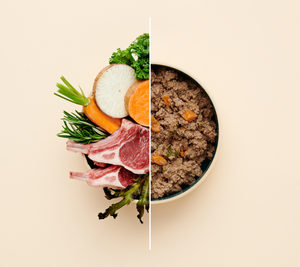 Give your dog the quality nutrition they deserve
Real meat, wholesome veggies and functional superfoods.
Get 40% OFF today