





Single protein · Grain-free
Real British lamb with sweet potato and rosemary. A good first pick for dogs raised on chicken or beef.
Single-protein fresh food, gently cooked at an average temperature of 89°C.
Four recipes, one protein each
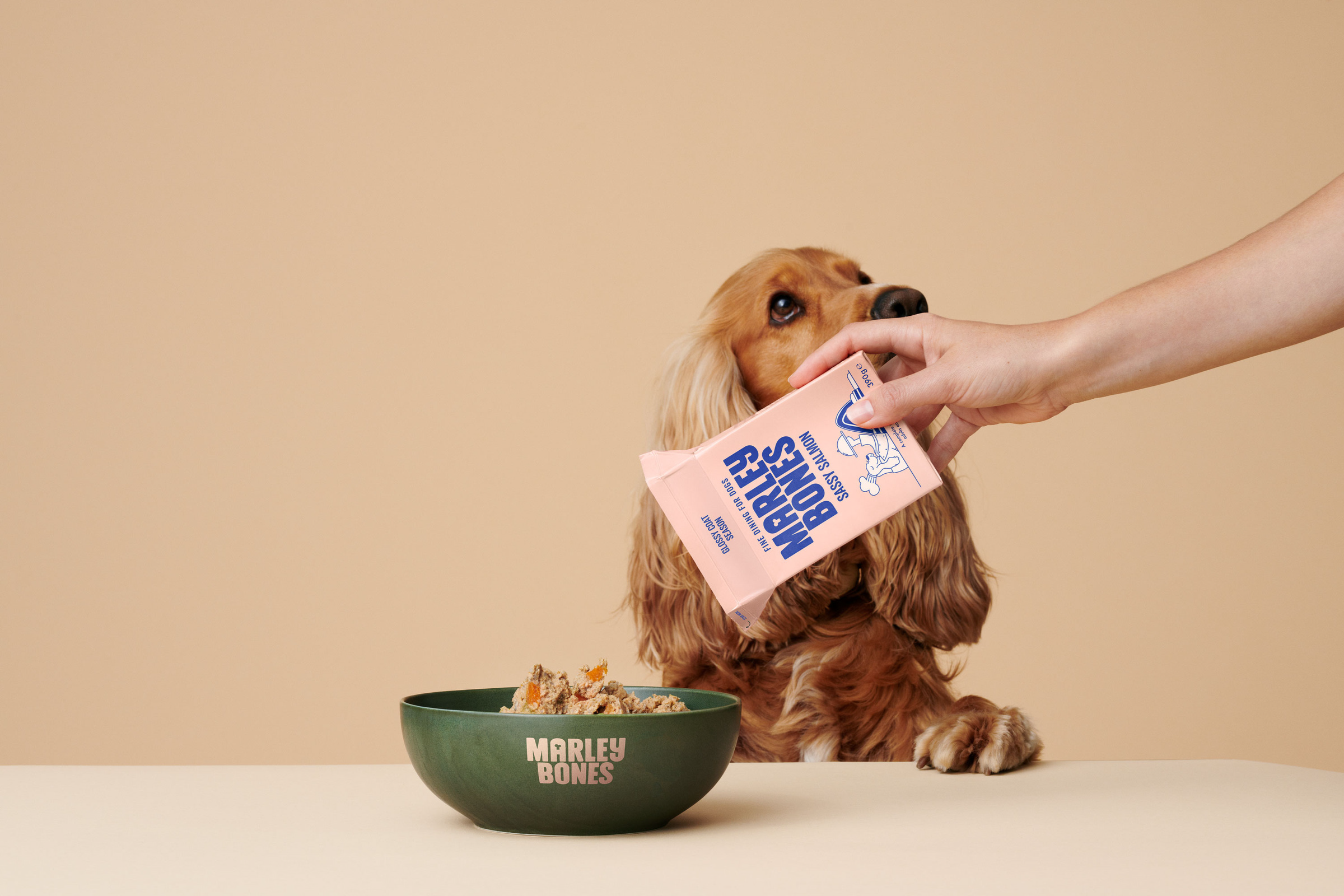
Dog food for sensitive stomachs works best when it's simple. Every Marleybones recipe is single-protein, with three veggies, seven superfoods and chicory root, a natural prebiotic. Meals are gently cooked at an average temperature of 89°C, which keeps them easy to digest. They're grain-free, preservative-free and complete for all life stages. And they live in the cupboard, so there's no freezer and no defrosting.
Mains
Single protein · Grain-free
Real British lamb with sweet potato and rosemary. A good first pick for dogs raised on chicken or beef.

Single protein · Grain-free
Fresh salmon with peas and parsley, rich in omega-3s. A good pick for dogs that react to chicken or beef.

Single protein · Grain-free
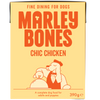
Real British chicken with peas and sage, for sensitive dogs that already do well on chicken.

Single protein · Grain-free
Real British beef with sweet potato and rosemary, for dogs that are happy on beef but need a simpler bowl.
On the side

Prebiotic soft chews with chicory root, psyllium and pumpkin to support stool consistency.

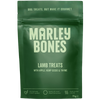
Air-dried lamb treats, a natural match for a dog on Lush Lamb.
1 protein · 3 veggies · 7 superfoods · 0 preservatives
Notes from the kitchen
How to choose, how to switch, and when it's a vet job rather than a food job.
What helps most is food that's simple, consistent and easy to digest. That means one main protein, a short ingredient list you could picture, and the same food every day, without rich extras on the side. A dog with a sensitive stomach is one whose digestion is easily knocked off course, which shows up as loose or changeable stools, wind, a gurgling tummy or the odd upset stomach.
Marleybones recipes are built to that brief:
Wet food is usually easier on a sensitive stomach than dry kibble. It's soft, mostly water and less heavily processed. Quality varies more than the label suggests, so check that a named meat or fish comes first on the ingredient list and that the list is short.
Marleybones meals are Pantry Fresh® and shelf-stable, stored in a cupboard until opened, with no freezing or thawing at any point. Once a carton is open, keep it in the fridge and use it within 48 hours.
For most dogs with a sensitive stomach, the best recipe uses a protein they haven't eaten much of. Chicken and beef are in a lot of everyday dog food, so they're the first proteins to rule out. Lush Lamb and Sassy Salmon are the easiest places to start for a dog raised on either.
If your dog's stomach settles on one recipe, stay on it. Sensitive dogs do best on consistency, so change recipes slowly and one at a time.
Every recipe is 60% meat or fish, with three veggies and seven superfoods. Here's the full list for each:
For a one-off upset, give your dog plenty of water and small, plain meals for a day or two. Then go back to their usual food, gradually. Ongoing loose stools are different. The best food for a sensitive stomach with diarrhoea is usually one consistent, easily digested complete food, with a slow switch and no rich treats or scraps while things settle. If diarrhoea lasts more than 48 hours, or comes with blood, vomiting or lethargy, call your vet.
Switch over 7 to 10 days, adding a little more of the new food every couple of days, so their stomach has time to adjust.
Every Marleybones recipe is complete for all life stages, including puppies, so a sensitive puppy can start on the same food they'll grow up on. Puppies eat the same recipes, portioned for their age and size. Older dogs often find soft, moist food easier to eat than hard kibble. The quiz builds a personalised feeding plan from your dog's weight, age and activity, which matters as an older dog slows down.
Food can help with everyday sensitivity. See your vet if your dog has blood in their stools, keeps vomiting, has diarrhoea for more than 48 hours or is losing weight. Dogs with pancreatitis or a diagnosed digestive condition need a diet chosen by their vet, so stay on it until your vet says otherwise.
Dr Molly Buckmaster BVM BVS MRCVS
Veterinary Surgeon, Northampton, on what to look for in a gut-friendly food
*Based on a Marleybones survey of 1,000+ customers

better digestion and stools

more energy

fussy dogs now enjoy mealtimes

happy they switched to Marleybones
Excellent 4.8 out of 5

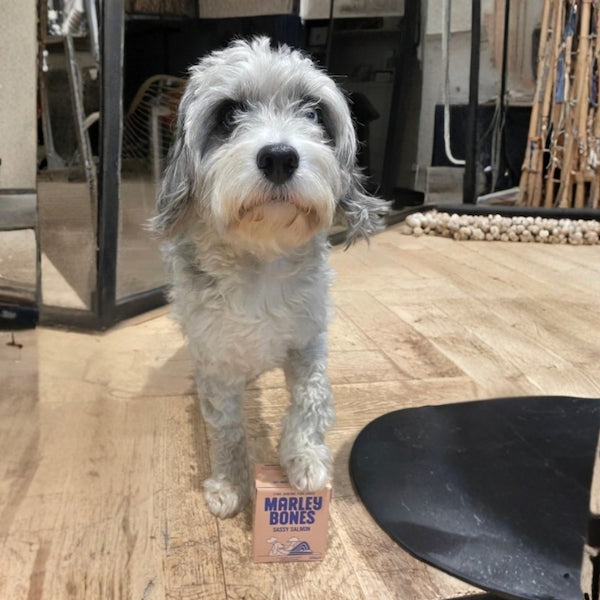

Sorry if it’s TMI but his poos are so much better for us to pick up!
Rhea absolutely loves Marleybones! Since switching from kibble, her scratching has stopped and her skin and coat look amazing.
Eddie is a very picky eater and would get bored of his food within months. He’s been on Marleybones since 2022 and still wolfs it down.

When we adopted Betsy she was underweight with a thin coat. Since starting Marleybones, she's reached a healthy weight and her coat is now full and glossy.
What I love most about Marleybones is how effortless it makes feeding my dogs truly healthy, high-quality meals. A total game-changer.

Switch gently, over 7 to 10 days
A slow switch gives a sensitive stomach time to adjust. Most dogs settle within 2 to 4 weeks, and stools are usually the first thing to improve.
Days 1 to 2
A quarter new food, mixed into their usual bowl.
Days 3 to 4
Half and half.
Days 5 to 6
Three quarters new food.
Day 7 on
All fresh food. Keep treats simple while they settle.
Not ready for a full switch? A half plan mixes fresh food with their current kibble.
Personalised starter box · edit, skip or cancel anytime
Is Marleybones good for dogs with sensitive stomachs?
Yes. Marleybones is a good fit for most dogs with sensitive stomachs. Every recipe is single-protein and grain-free, with a short ingredient list and chicory root, a natural prebiotic. In a survey of over 1,000 Marleybones customers, 71% of owners reported better digestion and stools. Dogs on a prescription diet should stay on it until their vet says otherwise.
Which Marleybones recipe is best for a sensitive stomach?
Lush Lamb is the best first recipe for most dogs with a sensitive stomach, followed by Sassy Salmon. Both use a protein most dogs haven't eaten much, which matters if your dog has been raised on chicken or beef. Chic Chicken and Boss Beef suit sensitive dogs that already do well on those proteins.
Which dog breeds are prone to sensitive stomachs?
Any dog can have a sensitive stomach, whatever the breed. It's a common worry for Cocker Spaniel owners, as the breed is also prone to itchy skin and allergies. It comes up a lot with smaller breeds too, like Dachshunds, Cockapoos and Cavapoos. What helps is the same for all of them: one protein, a short ingredient list and a slow switch.
What do vets recommend for dogs with sensitive stomachs?
For everyday sensitivity, vets usually recommend a complete, easily digested food with one main protein, fed consistently and introduced slowly. Dogs with a diagnosed condition may need a prescription diet. Marleybones recipes were formulated with vet nutritionist Dr Davide Stefanutti and fit the everyday advice: single protein, short ingredient list, no preservatives. As vet Dr Molly Buckmaster BVM BVS MRCVS puts it: “I’ve fed my own dog Maple Marleybones for two and a half years, and it’s what I now recommend to clients.”
Can a change of food help with loose stools?
Often, yes, when the new food is simple and the switch is slow. One consistent, easily digested food with no rich extras gives a sensitive stomach the best chance to settle, and stools are usually the first thing to improve, within 2 to 4 weeks. If loose stools last more than 48 hours, or come with blood or vomiting, see your vet.
What's the best food for a picky eater with a sensitive stomach?
Most fussy dogs with sensitive stomachs do well on a simple fresh food made with real meat, because it's tempting and easy to digest. Every Marleybones meal is 60% meat or fish, cooked in its own juices. In our survey of over 1,000 customers, 95% of owners of fussy dogs said their dog now enjoys mealtimes.
Is Marleybones grain-free?
Yes. Every Marleybones recipe is grain-free. Alongside the protein, each one has three veggies and seven superfoods, including quinoa, which is a seed rather than a grain. For a sensitive stomach, the single protein and the short ingredient list matter most.


Personalised starter box · plans from £1.65 a day for a 5kg dog
Half plans available to mix with their usual food.

