






Best Dog Food for a Belgian Malinois with a Sensitive Stomach

At a glance
- Belgian Malinois have high metabolic demands and a lean gut that reacts quickly to low-quality ingredients, fillers, and artificial additives.
- The most common digestive triggers in Mals are chicken meal, wheat, soy, artificial preservatives, and excessive fat from unspecified sources.
- Fresh, minimally processed food with named single-source protein reduces symptom frequency compared to standard dry kibble in digestively sensitive dogs.
- Transition time matters: switching food too fast is one of the leading causes of digestive upset in active, high-metabolism breeds like the Malinois.
Why do Belgian Malinois get sensitive stomachs?
Belgian Malinois are elite working dogs with a physiology built for sustained, intense activity. That same metabolic efficiency that makes them exceptional at protection, detection, and sport also makes their digestive systems less forgiving than those of more sedentary breeds.
Mals run lean. Their gut transit time is fast, their energy turnover is high, and they tend to eat with the same intensity they bring to everything else. When food contains poor-quality fats, unspecified meat derivatives, artificial preservatives like BHA and BHT, or high levels of grain-based fillers, the gut reacts. Loose stools, excessive gas, vomiting after meals, and inconsistent digestion are all common presentations of a sensitive stomach in this breed. Our complete guide to gut health and diet in dogs covers what drives digestive sensitivity and what actually helps.
Food sensitivity in Malinois is also frequently misread as a behavioural issue. A dog that seems hyperactive, difficult to settle, or reactive after meals is sometimes responding to digestive discomfort rather than training gaps. Addressing the diet is a logical first step before assuming temperament is the cause. If symptoms are severe, persistent, or worsening despite a diet change, a vet assessment is the right call to rule out underlying conditions including inflammatory bowel disease or food allergy.
SUITABILITY TABLE
| Food Format | Digestibility | Ingredient Transparency | Practicality | Sensitive Stomach Verdict |
|---|---|---|---|---|
| Pantry Fresh (e.g. Marleybones) | High, whole-food ingredients, gentle in-pack cooking | Full named ingredients, no derivatives | Shelf-stable, no freezer, easy to portion | Strong choice for sensitive Mals |
| Frozen raw | High when handled correctly | Good in premium brands | Requires freezer space, careful defrost, hygiene protocols | Effective but high handling burden |
| Cold pressed | Better than extruded kibble, lower cooking temperatures preserve more nutrients | Variable by brand | Easy to store, good shelf life | Decent option if fresh unavailable |
| Dry kibble (standard) | Lower, high heat extrusion reduces nutrient bioavailability | Often includes derivatives and fillers | Very convenient, widely available | Frequent trigger for sensitive stomach symptoms |
| Wet canned | Moderate, soft texture aids digestion but quality varies widely | Variable, often includes gelling agents | Convenient, palatable | Acceptable as a complement, inconsistent as sole diet |
What ingredients actually help a Belgian Malinois sensitive stomach?
The most effective approach is simple: named proteins, whole-food carbohydrates, and functional ingredients that actively support gut health rather than just avoiding the worst offenders.
Named single-source protein is the starting point. Beef, chicken, lamb, and salmon each carry a different amino acid and fat profile, and rotating between them over time helps identify specific triggers while broadening nutritional range. Marleybones offers four meals, Boss Beef, Chic Chicken, Lush Lamb, and Sassy Salmon, giving owners a straightforward rotation without switching brands or formats. Our full guide to the best dog food for Belgian Malinois covers the breed's wider nutritional needs beyond digestive sensitivity.
Beyond protein, the carbohydrate source matters significantly. Sweet potato, brown rice, and oats are far better tolerated by sensitive dogs than wheat, corn, or soy, which are common gut irritants in high-activity breeds. Marleybones recipes use whole-food ingredients and include gut-supportive superfoods: chicory root acts as a prebiotic to feed beneficial gut bacteria, linseeds support digestive motility, and chia seeds and hemp seeds contribute anti-inflammatory omega fatty acids that help calm an irritated gut lining.
What to avoid is equally specific: artificial preservatives (BHA, BHT, ethoxyquin), unspecified meat meal, excessive added sugars, and synthetic emulsifiers like carrageenan. All of these appear regularly in standard wet and dry formats and are disproportionately problematic for a breed with the Malinois's metabolic profile.
Is fresh food genuinely better for Belgian Malinois sensitive stomach food, or is it marketing?
The honest answer is that minimally processed food with whole-food ingredients is more bioavailable than highly processed alternatives, and that is not marketing, it is basic food science. High-temperature extrusion used in standard dry kibble production degrades proteins and destroys heat-sensitive nutrients, requiring synthetic replacement. The ingredient list on a kibble bag rarely reflects what is biologically available to the dog after processing.
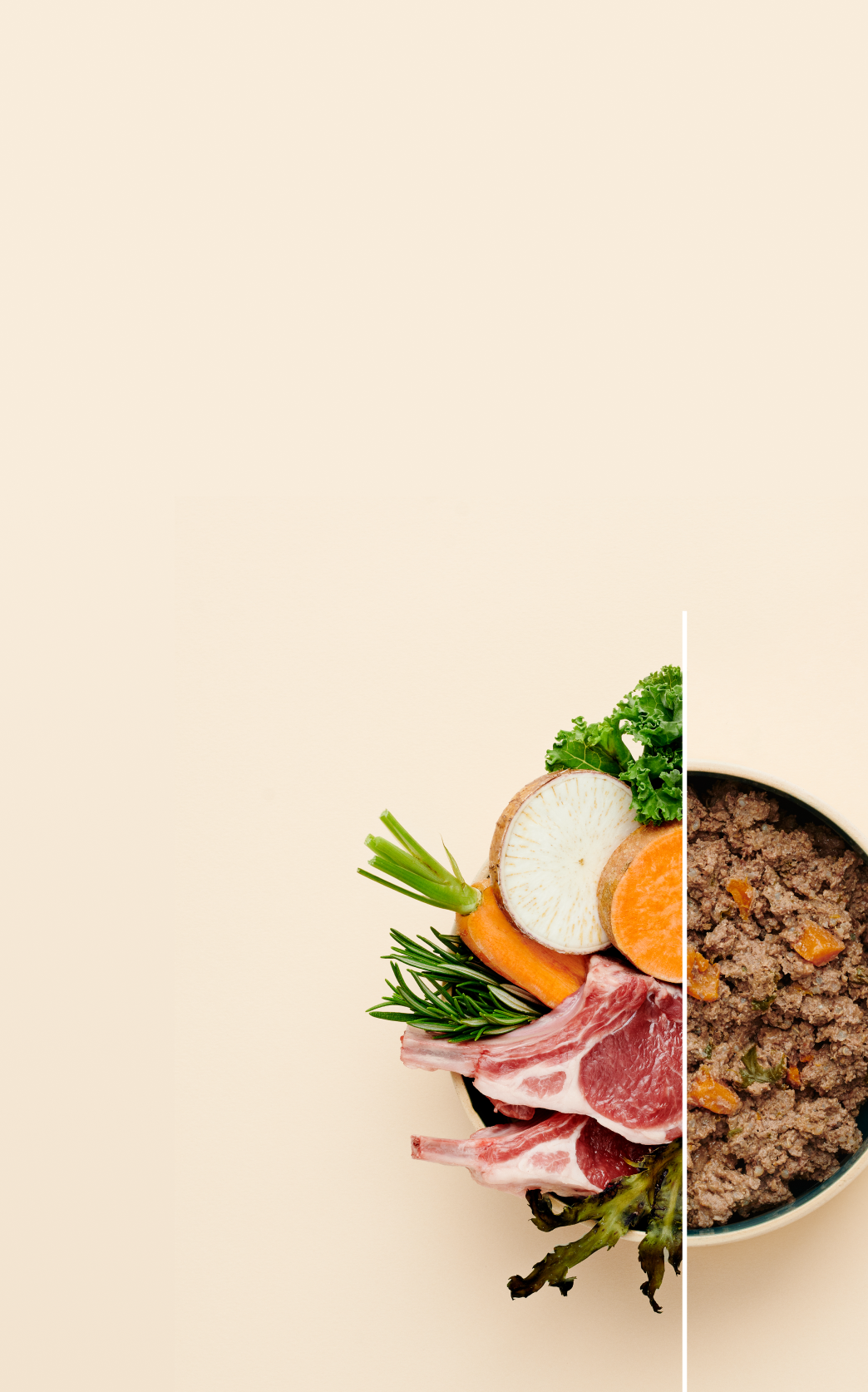
Pantry Fresh as a format sits in a specific and useful category. Marleybones uses freshly prepared ingredients sealed raw and slow-cooked inside the pack, which preserves more nutritional integrity than high-heat extrusion while eliminating the hygiene and storage demands of frozen raw. The meals are shelf-stable without preservatives and require no freezer, which is a practical advantage for households with working dogs on unpredictable schedules.
Marleybones recipes are FEDIAF compliant and complete for all life stages, including puppies, which matters for Malinois breeders and owners managing dogs from 8 weeks through senior years. With over 2,000,000 meals delivered and a 4.9 out of 5 Trustpilot rating, the real-world evidence from dogs with documented fussiness and digestive sensitivities is substantive rather than anecdotal.
That said, fresh food is not a guaranteed cure for every digestive issue. Structural problems, parasites, and genuine food allergies requiring elimination diets need veterinary diagnosis. Fresh food creates the conditions for better gut health, it does not replace clinical investigation when symptoms are serious.
How do you transition a Belgian Malinois onto a new food without making the stomach worse?
Transition speed is where most well-intentioned food changes go wrong. A Malinois's gut microbiome needs time to adjust to a new protein and carbohydrate profile, and a sudden switch almost always produces the loose stools and gas owners were trying to fix.
A 10-day transition is the minimum for a sensitive-stomached Mal. Start at 25 percent new food and 75 percent existing food for days one to three. Move to 50/50 for days four to six. Increase to 75 percent new food for days seven to nine, and complete the transition on day ten. If stools loosen at any stage, hold at that ratio for an additional two to three days before progressing.
Portion accuracy is also critical for this breed. Malinois are working dogs with lean body composition, and overfeeding even high-quality food overwhelms the digestive system. Use the feeding guide on your chosen food as a starting point, then adjust based on body condition score and activity level. A working Mal doing daily training will need more than a pet Mal with moderate exercise.
Feeding two meals per day rather than one large meal reduces the digestive load per sitting, which is particularly useful during the transition period and for dogs with established sensitivity. Every dog is different, so build your personalised Marleybones feeding and health plan tailored to your dog's age, size, and health requirements.

“A complete game changer!!”
FAQs
What are the most common signs of a sensitive stomach in a Belgian Malinois?
The most frequent signs are loose or inconsistent stools, excessive gas, vomiting shortly after meals, and visible discomfort or restlessness in the hours following eating. Malinois with dietary sensitivity also commonly show grass-eating behaviour and occasional stomach gurgling. These signs point to diet before they point to illness, but persistent or worsening symptoms warrant a vet check.
Is grain-free food better for a Malinois with digestive issues?
Grain-free is not automatically better. The relevant question is which grains are included and in what quantity. Wheat, corn, and soy are common irritants and worth avoiding. Oats and brown rice are well-tolerated by most dogs and provide useful fibre. A food free from problematic grains but built on whole-food carbohydrates is a better standard than grain-free as a blanket rule. Grain-free diets using high levels of legumes as protein substitutes also carry an ongoing regulatory question in relation to canine dilated cardiomyopathy.
Can a Belgian Malinois puppy with a sensitive stomach eat the same food as an adult?
Yes, provided the food is complete for all life stages. Marleybones Pantry Fresh meals are FEDIAF compliant and nutritionally complete for puppies, adults, and seniors, which means owners do not need to manage separate products or complex feeding plans during growth phases. Puppies with sensitive stomachs benefit from the same principles as adults: named proteins, no fillers, and no artificial additives.
How long does it take to see improvement after changing a Malinois to better food?
Most owners see measurable improvement in stool consistency and frequency within 14 to 21 days of completing a transition to a cleaner diet. Coat condition and energy stability take longer, typically 6 to 8 weeks for visible change. If there is no improvement after four weeks on the new diet, the issue warrants investigation beyond food type alone.
Which Marleybones meal is best for a Belgian Malinois with a sensitive stomach?
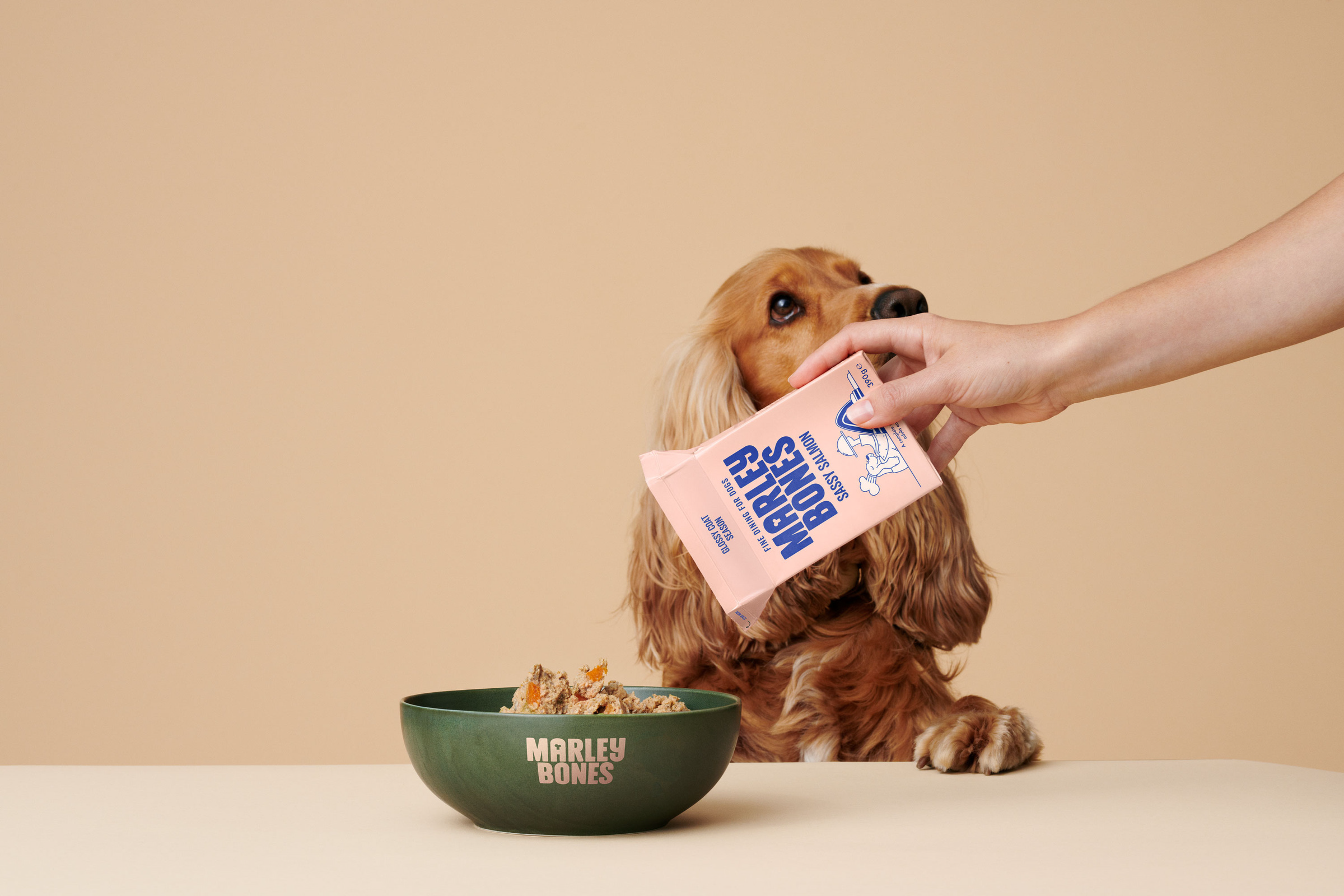
Marleybones Lush Lamb and Sassy Salmon are strong first choices for a Malinois with suspected food sensitivity, as lamb and salmon are novel proteins for many dogs that have been on standard chicken or beef-based diets. Novel proteins reduce the likelihood of triggering an existing sensitisation. Sassy Salmon also delivers a high concentration of omega-3 fatty acids, which directly support gut lining integrity and reduce inflammatory response. Once stable, rotating across Boss Beef, Chic Chicken, Lush Lamb, and Sassy Salmon broadens nutritional range without requiring a brand change.

Gloss up your pup’s life with an omega-3 booster


 Give your dog the quality nutrition they deserve
Real meat, wholesome veggies and functional superfoods.
Get 40% OFF today