



 Vet reviewed
What is the best dog food for Belgian Malinois?

At a glance
- Belgian Malinois thrive on fresh, whole-ingredient food built around high-quality protein and natural omega-3 fatty acids — fuelling an elite athletic breed means prioritising ingredient quality and adequate calories over everything else.
- Protein quality matters more for Belgian Malinois than for most breeds — muscle maintenance, performance, and recovery from high-intensity work all depend on protein from whole, identifiable sources rather than processed derivatives.
- Belgian Malinois burn significantly more calories than most dogs of their size — working and sport dogs can need two to three times the calories of a less active pet, and underfeeding is a genuine risk for this breed.
- Omega-3 fatty acids from oily fish support joint health, reduce post-exercise inflammation, and contribute to the cognitive function this breed puts to constant daily use.
- Fresh food with whole ingredients and no high-starch fillers gives a Belgian Malinois's performance, recovery, and long-term health the nutritional backing the breed demands.
What is the best diet for a Belgian Malinois?
A diet built around high-quality protein, adequate calories matched to activity level, and a natural source of omega-3 fatty acids is the best foundation for most Belgian Malinois. The dietary conversation for this breed is about performance nutrition: fuelling one of the most physically and mentally demanding dogs alive, with food that actually supports the output this breed is capable of.
The case for fresh dog food for Belgian Malinois comes down to what high-starch processed kibble does not deliver. Heavily processed dry food provides calories largely from cheap carbohydrates, energy that peaks and dips quickly and does not efficiently support the sustained athletic performance or muscle recovery a Malinois demands. Fresh food built around whole meat delivers protein and fat in more bioavailable forms, alongside naturally occurring omega-3 fatty acids, vitamins, and antioxidants that support the joints, brain, and immune function this breed relies on.
The practical checklist for a good Belgian Malinois food is: a named whole protein source, natural omega-3 fatty acids, no high-starch fillers, and calories calibrated to actual activity level rather than breed averages. Marleybones Pantry Fresh meals are exactly that: vet-developed recipes slow-cooked from whole ingredients, with no artificial additives, and a nutritional profile built for an active breed at every life stage.
How much energy does a Belgian Malinois need from their food?
A Belgian Malinois in active work or sport needs significantly more food than most owners expect, and far more than a standard breed feeding guide will suggest. A Malinois in police or military service, or competing regularly in protection sports or agility, can burn two to three times the calories of the same dog living as a companion animal. Getting this wrong in the direction of underfeeding is a genuine risk, and it shows up in poor coat condition, reduced muscle mass, and flagging energy before a working dog should be anywhere near tired.
Body condition is the most reliable guide, and it looks different here than in most breeds. A healthy Belgian Malinois should be lean and visibly muscular: ribs palpable without pressing, clear muscle definition across the hindquarters, shoulders, and back. A dog that looks bony without muscle tone is underfed. A dog with a slightly rounded appearance is likely carrying excess weight for their frame, which adds load to joints that are already working hard. Adjust portions in 10-15% increments over two to three weeks, monitoring body condition rather than weight, until the dog holds lean muscle without losing condition during work.
The quality of the calories matters as much as the quantity. Protein and fat from whole ingredients provide more sustained energy and more usable building blocks for muscle repair than the same calorie count from high-starch filler. For a breed that operates at this level, the source of the energy is not a minor detail.
How does diet support joint health in Belgian Malinois?
Belgian Malinois put extraordinary load on their joints. The jumping, sprinting, direction changes, and sustained activity this breed performs daily accumulates stress on hips, elbows, and stifles over a lifetime of work. A diet that actively supports joint health keeps a Malinois moving freely for longer and reduces the cumulative inflammation that comes with elite physical output.
Omega-3 fatty acids from oily fish, specifically EPA and DHA, are the most evidence-backed nutritional support for joint health. They reduce systemic inflammation that drives joint discomfort and cartilage wear, which is particularly valuable in a breed that trains and works through minor soreness as a matter of course. For Belgian Malinois with existing joint stiffness or diagnosed dysplasia, targeted supplementation alongside a whole-ingredient base diet gives the most complete nutritional support.
Lean muscle mass is equally important for joint protection. Adequate dietary protein from whole meat sources supports the muscle that absorbs ground forces during high-impact movement. A well-muscled Malinois handles the physical demands of the job far better than one whose diet has not kept pace with their output, and the two dietary priorities, omega-3s and quality protein, work together here rather than independently.
What protein is best for a Belgian Malinois?
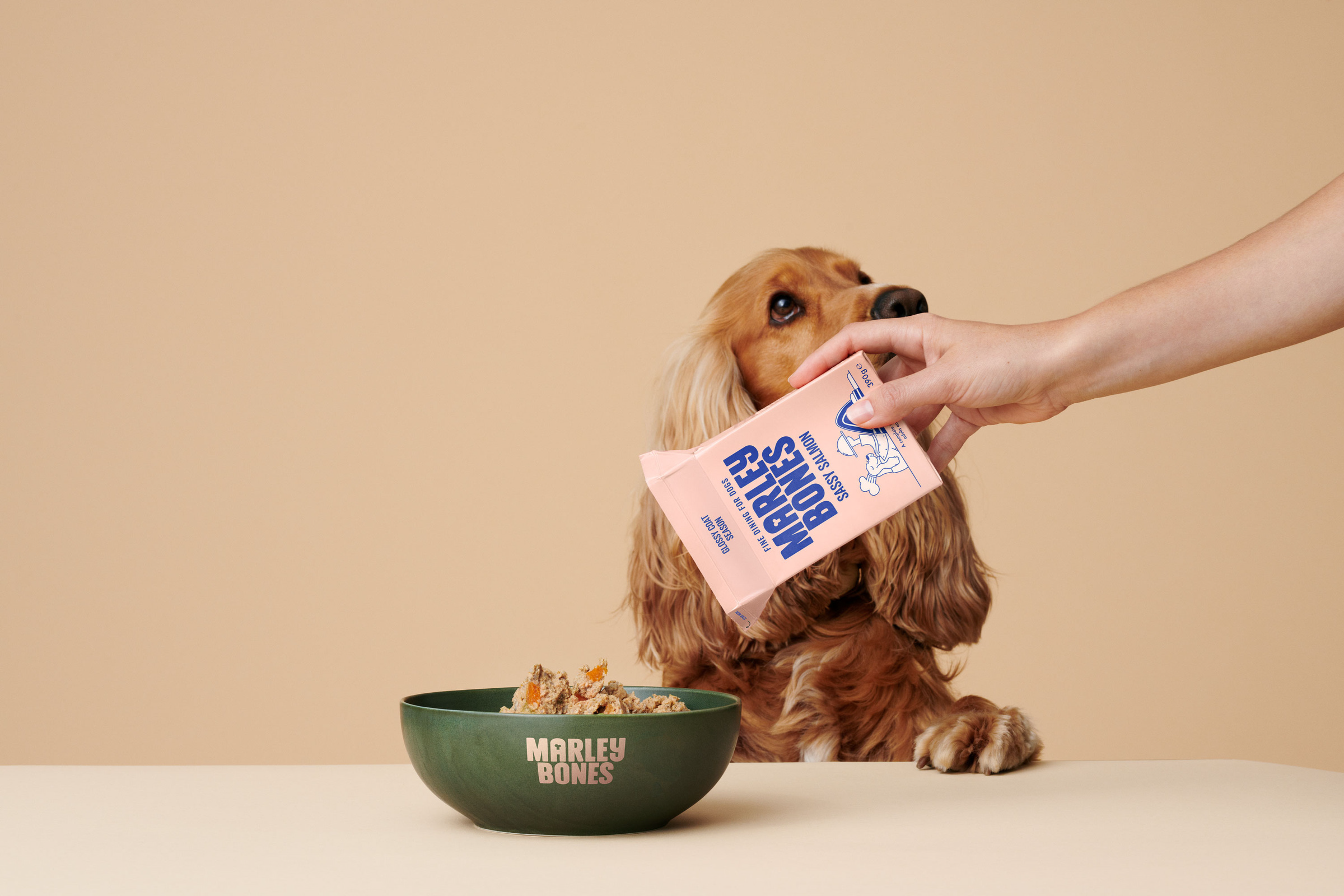
Salmon is the strongest starting point for most Belgian Malinois, providing complete, high-quality protein alongside EPA and DHA omega-3 fatty acids that support joint health, post-exercise recovery, and the cognitive function this breed deploys constantly. For most Malinois it is also a novel protein, reducing the chance of a sensitivity that builds over time. Sassy Salmon from Marleybones delivers salmon as a whole, identifiable ingredient alongside antioxidant-rich vegetables and no fillers or artificial additives.
Boss Beef is a strong alternative for highly active working dogs that benefit from the protein density and energy profile of red meat. Beef provides a complete amino acid profile with the higher caloric density that suits a dog working at maximum output, and for Malinois that have not been on a long-term beef diet, it offers a quality protein source without prior-exposure sensitivity risk. Lamb is a third option: well-tolerated, complete, and lower in allergenicity than beef for dogs with a history of sensitivity.
Chicken is the protein most Belgian Malinois have been eating throughout their lives. Many tolerate it without obvious issues, but long-term high-exposure increases the chance of a low-grade sensitivity developing. For a working dog where peak condition is the goal, a switch to a novel protein alongside a whole-ingredient fresh diet often produces clear improvements in coat, recovery, and digestive consistency within four to six weeks.

How much should I feed a Belgian Malinois?
An adult Belgian Malinois typically weighs between 20 and 30kg, with females towards the lower end, but weight is a poor proxy for appropriate portion size. A lean, well-muscled working dog at 25kg needs significantly more food than an equally-sized companion dog with a fraction of the daily output. Body condition is the accurate measure: muscle definition, rib feel, and visible waist. Packaging guides are calibrated to an average activity level that does not exist in this breed at the working end of the spectrum.
Fresh food tends to be more satiating per calorie than dry kibble due to its higher moisture content, which can lead owners switching from kibble to underestimate how much a working Malinois actually needs. A dog that is losing condition on a fresh diet despite eating to the suggested guide almost certainly needs a higher portion — increase by 15% and reassess over two to three weeks. Factor in training treats, which add up quickly with a breed this frequently in training. Every dog is different — build your personalised Marleybones feeding and health plan tailored to your dog's age, size, and health requirements.

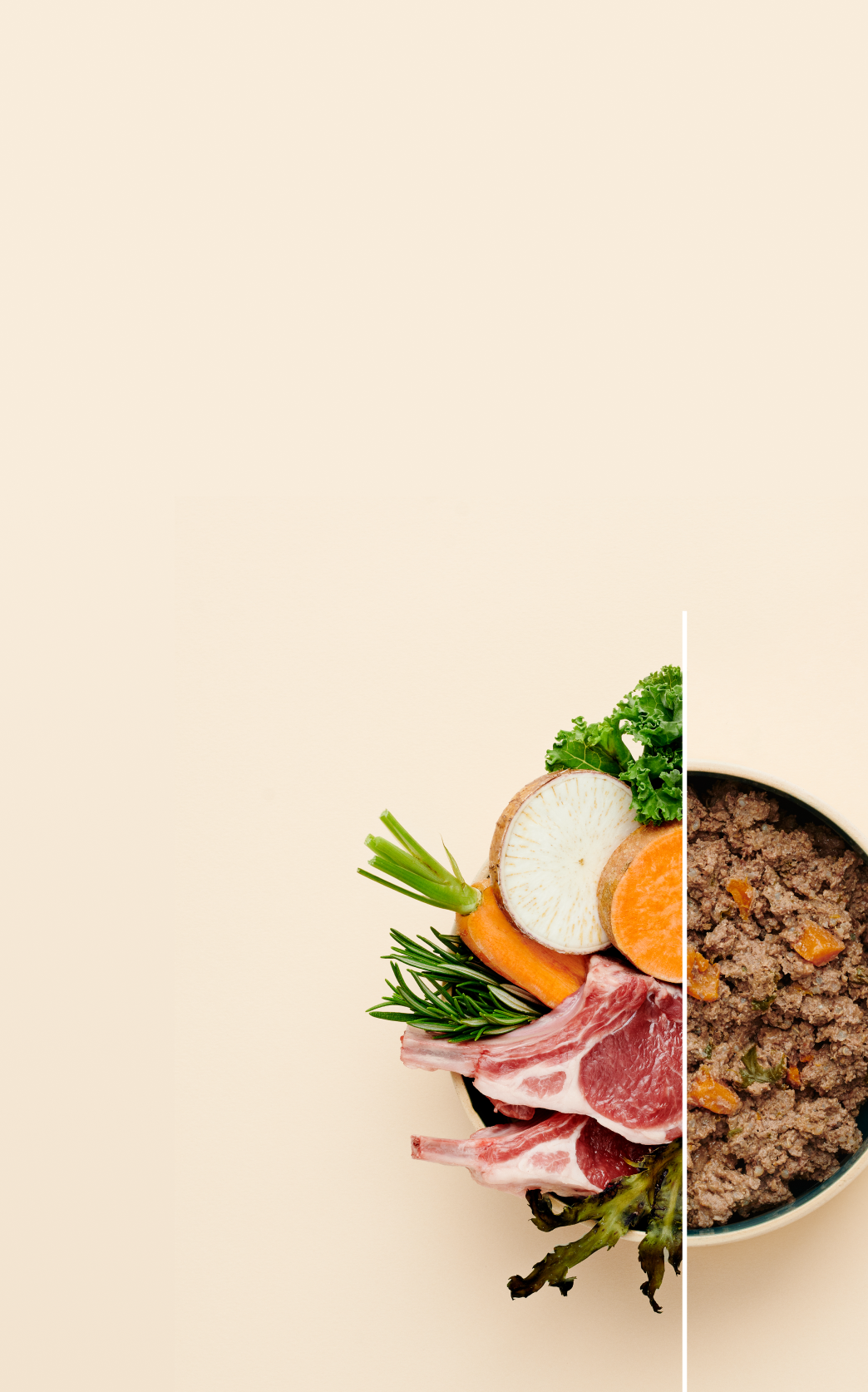
Freshly prepared British beef, veggies & superfoods
How do different dog food formats compare for Belgian Malinois?
Fresh dog food is the best format for most Belgian Malinois, delivering whole ingredients, quality protein, and natural omega-3s without the high-starch calories that do little for a breed performing at this level. Here is how the main formats compare.
| Format | Moisture content | Processing level | Verdict for Belgian Malinois |
|---|---|---|---|
| Fresh (Pantry Fresh) | 65-75% | Minimal — slow low-temperature cooking | Best option — whole ingredients, quality protein, natural omega-3s; supports performance, recovery, and joint health |
| Raw | 65-75% | None | Works well for active breeds — high protein and fat density suits a working dog; preparation and bacterial load require attention |
| Wet / canned | 75-85% | Moderate | Better than kibble — higher moisture and lower processing; protein quality and caloric density vary widely, check labels |
| Cold pressed | Around 12% | Low — below extrusion temperatures | Better ingredient quality than standard kibble — lower starch content suits an active breed better than extrusion |
| Dry kibble | Around 10% | High — high-temperature extrusion | Least suited — high-starch calories, degraded omega-3s, lowest ingredient quality for a breed performing at this level |
FAQs
How often should I feed my Belgian Malinois?
Twice daily is the standard for adult Belgian Malinois, splitting the total daily portion into morning and evening meals. For a deep-chested breed with some bloat risk, timing around activity matters. Feed at least an hour before sustained exercise and allow the same after. A single large daily meal is both harder on digestion and a more significant bloat risk than two measured meals, and for a working dog, consistent fuel across the day supports more even energy output.
Should I feed my Belgian Malinois differently if they are working versus a companion?
Yes, significantly. A Belgian Malinois in active service, protection sport, or competitive agility can need 50-100% more calories per day than the same dog living as a companion animal. The food itself does not need to change. The same whole-ingredient, high-quality diet works for both, but the portion does, and by a meaningful amount. Monitor body condition every two to three weeks and adjust in 10-15% increments rather than making large changes at once. A working dog losing muscle condition is almost always being underfed, not overworked.
Can I do anything about bloat risk through diet?
Feeding practices reduce bloat risk more than food format does. Two measured meals a day rather than one large feed, avoiding vigorous exercise for at least an hour before and after eating, and using a standard bowl rather than a raised feeder all reduce the risk of gastric dilatation in a deep-chested breed. Fresh food's higher moisture content and lower starch load is easier on digestion than dry kibble, which may reduce post-meal discomfort, but no food choice eliminates bloat risk entirely. Any Belgian Malinois showing a distended abdomen, retching without producing vomit, or signs of distress after eating should be seen by a vet immediately.
Is grain-free food better for Belgian Malinois?
The issue is not grains but starch load and ingredient quality. A well-formulated food containing whole oats or brown rice is not nutritionally inferior to a grain-free equivalent for a Belgian Malinois. The relevant question is how much of the food's energy comes from quality protein and fat versus cheap carbohydrates. Grain-free foods that substitute large quantities of peas or lentils for grain are not automatically more appropriate for a working breed. Whole ingredients, named protein, and a low proportion of filler calories matter more than whether grains appear on the label.
Is Marleybones Pantry Fresh good for Belgian Malinois?
Yes. Marleybones Pantry Fresh meals are vet-developed, slow-cooked from whole ingredients, and contain no artificial preservatives, fillers, or high-starch additives. Sassy Salmon is the strongest choice for most Belgian Malinois, providing complete protein alongside EPA and DHA omega-3 fatty acids that support joint health, post-exercise recovery, and cognitive function in a breed that demands all three. With over 2 million meals delivered and a 4.9 Trustpilot rating, Marleybones is a trusted choice for owners who want to fuel an elite breed with food that matches their output.
How long before I see a difference after switching my Belgian Malinois's food?
Coat condition and energy levels are typically the first changes owners notice, usually within four to six weeks. Joint mobility improvements take longer. Eight to twelve weeks on a consistent omega-3-rich diet gives a reliable picture. Digestive changes settle within two to four weeks. For working or competing dogs, performance and recovery improvements are harder to attribute to diet alone, but owners consistently report improved endurance and faster recovery from intense sessions after switching to a whole-ingredient fresh diet.

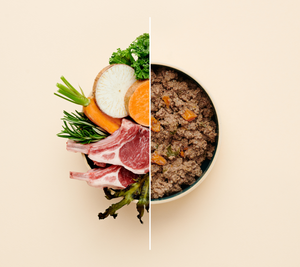
Freshly prepared British lamb, veggies & superfoods


 Give your dog the quality nutrition they deserve
Real meat, wholesome veggies and functional superfoods.
Get 40% OFF today