


What's in the Bowl? Marleybones Meals Explained

At a glance
- Every recipe is built on 60% named British meat or fish, plus three vegetables and seven superfoods and seeds
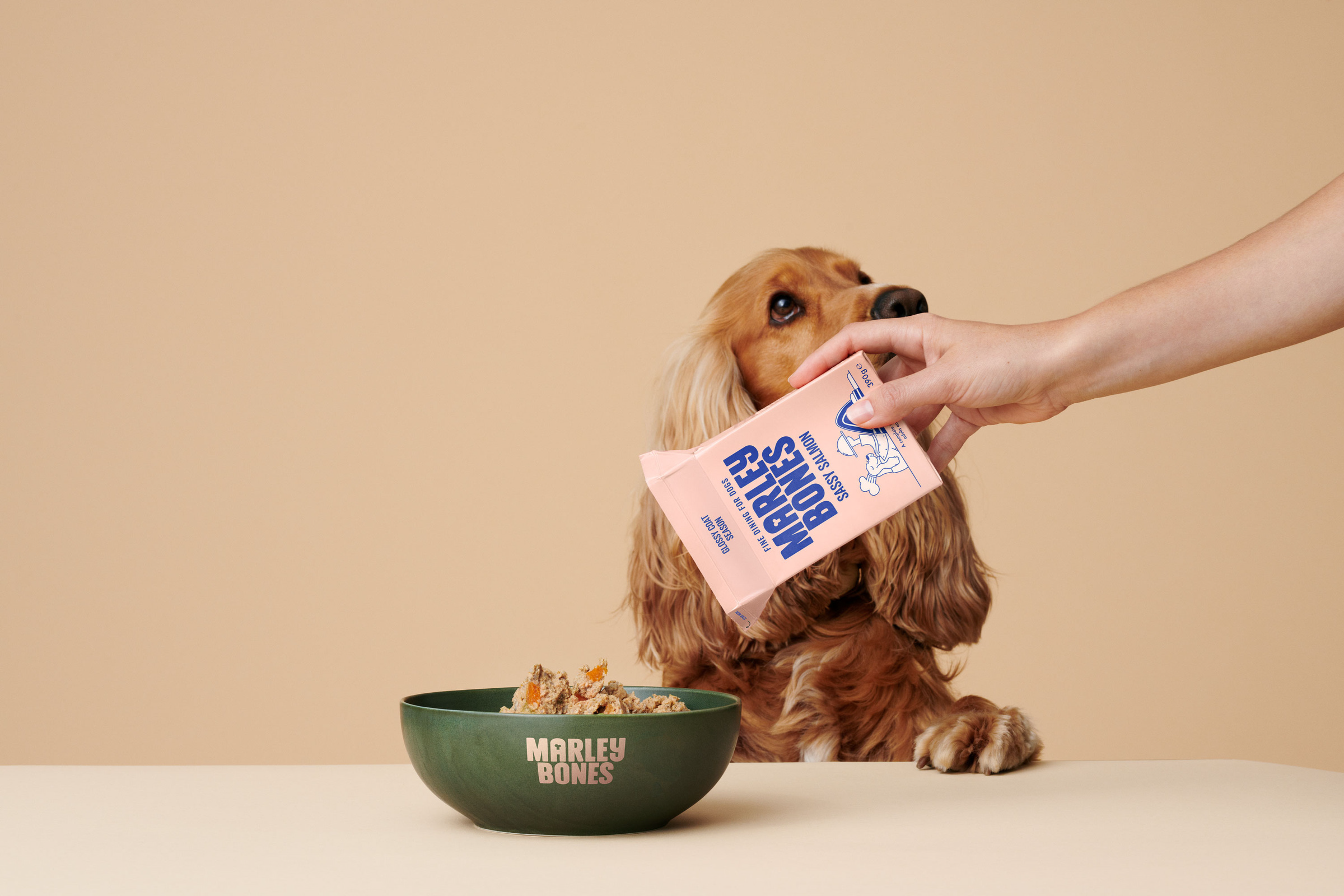
- The soft texture comes from gently cooking whole ingredients in their own juices inside a sealed pack — not from processing, water, or fillers
- Marleybones prioritises nutrient-dense seeds and superfoods over large volumes of vegetable, so meals look smoother and less chunky than some fresh foods
- There are no preservatives, no artificial additives, no fillers, and no added sugar in any recipe
- The tender texture is easy to eat and easy to digest, which is part of why it suits fussy eaters, puppies, and dogs with sensitive stomachs
What is actually in every Marleybones recipe?
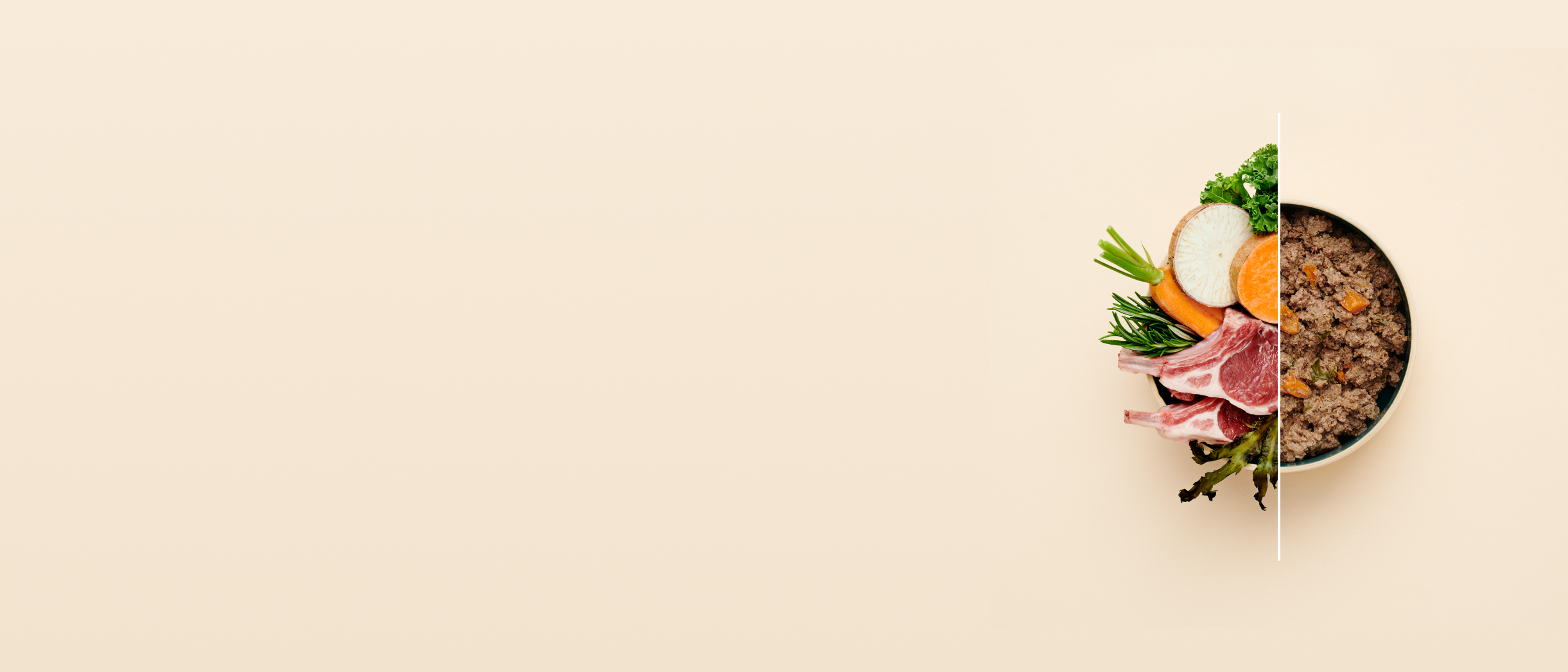
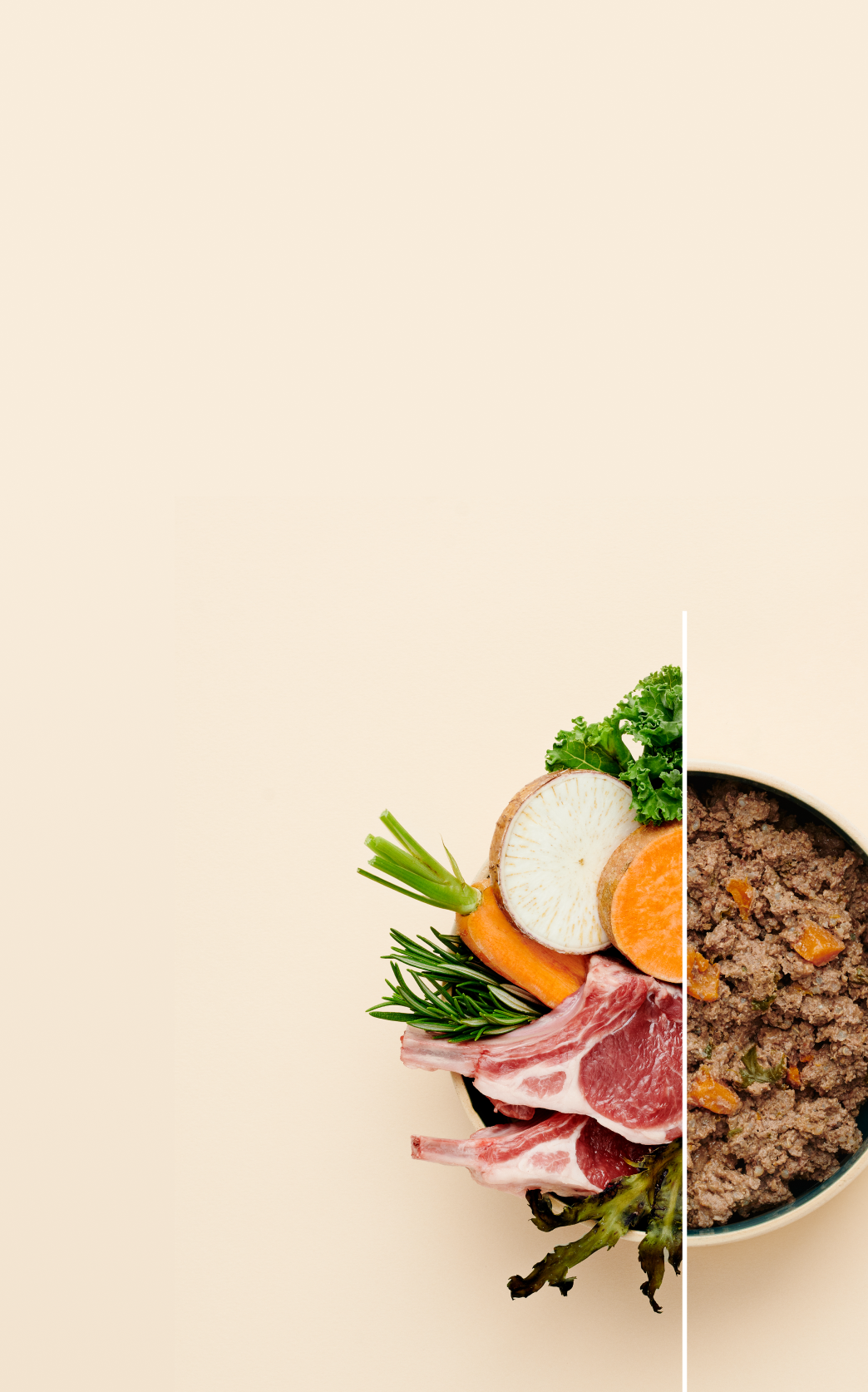
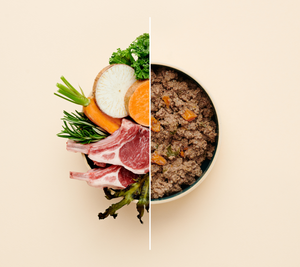
Every Marleybones recipe follows the same simple structure: one protein, three vegetables, and seven superfoods. Real meat or fish is always the number one ingredient, making up 60% of the recipe, and each meal uses a single named protein such as Lush Lamb rather than a vague blend, which makes it easy to see exactly what your dog is eating.
Alongside the meat sit three vegetables, usually broccoli, sweet potato, peas or carrots, chosen for fibre and essential vitamins. Then come the seven superfoods and seeds: quinoa, chia seeds, linseeds, hemp seeds, chicory root and yucca, plus a herb blend. Each one earns its place for a specific reason, from the prebiotic fibre in chicory root to the omega fatty acids in the seeds, rather than being added to make an ingredient list look impressive.

How is Marleybones cooked?
Marleybones seals raw ingredients directly into the pack and then slow-cooks the sealed pouch gently at around 89°C. This is the Pantry Fresh process, and it does two things at once. It cooks the food to a safe temperature, and it keeps the meal shelf-stable at room temperature without any preservatives or freezing.
Because everything is cooked once, gently, in its own juices, with no second round of high-heat sterilising, the food keeps a soft, tender consistency.
Why does Marleybones look different to some other fresh dog food?
The appearance comes down to how the food is made and what goes into it. Raw meals keep firm, separate pieces because the ingredients are barely cooked or not cooked at all. Kibble looks uniform because it is extruded under high pressure into identical shapes. Frozen fresh meals are gently cooked much like ours, but they are then portioned and frozen, which sets the ingredients while they still hold their shape. Marleybones takes a different final step: whole ingredients are cooked together and sealed in the pack rather than frozen, which gives the food its softer, more tender consistency.
The recipe itself is the second reason. Seeds and superfoods are small or finely milled, and Marleybones deliberately leans on these nutrient-dense ingredients rather than packing the bowl with large amounts of chopped vegetable. That means fewer big visible chunks and a smoother finish, but more nutrition in every mouthful. A softer look is a sign of what is prioritised in the recipe, not a sign of anything missing from it.

Where do the ingredients come from?
The meat and fish come from named British sources, and every recipe leads with real, quality protein rather than meat meals or derivatives. Turn any pack over and the exact percentage of every ingredient is printed on the label, so there is never any guessing about what is inside or how much of it there is.
That transparency is deliberate. A short, honest ingredient list built on real food is easier to trust and easier to match to a specific dog, particularly one with sensitivities, than a long list padded with fillers and vague catch-all terms.
What does the texture mean for your dog?
A soft, tender meal is easy to eat and easy to digest, which matters more than how chunky it looks. The texture suits puppies whose jaws are still developing, seniors dealing with dental wear, and any dog that finds firmer or drier food harder work at mealtimes.
It also tends to win over picky dogs. Nine in ten previously fussy dogs enjoy mealtimes on Marleybones, and in a customer survey of over 1,000 subscribers, 71% reported better digestion and firmer stools after switching. If you want to see which recipes would suit your dog, you can build a personalised plan in a couple of minutes based on their age, size, and needs.

“Such a relief to see her enjoying her food”
FAQs
Why doesn't Marleybones have big chunks of vegetables?
Because the recipes prioritise seeds and superfoods over large volumes of vegetable. These ingredients are small or finely milled and pack more targeted nutrition into less space, so meals look smoother rather than chunky. The vegetables are still there, they simply share the recipe with more nutrient-dense ingredients.
Does a softer texture mean the food is more processed?
No, the opposite is true. The soft texture comes from cooking whole ingredients gently, just once, in their own juices. Standard wet foods are blended and sterilised at much higher temperatures, and kibble is extruded under high pressure. Marleybones is less processed than both, not more.
Is the soft texture bad for my dog's teeth?
No. Dental health depends far more on overall care and dental-specific chews than on the firmness of a main meal. A softer texture is actually easier for puppies and older dogs to manage, and Marleybones offers dedicated treats and dental support for owners who want to add that into their dog's routine.
Does the texture change between recipes?
All four recipes share the same gently cooked, tender style, with small natural differences depending on the protein and vegetables in each. Beef, chicken, lamb, and salmon will each look and smell slightly different, but the consistency across the range is consistent.


 Give your dog the quality nutrition they deserve
Real meat, wholesome veggies and functional superfoods.
Get 40% OFF today