






 Vet reviewed
What is the best dog food for cocker spaniels?

At a glance
- The best food for most cocker spaniels is a complete, gently cooked fresh food with one named protein, like Marleybones Pantry Fresh®, fed in weighed portions.
- Cockers are prone to itchy skin and allergies, so a food with one protein and a short ingredient list makes a trigger easier to spot and avoid, and real omega-3s support skin and coat.
- Their long ears make ear infections common, about 1 in 10 cockers a year in UK vet records. If they keep coming back, a food trial with a new protein, fed on its own for at least eight weeks, shows whether diet is part of it.
- Cockers love their food and put on weight easily, so weigh every meal. An adult pet of 12–16kg needs roughly 610–880 kcal a day, and a working cocker up to about half as much again on a long day in the field.
- Fresh food is 65–75% moisture against about 10% in kibble, so the same calories fill more of the bowl, which helps a cocker who always seems hungry stay lean.
What is the best food for cocker spaniels?
Gently cooked fresh food built around one named protein, fed in weighed portions, is the best food for most cocker spaniels. Cockers often have sensitive stomachs, they're prone to itchy skin, allergies and ear trouble, and they love their food so much that weight creeps on easily. That makes food quality and portion control matter more for a cocker than for a hardier breed.
Fresh food is easier on a cocker's stomach than heavily processed dry kibble. It keeps whole ingredients you can see, cooked at lower temperatures so it stays more digestible, and is 65–75% moisture, where kibble is extruded at high temperature and is around 10%. For a breed prone to loose stools, wind and skin flare-ups, better ingredients and less processing make a bigger difference than switching between kibble brands.
The breed's own health record points the same way. A Royal Veterinary College study of UK vet records found that ear infections and obesity each affect about 1 in 10 English cockers a year. One named protein makes it easier to find what suits a cocker with itchy skin or ear trouble, and a weighed portion keeps a food-mad cocker trim.
So the checklist for a good cocker food is short: one named protein you can read on the label, real omega-3s for skin and coat, no artificial preservatives or fillers, and a portion weighed to your dog. Gently cooked fresh food meets all four in a way most dry food doesn't. Marleybones Pantry Fresh is built that way. Every recipe has one protein and plant omega-3s from linseed, chia and hemp, with Sassy Salmon adding omega-3s straight from the fish. It has no artificial preservatives, every plan is portioned to your cocker's weight, and it's kept in the cupboard, not the freezer.
If your cocker's stomach is the main worry, our guide to feeding a cocker spaniel with a sensitive stomach goes further.
The best dog food for cocker spaniels: Marleybones Pantry Fresh
Single-protein meals for every cocker: Sassy Salmon for skin and coat, Lush Lamb for a cocker that's only ever eaten chicken, each gently cooked at an average temperature of 89°C so they're easy on the stomach, with no artificial preservatives, portioned to your dog's weight and kept in the cupboard, not the freezer.
| Format | Moisture | Storage | Verdict for a cocker |
|---|---|---|---|
| Fresh (Marleybones Pantry Fresh) | 65–75% | Cupboard until opened, no freezer | Best all-round: one protein, whole ingredients, easy on the stomach and easy to weigh |
| Fresh frozen | 65–75% | Freezer, defrost before serving | Similar food in the bowl, but needs freezer space and planning |
| Raw | 65–75% | Usually frozen | Works for some; needs strict kitchen hygiene and a complete recipe |
| Wet / canned | 75–85% | Cupboard until opened | Moister than kibble; quality varies, so read the label |
| Cold pressed | Around 12% | Cupboard | A step up from kibble if fresh isn't practical |
| Dry kibble | Around 10% | Cupboard | Cheap and convenient, but easy to overfeed by the scoop |
How much should I feed a cocker spaniel?
An adult cocker spaniel of 12–16kg needs roughly 610–880 kcal a day as a pet, and more on working days. Split it into two meals, weigh it rather than scooping it, and count treats inside the total. Every Marleybones plan is portioned to your cocker's weight, age and activity, so the daily amount comes worked out for you.
The calories below are worked out from FEDIAF, the European pet food guidelines, and they're starting points, so feed to body condition. You should feel a cocker's ribs easily under light pressure and see a waist from above.
| Adult weight | Gains weight easily | Quiet pet (under an hour a day) | Active pet (1–3 hours a day) | Working day (3–6 hours) |
|---|---|---|---|---|
| 12kg | about 580 kcal | about 610 kcal | about 710 kcal | about 970–1,130 kcal |
| 14kg | about 650 kcal | about 690 kcal | about 800 kcal | about 1,090–1,270 kcal |
| 16kg | about 720 kcal | about 760 kcal | about 880 kcal | about 1,200–1,400 kcal |
Cockers are famously food-motivated, so go by the ribs and waist rather than the begging, and keep treats under about 10% of the day. A few go the other way, and getting a fussy cocker spaniel to eat is often about routine as much as the recipe.
How often a cocker eats changes fast in the first year: a puppy starts on four small meals a day and is down to two by six months.
| Age | Meals a day |
|---|---|
| 8–12 weeks | 4 |
| 3–6 months | 3 |
| 6–12 months | 2 |
| Adult | 2 |
| Senior, from about 8 | 2, in a slightly smaller portion |
A cocker spaniel puppy needs food labelled complete for growth or for all life stages, and feeding a cocker spaniel puppy well means weighing them every couple of weeks as they grow.
What is the best diet for a working cocker spaniel?
A working cocker spaniel needs the same complete, single-protein diet as a pet cocker, just more of it on working days. A long day in the field can call for up to about half as much energy again. Feed two meals, with the bigger one after work. A fresh food like Marleybones Sassy Salmon adds omega-3s straight from the fish, good for a coat that spends its days in water and brambles.
Plenty of working cockers live on dry working-dog food because it travels well, but a scoop packs a lot of calories, so it's easy to overfeed.
Marleybones Pantry Fresh travels just as well on a long day out. Meals are sealed raw and slow-cooked in-pack, making them shelf-stable without any preservatives and ready to serve straight from the carton. A pack on top of the usual scoop adds moisture and smell for a tired dog.
Most health niggles in working cockers are practical ones: ears that stay wet after swimming, and grass seeds or cuts from working through cover.
“Charlie my 7 month working cocker loves this food, we have had to buy him a slow feeder now as he tries to eat it as fast as possible”
Charlotte, owner of a seven-month-old working cocker, on Trustpilot, September 2026

Cocker spaniel skin problems, allergies and ears: can food help?
Food can help a cocker's skin and ears when a food allergy is part of the cause, and a food trial is the reliable way to find out. Cocker spaniels are known for skin problems and allergies, and their long ears make ear trouble common too. When a food allergy shows in the skin, it mostly appears as itching, repeat skin infections or sore, inflamed ears.
An itchy cocker that scratches, licks its paws or rubs its face is usually reacting to something in its food, its surroundings or both. Itching mostly in spring and summer points to pollen or grass, while year-round itching, especially with loose stools, points more towards food. Rule out fleas first, whatever the season.
The foods most likely to cause a food allergy in dogs are beef, dairy, chicken and wheat, and they turn up in most everyday dog foods.
The best food for a cocker spaniel with itchy skin or allergies has a single novel protein, genuine omega-3 sources and nothing artificial. Single-protein meals, like Marleybones Sassy Salmon or Lush Lamb, have all three: one protein, real omega-3s for a glossy coat, and no artificial preservatives.
A novel protein is one your dog hasn't eaten before, such as lamb or salmon for a cocker raised on chicken.
A food trial, which vets call an elimination diet, means feeding the new protein and nothing else, treats and chews included. Keep it up for at least eight weeks, ideally 8 to 12, noting the scratching each week. Then bring old foods back one at a time and watch whether the itch returns. Coat changes usually take six to eight weeks to show.
What are the best diets for a cocker spaniel with chronic ear infections?
The best diet for a cocker spaniel with chronic ear infections is a complete food built on one protein they haven't eaten before, such as lamb or salmon. Feed it with nothing else for 8 to 12 weeks while the vet treats the ear. That shows whether food allergy is part of what keeps the infections coming back.
Single-protein meals, like Marleybones Lush Lamb, make a food trial easy to stick to: lamb is the only meat in the recipe, so no other meat muddies the result.
Cocker spaniels are prone to ear infections: about 1 in 10 a year in UK vet records, against roughly 1 in 14 dogs overall. Their long, floppy ears are likely part of the reason, keeping the ear canal warm and damp.
There's no special dog food for smelly ears: a yeasty smell usually means an infection, and as with ear infections in any dog, changing food won't clear one that's already there.
Dry your cocker's ears after every swim or bath, check them weekly, trim the hair around the opening, and keep up gentle cleaning with a dog ear cleaner when they look waxy.
See the vet promptly if an ear smells, discharges, looks red or seems painful, if your cocker keeps shaking their head, or if itching has broken the skin.
What should a senior cocker spaniel eat?
A senior cocker spaniel diet looks much like an adult's: the same complete, protein-rich food, in a slightly smaller portion once they slow down. A cocker on Marleybones can stay on the same recipe into old age, because it's soft and easy to digest, with the daily amount trimmed to their weight.
Most cockers count as seniors from about eight. Dogs over seven may need 10–15% fewer calories than younger adults, so weigh an older cocker monthly and trim a senior dog's portion if the waist starts to disappear. Keep the protein up rather than cutting it, because an elderly cocker needs it to hold on to muscle.
Do cocker spaniels need supplements?
A cocker spaniel on a complete food doesn't need supplements, because the food already covers their needs. The one most owners consider is an omega-3 oil for coat condition, and anything beyond that is worth talking through with your vet.
For a cocker on Lush Lamb, Chic Chicken or Boss Beef, Marleybones Omega Boosting Oil adds plant-based omega-3s to the bowl for a glossy coat. Sassy Salmon already brings omega-3s from the fish.
A joint supplement with glucosamine and chondroitin is a common addition as a cocker gets older. It's an extra to talk through with your vet, alongside keeping your cocker lean.
No supplement treats a cocker's ears, so ear care and the vet come first. Skip human supplements too: some contain xylitol, a sweetener that's poisonous to dogs.
Is Marleybones good for cocker spaniels?
Yes. Marleybones began with a cocker spaniel: Josephine started the company after struggling to find a food that suited her own cocker, Marley, a fussy eater with a sensitive tummy. Back then, fresh food meant frozen, and everything else was heavily processed.
Each Pantry Fresh recipe also carries chicory root, a natural prebiotic for easy digestion. Once opened, a pack goes in the fridge and is used within 48 hours.
In our January 2026 survey of 1,056 Marleybones subscribers, 46% said their dog's coat was shinier or softer after switching, and 76% said their dog's healthy weight had been maintained or improved.
Switching doesn't have to be all or nothing. Plenty of owners start with a half plan, mixing fresh food into their cocker's usual meals. Either way, moving onto fresh food over seven to ten days keeps a cocker's tummy settled.
“Clearly superior product which is loved by my retired working cocker - gives her a lovely shine to her coat too. I am using Marleybones in addition to a quality kibble, which makes it perfectly affordable.”
Graham, owner of a retired working cocker, on Trustpilot, May 2026
Marleybones isn't the right choice for a cocker on a prescription diet from the vet: stay on that until your vet says otherwise.
Every dog is different — build your personalised Marleybones feeding and health plan tailored to your dog's age, size, and health requirements.

Freshly prepared fish, veggies & superfoods
FAQs
Are cocker spaniels allergic to chicken?
Allergies are common in cocker spaniels, but plenty of cockers eat chicken without any trouble. Chicken is one of the most commonly reported food allergens in dogs, along with beef, dairy and wheat, so a cocker that itches or keeps getting ear trouble on chicken is worth switching to lamb or salmon as a test.
A single-protein meal, like Marleybones Lush Lamb, keeps that switch clean.
Do working and show cockers need different food?
No. Working and show cockers need the same complete food, just in different amounts. Working-line cockers tend to be lighter and busier, while show-line cockers are usually stockier and less busy, so they need less for their weight.
Fresh food, like Marleybones Pantry Fresh, suits both, because the recipe stays the same and only the portion moves.
Is grain-free food better for cocker spaniels?
Not automatically. Most dogs digest grains such as oats and rice without trouble, so grain-free isn't a fix on its own. One named meat, a short ingredient list and no cheap fillers matter more than the words on a bag of cocker spaniel food.
How long do cocker spaniels live?
Cocker spaniels typically live about 11 to 11½ years, going by one UK study of vet records, and some reach their mid-teens. Lifespan varies a lot from dog to dog, so treat that figure as a guide rather than a promise.

“A complete game changer!!”
Sources
- Engdahl et al. (2023), Demography and disorders of English Cocker Spaniels under primary veterinary care in the UK (RVC VetCompass), Canine Medicine and Genetics
- FEDIAF Nutritional Guidelines, 2025 edition (European Pet Food Industry Federation)
- Mueller, Olivry and Prélaud (2016), common food allergen sources in dogs and cats, BMC Veterinary Research
- Olivry, Mueller and Prélaud (2015), how long elimination diets need to run in dogs and cats, BMC Veterinary Research
- Olivry and Mueller (2019), signalment and skin signs of food allergy in dogs and cats, BMC Veterinary Research
Last updated: 29 October 2026


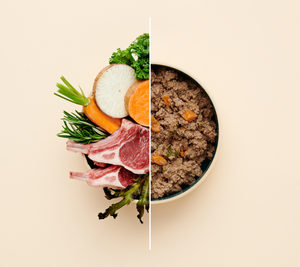 Give your dog the quality nutrition they deserve
Real meat, wholesome veggies and functional superfoods.
Get 40% OFF today