

What Is Leaky Gut Syndrome in Dogs?

At a glance
- Leaky gut syndrome occurs when the intestinal lining becomes permeable, letting harmful substances enter the bloodstream
- Common signs include chronic diarrhoea, vomiting, itchy skin, and recurring ear infections
- Ultra-processed diets, food intolerances, chronic stress, and certain medications are known contributing factors
- Gut-supportive nutrition, including prebiotics and high-quality protein, is central to recovery
- Persistent or worsening symptoms always warrant a vet visit — leaky gut can underlie more serious conditions
What exactly is leaky gut syndrome?
Leaky gut syndrome is a condition where the lining of a dog's intestine becomes more permeable than it should be. The gut wall is designed to act as a selective barrier — absorbing nutrients while blocking bacteria, toxins, and undigested food particles from entering the bloodstream. When that lining is damaged or inflamed, those barriers break down. Things that should stay inside the gut pass through, triggering immune responses throughout the body.
The medical term is increased intestinal permeability. But whatever you call it, the result is the same: a gut that is no longer doing its job properly, and an immune system that ends up on constant high alert as a consequence.
Leaky gut is not a single disease with a single cause. It is better understood as a condition that develops over time, driven by a combination of diet, environment, and underlying health factors. The good news is that the gut lining can repair itself — but only if the triggers are addressed.
What causes leaky gut in dogs?
Several factors are known to damage the intestinal lining over time. Diet is one of the biggest. Heavily processed diets are consistently high in refined starches and fillers, which can feed the wrong type of bacteria in the gut and promote low-level inflammation. A gut microbiome — the community of bacteria living in the digestive tract — that is out of balance is one of the key mechanisms behind increased permeability.
Other contributing factors include:
- Food intolerances or allergies — repeated exposure to a food the body reacts to keeps the gut lining inflamed
- Overuse of certain medications — particularly NSAIDs (anti-inflammatory pain relief) and antibiotics, which can disrupt gut bacteria and damage the intestinal wall
- Chronic stress — stress hormones affect gut motility and immune function
- Infections and parasites — these directly damage the mucosal lining of the gut
In many dogs, leaky gut develops gradually with no single obvious trigger. Signs of food intolerance are frequently one of the earliest clues that something is going wrong in the gut, and understanding how diet and digestive health interact is key to identifying them early.
What are the symptoms of leaky gut in dogs?
Because the gut is connected to almost every system in the body, the symptoms of leaky gut can show up in unexpected places. Digestive signs are the most obvious, but skin, ears, and behaviour can all be affected too.
The most common symptoms include chronic or intermittent diarrhoea, vomiting, bloating, and loose stools. But recurring itchy skin, hot spots, and ear infections are also strongly associated with gut dysfunction — the immune system reacting to particles that have leaked through the gut wall and entered circulation.
Some dogs also show fatigue, reduced appetite, or weight loss despite eating normally. This happens because a damaged gut absorbs nutrients less efficiently, even when the diet itself is good.
If your dog's symptoms are persistent, worsening, or have not responded to dietary changes, speak to your vet. Leaky gut can be a feature of more serious underlying conditions including inflammatory bowel disease, and proper diagnosis matters before starting any treatment plan.
How does diet help — and what should you feed a dog with leaky gut?
Diet is the most powerful lever available. The goal is twofold: remove the dietary triggers that are perpetuating inflammation, and actively support the gut lining's ability to repair itself.
High-quality, digestible protein is important here. Protein provides the amino acids the body uses to rebuild and maintain the cells lining the gut wall. The more bioavailable — meaning usable by the body — the protein is, the more efficiently that repair process can happen. Fresh, minimally processed ingredients tend to retain far more of their nutritional integrity than heavily rendered alternatives.
Prebiotics are equally important. Prebiotics are fibres that feed beneficial bacteria in the gut, helping to restore a healthy microbiome balance. Chicory root is one of the best-researched prebiotic ingredients — it contains inulin, a fibre that specifically supports the growth of good bacteria and helps maintain the mucosal layer that protects the gut lining. Marleybones includes chicory root in every recipe, alongside other gut-supportive ingredients like linseeds and chia seeds.
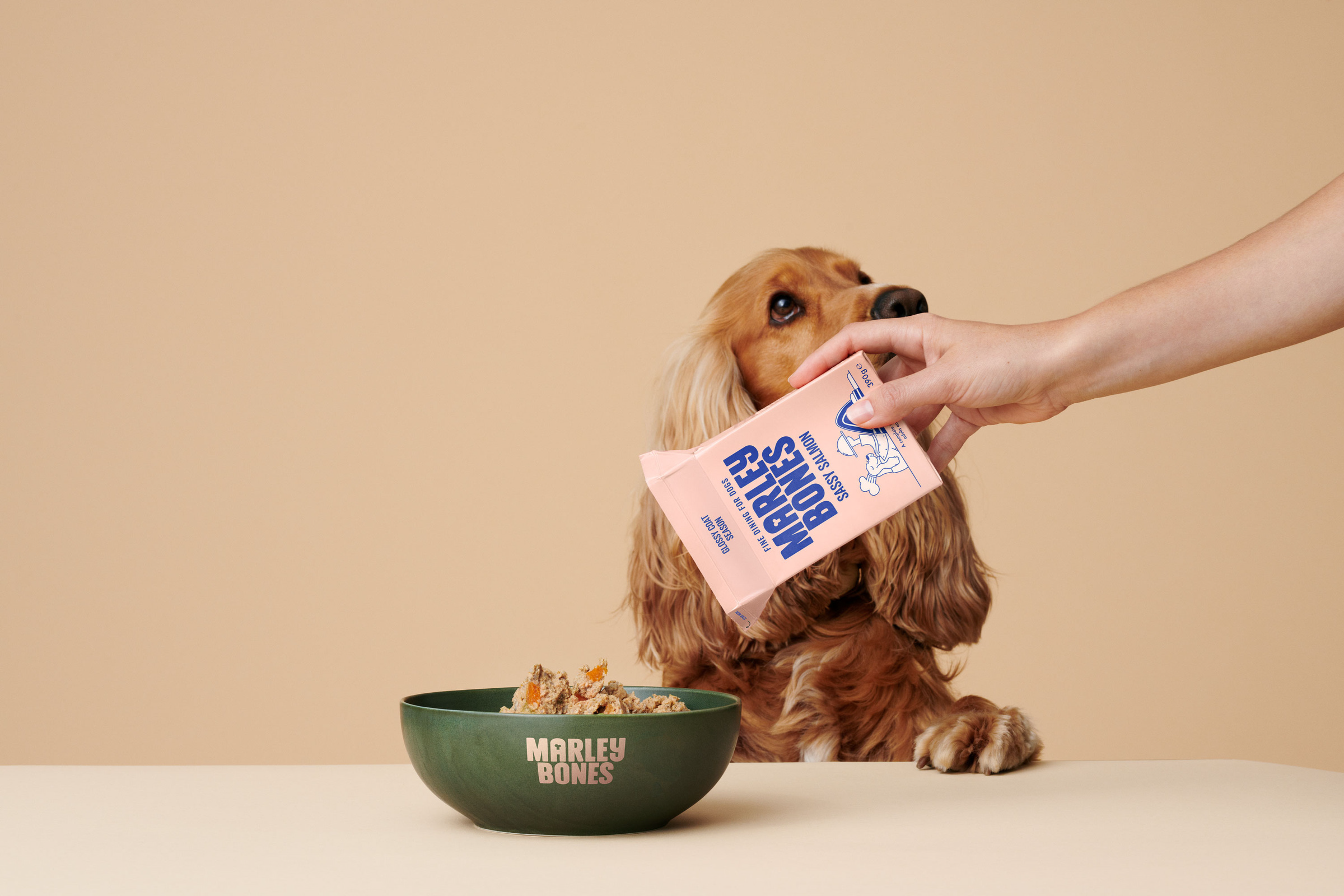
For dogs with suspected food intolerances driving the inflammation, a novel protein — one your dog has not eaten before — can help break the cycle. Lush Lamb and Sassy Salmon are both single-protein options that work well as elimination starting points, using ingredients many dogs have not been regularly exposed to.
If you want targeted gut support on top of dietary changes, a dedicated prebiotic and probiotic supplement can help accelerate microbiome recovery. Probiotics introduce beneficial bacteria directly; prebiotics feed and sustain them. Used together, they give the gut the best conditions to heal.
One final point: transition any new diet slowly. Moving a dog with a compromised gut onto new food too quickly can cause a flare-up of symptoms that has nothing to do with the food itself, and everything to do with the speed of change. Choosing a food formulated with gut health in mind makes that transition easier to manage.
Every dog is different — build your personalised Marleybones feeding and health plan tailored to your dog's age, size, and health requirements.

“Such a relief to see her enjoying her food”
FAQs
Is leaky gut syndrome in dogs a real diagnosis?
Increased intestinal permeability is well documented in veterinary research, but "leaky gut syndrome" is not a formal clinical diagnosis with a single diagnostic test. Vets typically look at a combination of symptoms, dietary history, and ruling out other conditions to identify gut barrier dysfunction.
Can leaky gut be cured in dogs?
The gut lining has a strong capacity to repair itself when the underlying triggers are removed. Many dogs improve significantly with dietary changes, but recovery takes time — typically weeks to months. Some dogs with underlying conditions like IBD require ongoing management rather than a complete cure.
What foods should dogs with leaky gut avoid?
Avoid highly processed foods with refined starches, artificial additives, and low-quality protein sources, as these promote gut inflammation. Foods your dog has a known or suspected intolerance to should also be removed. An elimination diet, guided by a vet, is the most reliable way to identify problem ingredients.
Do probiotics help dogs with leaky gut?
Probiotics introduce beneficial bacteria into the gut, which helps restore microbiome balance and supports the integrity of the gut lining. They work best when combined with a diet that includes prebiotic fibre to sustain those bacteria. Marleybones' gut health supplement combines both prebiotics and probiotics for this reason.
How long does it take for a dog's gut to heal?
There is no single answer — it depends on the severity of the damage, how long the triggers were present, and how consistently the new diet and support are applied. Mild cases can show improvement within two to four weeks. More chronic cases take three to six months of sustained dietary change to show meaningful improvement.
“A complete game changer!!”


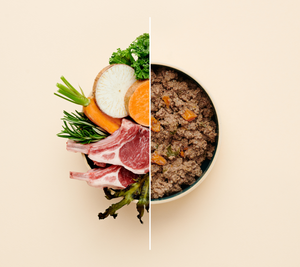 Give your dog the quality nutrition they deserve
Real meat, wholesome veggies and functional superfoods.
Get 40% OFF today