
What Causes Diarrhoea in Dogs and What Should You Feed Them?

At a glance
- The most common causes of diarrhoea in dogs are a sudden change of food, scavenging, stress, parasites and infections
- Most bouts are mild and clear up within 24 to 48 hours
- Small, plain meals three or four times a day, and plenty of fresh water, help the gut settle; there's no need to withhold food, and never fast a puppy
- See a vet straight away if diarrhoea lasts more than 48 hours, or for blood in the stool, vomiting, lethargy, refusing food, suspected poisoning, or a very young, elderly or unwell dog
- In a January 2026 survey of 1,056 Marleybones subscribers, 71% reported better digestion and stools after switching
Why does my dog have diarrhoea?
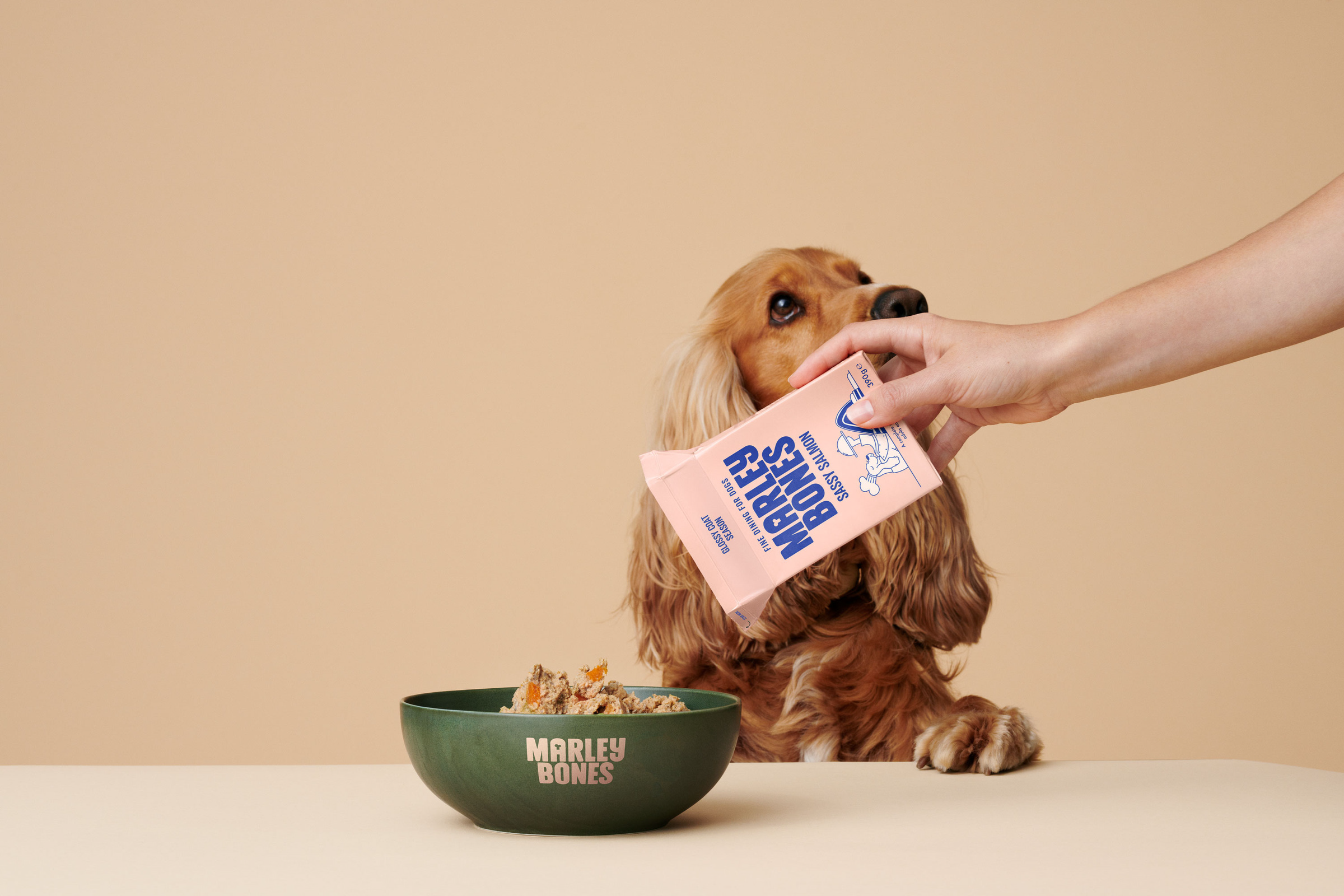
Diarrhoea in dogs is most often caused by a sudden change of food, scavenging something they shouldn't, or stress, and most bouts are mild and pass quickly. While it settles, feed small, plain meals, such as boiled chicken or your dog's usual gently cooked food, like Marleybones Pantry Fresh®, and keep fresh water down.
Sudden diarrhoea is common and usually short-lived. A 2025 Royal Veterinary College study of UK vet records found that about 1 in 12 dogs is diagnosed with it each year, and over 80% of those cases needed only one vet visit.
A balanced gut microbiome, the community of bacteria in your dog's digestive tract, keeps digestion, nutrient absorption and water balance running smoothly. When that balance is disrupted, inflammation and bacterial imbalance (known as dysbiosis) can lead to diarrhoea, which is often the body's way of clearing out unwanted or harmful substances quickly.
The foods that most often give dogs diarrhoea are fatty scraps, rich leftovers, too many treats and bin raids, plus any sudden switch of food. Dogs with a sensitive stomach react more easily. Stress can cause diarrhoea too, from fireworks, kennels, travel or a new home, and in hot weather, barbecue scraps and food left in the sun are common culprits.
Infection is more likely if other dogs in the house have diarrhoea at the same time. In puppies, parasites such as roundworm and giardia are a common cause.
| Trigger type | Examples |
|---|---|
| Dietary triggers | A sudden change in diet, food intolerance or allergy, eating spoiled food or rubbish, overeating, swallowing salt water |
| Infections or inflammation | Viral or bacterial infections (such as Salmonella or E. coli), intestinal parasites, gastroenteritis |
| Psychological or neurological factors | Stress or anxiety, sudden excitement or fear, pain or discomfort |
What are the different types of diarrhoea in dogs?
Diarrhoea in dogs comes in four broad types, depending on what's happening in the gut.
- Osmotic diarrhoea: undigested food draws water into the bowel, often after overeating or eating something unsuitable.
- Secretory diarrhoea: bacteria or viruses make the gut actively release fluid.
- Increased intestinal permeability: a more serious situation where fluids and nutrients leak through damaged gut walls, often seen in ulcerative or neoplastic conditions (ulcers or tumours in the gut).
- Motility-related diarrhoea: often linked to stress or excitement, when the gut contracts too fast for food to be digested normally.
What should you feed a dog with diarrhoea?
To help stop diarrhoea, feed your dog small, plain, easily digestible meals three or four times a day, and always keep fresh water available to prevent dehydration. A bland diet works, and gently cooked fresh food suits a recovering gut too: it's soft, moist and easy to digest.
Start with one-third of your dog's normal portion using easily digestible, high-quality fresh food, and avoid processed or high-fat meals.
Fresh, lightly cooked meals are gentler on the gut and often better tolerated than dry food during recovery. In a controlled feeding trial, fresh cooked diets were more digestible than kibble, so more of each meal was broken down and used.
Until the gut has settled, avoid fatty, rich or seasoned foods, dairy, chews, and excessive treats or table scraps, which all give an irritated gut more work to do.
Should you starve a dog with diarrhoea?
No. Fasting used to be the usual advice, but withholding food entirely is no longer recommended, and a puppy should never go without. The gut lining needs nutrients to repair itself, so little-and-often meals from the start help a dog recover. If your dog refuses food or brings it back up, call your vet.
What to give a dog with diarrhoea at home
The simplest thing to give a dog with diarrhoea at home is less of a food their gut already knows. If your dog eats a gently cooked fresh food, like Marleybones Pantry Fresh, smaller portions of it are ideal; otherwise, boiled chicken or white fish, a little white rice, cooked pumpkin or sweet potato and scrambled egg, all plain, work well.
Use chicken or fish with no skin, bones or seasoning. Plain white rice is fine in small amounts alongside it: it's low in fibre, easy to digest and helps bind loose stools.
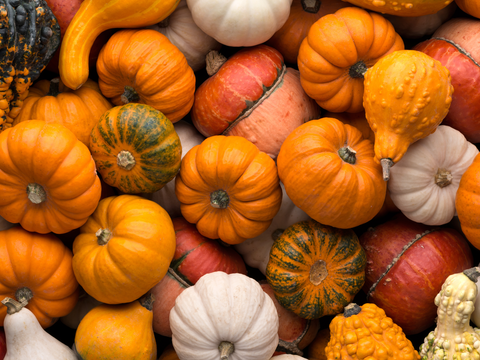
Pumpkin is the classic home remedy: its soluble fibre soaks up water in the gut and helps firm up stools. Start with a teaspoon or so, because too much makes diarrhoea worse. Scrambled egg, cooked without butter, milk or salt, is a gentle protein if there's no chicken or fish to hand.
Hold off on treats until your dog's poo is back to normal. A bland diet isn't complete nutrition, so use it for a few days only, then move your dog back onto their normal food gradually.
How long does dog diarrhoea last, and when should you see a vet?
Most cases of acute diarrhoea resolve within 24 to 48 hours with rest, fresh food and gut support, and a bright dog who is eating and drinking can be looked after at home. Call your vet straight away if it lasts longer than that or you see any warning sign in the table.
Diarrhoea usually shows as more frequent poos, soft or watery stools, or sudden, spray-like diarrhoea, with vomiting, lethargy or loss of appetite in more serious cases. Puppies and older dogs dehydrate faster, so they need a vet straight away.
| What to do | Signs |
|---|---|
| Watch at home | Your dog is bright, eating and drinking normally, and it started within the last two days |
| Call your vet straight away | Diarrhoea lasting more than 48 hours; diarrhoea combined with vomiting; lethargy, depression, or refusal to eat; symptoms in very young, elderly, or immunocompromised dogs |
| Emergency: get to a vet now | Bright red or black (digested blood) in the stool; signs of poisoning or ingestion of something unusual; collapse; a swollen, tight tummy |
Sudden bloody diarrhoea can become serious quickly. If you're ever unsure, ring your vet: anything persistent, severe or getting worse needs to be seen.
Should you give your dog probiotics or medicine for diarrhoea?
Never give your dog Imodium, Pepto-Bismol or any other human medicine for diarrhoea without asking your vet first. Over-the-counter medicines and antibiotics can do harm if used wrongly, and may throw the gut's bacteria further off balance. Antibiotics also need a prescription, and guidelines advise against routine use for diarrhoea, as most simple bouts clear up on their own.
A vet-recommended probiotic can help. In a 2019 trial of 148 dogs, a probiotic paste shortened diarrhoea from a median of 47 hours to 32. Probiotics can help rebuild beneficial gut bacteria after the episode, especially over the following one to two weeks.
Prebiotic and probiotic supplements can help restore balance, especially alongside a high-quality, easily digestible diet, though not every human probiotic suits dogs.
What should you feed long-term to prevent diarrhoea coming back?
If your dog keeps getting diarrhoea, start with the food, and ask your vet to rule out anything underlying. One consistent, easily digestible diet with a single protein makes it easier to spot what disagrees with your dog, and a single-protein fresh food, like Marleybones Lush Lamb, suits dogs that may react to chicken or beef.
A novel protein is one your dog hasn't eaten before, such as lamb for a dog raised on chicken, so it's less likely to be behind an existing reaction.
Dogs that eat the same food day to day, with few treats and scraps, tend to have steadier digestion. When you do change food, switch gradually over 7 to 10 days, because a sudden switch is itself a common cause of diarrhoea.
Every Marleybones recipe includes chicory root, a natural prebiotic: a fibre that feeds the good bacteria in the gut.
"My Westie loves all the flavours she has tried and she won't mind me saying it has firmed up the poos." Therese, Trustpilot, October 2026
Supplements with psyllium husk can help regulate stool consistency, especially in cases of large intestine inflammation. The Gut Health Supplement combines psyllium with pumpkin, chicory root and MOS, a natural prebiotic. A supplement alone won't fix the cause of repeated bouts.
Every dog is different — build your personalised Marleybones feeding and health plan tailored to your dog's age, size, and health requirements.

“Such a relief to see her enjoying her food”
FAQs
My dog has diarrhoea but is still eating and drinking. Should I worry?
Usually not, as long as your dog is bright and their usual self. Keep an eye on them, and call your vet straight away if it hasn't settled within two days or they seem unwell.
What if my dog has diarrhoea for 3 days?
Call your vet straight away, even if your dog is acting normally. Three days is well past the point where most bouts settle.
What should I feed a puppy with diarrhoea?
Keep feeding a puppy with diarrhoea, little and often. A puppy already on a complete fresh food, like Marleybones Pantry Fresh, can stay on it in smaller portions. Puppies are particularly vulnerable because their immune systems are still underdeveloped, so even a short bout can turn serious: call your vet straight away.
Is Marleybones Pantry Fresh good for a dog that keeps getting diarrhoea?
For many dogs, yes, once your vet has ruled out anything underlying. Every Pantry Fresh recipe is single-protein, so it's easy to keep one consistent food in the bowl and spot a protein that doesn't agree with your dog. Meals are gently cooked at an average temperature of 89°C.
“A complete game changer!!”
Sources
- O'Neill DG, Prisk LJ, Brodbelt DC, Church DB, Allerton F (2025). Epidemiology and clinical management of acute diarrhoea in dogs under primary veterinary care in the UK. PLoS One 20(6): e0324203
- PDSA Pet Health Hub: Dog diarrhoea
- Tanprasertsuk J, Perry LM, Tate DE, Honaker RW, Shmalberg J (2021). Apparent total tract nutrient digestibility and metabolizable energy estimation in commercial fresh and extruded dry kibble dog foods. Translational Animal Science 5(3): txab071
- Nixon SL, Rose L, Muller AT (2019). Efficacy of an orally administered anti-diarrheal probiotic paste (Pro-Kolin Advanced) in dogs with acute diarrhea: a randomized, placebo-controlled, double-blinded clinical study. Journal of Veterinary Internal Medicine 33(3): 1286–1294
Last updated: 22 October 2026 · Reviewed by Dr Davide Stefanutti DVM PhD



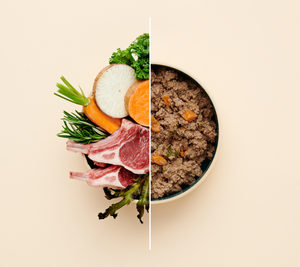 Give your dog the quality nutrition they deserve
Real meat, wholesome veggies and functional superfoods.
Get 40% OFF today