


What Are Prebiotics for Dogs and Why Do They Matter?

At a glance
- Prebiotics are non-digestible fibres that feed beneficial bacteria in the gut — they are not the same as probiotics
- A well-fed gut microbiome supports digestion, immune function, stool quality, and nutrient absorption
- Chicory root (inulin) is one of the most researched and effective prebiotic sources for dogs
- Prebiotics work best when they come from food, not just supplements added on top of a poor diet
- Signs your dog's gut bacteria may be out of balance include loose stools, excessive wind, and poor coat condition
So what actually are prebiotics — and aren't they the same as probiotics?
Prebiotics are a specific type of dietary fibre that passes through the stomach undigested and reaches the large intestine largely intact. Once there, the beneficial bacteria in your dog's gut ferment it, using it as fuel to grow and multiply. Think of prebiotics as food for the good bacteria already living in your dog's digestive system.
Probiotics are different. They are live bacteria you add to the gut from outside — through food or supplements. Prebiotics feed the bacteria that are already there. Both matter, but they work differently. For most healthy dogs, getting enough prebiotic fibre through daily food is the more fundamental priority.
The community of microorganisms living in your dog's gut is called the microbiome. A diverse, well-nourished microbiome is one of the most important factors in your dog's overall health — and prebiotics are one of the main things that support it, sitting at the heart of the wider picture of canine digestive health.
Why does the gut microbiome matter so much?
The gut does far more than digest food. Around 70% of a dog's immune system is located in the gut wall, so the health of that environment directly affects how well your dog fights off illness. A balanced microbiome also helps regulate inflammation, produce certain B vitamins, and influence mood through the gut-brain axis — the two-way communication channel between the digestive system and the brain.
When the balance tips the wrong way, things start to go wrong. Harmful bacteria take hold, the gut lining becomes more permeable, and nutrients aren't absorbed as efficiently. The result can be loose stools, excessive wind, poor coat condition, low energy, or recurring digestive upsets. The gut is genuinely central to almost every aspect of your dog's health — not just digestion.
If your dog has persistent digestive symptoms that don't improve with a dietary change, it's worth speaking to your vet. Ongoing loose stools, blood in the stool, or significant weight loss are signs that need professional assessment, not just a food tweak.
Which foods actually contain prebiotics for dogs?
The most well-researched prebiotic for dogs is inulin, which is extracted from chicory root. Inulin is a soluble fibre — meaning it dissolves in water — and it ferments readily in the colon, feeding bacteria like Lactobacillus and Bifidobacterium. These are the strains consistently associated with healthy gut function in dogs.
Other plant-based ingredients that contribute prebiotic fibre include:
- Linseeds — also a source of omega-3 fatty acids
- Chia seeds — soluble fibre with additional antioxidant properties
- Quinoa — a digestible grain that contributes both fibre and complete protein
The key point is that fibre quality matters as much as fibre quantity in a dog's diet. Cheap fillers like powdered cellulose technically add fibre, but they contribute very little to the microbiome compared to fermentable plant fibres. You want fibre that actually does something when it reaches the gut.
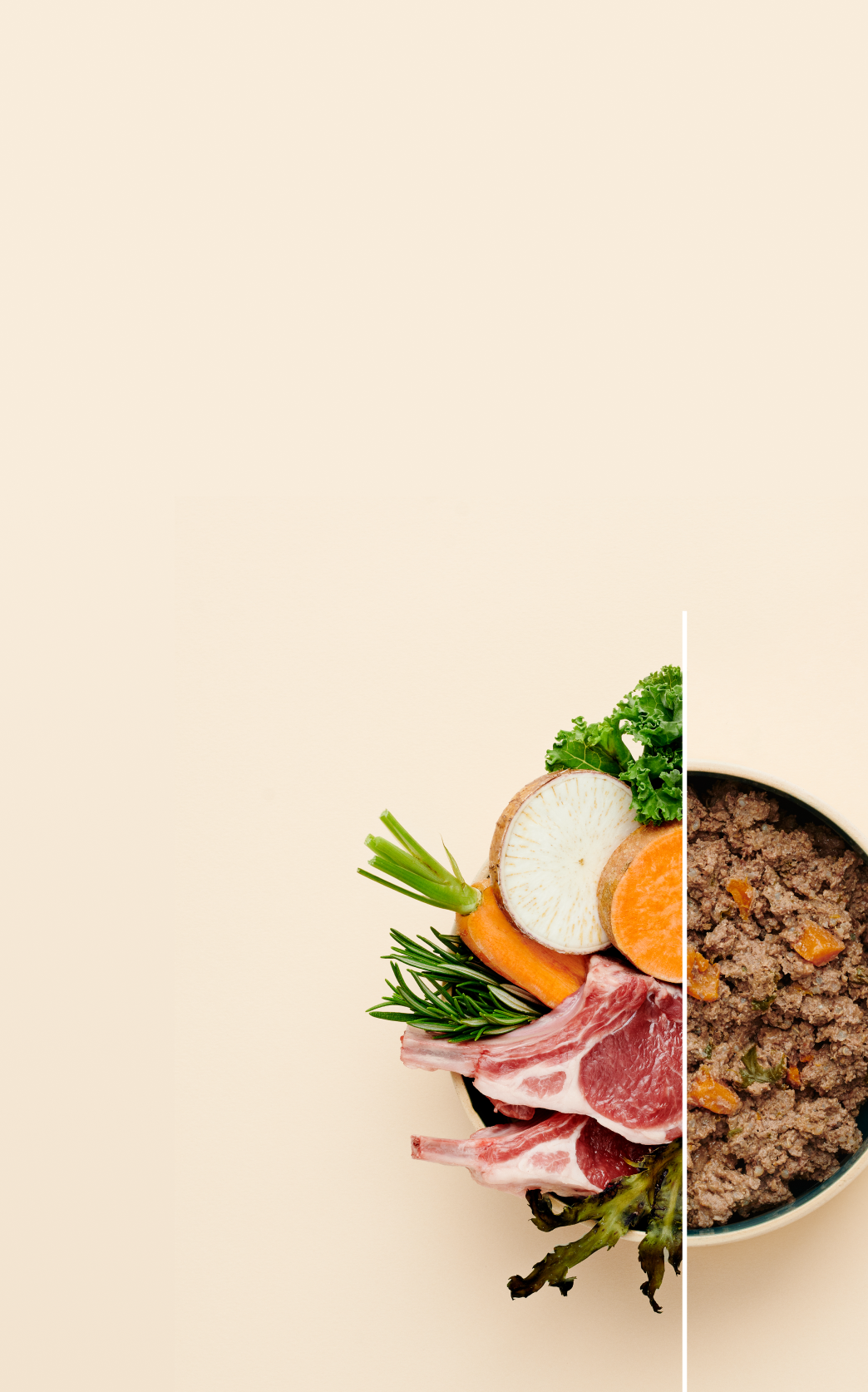
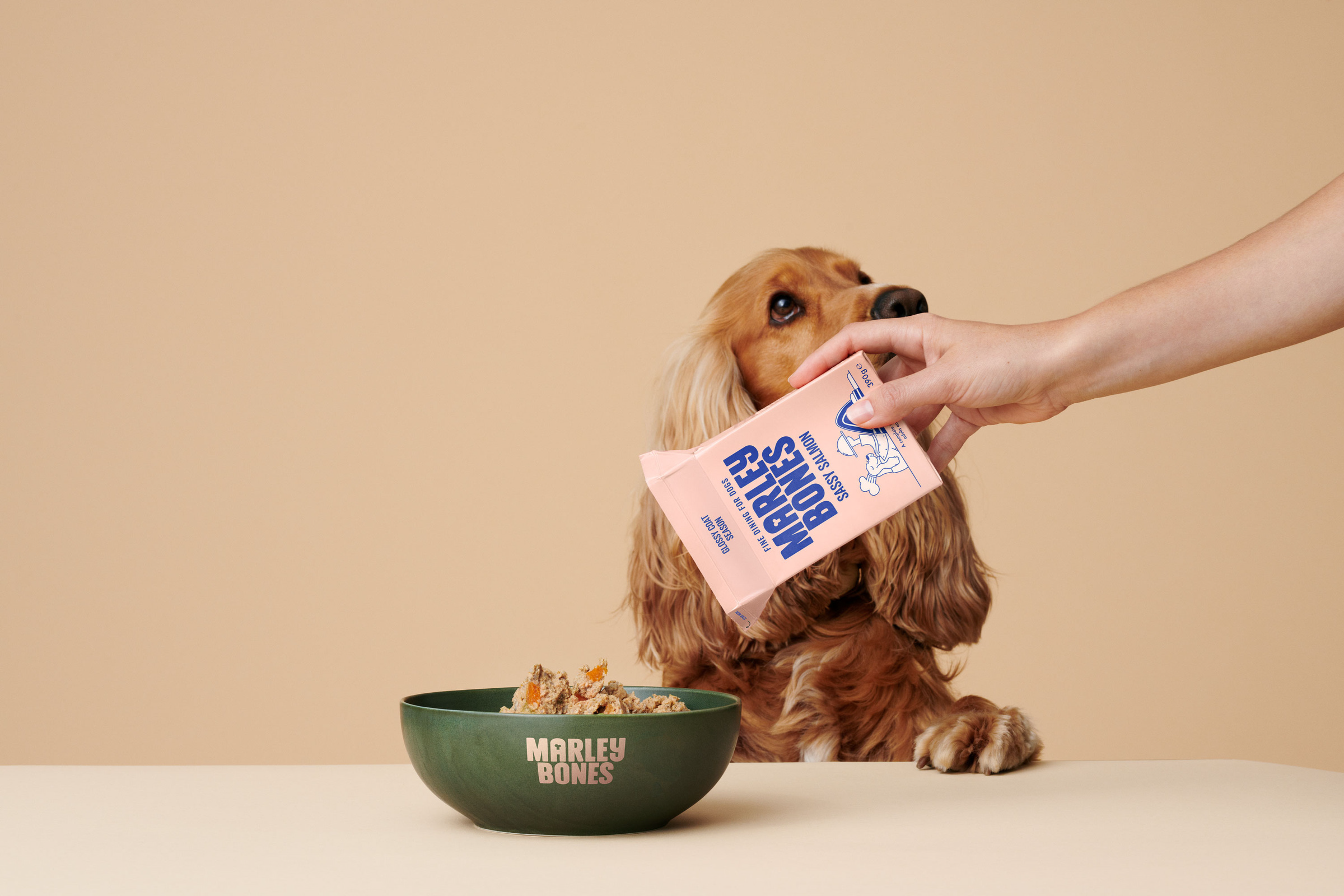
Marleybones includes chicory root in every recipe, alongside chia seeds, linseeds, and quinoa — all of which contribute meaningful prebiotic fibre. Each meal is vet-developed and FEDIAF compliant, so the fibre levels are nutritionally appropriate rather than added for marketing purposes.
Should you give your dog a prebiotic supplement as well?
If your dog's daily food already contains good prebiotic sources, a supplement isn't essential for most dogs. But there are situations where one is genuinely useful.
Dogs recovering from a course of antibiotics are a clear example. Antibiotics reduce harmful bacteria, but they also strip out beneficial strains. Supplementing with prebiotics (and often probiotics) during and after treatment helps the microbiome recover faster. Dogs with chronic digestive sensitivity, food intolerances, or a history of gut issues can also benefit from additional support. The science behind prebiotic and probiotic supplementation in dogs is well established for these cases.
Marleybones produces a dedicated gut health supplement that combines prebiotics and probiotics for dogs that need more targeted digestive support alongside their meals.
For dogs with a genuinely sensitive stomach, the most effective approach is usually to address the food first, then consider supplementing if symptoms persist.
Every dog is different — build your personalised Marleybones feeding and health plan tailored to your dog's age, size, and health requirements.

“Such a relief to see her enjoying her food”
FAQs
What is the difference between a prebiotic and a probiotic?
Prebiotics are fibres that feed the beneficial bacteria already living in your dog's gut. Probiotics are live bacteria you introduce from an external source, such as food or supplements. Both support gut health, but they work differently — prebiotics nourish what's there, probiotics add to it.
Can puppies benefit from prebiotics?
Yes. A puppy's microbiome is still developing, and prebiotic fibre supports healthy bacterial diversity from an early age. This is one reason why complete puppy foods should contain appropriate fibre sources, not just protein and fat.
How quickly do prebiotics make a difference?
Most owners notice improvements in stool consistency and digestive comfort within two to four weeks of introducing good prebiotic sources consistently. Microbiome changes take time — a single meal won't shift things, but a well-formulated diet fed consistently will.
Is chicory root safe for dogs?
Yes, chicory root is safe for dogs in the amounts used in quality pet food. It is one of the most researched prebiotic ingredients in canine nutrition. Very high quantities can cause loose stools in some dogs, but at the levels found in properly formulated food, this is not a concern.
Do all dog foods contain prebiotics?
No. Many standard dry kibbles contain very little fermentable fibre, relying instead on cheap bulking fibres that do not meaningfully support the gut microbiome. It is worth checking the ingredients list for named prebiotic sources like chicory root, inulin, or other whole plant ingredients.
“A complete game changer!!”


 Give your dog the quality nutrition they deserve
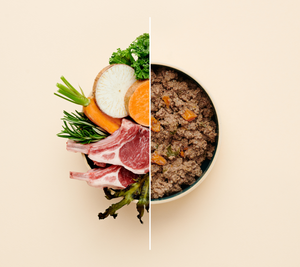
Real meat, wholesome veggies and functional superfoods.
Get 40% OFF today