




Best Dog Food for a Fussy Border Collie

At a glance
KEY TAKEAWAYS
- Border Collies are high-energy working dogs — they need a protein-rich diet to support muscle function and sustained energy.
- Fussiness in Border Collies is often driven by boredom, stress, or food that simply isn't appetising enough — not a medical problem.
- Fresh food formats tend to have a stronger, more appealing aroma than kibble — this is a key driver of palatability for reluctant eaters.
- Consistent meal times and no topping-up with treats between meals are the two most impactful behavioural changes you can make.
- If a Border Collie refuses food for more than 48 hours, consult a vet to rule out an underlying cause.
Are Border Collies naturally fussy eaters?
Some are, yes — but not in the way most people assume. Border Collies are one of the most mentally active breeds on earth. When they're under-stimulated, anxious, or simply unimpressed by what's in front of them, they will walk away from a full bowl without hesitation. That's not stubbornness — it's a sensitive, highly switched-on dog making a choice.
Unlike Labradors, who will eat almost anything placed in front of them, Border Collies tend to have more discerning palates. They also pick up on routine disruptions, environmental stressors, and changes in food quickly. A Border Collie's nutritional needs are shaped by their high activity levels — they burn through energy fast, so going off food even briefly can affect their condition and focus.
The good news: in most cases, the fix is straightforward. The right food, served consistently, at the right time, solves the problem for the majority of fussy Border Collies within a week or two.
SUITABILITY TABLE
| Food format | Palatability for fussy dogs | Nutritional quality | Practicality | Verdict |
|---|---|---|---|---|
| Pantry fresh (e.g. Marleybones) | High — strong aroma, real ingredients | High — whole proteins, superfoods, no fillers | High — no freezer, shelf stable | Best option for fussy Border Collies |
| Frozen raw | High — very palatable for most dogs | High — minimally processed | Low — freezer space needed, thawing required | Good nutritionally but impractical for many owners |
| Cold pressed | Medium — better than kibble, less aromatic than fresh | Medium-high — lower heat than kibble | High — easy to store and serve | Decent step up from standard kibble |
| Dry kibble | Low — low moisture, weaker aroma | Low-medium — heavily processed, often contains fillers | Very high — easy to store and measure | Convenient but the least likely to win over a fussy dog |
| Wet / canned | Medium-high — more appealing than kibble | Medium — varies widely by brand | Medium — bulky packaging, shorter shelf life once opened | Better than kibble for palatability, but ingredient quality varies |
Why does a Border Collie refuse food — and what actually fixes it?
Border Collies refuse food for a handful of reasons. Understanding which one applies to your dog makes the solution much quicker to find.
The food isn't palatable enough
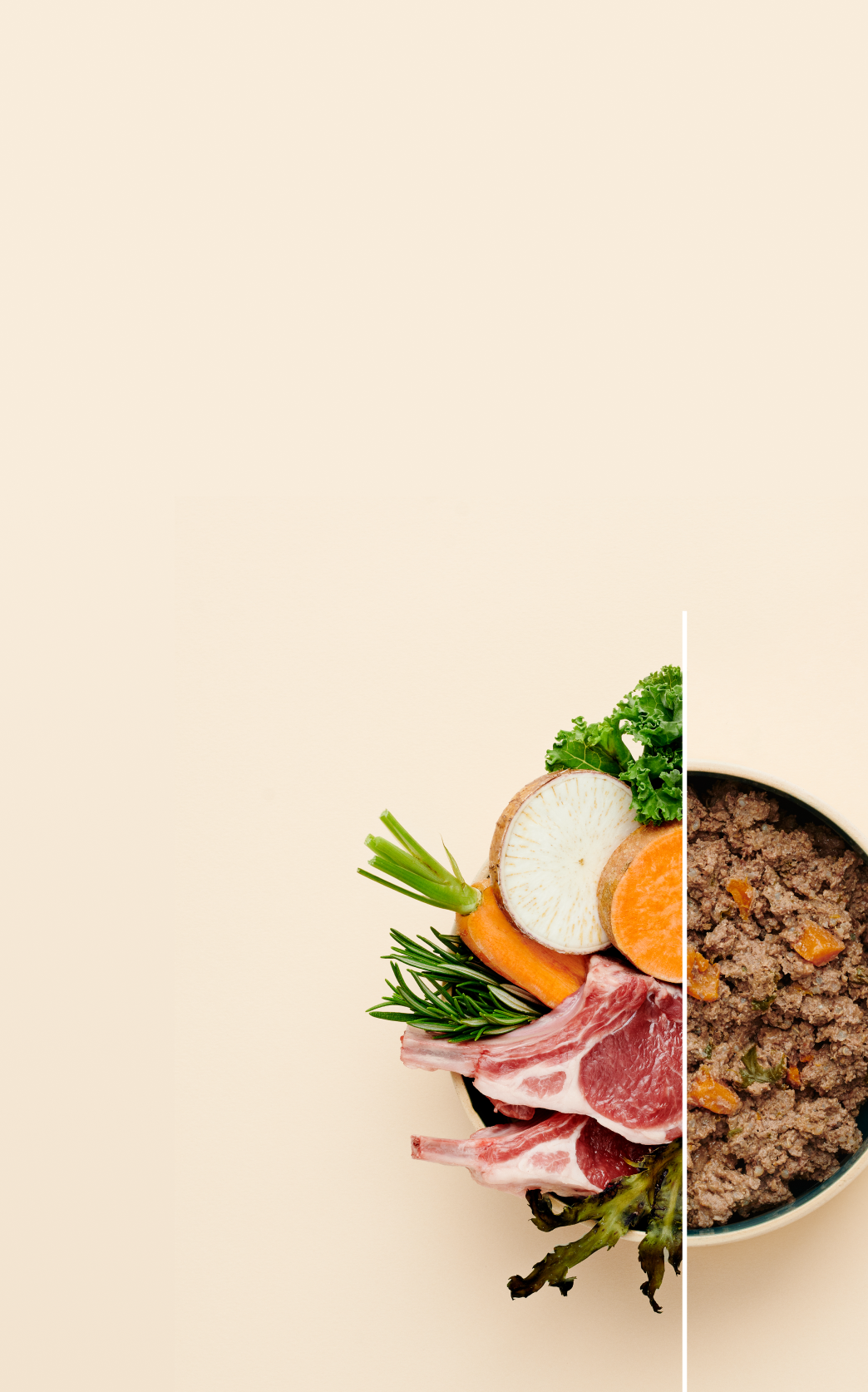
Kibble relies on sprayed-on flavouring to smell appealing. Once that wears off — or if a particular batch is less potent — a sensitive dog notices immediately. Fresh food, made from real meat and vegetables, smells like actual food. That difference alone moves the needle for many fussy dogs.
Aroma is the primary trigger for a dog's appetite. It matters more than appearance or texture for most breeds, and especially for Border Collies, who have a highly developed sense of smell.
Routine and environment
Border Collies are creatures of habit. Feed at irregular times, in a noisy or high-traffic spot, and you will often see food refusal. Set a fixed time, pick a quiet corner, and remove the bowl after 15 minutes whether it's been eaten or not. Repeat at the next meal. Most fussy Border Collies respond to this within a few days.
Free feeding and treat overload
If food is available all day, there's no reason to eat at mealtime. If treats are handed out generously between meals, a smart Border Collie will simply wait for those instead. Structure — two meals a day, no free access, treats only during training — is not unkind. It's what works.
When it might be something else
Occasionally, food refusal signals something medical: dental pain, nausea, a digestive issue, or illness. If your Border Collie has refused food for more than 48 hours, lost weight, or is showing other symptoms alongside the food refusal, see a vet before changing their diet.
What should you look for in food for a fussy Border Collie?
For a Border Collie who turns their nose up at meals, four things matter most in the food itself.
Named, high-quality protein as the first ingredient
Protein drives palatability. A recipe that leads with "chicken" or "beef" — not "meat derivatives" or "animal by-products" — contains more of what a dog's palate is actually drawn to. Border Collies also need plenty of protein to fuel their energy output. Aim for a food where meat is the primary ingredient by weight. Different protein sources suit different dogs — if your Collie has been eating chicken-based food for months, switching to beef or lamb can reignite interest immediately.
No fillers
Fillers — cheap carbohydrates like maize, wheat, and soy used to bulk out a recipe — dilute the meat content and reduce palatability. A fussy dog is less likely to eat a meal that's mostly cereal. Check the ingredients list: if grains or starches appear in the first three ingredients, the meat content is lower than it looks.
If you're not sure how to decode a dog food ingredients list, looking at where the named meat appears and how many starch ingredients follow it gives you a quick read on quality.
Good moisture content
Kibble typically contains around 10% moisture. Fresh food sits closer to 70-75%. That higher moisture content makes the food softer, more aromatic, and more similar to what a dog's diet would naturally look like. For fussy eaters, this is a practical advantage — it's a format that actually smells and tastes like food.
Digestive support built into the recipe
Some Border Collies who appear fussy are actually reacting to food that causes low-level digestive discomfort. They don't refuse food because they're being awkward — they refuse it because it doesn't make them feel good. Ingredients like chicory root (a natural prebiotic that feeds beneficial gut bacteria) and linseeds (which support healthy digestion) can make a meaningful difference here. Marleybones Pantry Fresh meals include chicory root, linseeds, and other superfoods as standard — with no preservatives added to the recipe.
Is fresh food the best format for a fussy Border Collie?
For most fussy Border Collies, yes — and the reason is practical, not just aspirational. Fresh food is more palatable. That's the core fact. When a dog that has been ignoring kibble for days clears a bowl of fresh food in minutes, the format is doing the work.
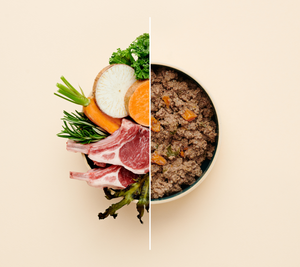
The concern most owners have is convenience. Fresh-frozen food requires freezer space and forward planning. That's a real barrier. Pantry-fresh is a different format: meals are freshly prepared, sealed raw, and slow-cooked inside the pouch. No freezer needed, no thawing overnight — the full range stores in a cupboard until you're ready to use it.
If you're comparing formats before committing, the differences between fresh food and dry kibble are worth understanding — particularly around protein digestibility and moisture content, both of which affect how much a dog actually wants to eat.
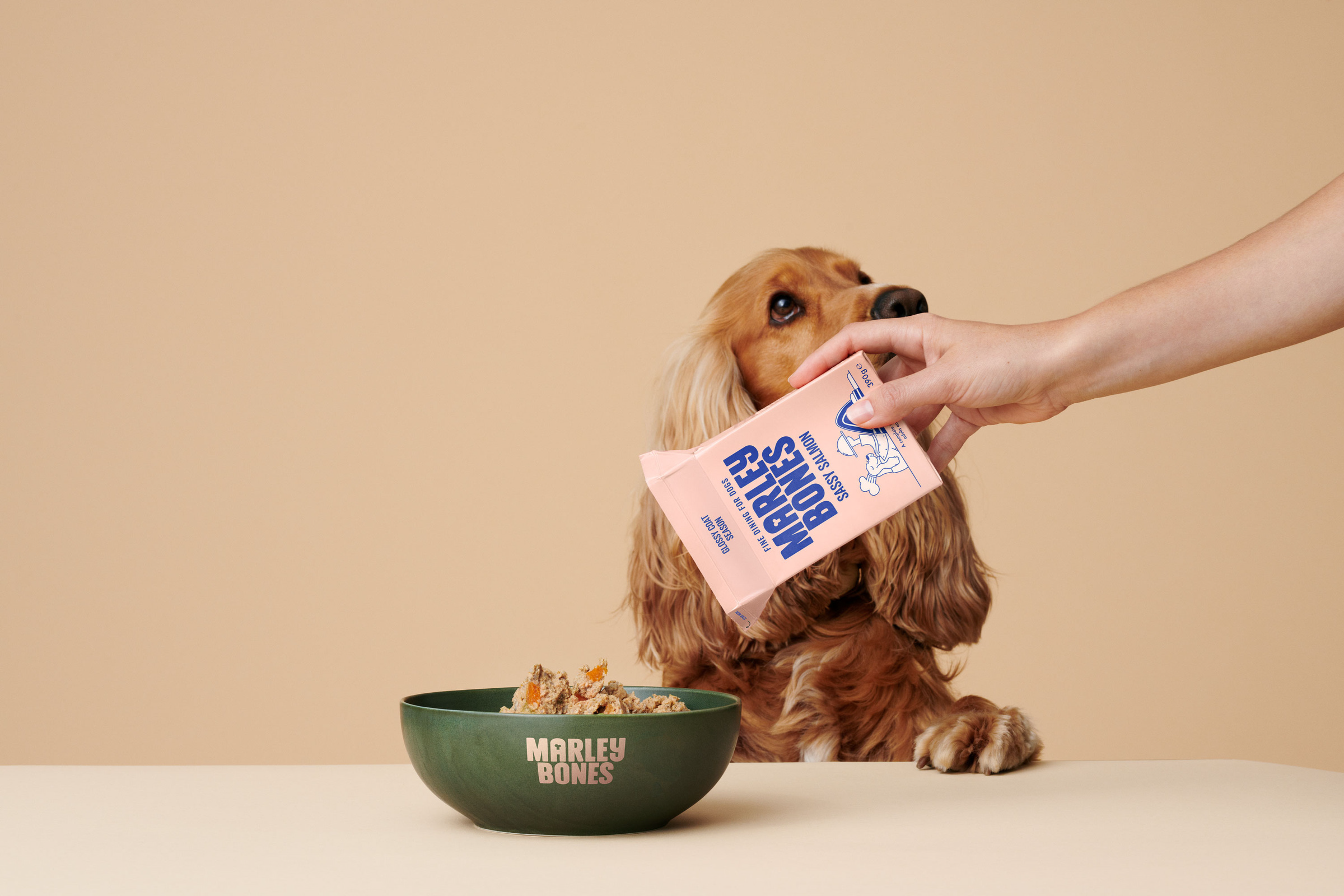
Marleybones Sassy Salmon is worth considering for a Border Collie who's gone stale on their usual protein — salmon is a novel flavour for most dogs who've been eating chicken or beef, and it's rich in omega-3 fatty acids that support coat health and calm inflammation. Loved by 9 in 10 fussy dogs based on customer data across all four recipes.
Switching food formats does require a short transition period to avoid digestive upset. Moving gradually over 7-10 days — mixing increasing proportions of the new food with the old — is the standard approach and prevents most stomach issues.

“Such a relief to see her enjoying her food”
FAQs
Why is my Border Collie suddenly refusing food?
Sudden food refusal in a Border Collie is most commonly linked to a change in routine, a new stressor in the environment, or a batch of food that smells different to usual. If the refusal lasts more than 48 hours or is accompanied by other symptoms — lethargy, vomiting, or weight loss — consult a vet. In most cases, re-establishing a fixed meal schedule and removing access to food between meals resolves the issue within a few days.
What is the best food format for a fussy Border Collie?
Fresh food — whether pantry-fresh or frozen raw — consistently outperforms kibble for palatability. The higher moisture content and stronger natural aroma from real meat ingredients make it far more appealing to reluctant eaters. If freezer management is a concern, pantry-fresh formats offer the same palatability benefit without requiring frozen storage.
Should I add anything to my Border Collie's food to make them eat?
Toppers like warm water, a small amount of bone broth, or a spoonful of wet food can help bridge the gap when transitioning food or re-engaging a fussy dog. Use them as a short-term tool — not a permanent fix — and avoid relying on treats to compensate for skipped meals. That pattern reinforces the fussy behaviour rather than resolving it.
How do I know if my Border Collie's fussiness is medical?
Behavioural fussiness tends to be selective — a dog who refuses their bowl but happily takes treats is almost certainly not unwell. Medical food refusal looks different: the dog shows no interest in food at all, including high-value items, and is often accompanied by other signs like low energy, digestive upset, or changes in drinking. That picture warrants a vet visit, not a food change.
Does Marleybones work for fussy Border Collies specifically?
Marleybones was developed with fussy eaters in mind — all four recipes are FEDIAF compliant, complete for all life stages, and made without fillers that reduce palatability. The Pantry Fresh format means the food retains the aroma and texture of genuinely fresh ingredients, which is the primary driver of improved appetite in reluctant eaters. Customer data shows 9 in 10 fussy dogs take to Marleybones meals — Border Collies included.
Can I feed Marleybones to a Border Collie puppy?
Yes. All Marleybones recipes are complete for all life stages, including puppies. Border Collie puppies have high energy and growth demands — a complete fresh food diet supports both without needing separate puppy-specific formulas. Portion sizes should be adjusted for age and weight; the feeding guide on each pack is the right starting point.
“A complete game changer!!”


 Give your dog the quality nutrition they deserve
Real meat, wholesome veggies and functional superfoods.
Get 30% off: Take the quiz