




 Vet reviewed
What is the best dog food for Border Collies?

At a glance
- Border Collies thrive on fresh, whole-ingredient food built around a high-quality protein - the breed's exceptional energy output and lean muscle mass mean that protein quality and caloric density both need to match their activity level.
- Hip and elbow problems are common in Border Collies as they age, and a diet rich in omega-3 fatty acids from oily fish provides meaningful joint support from the inside.
- Border Collies are a lean, athletic breed - weight creep is less of a concern than underfeeding, but portion adjustment based on actual activity level matters more for this breed than for less active dogs.
- Coat condition in Border Collies is directly tied to dietary fat quality - the double coat needs named animal fats and omega-3s to stay dense, weatherproof, and free of dry skin.
- Border Collies are working dogs at heart, and a diet with sustained energy from whole-food ingredients supports both physical output and the mental stamina the breed demands.
What is the best diet for a Border Collie?
Fresh, minimally processed food built around a high-quality animal protein is the most appropriate diet for most Border Collies. The breed is lean, highly active, and metabolically demanding - their digestive system needs to extract maximum nutrition from every meal, and the quality of ingredients determines how well that happens.
Dry kibble is processed at high temperatures that degrade protein structure and strip moisture, leaving around 10% water content compared to the 65-75% found in fresh dog food. For a breed that burns through energy, that difference in bioavailability is not trivial - a Border Collie eating fresh food with intact proteins and natural moisture is better placed to sustain the muscle condition and energy levels the breed requires than one eating an equivalent calorie count from heavily processed dry food.
The practical checklist for a good Border Collie food is a named protein source you can read on the label, omega-3 fatty acids to support joints and coat, no artificial additives or cheap fillers, and portions calibrated to actual daily activity rather than a static feeding guide. Marleybones Pantry Fresh meals are vet-developed, built from whole ingredients slow-cooked in-pack, and contain no artificial preservatives or fillers - a sound fit for a breed where nutritional quality has a direct effect on physical performance.
Do Border Collies need more protein than other breeds?
Border Collies need high-quality protein consistently, not just in large quantities. The breed's lean muscle mass requires a steady supply of bioavailable amino acids to maintain condition, and the source and structure of that protein matters as much as the percentage on the label.
A well-muscled working or sport Border Collie benefits from a protein-led diet where the named animal source appears first on the ingredient list and is not diluted by large quantities of grain or vegetable filler. Protein that has been extruded at high temperatures - as in standard dry kibble - is partially denatured, making it less usable by the body than the same protein cooked gently at lower temperatures. Fresh food retains more of the protein's natural structure, which translates directly to better muscle maintenance and recovery in an active breed.
For Border Collies that are less active - older dogs, those recovering from injury, or house dogs that do not get the exercise the breed needs - protein quality remains important, but total caloric intake needs monitoring. A dog eating a high-protein fresh food but not burning the calories will still gain weight.
How does diet support a Border Collie's joints?
Omega-3 fatty acids from oily fish are the most evidence-backed nutritional support for Border Collies prone to hip dysplasia and elbow problems. EPA and DHA reduce systemic inflammation, slow cartilage degradation, and support the joint fluid that keeps movement comfortable - effects that build over weeks of consistent feeding rather than appearing overnight.
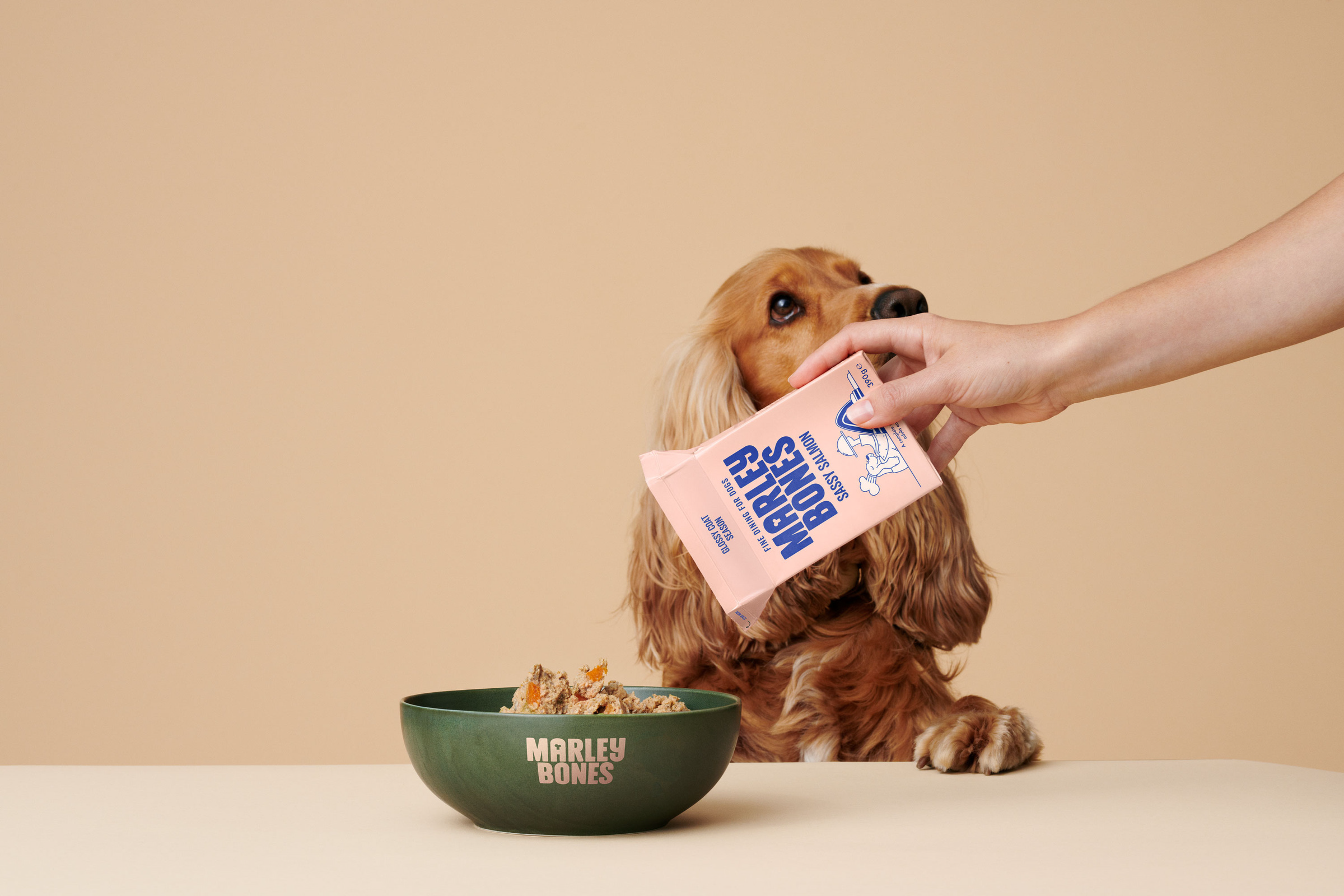
A diet that includes a natural omega-3 source as a genuine ingredient - salmon being the most practical example - provides this support passively with every meal. That is more reliable than adding a supplement to an otherwise poor-quality diet. Marleybones Sassy Salmon provides a natural source of EPA and DHA from whole salmon alongside clean, identifiable ingredients, making it a useful everyday food for Border Collies with joint concerns or a family history of hip dysplasia.
Diet alone cannot prevent or reverse structural joint disease. If your Border Collie is showing signs of stiffness, lameness, or discomfort on movement, a vet assessment is the right first step before adjusting food. Nutritional support works best as a long-term complement to appropriate exercise management and veterinary care.

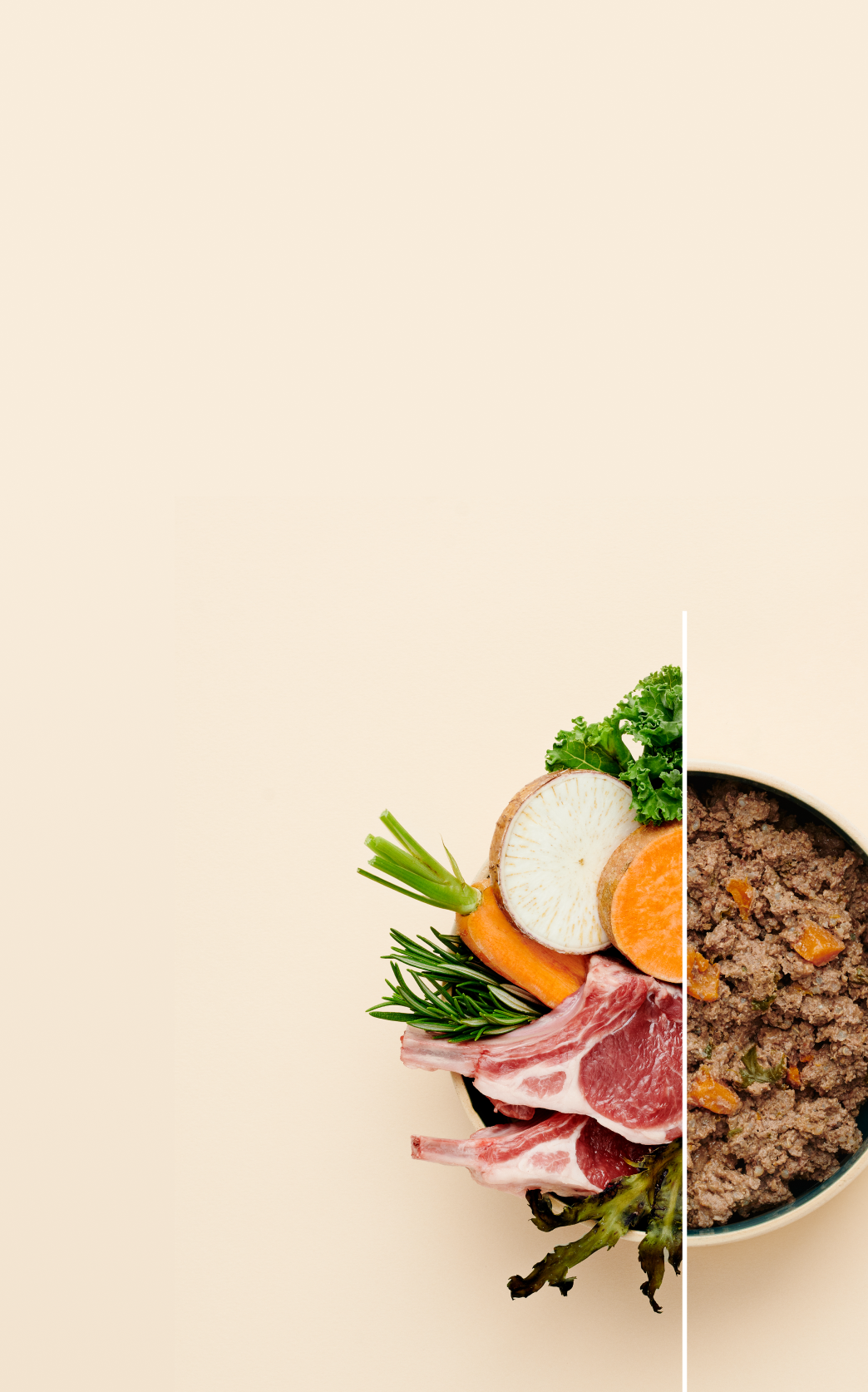
Freshly prepared British chicken, veggies & superfoods
What protein is best for a Border Collie?
Salmon and lamb are the strongest protein choices for most Border Collies. Salmon delivers high-quality protein alongside the omega-3 fatty acids the breed genuinely benefits from for joints and coat condition, making it the most nutritionally complete single choice for this breed. Lamb is a strong alternative for dogs that need a red meat option - it is lower allergenicity than beef and sits well with dogs that have any history of digestive sensitivity.
Chicken and beef are widely used proteins that most Border Collies tolerate without issue, but dogs that have eaten the same protein for years are more likely to develop a sensitivity to it over time. If your Border Collie has recurring digestive symptoms or skin irritation, rotating to a novel protein is the most straightforward intervention before exploring other causes.
Single-protein meals make it easier to identify what a dog tolerates well and what causes issues. Marleybones Lush Lamb is a single-protein recipe built around whole lamb with chicory root as a natural prebiotic - a practical option for active Border Collies on a red meat diet that also supports gut health during any transition.
How much should I feed a Border Collie?
Adult Border Collies typically weigh between 14 and 20kg, but body condition and daily activity level are more reliable guides to portion size than weight alone. A dog doing two hours of active exercise daily needs meaningfully more food than one getting a 45-minute lead walk. Feeding guides are a starting point - adjust based on what you can feel and see.
The ribs should be easy to feel without pressing, and there should be a visible waist when looking down from above. In a highly active Border Collie, visible rib definition is normal and not a cause for concern. In a less active dog, the same outline can tip into underweight if portions are not adjusted upward. Switching from kibble often requires recalibrating expectations - fresh food is more satiating per calorie, and dogs that were eating large volumes of dry food do not need the same volume of fresh food to feel satisfied.
Split the daily portion across two meals for adult dogs. Border Collie puppies grow quickly and need three to four smaller meals daily until around six months. Every dog is different - build your personalised Marleybones feeding and health plan tailored to your dog's age, size, and health requirements.
How do different dog food formats compare for Border Collies?
Fresh dog food is the most digestible and nutritionally complete format for most Border Collies, combining whole ingredients with low processing and the moisture content an active breed benefits from. Here is how the main formats compare for this breed specifically.
| Format | Moisture content | Processing level | Verdict for Border Collies |
|---|---|---|---|
| Fresh (Pantry Fresh) | 65-75% | Minimal - slow low-temperature cooking | Best option - whole ingredients, supports muscle condition, joints, and coat |
| Raw | 65-75% | None | Works for some active dogs - bacterial safety and balanced nutrition require careful management |
| Wet / canned | 75-85% | Moderate | Better than kibble - ingredient quality varies widely, insufficient protein density for very active dogs |
| Cold pressed | Around 12% | Low - below extrusion temperatures | Decent middle ground - better protein integrity than kibble, lower moisture than fresh |
| Dry kibble | Around 10% | High - high-temperature extrusion | Hardest to digest - denatured protein and low moisture make it the weakest option for an active breed |
FAQs
How often should I feed my Border Collie?
Twice daily is the standard for adult Border Collies, splitting the daily portion into a morning and evening meal. It steadies energy levels better than a single large feed and suits the breed's active metabolism. Puppies under six months need three to four smaller meals a day to support growth.
Can diet help with a Border Collie's energy levels?
Yes - the source of that energy matters. Whole-food ingredients provide sustained energy release compared to the fast-burning starches that make up the bulk of many dry kibbles. A Border Collie fuelled on a high-quality protein diet with natural fats and complex carbohydrates maintains steadier output across a long working or exercise day than one eating a high-starch processed food.
Do Border Collies get itchy skin?
Skin irritation in Border Collies is frequently diet-related - either a reaction to a specific protein the dog has eaten for a long time, or a deficiency in omega-3 fatty acids that leaves the skin barrier compromised. The double coat can mask early signs of dryness or irritation, so persistent scratching or dull coat condition is worth taking seriously. Switching to a diet formulated for itchy or sensitive skin built around a novel protein and a natural omega-3 source resolves most dietary skin reactions within six to eight weeks.
Is grain-free food better for Border Collies?
Not automatically. Grains are not inherently problematic for Border Collies, and a dog reacting to wheat in low-quality kibble may tolerate whole oats or brown rice in a fresh, minimally processed meal without any issue. The more important question is whether the food is built around a quality animal protein or padded out with cheap fillers - grain or otherwise. Grain-free foods that replace cereal with large quantities of peas or lentils are not automatically a nutritional improvement.
Is Marleybones Pantry Fresh good for Border Collies?
Yes. Marleybones Pantry Fresh meals are vet-developed, built from whole ingredients with no artificial preservatives or fillers, and available in single-protein recipes that suit an active, lean breed. With over 2,000,000 meals delivered and a 4.9/5 Trustpilot rating, they are a practical everyday food for Border Collies - Sassy Salmon in particular provides natural EPA and DHA for joint and coat support alongside the high-quality protein the breed's muscle condition requires.
My Border Collie is a working dog - does that change what I should feed them?
A working Border Collie covering significant ground daily has higher caloric and protein requirements than a pet dog of the same weight. The principles remain the same - high-quality protein, natural fats, omega-3 support - but portions need to reflect actual energy expenditure. Fresh food makes this easier to calibrate because the higher moisture content means the dog is not eating large, dry volumes to meet caloric needs, and body condition can be monitored and adjusted week to week.
How long before I see a difference after switching my Border Collie's food?
Stool quality and digestion typically improve within two to four weeks of switching to a fresh, whole-ingredient diet. Coat condition and skin health take six to eight weeks to reflect dietary changes. Muscle condition and sustained energy in a working or sport dog can take eight to twelve weeks to assess reliably. If there is no meaningful improvement after four weeks on a consistent diet, see a vet to explore whether the cause is dietary or something else.

“A complete game changer!!”


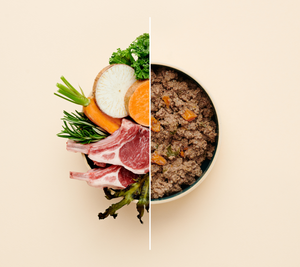 Give your dog the quality nutrition they deserve
Real meat, wholesome veggies and functional superfoods.
Get 40% OFF today