


 Vet reviewed
Fresh dog food vs dry dog food – which is better for your dog?

Key takeaways
- Select fresh food for higher digestibility and natural nutrition.
- Use dry food for convenience and long shelf life.
- Gradually transition to fresh food over 7–14 days to avoid digestive upset.
- Consider your dog's preferences, age, and health needs when choosing food.
- Consult your vet to ensure balanced nutrition for your pet.

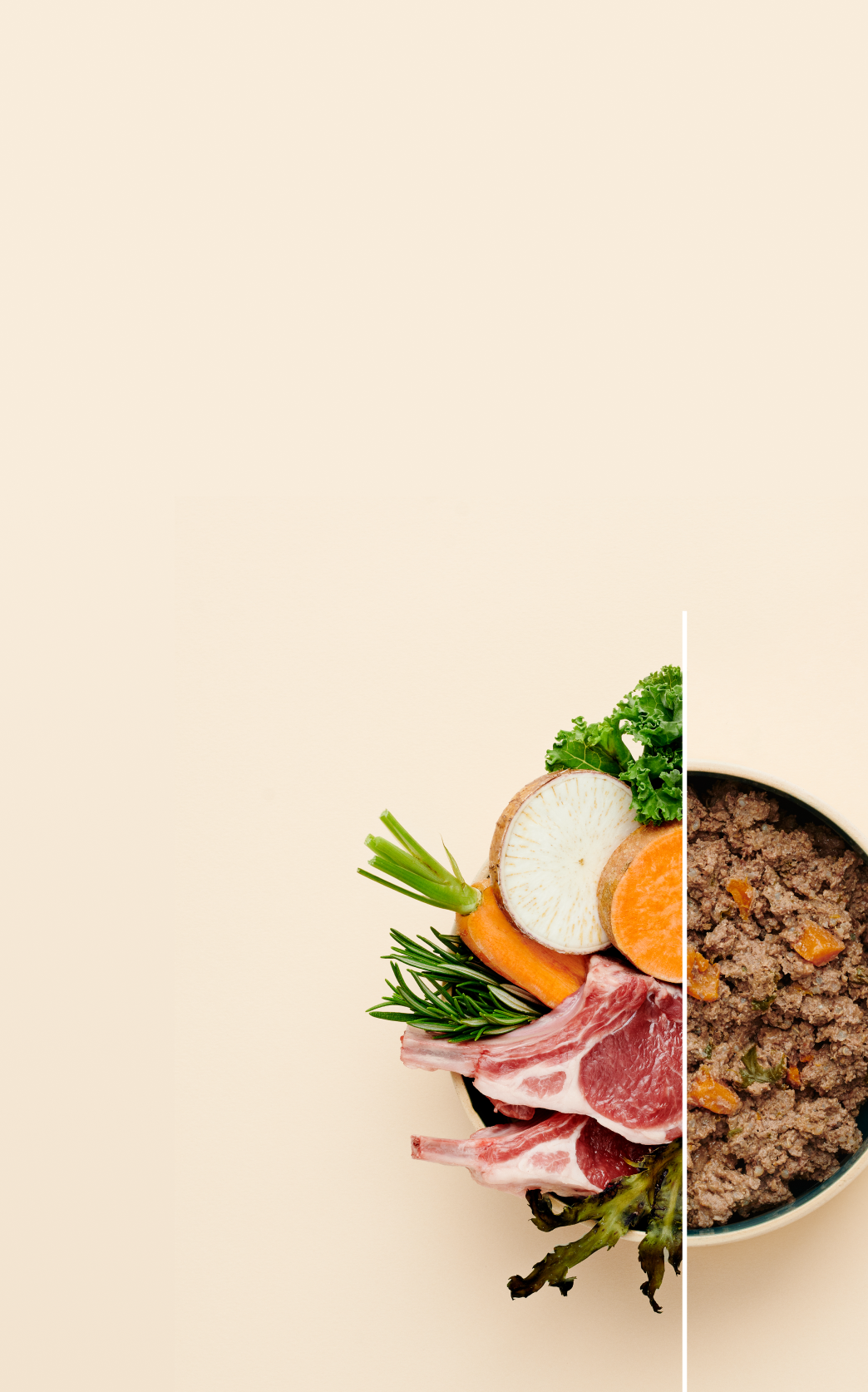
Freshly prepared British beef, veggies & superfoods
What is fresh dog food and what is dry dog food?
Fresh dog food is made from gently cooked, whole, human-grade ingredients, while dry dog food (kibble) is created from processed, shelf-stable pellets made using blends of proteins, grains, and preservatives.
Fresh dog food typically features minimally processed meats, vegetables, and grains gently cooked to protect nutrients and moisture. This produces a meal that looks, smells, and tastes like real food—quite different from the uniform pellets of traditional dry dog food. Meals such as Marleybones Pantry Fresh® are crafted with real ingredients, slow-cooked in their own packs to preserve flavour and nutrition, and designed to deliver balanced nourishment for every life stage.
Dry dog food, also known as kibble, is produced by blending ingredients and cooking them at high temperatures through extrusion. The finished product is dry, crunchy, and can last for months in the cupboard due to added preservatives. Many owners choose it for convenience and long shelf life, though fresh alternatives are often preferred for dogs needing improved digestibility or enhanced flavour.
Ultimately, the food you choose will depend on your lifestyle—such as how you store food at home and the simplicity you prefer at feeding time—as well as your dog’s preferences, sensitivities, and age.
What are the key differences between fresh dog food and dry dog food?
Fresh dog food uses real, minimally processed ingredients and gentle cooking methods to preserve nutrients, while dry dog food is made from processed blends cooked at high heat. The two differ in nutrition, digestibility, convenience, and taste.
The main distinction lies in the recipe and preparation process. Fresh meals, such as Marleybones Pantry Fresh®, use natural meats and vegetables slow-cooked in packaging to retain vitamins and naturally high moisture levels—typically 70–80%. Dry dog food is made through high-heat extrusion, which extends shelf life but can reduce nutrient density and moisture to 10% or less.
These contrasts play out in several ways:
- Ingredients: Fresh, transparent whole foods versus processed ingredient blends.
- Processing: Gentle slow-cooking (retains protein quality and nutrients) versus high-heat extrusion (may damage nutrients).
- Nutritional value: More bioavailable nutrients, higher digestibility (up to 40% more), and natural palatability in fresh food.
- Convenience: Dry food offers easy storage and portion control, while Marleybones Pantry Fresh® combines the convenience of shelf stability with the freshness of slow-cooked meals tailored to your dog’s individual needs.
- Digestibility: Fresh recipes are easier for dogs to digest and may include prebiotic ingredients such as chicory root and yucca to support gut health.
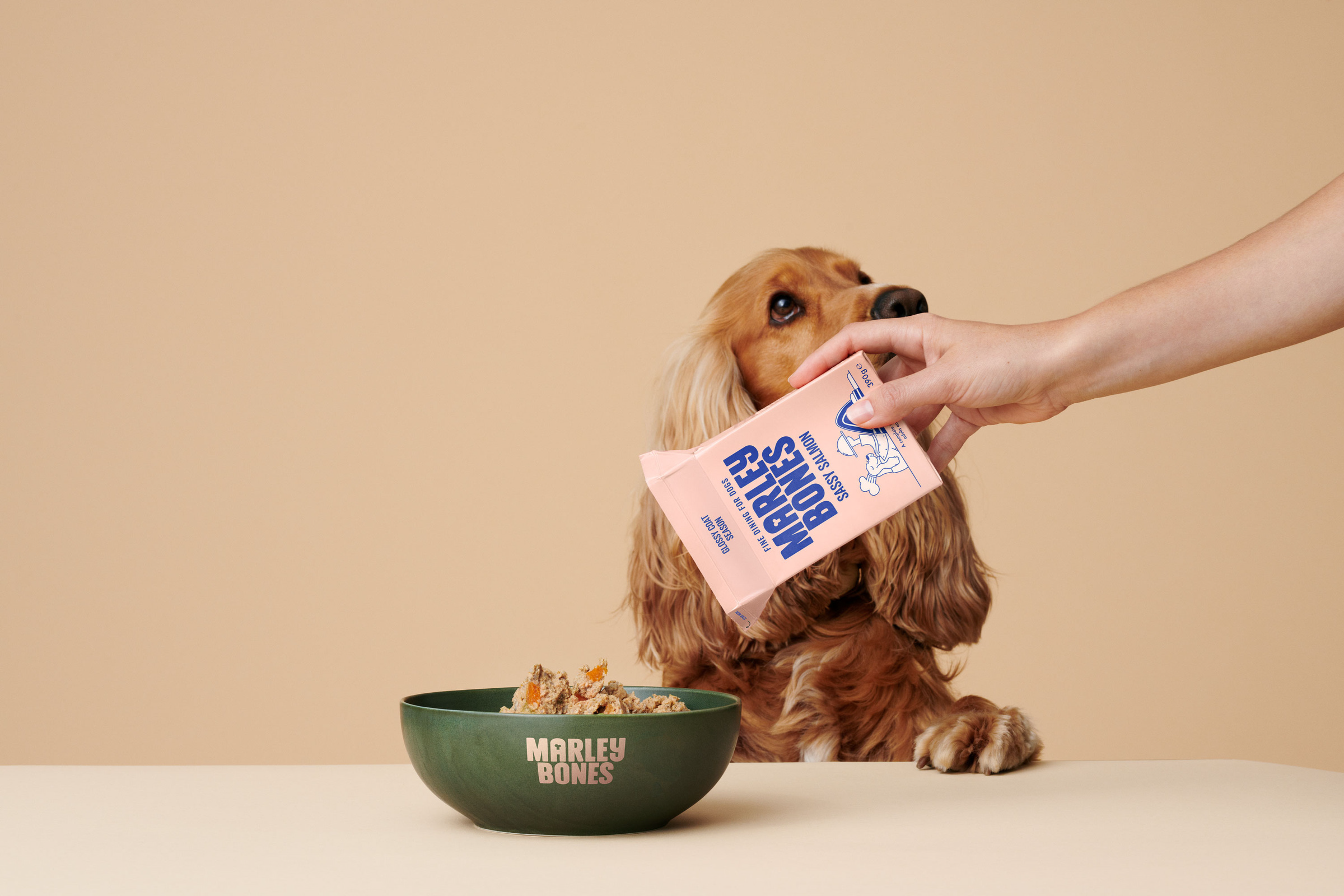
- Palatability: Dogs usually prefer the aroma and taste of fresh food, including Marleybones’ Chic Chicken or Sassy Salmon, over dry kibble.
For dog owners, the choice often comes down to what fits their lifestyle best and what keeps their dog satisfied, healthy, and happy.

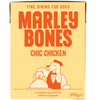
Freshly prepared British chicken, veggies & superfoods
How does Marleybones’ Pantry Fresh® approach redefine fresh feeding?
Marleybones Pantry Fresh® meals are gently slow-cooked in their packaging using high-quality ingredients, delivering a fresh, shelf-stable, and nutritionally complete meal for every life stage.
Marleybones brings a unique perspective to fresh feeding through its Pantry Fresh® range. Unlike other fresh options that require refrigeration or freezing, Pantry Fresh® meals are slow-cooked and sealed in their packs, preserving nutrition and freshness on your cupboard shelf—without artificial preservatives.
Ingredients are always traceable, including lean meats, fresh vegetables, and prebiotic fibres such as chicory root and yucca. Because each recipe is developed with veterinary support, Marleybones ensures that every variant—like Chic Chicken, Boss Beef, Lush Lamb, or Sassy Salmon—delivers complete, balanced nutrition for puppies, adults, and senior dogs alike.
For additional wellbeing, Marleybones also offers supplements such as the Gut Health Supplement and Omega Oil to support digestion, skin, coat, and joint health. Each Pantry Fresh® meal box is portioned to your dog’s individual needs, making mealtimes balanced and effortless. You can take our quiz to discover your dog’s personalised meal plan.

“No stinky poos and clean bowls every time”
Which is better for your dog — fresh dog food or dry dog food?
The best choice depends on your dog’s age, activity level, sensitivities, and your household routine, but fresh dog food is often chosen for its superior digestibility, nutrition, and mealtime enjoyment.
Factors such as breed, age, and daily activity should guide your decision. Fresh dog food provides naturally high moisture content and is easier to digest, particularly for puppies, seniors, or dogs with sensitive stomachs. Marleybones’ inclusion of prebiotic fibres like chicory root and yucca supports healthy digestion and balanced gut flora. Dry dog food offers convenience for busy homes but may be less appealing for selective eaters or dogs who need more tailored nutrition.
Consider your lifestyle: Marleybones Pantry Fresh® meals store easily in your cupboard without refrigeration and arrive pre-portioned for your dog’s exact needs, offering both precision and simplicity. The key is to select the balance of freshness, nutrition, and ease that suits you and your companion best.
If you’re planning to transition to a fresh diet, switch gradually over 7–14 days to minimise digestive upset—start by mixing a small amount of fresh food with their regular meals, increasing the portion each day. Always consult your vet to ensure your dog’s unique needs are met. Every dog is different, and the best choice is the one that keeps them happiest and healthiest in your care.
The final woof
Choosing the right food for your dog plays a vital role in their wellbeing. Fresh dog food, such as Marleybones Pantry Fresh®, provides superior digestibility and nutrition, while dry dog food offers straightforward storage. Weigh your dog’s individual needs alongside your household routine. Introduce any dietary changes slowly and consult your vet for reassurance. In the end, the ideal diet is one that nurtures your dog’s health and fits seamlessly into your life.

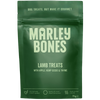
Freshly prepared British lamb, veggies & superfoods
FAQ
What are the main benefits of fresh dog food compared to dry?
Fresh dog food offers higher digestibility, greater hydration, and naturally bioavailable nutrients due to minimal processing and the use of real ingredients.
Many dogs experience improvements in digestion, skin condition, and coat shine when fed a gently cooked, nutrient-dense diet.
Is fresh dog food safe for all dogs?
When balanced and correctly prepared, such as Marleybones’ Pantry Fresh® meals, fresh dog food is suitable for puppies, adult dogs, and seniors.
Always choose complete and balanced recipes to meet your dog’s nutritional needs, and seek veterinary advice if your pet has specific health concerns.
How do I switch my dog from dry food to fresh meals?
Transition gradually by mixing small, increasing amounts of fresh food with your dog’s usual meals over 7–14 days.
This gentle approach helps prevent digestive upset and allows your dog to get used to the new flavours and texture.
Can I mix fresh dog food with kibble?
It’s safe to mix fresh and dry foods, as long as the combined diet remains balanced and digestible for your dog.
This method can add variety and help guide your dog toward a fully fresh diet if preferred.
How long does Marleybones’ Pantry Fresh® food last once opened?
After opening, Marleybones Pantry Fresh® meals should be stored in the fridge and enjoyed within 2–3 days.
When unopened, Pantry Fresh® meals stay shelf-stable for months thanks to the unique slow-cooking and sealed packaging process.


 Give your dog the quality nutrition they deserve
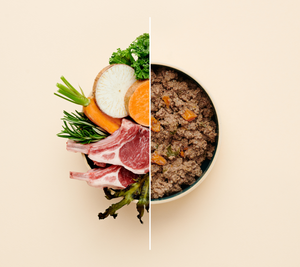
Real meat, wholesome veggies and functional superfoods.
Get 30% off: Take the quiz