



 Vet reviewed
What is the best dog food for a Treeing Walker Coonhound?

At a glance
- Treeing Walker Coonhounds do best on fresh, whole-ingredient food built around a high-quality animal protein - the breed's athletic build and high energy output mean nutrient density and digestibility matter more than calorie volume alone.
- Chicken and beef are the proteins most commonly cycled through working and hunting hounds, increasing the chance of sensitivity developing over time - lamb and salmon are stronger starting points for dogs with digestive or skin issues.
- Joint and musculoskeletal health is the breed's primary long-term dietary concern, and omega-3 fatty acids from oily fish are one of the most practical nutritional supports available.
- Treeing Walker Coonhounds are deep-chested dogs with a meaningful risk of bloat - portion structure, feed timing relative to exercise, and meal frequency all directly reduce that risk.
- Coat condition in this breed is a reliable indicator of dietary fat quality - a dull, coarse coat on a well-groomed Treeing Walker Coonhound is worth addressing at the food bowl first.
What is the best diet for a Treeing Walker Coonhound?
Fresh dog food built around a single, high-quality animal protein with controlled portions and structured meal timing is the most appropriate diet for most Treeing Walker Coonhounds. The breed was developed for sustained endurance work - tracking, treeing, and covering significant ground - and that athletic heritage creates genuine nutritional requirements that heavily processed, low-moisture kibble handles poorly.
The case for fresh food in this breed is practical. Fresh food delivers whole, identifiable ingredients with minimal processing, meaning the dog absorbs more from each meal and the digestive system handles it with less effort. Dry kibble contains around 10% moisture and relies on high-temperature extrusion that degrades protein quality - for an active, muscular hound that needs to recover between sessions, the difference in how efficiently those nutrients are absorbed is not trivial.
The practical checklist for a good Treeing Walker Coonhound food: a named animal protein source as the primary ingredient, a natural source of omega-3 fatty acids for joint and coat support, no artificial preservatives or fillers, and a meal structure that reduces bloat risk. Marleybones Pantry Fresh meals are vet-developed from whole ingredients, slow-cooked without artificial additives, and available in single-protein recipes that suit active hounds with any history of sensitivity.
How does the Treeing Walker Coonhound's energy level affect what they should eat?
An active Treeing Walker Coonhound needs food that delivers efficient, usable energy rather than simply high calorie density. The breed's muscle mass and aerobic capacity both depend on high-quality protein for repair and maintenance, and on dietary fat as a sustained energy source - the two macronutrients most likely to be compromised in heavily processed dry food.
Where the Treeing Walker Coonhound differs from genuinely sedentary breeds is in recovery. After a long run, a tracking session, or a working day in the field, muscles are under more repair demand than a breed that spends most of its time on the sofa. Protein bioavailability - how much of the protein in the food the body can actually use - becomes more relevant the more active the dog is. Minimally processed fresh food preserves more of the natural protein structure that the body absorbs efficiently, compared to the denatured proteins produced by kibble extrusion.
For less active or older Treeing Walker Coonhounds, the same food logic applies but portion sizes need reducing. The breed has a strong appetite and will eat readily regardless of their activity level, which makes weight gain a real risk for dogs that have slowed down from a working lifestyle without a corresponding reduction in food.
What joint and skeletal health considerations affect what a Treeing Walker Coonhound should eat?
Supporting joints through diet is worth doing proactively in this breed, not waiting for stiffness or reduced mobility to appear. Treeing Walker Coonhounds put significant repetitive load on their joints through their working gait, and the dietary groundwork for long-term joint health is most effective when it starts early.
Omega-3 fatty acids, specifically EPA and DHA from oily fish, reduce systemic inflammation and support the connective tissue around joints. A diet with a natural source of these - salmon as a primary ingredient rather than a synthetic supplement added to poor-quality food - makes a more consistent difference over time. For dogs already showing early signs of stiffness, an omega-boosting oil alongside the main meal provides an additional targeted source of EPA and DHA.
Maintaining a healthy body weight is the single most effective dietary intervention for joint health in any dog, and the Treeing Walker Coonhound's appetite makes overfeeding easy. Carrying excess weight accelerates joint wear in a breed already placing high mechanical loads on its musculoskeletal system. Portion discipline and regular body condition checks are as important as the food itself.
If a dog is showing progressive joint pain, significant lameness, or is losing muscle mass noticeably, a vet assessment is the right first step before adjusting diet alone.

Freshly prepared British beef, veggies & superfoods
What protein is best for a Treeing Walker Coonhound?
Lamb and salmon are the strongest protein choices for most Treeing Walker Coonhounds, particularly those with any history of digestive sensitivity or those that have eaten chicken or beef continuously for extended periods. Novel proteins are less likely to trigger sensitivity because the immune system has not had repeated exposure to them.
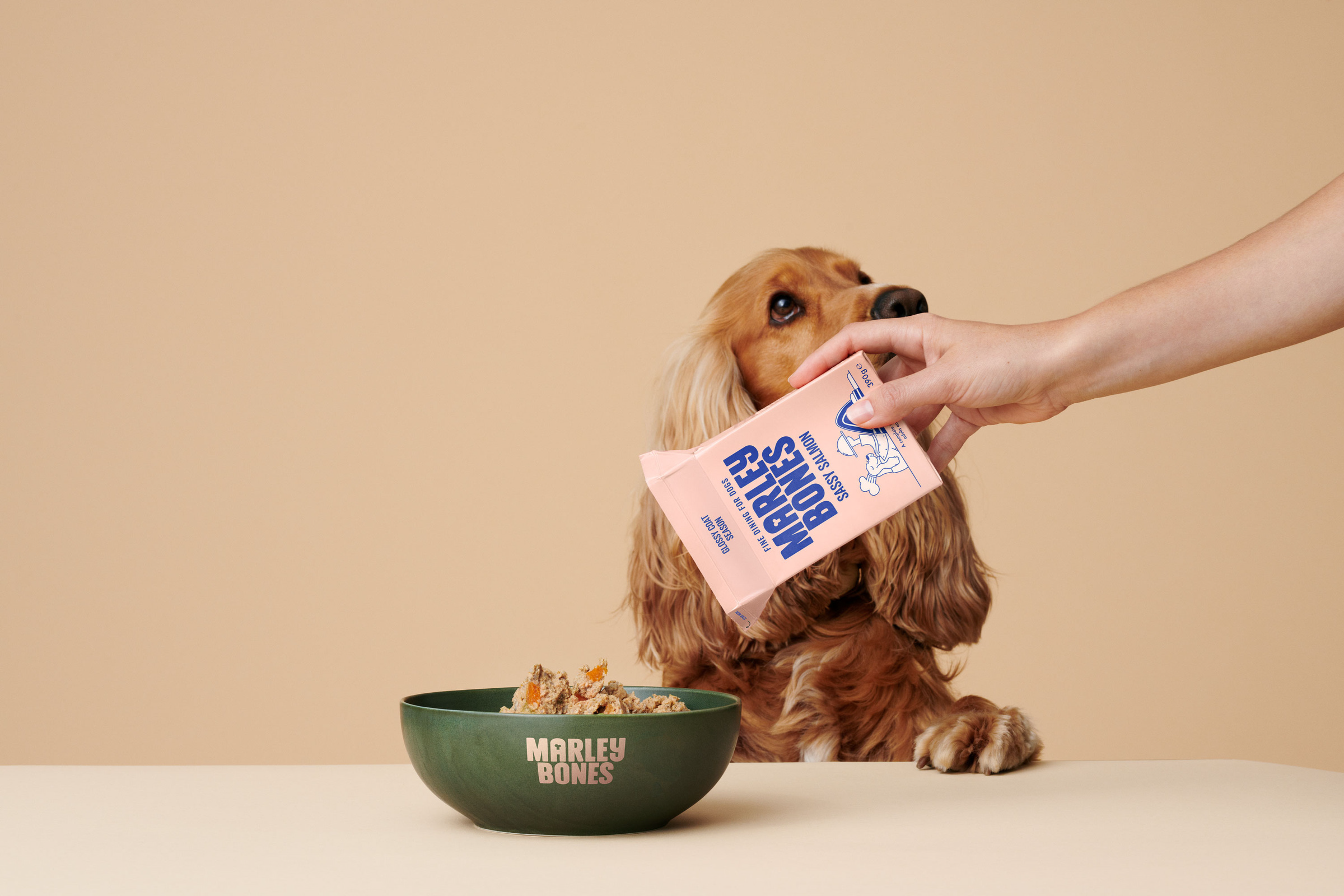
Salmon is the most nutritionally complete option for this breed specifically, providing high-quality protein alongside EPA and DHA omega-3 fatty acids that directly address the joint and coat needs the breed is prone to. Marleybones Sassy Salmon is a single-protein meal built around whole salmon with chicory root as a natural prebiotic - which gives the gut additional support and makes it a strong choice for an active hound needing consistent digestive stability. Lamb is a reliable alternative for dogs that need a red meat option or have already eaten fish regularly - it sits well with reactive guts and is lower in allergenicity than beef.
Single-protein meals make it straightforward to identify what a dog tolerates without the guesswork of multi-protein recipes, which is particularly useful for hounds with intermittent digestive symptoms that have been difficult to pin down.
How should I feed a Treeing Walker Coonhound to reduce bloat risk?
Bloat - gastric dilatation-volvulus, or GDV - is a serious and potentially life-threatening condition that deep-chested breeds including Treeing Walker Coonhounds are structurally predisposed to. Diet and feeding practice are the primary levers available to reduce the risk.
Feed two smaller meals daily rather than one large meal. Do not feed immediately before or after vigorous exercise - allow at least an hour either side. Avoid food that requires the dog to eat rapidly or creates large volumes of gas during digestion, which rules out heavily fermentable fillers and high-starch cheap grain as primary ingredients. Fresh food with whole, digestible ingredients produces significantly less gas during digestion than high-starch kibble that ferments in the gut.
Raised feeding bowls are still sometimes recommended for large deep-chested breeds, but the evidence on whether they reduce or increase bloat risk is genuinely mixed - speak to your vet before making that decision. What is not mixed is the benefit of smaller, more frequent meals and avoiding feeding around exercise. Those two adjustments are the most practical dietary interventions available.
Every dog is different - build your personalised Marleybones feeding and health plan tailored to your dog's age, size, and health requirements.
How do different dog food formats compare for Treeing Walker Coonhounds?
| Format | Moisture content | Processing level | Verdict for Treeing Walker Coonhounds |
|---|---|---|---|
| Fresh (Pantry Fresh) | 65-75% | Minimal - slow low-temperature cooking | Best option - whole ingredients, supports active muscles, joints, and coat; easy to portion for bloat management |
| Raw | 65-75% | None | Works for some - bacterial load a consideration, particularly for working dogs in contact with livestock or children |
| Wet / canned | 75-85% | Moderate | Better than kibble - moisture is useful for an active hound, but ingredient quality varies widely; check the label carefully |
| Cold pressed | Around 12% | Low - below extrusion temperatures | A reasonable middle ground if fresh is not accessible - lower processing than kibble, more digestible |
| Dry kibble | Around 10% | High - high-temperature extrusion | Hardest to digest - lowest moisture, high starch content increases gas production and digestive load; poorest option for this breed |
FAQs
How much should I feed a Treeing Walker Coonhound?
An adult Treeing Walker Coonhound typically weighs between 23 and 32kg, but body condition is a more reliable guide than the scales. You should be able to feel the ribs without significant pressure, and see a visible waist from above. Active working dogs need more than inactive household dogs of the same weight - adjust portions to body condition over six to eight weeks rather than treating the feeding guide as fixed.
Do Treeing Walker Coonhounds have sensitive stomachs?
Some do, particularly dogs that have eaten the same chicken or beef-based food for extended periods. Repeated exposure to the same protein increases the chance of sensitivity developing, and digestive symptoms - loose stools, wind, intermittent vomiting - are often resolved more effectively by switching protein source than by switching brand. A single-protein fresh food based on a novel protein like lamb or salmon is the most straightforward starting point for a hound with recurring digestive issues.
Is Marleybones Pantry Fresh good for Treeing Walker Coonhounds?
Yes. Marleybones Pantry Fresh meals are vet-developed, contain no artificial preservatives or fillers, and are available in single-protein recipes well-suited to active hounds with any history of sensitivity. Sassy Salmon is the strongest choice for Treeing Walker Coonhounds, delivering natural EPA and DHA omega-3s for joint and coat support alongside whole, easily digested ingredients. Loved by 9 in 10 fussy dogs, with over 2,000,000 meals delivered, it is a practical switch for a breed where nutrient quality and digestive stability matter in equal measure.
How do I know if my Treeing Walker Coonhound is a healthy weight?
Use a body condition score rather than relying on weight alone. You should be able to feel the ribs easily without pressing hard, and there should be a visible tuck behind the ribcage when viewed from the side. A Treeing Walker Coonhound that looks rounded through the flanks or where the ribcage is hard to find under fat is overweight, regardless of what the scales say. Excess weight in this breed puts direct load on joints already under working stress, so keeping condition lean is worth prioritising.
When should I feed my Treeing Walker Coonhound relative to exercise?
Allow at least an hour before and after vigorous exercise before feeding. Deep-chested breeds have a structural predisposition to bloat, and feeding around exercise - particularly feeding immediately before a run or working session - is one of the most consistent risk factors. Two meals a day, spaced away from activity, is the safest and most practical feeding structure for this breed.
Does diet affect a Treeing Walker Coonhound's coat?
Directly. The breed's short, dense, glossy coat relies on dietary fat quality to stay in good condition. Named animal fats and omega-3 fatty acids from oily fish are used efficiently by the body; unspecified rendered fats in low-quality processed food are not. A dull or coarse coat on an otherwise healthy, well-groomed Treeing Walker Coonhound is a reliable signal that the current diet is not meeting the breed's fat and micronutrient needs. Coat improvement is usually visible within six to eight weeks of switching to a higher-quality food.
Can I feed my Treeing Walker Coonhound puppy Marleybones Pantry Fresh?
Yes. Marleybones Pantry Fresh meals are complete for all life stages, including puppies. Treeing Walker Coonhound puppies are growing rapidly and benefit from the same whole-ingredient, high-bioavailability nutrition as adults, with portions adjusted for their age and expected adult weight. Puppies under six months need three to four smaller meals daily rather than two, to support steady growth and reduce digestive load at any single feeding.

Freshly prepared British chicken, veggies & superfoods


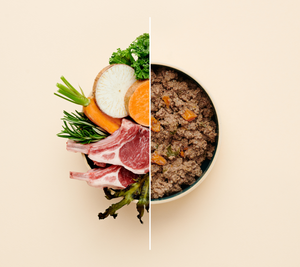 Give your dog the quality nutrition they deserve
Real meat, wholesome veggies and functional superfoods.
Get 30% off: Take the quiz