

 Vet reviewed
What’s the best dog food for a Toy Australian Shepherd?

At a glance
- Toy Australian Shepherds do best on fresh, whole-ingredient food built around a quality protein - their high energy output relative to their small frame means nutrient density matters more than volume, and ingredient quality directly affects stamina, joint health, and coat condition.
- Joint and hip health is a genuine concern in the breed, and a diet with natural omega-3 fatty acids from oily fish actively supports cartilage and reduces systemic inflammation from the ground up.
- Despite their small size, Toy Aussies are working dogs at heart - a diet formulated for toy breeds with low activity levels will not meet their caloric and nutritional demands if they are getting proper daily exercise and mental stimulation.
- Coat condition in Toy Australian Shepherds is a reliable indicator of dietary fat quality - a dull, dry, or shedding coat is often the first signal that the current food is not delivering what the breed needs.
- Portion discipline is important - Toy Aussies are food-motivated and gain weight easily once activity levels drop, which puts additional strain on their joints.
What is the best diet for a Toy Australian Shepherd?
Fresh, minimally processed food built around a single, named protein is the most appropriate diet for most Toy Australian Shepherds. The breed combines the working dog's high nutritional demands with a small-dog body that is sensitive to ingredient quality, meaning what goes into the bowl affects energy, coat, and joint health in ways that are visible within weeks.
Dry kibble is the most commonly fed format but the least well-suited to this breed's needs. Fresh dog food cooked at lower temperatures retains far more of its natural protein structure and micronutrients than high-temperature extruded kibble, and the higher moisture content - 65-75% versus around 10% in dry food - supports digestion and kidney function in a small dog whose system is less forgiving of poor-quality inputs.
The practical checklist for a good Toy Aussie food: a named protein source with no ambiguity on the label, omega-3 fatty acids from a natural source for joint and coat support, no artificial preservatives or fillers, and portion control adjusted to the individual dog's actual activity level. Marleybones Pantry Fresh meals are vet-developed from whole ingredients, slow-cooked in-pack without preservatives, and available in single-protein recipes that address each of these requirements directly.
Do Toy Australian Shepherds need more food than other small dogs?
Yes, in most cases. Toy Australian Shepherds are not low-energy companion dogs in a small package - they are bred from working stock and retain a genuine drive to move, problem-solve, and work. A Toy Aussie that gets proper daily exercise needs meaningfully more calories per kilogram of body weight than a similarly sized dog with a sedentary lifestyle, and a food formulated for low-activity toy breeds will leave an active Toy Aussie under-fuelled.
The more important variable is nutrient density rather than sheer volume. A fresh, whole-ingredient food delivers more usable nutrition per gram than the same calories in highly processed dry food, because the proteins, fats, and micronutrients are in forms the body can actually absorb. Toy Aussies switched from kibble to fresh food regularly show improved stamina and recovery, a direct reflection of better nutrient absorption rather than simply eating more.
Adjust portions to body condition and activity level across six to eight weeks rather than relying on a static feeding guide. The dog's waist and rib definition are a more reliable measure than the scales alone, and they change meaningfully as activity levels vary across seasons or life stages.
How does diet support joint health in Toy Australian Shepherds?
Omega-3 fatty acids from oily fish are the most practical dietary support for joint health in Toy Aussies, reducing the systemic inflammation that accelerates cartilage wear and contributes to stiffness. The breed carries a structural predisposition to hip dysplasia and elbow issues, and while diet cannot alter joint anatomy, it meaningfully affects how the joints perform and how the dog recovers from exercise over time.
Weight management is the other critical piece. Every extra kilogram on a small-framed dog places disproportionate load on the hips, elbows, and stifle joints. Keeping a Toy Aussie lean through appropriate portions is one of the highest-value interventions an owner can make for long-term joint health, and it costs nothing beyond portion discipline.
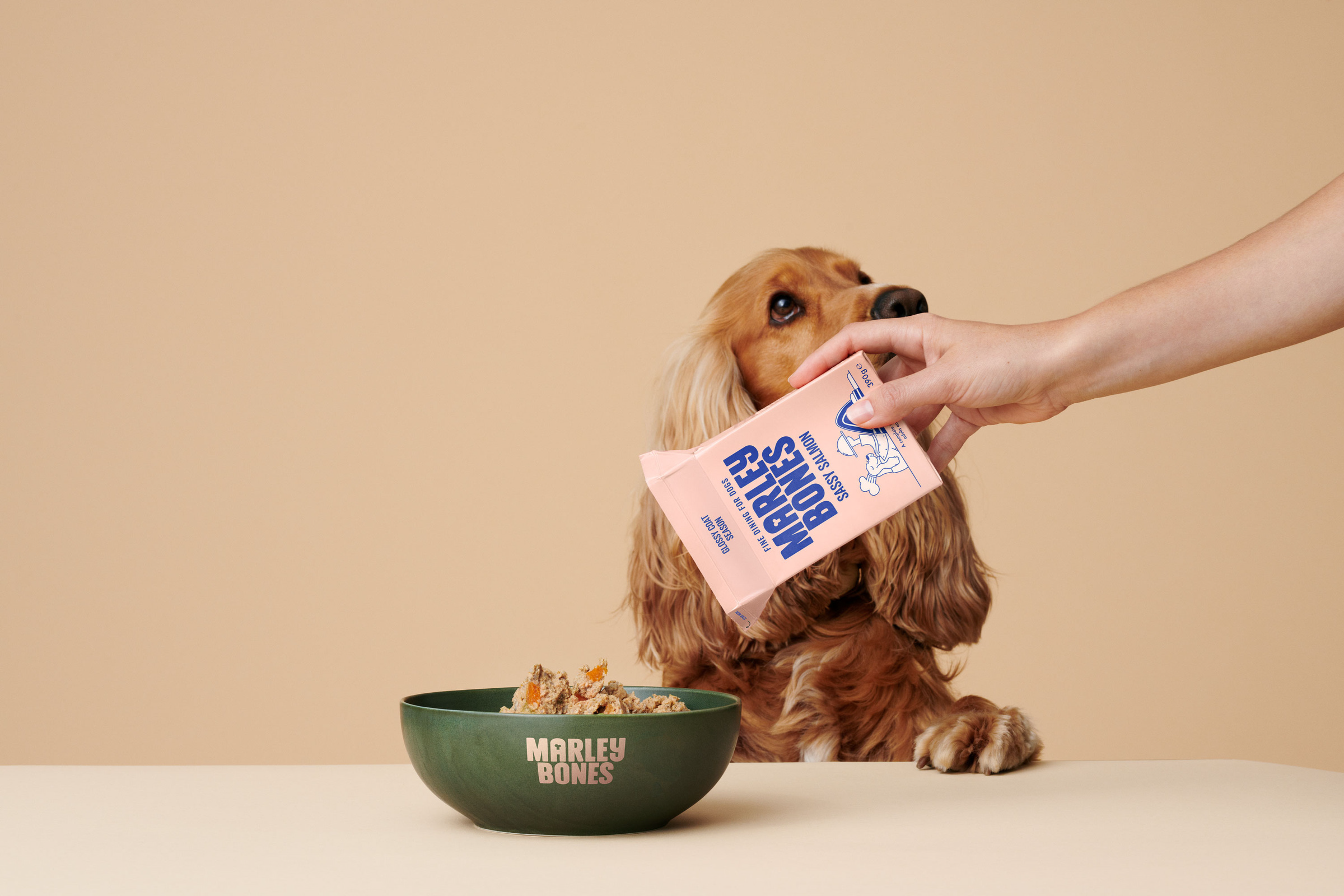
Meals built around salmon - like Marleybones Sassy Salmon - provide EPA and DHA omega-3 fatty acids as a natural ingredient rather than a synthetic addition to an otherwise poor-quality base. For Toy Aussies already showing stiffness or reduced mobility, a dedicated joint supplement alongside a fresh diet gives an additional layer of targeted support. If joint symptoms are significant or worsening, a vet assessment is the right step before adjusting diet or adding supplements.

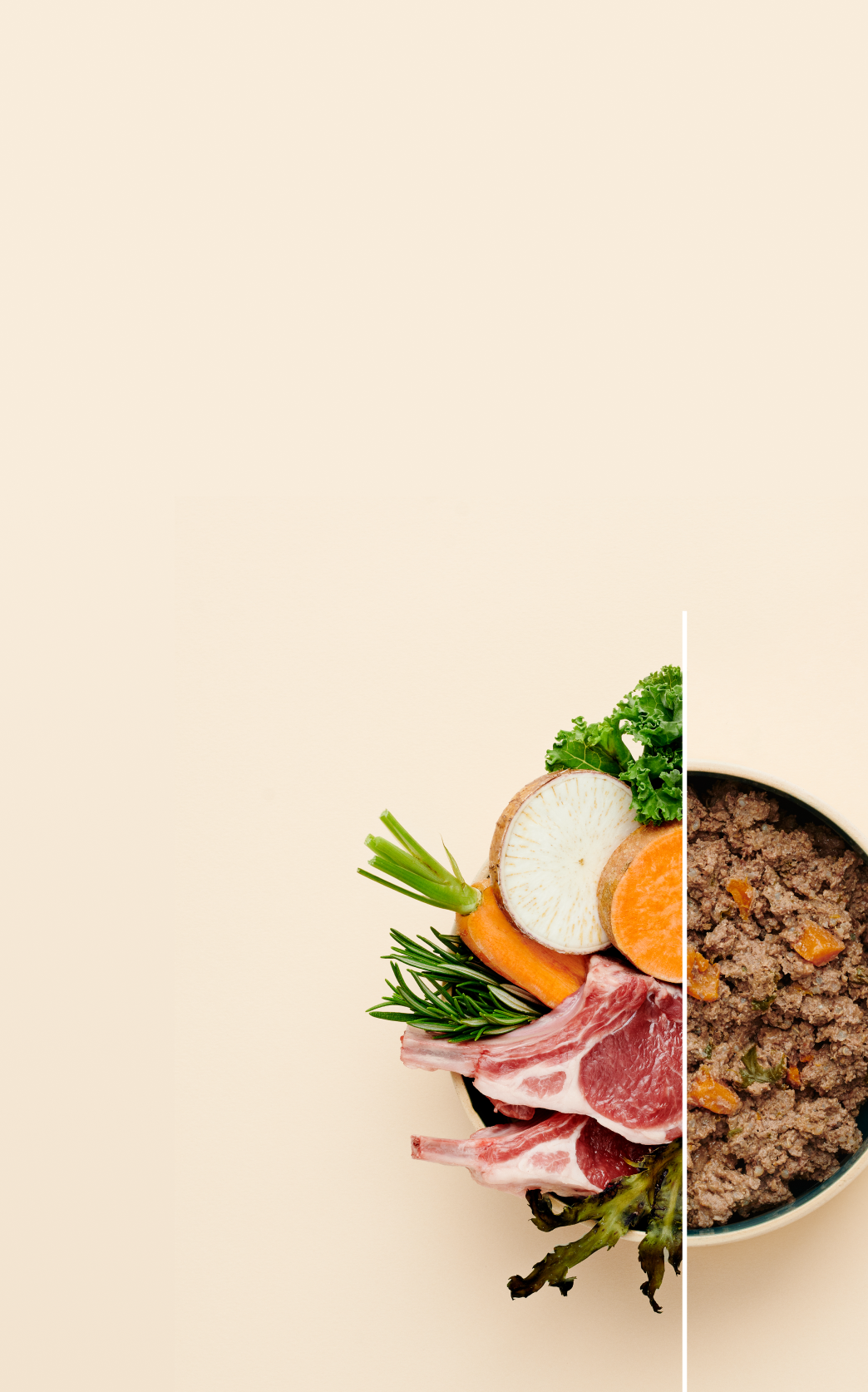
Freshly prepared British beef, veggies & superfoods
What protein is best for a Toy Australian Shepherd?
Lamb and salmon are the strongest starting points for most Toy Aussies, particularly those with any history of digestive sensitivity or skin issues, or those currently eating chicken or beef-based food. Proteins a dog has not eaten regularly carry a lower risk of sensitivity because no immune response has had time to develop.
Salmon is the most complete single-protein choice for this breed, delivering clean protein alongside natural omega-3 fatty acids that directly address the joint and coat priorities Toy Aussies are prone to. Lamb is a strong alternative for dogs that need a red meat option or have already eaten fish regularly - it sits well with reactive digestive systems and is lower allergenicity than beef.
Single-protein meals make it straightforward to identify what a dog tolerates without the guesswork of multi-protein recipes. Marleybones Lush Lamb and Sassy Salmon are both single-protein recipes built around whole, recognisable ingredients with chicory root as a natural prebiotic, which supports gut stability during and after a food transition.
How much should I feed a Toy Australian Shepherd?
Adult Toy Australian Shepherds typically weigh between 3.5 and 8kg, but weight alone is a poor guide to how much to feed. Body condition is the reliable measure: ribs should be easily felt without pressing, and there should be a visible waist when looking from above. A dog that passes both checks is at the right weight for its frame.
Active Toy Aussies - those getting 45 minutes or more of real exercise daily - need portions at the upper end of any feeding guide, or slightly above it. Dogs that are older, less active, or recovering from injury need considerably less. Switching from kibble to fresh food typically means the nominal calorie intake can be reduced without the dog appearing hungry, because higher moisture content and better nutrient bioavailability mean each gram is doing more work.
Factor in treats when calculating daily intake - Toy Aussies are highly food-motivated and treats add up quickly, especially in households using food rewards for training.
Every dog is different - build your personalised Marleybones feeding and health plan tailored to your dog's age, size, and health requirements.
How do different dog food formats compare for Toy Australian Shepherds?
Fresh dog food is the most digestible and nutritionally complete format for most Toy Aussies. Here is how the main formats compare for this breed specifically.
| Format | Moisture content | Processing level | Verdict for Toy Australian Shepherds |
|---|---|---|---|
| Fresh (Pantry Fresh) | 65-75% | Minimal - slow low-temperature cooking | Best option - whole ingredients support the breed's joint, coat, and energy needs |
| Raw | 65-75% | None | Works for some - bacterial load a consideration, preparation required |
| Wet / canned | 75-85% | Moderate | Better than kibble - ingredient quality varies widely, check the label carefully |
| Cold pressed | Around 12% | Low - below extrusion temperatures | Decent middle ground if fresh is not accessible |
| Dry kibble | Around 10% | High - high-temperature extrusion | Least suited to this breed - low moisture, degraded nutrients, poor joint and coat support |
FAQs
How often should I feed my Toy Australian Shepherd?
Twice daily is the standard for adults, morning and evening in roughly equal portions. It suits the breed's metabolism better than one large meal and helps maintain steady energy across the day. Puppies under six months need three to four smaller meals daily to support their growth rate and blood sugar stability.
Why does my Toy Australian Shepherd have a dull coat?
A dull or dry coat in Toy Aussies is almost always a dietary fat issue - either insufficient fat, or fat from poor-quality sources the body cannot use efficiently. Named animal fats and omega-3 fatty acids from oily fish are the most effective dietary supports for coat condition in this breed. Most owners switching to a fresh, whole-ingredient diet see a clear improvement in coat quality within six to eight weeks.
Is grain-free food better for Toy Australian Shepherds?
Not automatically. Grains are not inherently a problem for this breed - the issue is usually low-quality grain used in large quantities as a cheap filler in heavily processed food. A Toy Aussie that reacts to wheat in poor-quality kibble may tolerate whole oats or brown rice in a minimally processed fresh meal without issue. Grain-free foods that substitute grain with high volumes of peas or lentils carry their own considerations and are not automatically easier to digest.
Is Marleybones Pantry Fresh good for Toy Australian Shepherds?
Yes. Marleybones Pantry Fresh meals are vet-developed, contain no artificial preservatives or fillers, and are available in single-protein recipes that suit a breed with active joints, a quality coat to maintain, and real nutritional demands. With a 4.9/5 Trustpilot rating and over 2,000,000 meals delivered, Sassy Salmon is the strongest choice for most Toy Aussies, providing natural EPA and DHA omega-3 fatty acids alongside whole ingredients in a format the body absorbs efficiently. Lush Lamb is the strongest alternative for dogs that need a red meat option or have eaten fish regularly.
My Toy Australian Shepherd seems hungry all the time - am I underfeeding?
Possibly, but food-motivation in this breed is high regardless of intake. First check body condition - if ribs are easily felt and a waist is visible, the dog is not underfed, it is simply a breed that expresses enthusiasm for food. If the dog is losing condition or genuinely unsettled between meals, increase the daily portion incrementally across two weeks and reassess. Switching to a fresh food with higher moisture content often reduces the visible hunger response without increasing calorie intake, because the food is more satiating per gram.
Do Toy Australian Shepherds need supplements?
A complete, fresh, whole-ingredient diet covers most of the breed's nutritional needs without additional supplementation. The exception worth considering is joint support for older dogs or those showing early signs of stiffness, where a targeted omega-3 or glucosamine supplement alongside a quality diet provides more direct support than diet alone. Always check with a vet before adding supplements to a dog already on a complete food, to avoid over-supplementing fat-soluble vitamins.
How long before I see a difference after switching my Toy Aussie's food?
Digestive changes and stool quality typically improve within two to four weeks. Coat condition takes longer - six to eight weeks is a realistic timeline for visible improvement in shine and texture. Energy levels and weight changes become clear over eight to twelve weeks on a consistent portion. If there is no meaningful improvement after four weeks, a vet assessment is the right next step.

Freshly prepared British chicken, veggies & superfoods


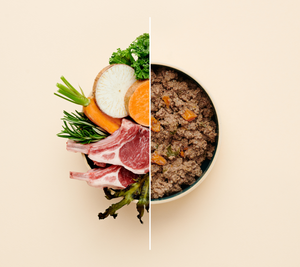 Give your dog the quality nutrition they deserve
Real meat, wholesome veggies and functional superfoods.
Get 30% off: Take the quiz