




 Vet reviewed
What’s the best dog food for a Saluki?

At a glance
- Salukis do best on fresh, whole-ingredient food built around a high-quality animal protein - the breed's lean muscle mass and naturally low body fat mean caloric density and protein quality are the most important factors in their diet.
- Salukis are notoriously light eaters and highly food-selective - palatability matters more for this breed than almost any other, and fresh food with its natural aroma and moisture content is significantly more likely to be accepted than dry kibble.
- Maintaining lean muscle on a Saluki requires consistent, quality protein intake - insufficient protein leads to visible muscle wastage on a breed with almost no fat reserves to draw from.
- Joint and cardiovascular health are both supported by omega-3 fatty acids from oily fish - relevant for an athletic sighthound that relies on structural integrity to move as it was bred to.
- Portion discipline is less about preventing obesity and more about preventing underweight - a Saluki that looks too lean needs more food, not a different food, but one with visible ribs and no muscle definition needs a vet check, not just more calories.
What is the best diet for a Saluki?
Fresh dog food built around a named, high-quality animal protein is the most appropriate diet for most Salukis. The breed is naturally lean and lightly muscled, with a physique that makes nutritional gaps visible quickly - dull coat, muscle wastage, and low energy are reliable early signals that the diet is not doing its job. Ingredient quality matters for every dog, but on a Saluki there is nowhere to hide.
Dry kibble's low moisture content - around 10% compared to 65-75% in fresh food - creates a meaningfully higher digestive load, and Salukis already lean toward selective eating. A breed that is borderline about its food at the best of times is far less likely to eat consistently when the food is heavily processed and low in moisture. Fresh food prepared from whole ingredients provides the palatability this breed needs alongside nutritional density the diet actually requires.
The practical checklist for a good Saluki food is: a named protein source as the primary ingredient, sufficient fat to support energy needs in an active breed, omega-3 fatty acids for joint and cardiovascular support, and no artificial additives that could put off a dog already inclined to eat reluctantly. Marleybones Pantry Fresh meals are vet-developed, slow-cooked from whole ingredients, and free from artificial preservatives - a format well-suited to a breed where palatability and quality both have to be right.
Why are Salukis such fussy eaters?
Selective eating in Salukis is not a behavioural quirk - it is a breed characteristic with a long history. Salukis were developed as working sighthounds across the Middle East, where they were often fed a diet of fresh meat and grain. Their palates reflect that: they respond to food that smells and tastes like real ingredients, and tend to reject heavily processed food that does not.
The most common mistake with a Saluki that goes off its food is switching to a different kibble rather than switching format. A Saluki refusing dry kibble is not necessarily being awkward - the food may simply not meet what this breed recognises as worth eating. Fresh food with its natural aroma and moisture content is consistently more accepted by dogs that have been selective or intermittent eaters on dry food.
If a Saluki is eating well and then stops, rule out health causes before adjusting the diet. Sudden loss of appetite in a dog that was previously consistent warrants a vet check - in an already lean breed, extended periods of reduced eating have consequences faster than they would in a dog carrying more condition.

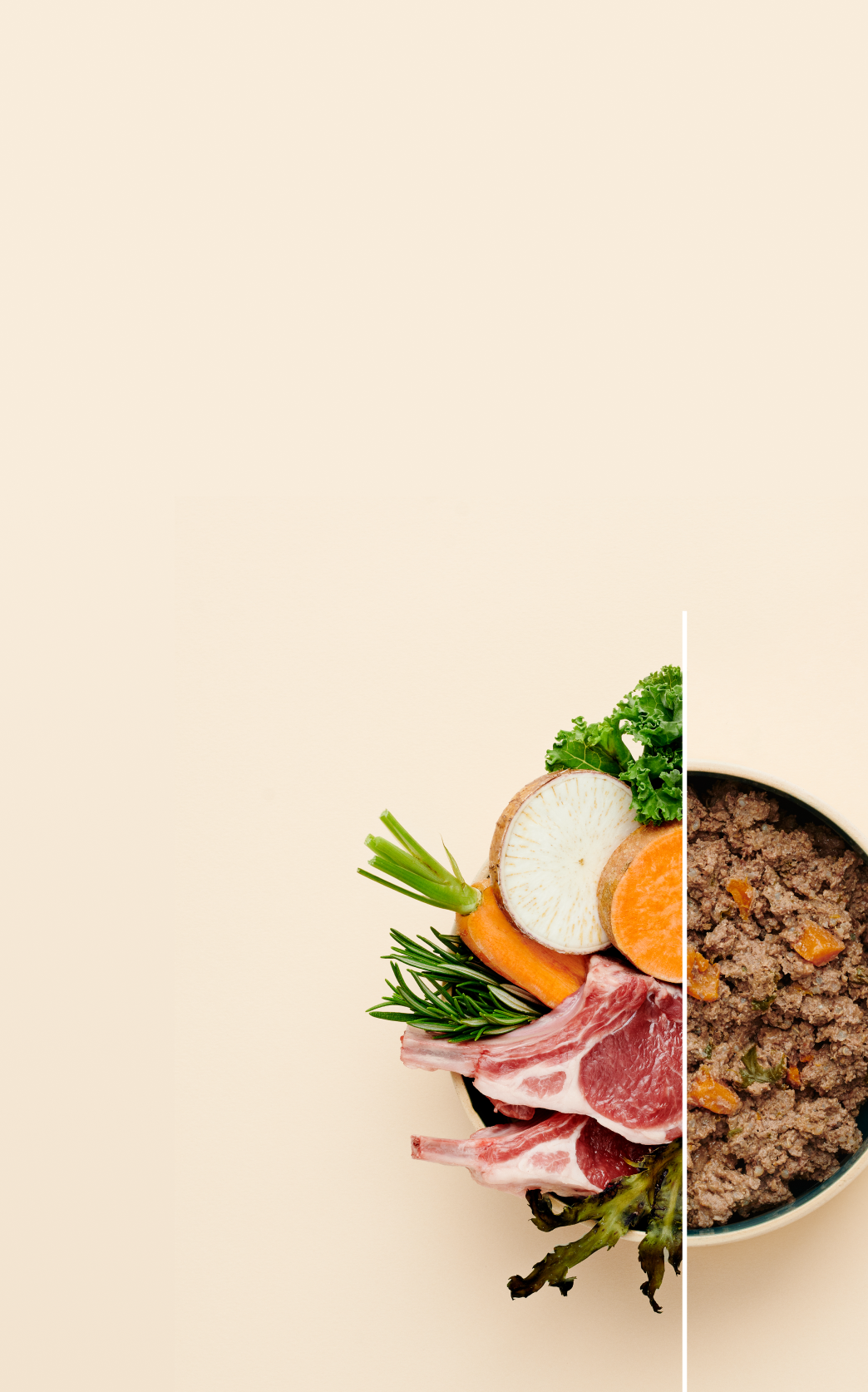
Freshly prepared British beef, veggies & superfoods
What protein is best for a Saluki?
Lamb and salmon are the strongest starting points for most Salukis, particularly those that have been eating chicken or beef for extended periods. Novel proteins are less likely to provoke sensitivity responses, and Salukis - despite not being typically classified as a sensitive breed - benefit from the variety because their selective palates respond well to a change in protein.
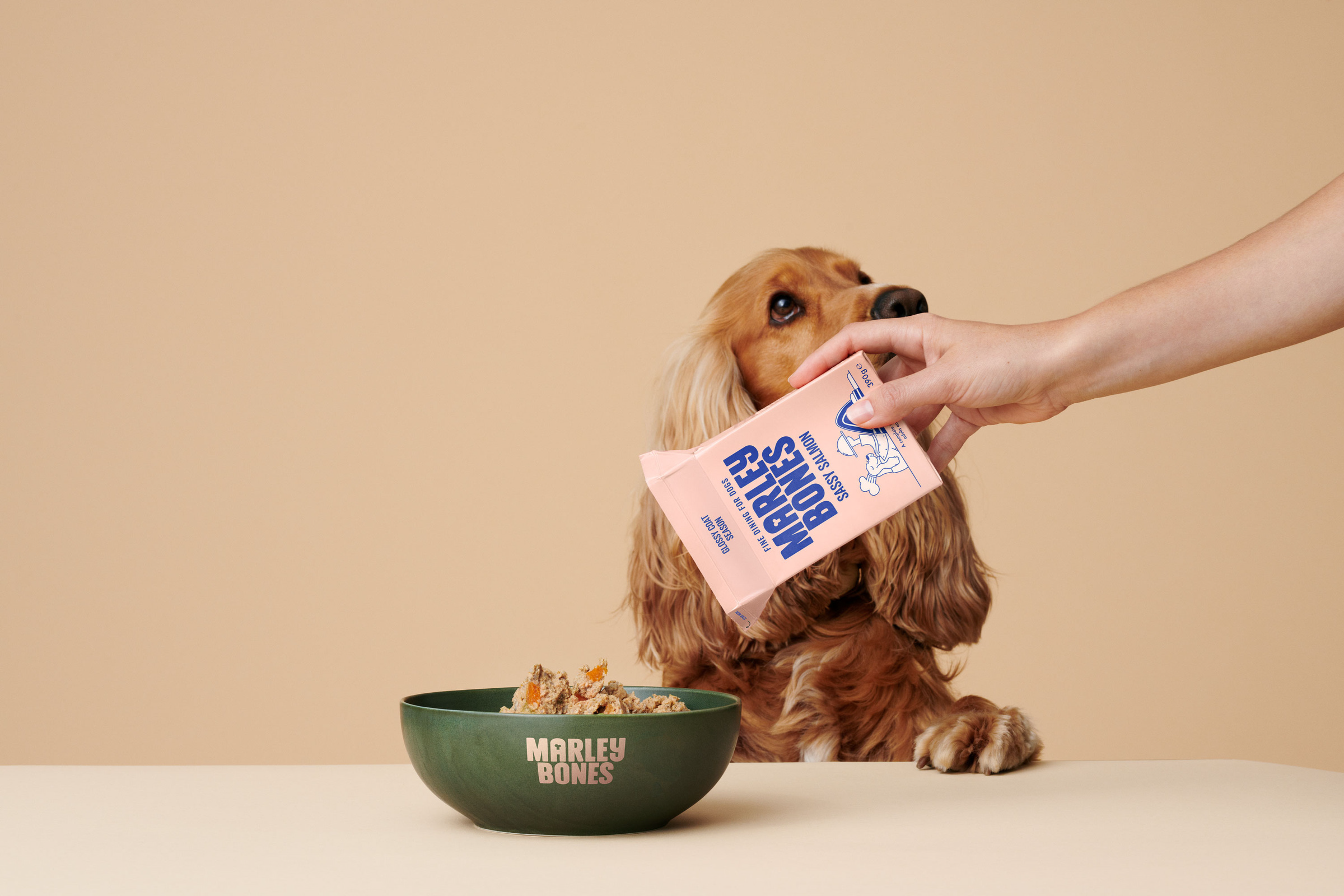
Salmon is the most nutritionally complete choice for Salukis specifically. It delivers clean, lean protein alongside EPA and DHA omega-3 fatty acids that support joint health and cardiovascular function - both relevant for a breed that covers ground at speed and has a deep chest associated with cardiac considerations. Marleybones Sassy Salmon is a single-protein meal built around whole salmon with chicory root as a natural prebiotic, giving the gut consistent support alongside the structural benefits of oily fish.
Lamb suits Salukis that need a red meat option or have already eaten fish regularly. It is lower allergenicity than beef, provides a good amino acid profile for lean muscle maintenance, and tends to be highly palatable - which matters for a breed that needs to actually eat its food. Marleybones Lush Lamb provides the same whole-ingredient, single-protein approach in a red meat format that suits Salukis well.
How much should I feed a Saluki?
Adult Salukis typically weigh between 16 and 29kg, with significant variation between males and females and between show and working lines. The Saluki's natural body shape is lean - visible hip bones and a prominent spine are normal for this breed, and applying standard weight assessment tools developed for broader dogs leads to unnecessary overfeeding.
The right assessment for a Saluki is muscle condition rather than fat cover. You should be able to see the last two or three ribs at rest - that is correct for this breed. What you should not see is muscle wastage across the hindquarters or a sharp, angular appearance to the spine. If muscle definition is poor, protein intake needs to increase rather than overall calories alone.
Fresh food tends to be more satiating than the equivalent calorie count in dry kibble because of its higher moisture content, and Salukis are more likely to eat it consistently - which means portion adjustments actually translate into body condition changes rather than being undermined by a dog that eats half its bowl. Transitioning gradually over seven to ten days reduces the risk of digestive disruption during the switch.
Every dog is different - build your personalised Marleybones feeding and health plan tailored to your dog's age, size, and health requirements.
How do different dog food formats compare for Salukis?
| Format | Moisture content | Processing level | Verdict for Salukis |
|---|---|---|---|
| Fresh (Pantry Fresh) | 65-75% | Minimal - slow low-temperature cooking | Best option - high palatability suits fussy eaters, whole ingredients support lean muscle and coat condition |
| Raw | 65-75% | None | Suits the breed's preferences well - bacterial load a consideration, nutritional balance requires care |
| Wet / canned | 75-85% | Moderate | More palatable than kibble - ingredient quality varies widely, check the label for named protein sources |
| Cold pressed | Around 12% | Low - below extrusion temperatures | Better than extruded kibble - lower palatability than fresh, worth considering if fresh is not accessible |
| Dry kibble | Around 10% | High - high-temperature extrusion | Hardest to digest, lowest palatability - a poor match for a breed already prone to selective eating |
FAQs
How often should I feed a Saluki?
Twice daily is the right approach for adult Salukis - morning and evening in roughly equal portions. One large daily meal is particularly unsuitable for this breed given the deep chest and associated risk of bloat; splitting meals reduces gastric pressure after eating. Keep exercise and feeding well separated - at least an hour either side of a meal.
My Saluki looks underweight - should I just feed more?
Not necessarily without first understanding what you are looking at. Visible ribs and hip bones are normal for a Saluki - the breed has almost no subcutaneous fat and was never meant to carry it. If your dog has clear muscle definition across the hindquarters, is eating consistently, and has good energy, it is likely at a healthy weight. If muscle condition is poor, protein quality and quantity need addressing. If the dog has lost weight rapidly or is eating well but losing condition, see a vet before adjusting the diet.
Do Salukis have sensitive stomachs?
Salukis are not classified as a sensitive-stomached breed the way some small breeds are, but they respond poorly to heavily processed food and sudden dietary changes. Loose stools and digestive upset after a food switch are common - transition slowly over seven to ten days and choose a single-protein food to keep things straightforward. If digestive symptoms persist beyond four weeks on a consistent diet, a vet assessment is the right next step.
Is grain-free food better for Salukis?
Grain-free food is not automatically better for Salukis. Grains are not inherently problematic, and whole grains in a minimally processed food are handled well by most dogs. The issue is heavily processed food where cheap grain fillers dominate the ingredient list at the expense of quality protein - and that applies whether the food is grain-free or not. Grain-free foods that substitute large quantities of legumes introduce their own considerations and are not a straightforward upgrade.
Is Marleybones Pantry Fresh good for Salukis?
Yes. Marleybones Pantry Fresh meals are vet-developed, built from whole ingredients, and contain no artificial preservatives or fillers - the kind of food a notoriously selective breed is far more likely to eat consistently than dry kibble. With over 2,000,000 meals delivered and a 4.9/5 Trustpilot rating, the palatability track record is strong, and loved by 9 in 10 fussy dogs is a claim this breed puts to the test more than most. Sassy Salmon is the strongest choice for Salukis, delivering quality protein and natural omega-3 fatty acids to support the joint and cardiovascular health an athletic sighthound depends on.
Does diet affect a Saluki's coat condition?
Directly. The Saluki's silky feathering on the ears, tail, and legs needs dietary fat to stay soft and lustrous - and the quality of that fat matters. Named animal fats from identifiable sources and omega-3 fatty acids from oily fish are well-used by the body; rendered fat of unspecified origin leaves the coat flat and dull. Coat condition is one of the earliest visible signs that a Saluki's diet is or is not meeting its needs, and owners switching to fresh food typically notice improvement within six to eight weeks.
Can Saluki puppies eat the same food as adult Salukis?
Saluki puppies have higher protein and energy requirements than adults to support the breed's rapid growth phase, and they need food that is nutritionally complete for growth. Marleybones Pantry Fresh meals are complete for all life stages including puppies, so the same recipes work from puppyhood through adulthood. Meal frequency changes - puppies under six months need three to four smaller meals a day rather than two - but the food itself does not need to change.

Freshly prepared British chicken, veggies & superfoods


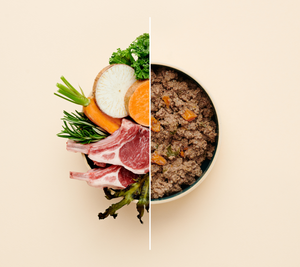 Give your dog the quality nutrition they deserve
Real meat, wholesome veggies and functional superfoods.
Get 30% off: Take the quiz