
 Vet reviewed
What is the best dog food for a Norwich Terrier?

At a glance
- Norwich Terriers do best on fresh, whole-ingredient food built around a quality protein - the breed's dense, wiry double coat and compact, high-energy frame make nutrient density and ingredient quality central to long-term health.
- Chicken and beef are the proteins most likely to trigger sensitivity in Norwich Terriers that have eaten them for years - lamb and salmon are stronger starting points for dogs with recurring digestive or skin complaints.
- Norwich Terriers are prone to weight gain in later life despite their active reputation - portion discipline matters from the start, and fresh food's higher satiety per calorie makes portion control more practical.
- Omega-3 fatty acids from oily fish support both the skin barrier and the wiry double coat this breed is known for - a diet with a natural source of EPA and DHA makes a visible difference to coat condition and skin health.
- Joint health becomes a dietary priority as Norwich Terriers age - anti-inflammatory nutrients from whole ingredients support mobility in a small breed that stays active well into later life.
What is the best diet for a Norwich Terrier?
Fresh dog food built around a single, high-quality protein with minimal processing is the most appropriate diet for most Norwich Terriers. Despite their small size, this is an energetic, robust working terrier with a genuine nutritional requirement for dense, bioavailable protein and quality dietary fat - not the diluted nutrition that comes from heavily processed kibble.
Standard dry kibble contains around 10% moisture and is produced at high temperatures that degrade protein quality and strip out naturally occurring nutrients. Fresh food, by contrast, is cooked gently at lower temperatures, preserving the protein structure and retaining the moisture the gut uses to process food efficiently. For a compact, active breed eating relatively small portions, ingredient quality matters enormously - there is little room in a Norwich Terrier's daily calorie budget for filler.
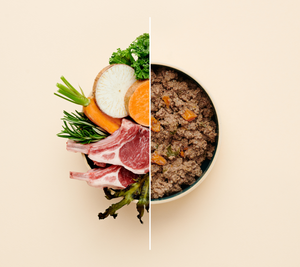
The practical checklist for a good Norwich Terrier food: a named protein source with no ambiguity on the label, a natural source of omega-3 fatty acids for coat and skin, no artificial preservatives or fillers, and controlled portions to prevent the weight creep this breed is susceptible to in later life. Marleybones Pantry Fresh meals are vet-developed, single-protein recipes built from whole ingredients slow-cooked in-pack - no freezer required, no fillers, no compromise on the nutrient density a breed like this needs.
Do Norwich Terriers have sensitive digestion?
Not as a breed rule, but small dogs eating small portions are more vulnerable to poor-quality ingredients than larger breeds - there is less digestive capacity to compensate for fillers, artificial additives, or proteins the gut is struggling with. Norwich Terriers fed the same chicken or beef-based food for years develop sensitivities to those proteins over time, and digestive symptoms are the first sign.
Loose stools, wind, and intermittent stomach upset in Norwich Terriers are almost always dietary in origin. Switching protein source resolves it more reliably than switching brand while staying on the same protein. A fresh food diet places a significantly lower processing load on the gut than extruded kibble - the proteins are less denatured, the moisture content supports digestion, and there are no fermentable starches driving the wind that makes small terriers so unpopular in a confined space.
If symptoms persist beyond four weeks of a dietary change, or include blood in stools, significant weight loss, or repeated vomiting, a vet assessment is the right next step before continuing to adjust the food.
What does diet have to do with a Norwich Terrier's coat?
The Norwich Terrier's wiry, weather-resistant double coat needs the right dietary fats to stay in proper condition - and the quality of those fats shows up clearly in whether the coat is harsh and healthy or dull and brittle. Omega-3 fatty acids, particularly EPA and DHA from oily fish, reduce inflammation at the skin level, support the skin barrier, and provide the coat with the oils it needs. A diet without a meaningful source of omega-3s produces a coat that looks flat regardless of how much brushing it gets.
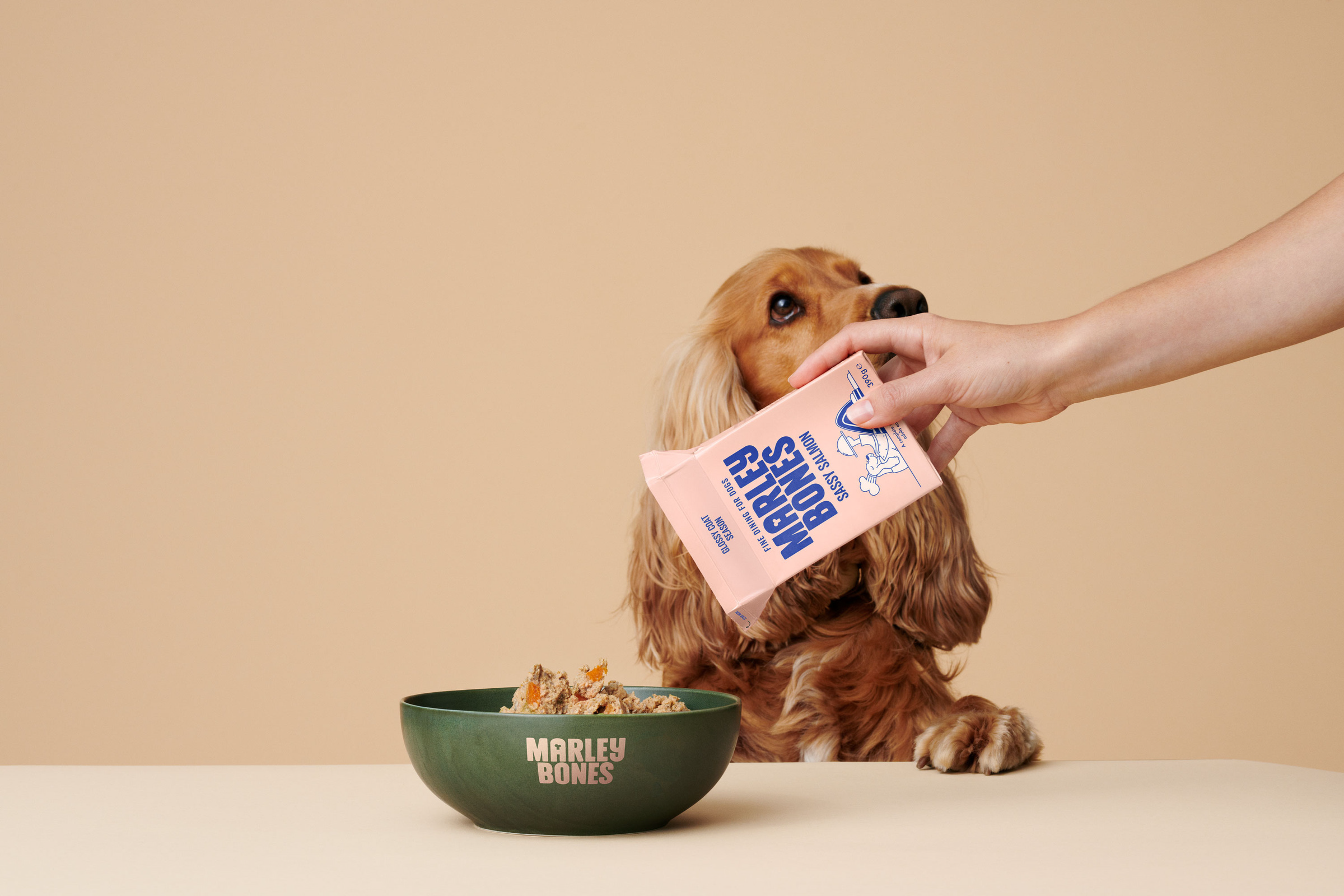
Artificial additives, low-quality rendered fats, and cheap grain fillers are the most common dietary contributors to poor coat condition in terrier breeds. If your Norwich Terrier's coat has lost its characteristic texture or the skin underneath looks flaky or irritated, the ingredient list on their current food is the first place to look. Meals built around salmon - like Marleybones Sassy Salmon - deliver EPA and DHA alongside whole ingredients and no artificial additives, addressing both the nutritional gap and the likely irritants simultaneously.

Freshly prepared British beef, veggies & superfoods
What protein is best for a Norwich Terrier?
Lamb and salmon are the strongest starting points for most Norwich Terriers, particularly those with any history of digestive sensitivity or coat issues, or dogs currently eating chicken or beef. The principle is straightforward: proteins a dog has not eaten repeatedly are less likely to cause a problem because no sensitivity has had time to develop.
Salmon is the most nutritionally complete option for this breed specifically, delivering clean protein alongside the omega-3 fatty acids that directly support the coat and skin. Lamb is a strong alternative for dogs that need a red meat option or have already eaten fish regularly - it is lower allergenicity than beef and tends to sit well with reactive guts. For Norwich Terriers with a confirmed sensitivity, single-protein meals are the most reliable approach, making it possible to identify what the dog tolerates without the guesswork of a multi-protein recipe.
Marleybones Lush Lamb and Sassy Salmon are both single-protein meals built around whole, recognisable ingredients with chicory root included as a natural prebiotic - giving the gut additional support during transition and beyond.
How much should I feed a Norwich Terrier?
Adult Norwich Terriers typically weigh between 5 and 5.5kg, but body condition is a more reliable guide than the scales. You should be able to feel the ribs easily without pressing hard, and see a defined waist when looking down from above. Norwich Terriers are muscular for their size - a dog that feels solid but has no visible waist is carrying more weight than is comfortable for the joints.
Feeding guides are a starting point. Fresh food is more satiating than dry kibble at the same calorie count because the higher moisture content occupies more volume in the stomach - most owners switching from kibble find they can reduce the nominal calorie count without their dog appearing hungry. Adjust portions to body condition over six to eight weeks rather than treating the initial guide as fixed, and account for treats - they add up quickly in a small dog's daily calorie budget.
Every dog is different - build your personalised Marleybones feeding and health plan tailored to your dog's age, size, and health requirements.
How do different dog food formats compare for Norwich Terriers?
| Format | Moisture content | Processing level | Verdict for Norwich Terriers |
|---|---|---|---|
| Fresh (Pantry Fresh) | 65-75% | Minimal - slow low-temperature cooking | Best option - whole ingredients, supports digestion, coat, and weight management |
| Raw | 65-75% | None | Works for some - bacterial load a consideration, preparation required for a small dog eating small quantities |
| Wet / canned | 75-85% | Moderate | Better than kibble - ingredient quality varies widely, check the label carefully |
| Cold pressed | Around 12% | Low - below extrusion temperatures | A reasonable middle ground if fresh is not accessible |
| Dry kibble | Around 10% | High - high-temperature extrusion | Hardest to digest - low moisture and high processing load make it the weakest option for this breed |
FAQs
How often should I feed my Norwich Terrier?
Twice daily is the standard for adult Norwich Terriers - morning and evening in roughly equal portions. It is more satiating than one large meal and suits the breed's digestion better. Puppies under six months need three to four smaller meals a day, spread evenly to support steady growth without overloading a small gut.
My Norwich Terrier is always hungry - is that normal?
Terriers as a group have strong food drive, and Norwich Terriers are no exception. Persistent hunger on a correctly portioned diet is often a sign that the food lacks satiety - heavily processed kibble digests quickly and leaves small dogs feeling unsatisfied. Fresh food with higher moisture content and quality protein is more filling per calorie, which helps manage the appetite without simply increasing portion size.
Is grain-free food better for Norwich Terriers?
Not automatically. Grains are not inherently the problem - it is the quantity and quality of grain used as a cheap filler in heavily processed food that causes issues. A Norwich Terrier reacting to wheat in low-quality kibble may tolerate whole oats or brown rice in a minimally processed fresh meal without any difficulty. Grain-free foods that replace grain with large quantities of peas or lentils are not automatically easier to digest, and the substitution brings its own nutritional considerations.
Do Norwich Terriers need joint support from their diet?
Joint health is worth supporting nutritionally from middle age onwards. Norwich Terriers are active well into later life, and maintaining comfortable mobility depends partly on keeping weight in check and partly on a diet that delivers anti-inflammatory nutrients from whole ingredients. Omega-3 fatty acids from oily fish are the most evidence-backed dietary support for joint inflammation, and a food that includes a natural source of EPA and DHA provides that alongside general nutritional quality.
Is Marleybones Pantry Fresh good for Norwich Terriers?
Yes. Marleybones Pantry Fresh meals are vet-developed, contain no artificial preservatives or fillers, and are available in single-protein recipes well-suited to a breed where ingredient quality makes a direct difference to coat condition and digestion. Sassy Salmon is the strongest choice for most Norwich Terriers, providing a natural source of EPA and DHA omega-3 fatty acids alongside whole ingredients in a format that is straightforward to portion for a small dog. With over 2,000,000 meals delivered and a 4.9/5 Trustpilot rating, it is a practical, proven option for owners who want to see a real improvement in their dog's coat and digestion.
How long before I see a difference after switching my Norwich Terrier's food?
Most owners notice improvements in digestion and stool quality within two to four weeks. Coat condition and skin health typically take six to eight weeks to show meaningful change, as the coat cycle needs time to reflect the new nutritional intake. Weight and body condition changes take longer - eight to twelve weeks on a consistent portion gives a reliable picture. If there is no meaningful improvement after four weeks on a consistent diet, a vet assessment is the right next step.
Can diet help with my Norwich Terrier's skin irritation?
In most cases, yes. Skin irritation in Norwich Terriers is frequently dietary - either a reaction to a specific protein the dog has developed a sensitivity to, or a deficiency in the omega-3 fatty acids needed to maintain the skin barrier. Switching to a novel protein like lamb or salmon, alongside removing artificial additives and low-quality fats, resolves dietary skin irritation in most dogs within six to eight weeks. If itching persists or is accompanied by hair loss or broken skin, a vet should assess whether environmental allergens or a secondary infection are involved.

Freshly prepared British chicken, veggies & superfoods


 Give your dog the quality nutrition they deserve
Real meat, wholesome veggies and functional superfoods.
Get 40% OFF today