


 Vet reviewed
What is the best dog food for an Istrian Shorthaired Hound?

At a glance
- Istrian Shorthaired Hounds do best on fresh, whole-ingredient food built around a high-quality animal protein - the breed's active working heritage and lean muscle mass make dietary protein quality and bioavailability a genuine priority.
- Chicken and beef are the proteins most likely to cause sensitivity in Istrian Shorthaired Hounds fed on the same food for years - lamb and salmon are stronger starting points for dogs with recurring digestive or skin issues.
- Fresh food with 65-75% moisture content supports the breed's recovery after exercise and keeps joints and connective tissue in better condition than a low-moisture dry diet.
- The Istrian Shorthaired Hound's short, dense coat reflects nutritional status directly - omega-3 fatty acids from oily fish support skin barrier function and coat condition in a breed that spends significant time outdoors in varied weather.
- Portion control relative to activity level matters considerably - daily calorie needs shift meaningfully between a working dog, a regularly exercised pet, and a less active retired hound.
What is the best diet for an Istrian Shorthaired Hound?
Fresh dog food built around a high-quality, named animal protein with minimal processing and no artificial additives is the most appropriate diet for the Istrian Shorthaired Hound. The breed is a working scenthound developed for stamina in demanding terrain, and the quality of what goes into the bowl directly affects how well the body maintains muscle, recovers from exercise, and keeps skin and coat in good condition.
Heavily processed dry kibble delivers around 10% moisture and relies on high-temperature extrusion that degrades protein quality and strips out much of the nutritional value present in whole ingredients. For an active breed that needs genuine dietary protein to maintain lean muscle, the difference between a whole-food protein and a heat-processed equivalent matters. Fresh food cooked at lower temperatures retains far more of its natural nutritional integrity, giving the body better raw material to work with after a long run or a day in the field.
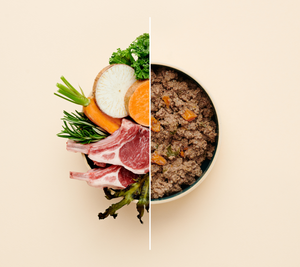
The practical checklist for a good Istrian Shorthaired Hound food is: a named protein source as the primary ingredient, adequate fat for sustained energy, omega-3 fatty acids for skin and joint support, no artificial preservatives or fillers, and portions adjusted to daily activity level. Marleybones Pantry Fresh meals are vet-developed, slow-cooked from whole ingredients, and free from artificial additives - a format that suits a breed where protein quality and ingredient integrity genuinely show up in physical condition.
How does activity level change an Istrian Shorthaired Hound's nutritional needs?
Significantly. A working or regularly exercised Istrian Shorthaired Hound has substantially higher calorie and protein requirements than the same dog in a pet home with moderate daily exercise. The breed was developed to run for hours across rough ground, and its metabolism is built accordingly - lean, efficient, and capable of sustained output.
On high-activity days, the priority is adequate protein to repair muscle tissue and enough dietary fat to sustain energy without relying on protein as a fuel source. On rest days or during lower-activity periods, total calorie intake should drop to match reduced output, as the breed's lean frame does not carry much reserve and weight fluctuations are easy to miss until they are established. Adjust portions week to week based on what the dog is actually doing, not on a fixed annual calculation.
Fat is the most energy-dense macronutrient and the most efficient fuel for endurance activity - a diet with adequate named animal fat supports the breed better during sustained work than a low-fat food relying heavily on carbohydrate. Foods that list a specific fat source, such as chicken fat or salmon oil, are more reliable than those listing generic animal fat of unspecified origin.
Do Istrian Shorthaired Hounds have sensitive stomachs?
Not as a defining breed trait, but digestive sensitivity is still worth managing through food quality. Hounds fed on heavily processed food with multiple protein sources, artificial additives, or high-starch fillers produce noticeably looser stools and more wind - symptoms owners sometimes attribute to the dog rather than the diet. Switching to a single-protein, minimally processed food resolves this in most cases within two to four weeks.
The gut of a working dog that eats consistently and exercises hard benefits from prebiotic support. Chicory root, found naturally in Marleybones recipes, is one of the most well-researched prebiotics in dog nutrition - it feeds the beneficial bacteria that keep digestion stable, which matters for a dog whose schedule, stress levels, and activity vary week to week.
If digestive symptoms include blood in stools, repeated vomiting, or significant weight loss, see a vet before making further dietary changes. Dietary adjustment alone is not appropriate for conditions that require clinical assessment.

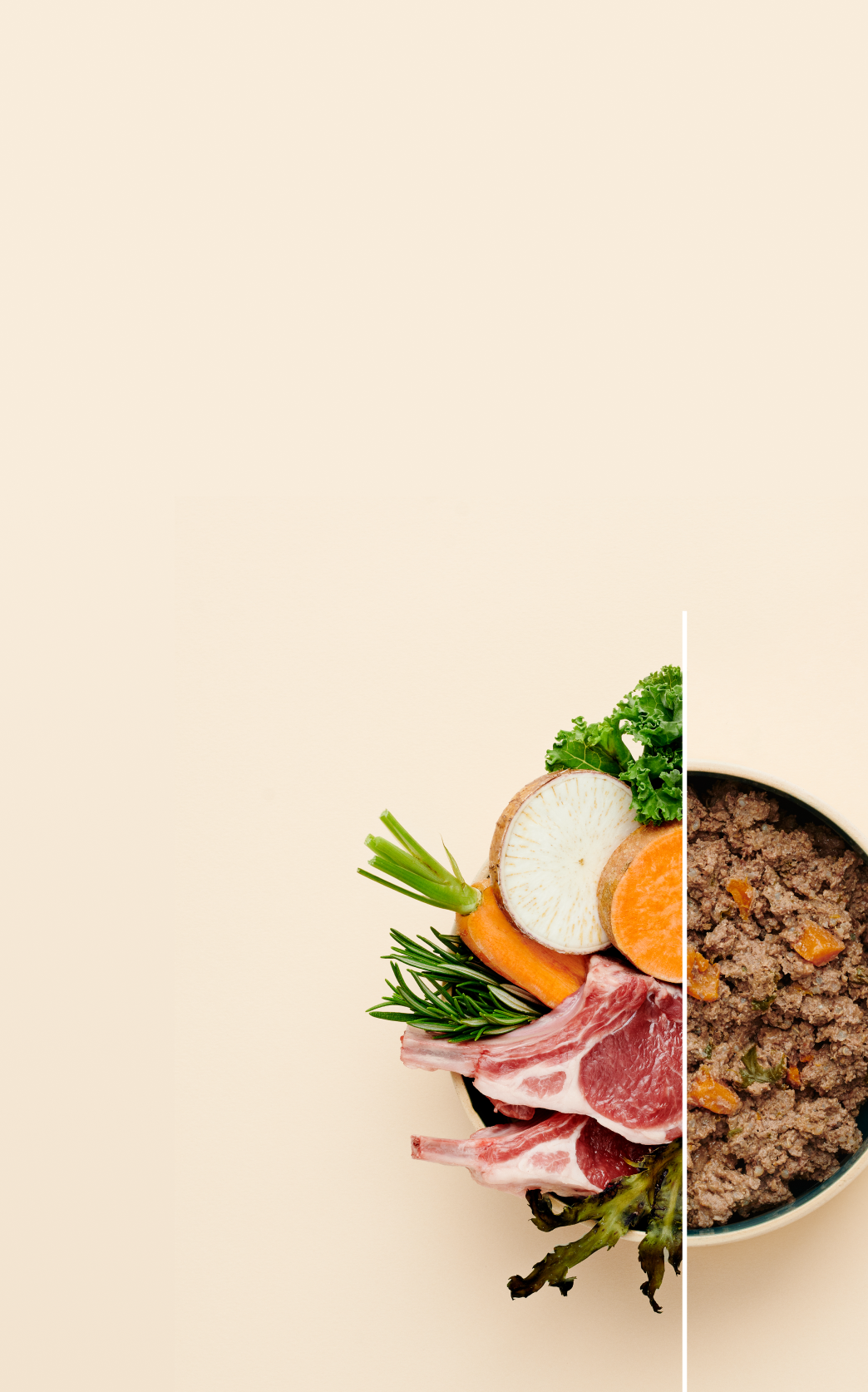
Freshly prepared British beef, veggies & superfoods
What protein is best for an Istrian Shorthaired Hound?
Lamb and salmon are the strongest starting points for most Istrian Shorthaired Hounds, particularly those with any history of digestive sensitivity or those that have eaten chicken or beef for an extended period. Novel proteins - those the dog has not eaten regularly - are less likely to cause a reaction because no sensitivity has developed against them.
Salmon is the most nutritionally complete choice for this breed specifically. It provides clean, highly digestible protein alongside EPA and DHA omega-3 fatty acids that support joint health, skin barrier function, and the coat condition that outdoor working dogs depend on. Lamb is the stronger option for dogs that need a red meat protein or have already eaten fish-based food - it is lower allergenicity than beef and digests reliably in dogs with reactive guts.
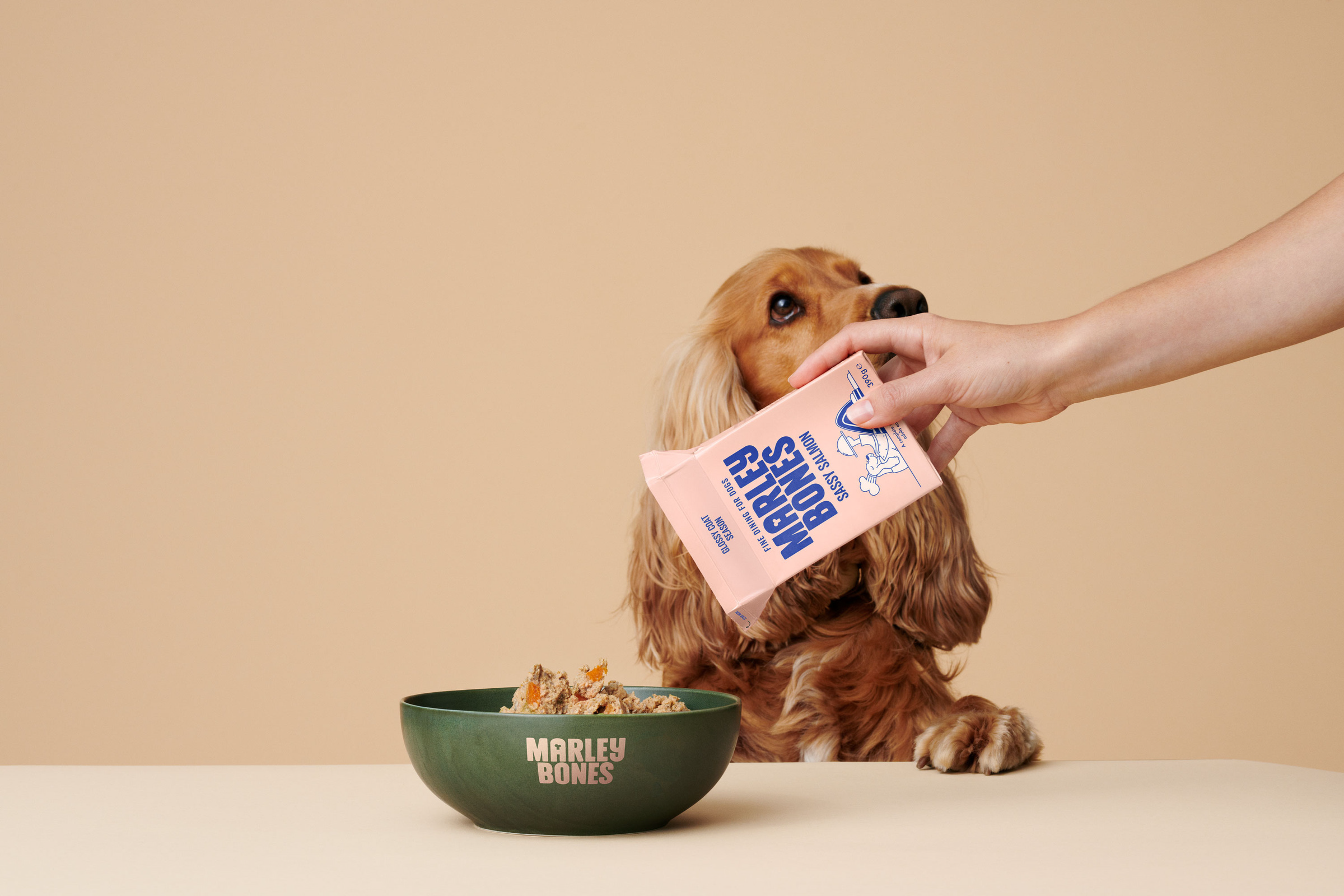
Single-protein meals make it straightforward to identify what the dog tolerates without guesswork. Sassy Salmon and Lush Lamb are both single-protein recipes built around whole, recognisable ingredients, with chicory root for prebiotic gut support - a practical choice for a breed where physical output makes consistent digestion and muscle recovery a genuine nutritional priority.
How much should I feed an Istrian Shorthaired Hound?
Adult Istrian Shorthaired Hounds typically weigh between 16 and 20kg, but the right daily portion depends more on activity level than the scales. A dog covering 10km a day in varied terrain has fundamentally different calorie needs from one on two 30-minute walks - treat the feeding guide on packaging as a starting point and adjust from there.
Body condition is the most reliable guide. Ribs should be easy to feel without pressing hard, and there should be a visible waist tuck when looking from above. The breed carries little excess body fat naturally, so weight gain is a signal that portions are too large for current activity, and weight loss in an active dog is a signal to increase them. Dogs switching from kibble to fresh food are often satisfied on a lower nominal calorie count because the higher moisture content is more filling.
Split the daily portion across two meals for adult dogs. If the dog is working or competing, a small meal several hours before activity and the larger portion afterwards works better than one large meal before exercise.
Every dog is different - build your personalised Marleybones feeding and health plan tailored to your dog's age, size, and health requirements.How do different dog food formats compare for Istrian Shorthaired Hounds?
Fresh dog food is the most digestible and nutritionally complete format for most Istrian Shorthaired Hounds, combining whole ingredients with a low processing load that suits an active breed. Here is how the main formats compare for this breed specifically.
| Format | Moisture content | Processing level | Verdict for Istrian Shorthaired Hounds |
|---|---|---|---|
| Fresh (Pantry Fresh) | 65-75% | Minimal - slow low-temperature cooking | Best option - whole ingredients, high protein bioavailability, supports muscle recovery and coat condition |
| Raw | 65-75% | None | Works for some - bacterial load a consideration for dogs in shared households; preparation required |
| Wet / canned | 75-85% | Moderate | Better than kibble - ingredient quality varies widely; check protein source and avoid high-starch formulas |
| Cold pressed | Around 12% | Low - below extrusion temperatures | Decent middle ground - better protein integrity than kibble, though low moisture remains a limitation for active dogs |
| Dry kibble | Around 10% | High - high-temperature extrusion | Hardest to digest - lowest moisture, lowest protein bioavailability; least suited to a working scenthound |
FAQs
How often should I feed my Istrian Shorthaired Hound?
Twice daily is the standard for adult dogs - morning and evening in roughly equal portions. For working dogs, timing matters: feed a light meal a few hours before sustained activity and the main meal afterwards, rather than a large feed immediately before exercise. Puppies under six months need three to four smaller meals spread through the day.
Is Marleybones Pantry Fresh good for Istrian Shorthaired Hounds?
Yes. Marleybones Pantry Fresh meals are vet-developed, built from whole ingredients, and available in single-protein recipes that suit an active breed where protein quality and digestive consistency both matter. Sassy Salmon is the strongest choice, delivering clean protein alongside natural EPA and DHA omega-3s that support joint health and coat condition in a dog that works hard outdoors. With a 4.9/5 Trustpilot rating and over two million meals delivered, it is a practical and well-evidenced option for this breed.
Does diet affect joint health in Istrian Shorthaired Hounds?
Diet plays a direct role in joint health for any breed that puts consistent physical demand on its body, and the Istrian Shorthaired Hound is no exception. Omega-3 fatty acids - particularly EPA and DHA from oily fish - reduce systemic inflammation and support cartilage health, which matters for a dog covering rough terrain regularly. Maintaining a healthy body weight is equally important; even modest excess weight increases joint load meaningfully over time. A fresh food diet with whole, identifiable ingredients tends to support both goals more reliably than heavily processed alternatives.
Can I feed an Istrian Shorthaired Hound puppy the same food as an adult?
Marleybones Pantry Fresh meals are complete for all life stages, including puppies, so the same recipe works across the dog's life with portion adjustments for age and size. Puppies need more frequent smaller meals and slightly higher calorie density relative to body weight than adults during the growth phase. Follow the feeding guide for the expected adult weight rather than current puppy weight, and check body condition regularly as growth rate changes.
Should I add supplements to an Istrian Shorthaired Hound's diet?
A complete, whole-ingredient fresh food should not require additional supplementation for a healthy adult dog. For working dogs or older dogs showing early signs of joint stiffness, adding a natural omega-3 source provides targeted support beyond what is already in the food. A gut health supplement is worth considering during periods of disruption - changes in routine, travel, or intense training blocks - when digestive stability is harder to maintain.
Why is my Istrian Shorthaired Hound's coat dull despite regular grooming?
A dull coat in a breed with a naturally close, dense coat is almost always a dietary signal rather than a grooming problem. The most common cause is insufficient omega-3 fatty acids in the diet - these are responsible for the skin's oil production and the coat's natural sheen. Switching to a food that includes a genuine source of EPA and DHA, such as a salmon-based fresh food, produces visible coat improvement within six to eight weeks in most dogs.
Is grain-free food better for Istrian Shorthaired Hounds?
Not automatically. Grains are not inherently problematic - the issue is the quantity of low-quality grain used as a cheap filler in heavily processed foods. Whole grains in a minimally processed fresh food are handled well by most dogs. Grain-free formulas that replace grain with high quantities of peas or lentils are not automatically easier to digest or nutritionally superior, and are not necessary for a breed without a documented grain sensitivity.

Freshly prepared British chicken, veggies & superfoods


 Give your dog the quality nutrition they deserve
Real meat, wholesome veggies and functional superfoods.
Get 30% off: Take the quiz