






 Vet reviewed
What is the best dog food for Irish Setters?

At a glance
- Irish Setters do best on fresh, whole-ingredient food built around a high-quality protein - the breed's athletic build, active metabolism, and documented sensitivity to gluten make ingredient quality and digestibility genuinely important.
- Gluten-containing grains are a specific concern for Irish Setters - the breed has a higher incidence of gluten-sensitive enteropathy than most others, and a diet free from wheat and similar grains reduces the risk of chronic digestive damage.
- Salmon and lamb are the strongest protein choices for Irish Setters - both are naturally gluten-free, well-tolerated, and provide the sustained energy this high-activity breed needs without the inflammatory load of low-quality proteins.
- Omega-3 fatty acids from oily fish directly support the Irish Setter's distinctive mahogany coat - a diet with a natural source of EPA and DHA keeps it soft, glossy, and less prone to dryness.
- Bloat is a serious structural risk in deep-chested breeds like the Irish Setter - feeding two measured meals a day rather than one large portion, and avoiding exercise immediately after eating, are practical steps every owner should take.
What is the best diet for an Irish Setter?
Fresh, minimally processed food built around a single, named protein source and free from wheat and gluten is the most appropriate diet for most Irish Setters. The breed combines an athletic frame, a high daily energy requirement, and a documented susceptibility to gluten-sensitive enteropathy - a condition in which gluten damages the gut lining over time. That combination makes both ingredient quality and grain selection more consequential for this breed than for many others.
Dry kibble is typically high in starch and commonly contains wheat, barley, or rye as bulking agents. For an Irish Setter, those ingredients are not neutral - they are exactly what the breed's gut is most likely to struggle with. Fresh food cooked at lower temperatures retains more of its natural protein structure, delivers 65-75% moisture content compared to kibble's 10%, and can be formulated without gluten grains entirely. The result is a diet the gut handles more easily, which matters when the alternative is years of low-grade intestinal inflammation.
The practical checklist for a good Irish Setter food is: a named protein source free from gluten grains, omega-3 fatty acids for coat and inflammatory support, enough caloric density to sustain an active dog without overfeeding, and a portion structure that reduces bloat risk. Marleybones Pantry Fresh meals are vet-developed, contain no artificial additives or fillers, and are built around whole ingredients that cover all of those requirements without compromise.
Does gluten sensitivity really affect Irish Setters?
Yes, and it is one of the most well-documented breed-specific dietary issues in veterinary nutrition. Irish Setters carry a genetic predisposition to gluten-sensitive enteropathy - a condition that causes the gut lining to become inflamed and progressively damaged in response to gluten. Unlike straightforward food allergies, which produce immediate and obvious reactions, gluten enteropathy tends to develop slowly, with symptoms that are easy to miss: loose stools, poor coat condition, gradual weight loss, and low energy in a breed that should have plenty of it.
The practical response is to avoid wheat, barley, rye, and related grains entirely - not just reduce them. Many standard dry kibbles use these as primary carbohydrate sources. Switching to a fresh, grain-free or naturally gluten-free diet is often the single most impactful dietary change an Irish Setter owner can make. If symptoms of gut damage are already present - chronic loose stools, failure to maintain weight despite eating well, recurring digestive upset - a vet assessment is the right starting point before adjusting diet alone, since the gut may need time to recover alongside any food change.
What about bloat - can diet help?
Feeding structure reduces risk more than ingredient choice does, but both matter. Irish Setters are a classic deep-chested breed, which means the stomach sits with more room to rotate - the mechanical basis for gastric dilatation-volvulus (GDV), commonly called bloat. GDV is a life-threatening emergency, and while diet cannot eliminate genetic structural risk, it can reduce the circumstances that trigger it.
Two measured meals per day rather than one large feed is the most important practical step. Eating too much in one sitting expands the stomach rapidly, increasing the chance of rotation. Avoiding vigorous exercise for at least an hour after eating is equally important. Fresh food is more satiating per gram than dry kibble, which means a dog reaches satisfaction with a smaller stomach volume - a structural advantage for a breed where stomach distension is the risk factor. Feeding from a raised bowl is a common recommendation but the evidence is mixed; the twice-daily portion structure and post-meal rest are the steps with clearer support.

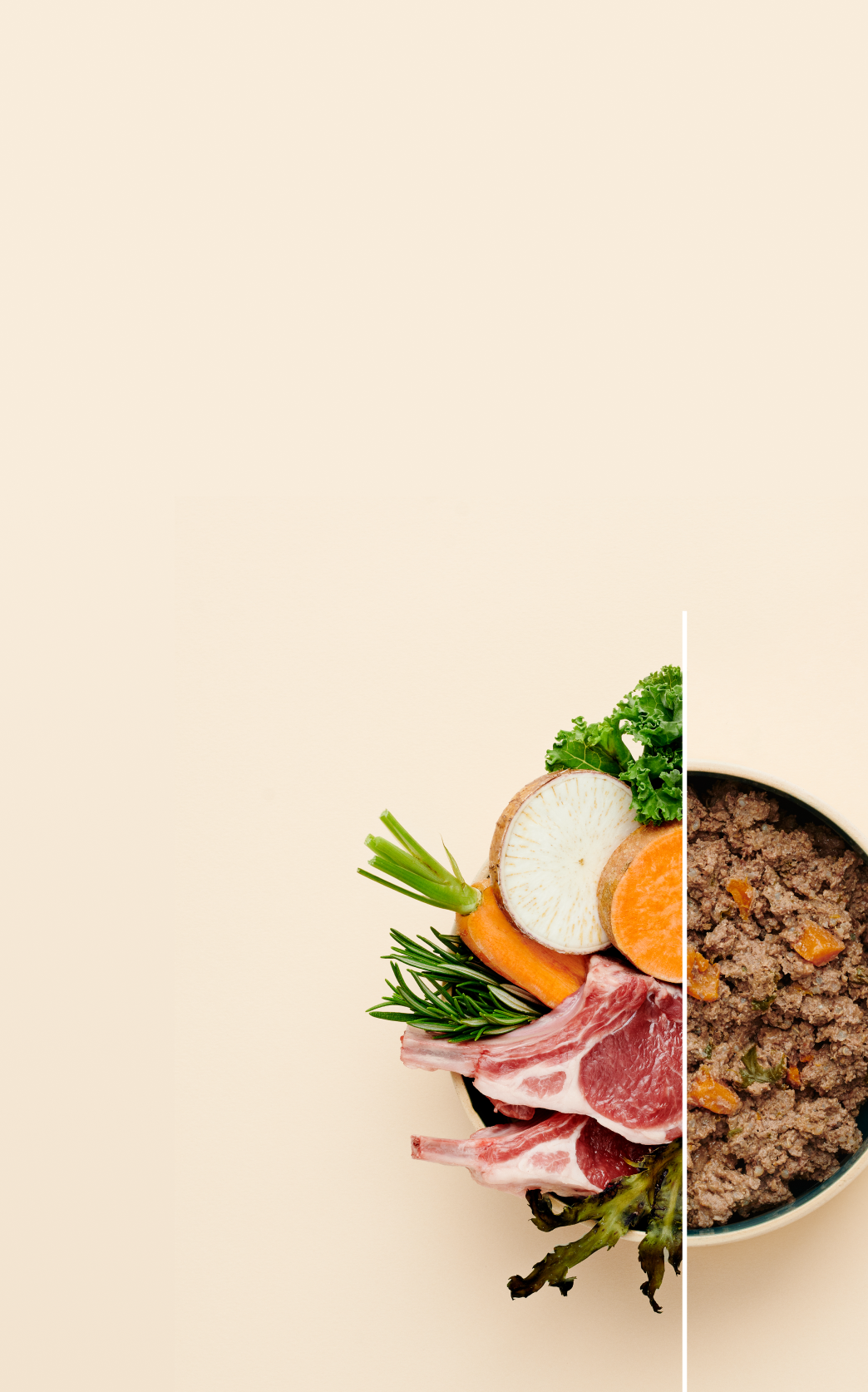
Freshly prepared British beef, veggies & superfoods
What protein is best for an Irish Setter?
Salmon is the strongest overall choice for Irish Setters - it provides clean, highly digestible protein, is naturally free from gluten, and delivers EPA and DHA omega-3 fatty acids that directly support the coat condition and reduce systemic inflammation the breed is prone to. Lamb is the best red meat alternative: it is lower in allergenicity than beef, sits well with reactive guts, and is a novel protein for most dogs currently eating chicken-based food.
Chicken and beef are not inherently problematic for Irish Setters, but dogs fed the same protein for extended periods develop sensitivities to it over time. For a breed already dealing with gut sensitivity, adding a dietary protein reaction on top of gluten sensitivity creates a more complex picture than necessary. Starting with salmon or lamb - and keeping the protein source consistent unless there is a clear reason to change - gives the gut the most stable environment to work with.
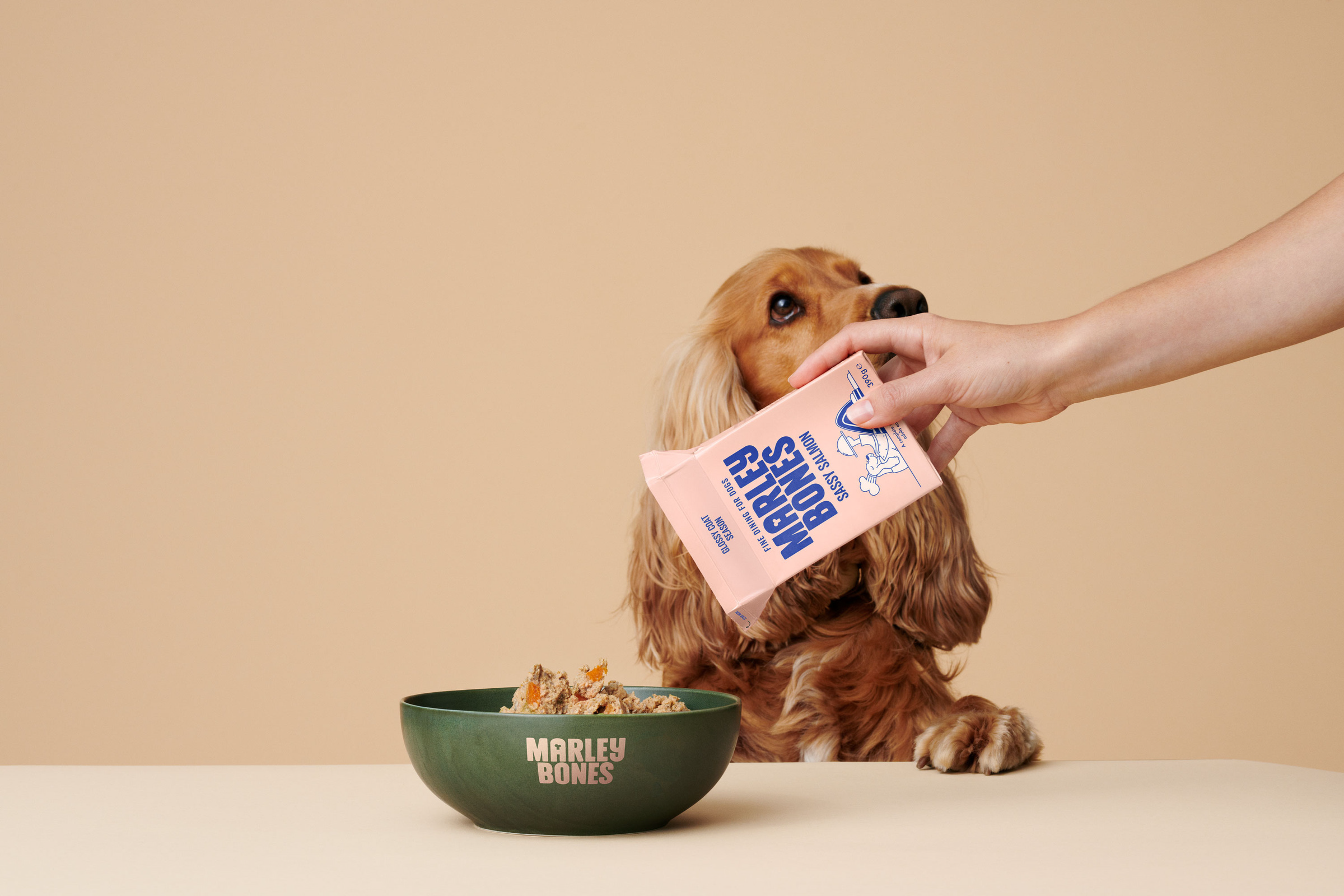
Single-protein meals make it straightforward to identify what the dog tolerates well. Marleybones Sassy Salmon is a single-protein fresh meal built around whole salmon with chicory root as a natural prebiotic - which gives the gut lining additional support particularly relevant for a breed recovering from or managing gluten sensitivity.
How much should I feed an Irish Setter?
Adult Irish Setters typically weigh between 25 and 32kg, but body condition is a more reliable guide than weight alone. The ribs should be easy to feel without pressing hard, and a waist should be visible from above. Irish Setters are energetic dogs that burn through calories on active days - but they are also a breed where owners underestimate how quickly weight creeps up during quieter periods or as the dog ages into middle age.
Feeding guides on packaging are a starting point. Fresh food tends to be more satiating than an equivalent calorie count in dry kibble because the higher moisture content fills more stomach volume. Owners switching from kibble to fresh food often find they can reduce the nominal calorie target slightly without the dog appearing hungry. Adjust portions against body condition over six to eight weeks, split the daily amount across two meals to reduce bloat risk, and account for treats in the total - they add up.
Every dog is different - build your personalised Marleybones feeding and health plan tailored to your dog's age, size, and health requirements.
How do different dog food formats compare for Irish Setters?
| Format | Moisture content | Processing level | Verdict for Irish Setters |
|---|---|---|---|
| Fresh (Pantry Fresh) | 65-75% | Minimal - slow low-temperature cooking | Best option - whole ingredients, no gluten grains, supports digestion and coat |
| Raw | 65-75% | None | Works for some - naturally gluten-free, but bacterial load and preparation are considerations |
| Wet / canned | 75-85% | Moderate | Better than kibble - check carefully for gluten-containing grains, quality varies widely |
| Cold pressed | Around 12% | Low - below extrusion temperatures | Reasonable middle ground - check grain content carefully for gluten-sensitive dogs |
| Dry kibble | Around 10% | High - high-temperature extrusion | Worst option for Irish Setters - high starch, often contains wheat, low moisture, hardest to digest |
FAQs
How often should I feed my Irish Setter?
Twice daily, in roughly equal portions, is the right structure for adult Irish Setters. A single large daily meal increases the volume of food in the stomach at one time, which raises the risk of bloat in a deep-chested breed. Morning and evening feeds, with at least an hour of rest after each meal before exercise, are the most practical arrangement.
My Irish Setter has loose stools - is that a food issue?
Loose stools in Irish Setters are frequently dietary in origin, and gluten-containing grains are the first thing to investigate if the dog is eating a standard dry kibble. Switching to a fresh or naturally gluten-free diet often produces a significant improvement within two to four weeks. If loose stools persist beyond that, are accompanied by weight loss, blood, or repeated vomiting, a vet assessment is the right next step - gluten enteropathy that has caused intestinal damage takes time to heal and may need clinical support alongside a dietary change.
Is grain-free food automatically right for Irish Setters?
Not automatically, but avoiding gluten-containing grains specifically - wheat, barley, rye - is genuinely important for this breed. Grain-free foods that replace gluten grains with large quantities of peas or lentils are not inherently better, and some evidence suggests high-legume diets have their own considerations. Whole gluten-free carbohydrate sources like sweet potato or brown rice in a fresh, minimally processed recipe are well-tolerated and do not carry the same risk.
Does diet affect the Irish Setter's coat?
Directly. The breed's deep mahogany coat needs dietary fat - specifically omega-3 fatty acids from oily fish - to stay glossy, soft, and in good condition. A diet low in quality fat, or one causing chronic gut inflammation, shows up quickly in a dull, dry, or thinning coat. Coat condition typically improves within six to eight weeks of switching to a diet with a natural omega-3 source, and is one of the clearest visible signals that a dietary change is working.
Is Marleybones Pantry Fresh good for Irish Setters?
Yes. Marleybones Pantry Fresh meals are vet-developed, contain no artificial preservatives or fillers, and are built around single, named protein sources with no gluten-containing grains - which directly addresses the Irish Setter's primary dietary vulnerability. Sassy Salmon is the strongest choice for this breed, providing whole salmon as a clean protein source alongside EPA and DHA omega-3 fatty acids and chicory root as a prebiotic for gut lining support. With over 2,000,000 meals delivered and a 4.9/5 Trustpilot rating, it is a practical, evidence-backed option for a breed where ingredient quality has a direct and visible effect on long-term health.
Can Irish Setter puppies eat fresh food?
Yes. Marleybones Pantry Fresh meals are complete for all life stages, including puppies. Irish Setter puppies are large-breed dogs that grow quickly, and the quality of their early diet has a lasting effect on joint development, gut health, and adult weight. Puppies need more frequent meals - three to four times daily up to around six months - and portion amounts should be adjusted as they grow. A fresh diet free from gluten grains is worth establishing early, before any sensitivity has time to develop.
How long before I see a difference after switching my Irish Setter's food?
Digestive changes - firmer stools, less wind, more settled gut - are usually visible within two to four weeks. Coat condition and energy levels take longer, typically six to eight weeks on a consistent diet. For dogs that have been eating gluten-containing food for years, the gut lining needs time to recover, and improvements may be gradual rather than immediate. If there is no meaningful change after six weeks, a vet review is worth booking to establish whether there is an underlying condition that diet alone cannot address.

Freshly prepared British chicken, veggies & superfoods


 Give your dog the quality nutrition they deserve
Real meat, wholesome veggies and functional superfoods.
Get 30% off: Take the quiz