



 Vet reviewed
What is the best dog food for a Havanese?

At a glance
- Havanese do best on fresh, whole-ingredient food built around a high-quality protein - the breed's fine, silky coat and sensitive digestive system both respond directly to ingredient quality in a way that makes food choice genuinely consequential.
- Salmon is the strongest protein choice for Havanese, providing EPA and DHA omega-3 fatty acids that support the long, silky coat this breed is defined by, as well as clean, digestible protein for a small digestive system.
- Fresh food with 65-75% moisture content supports kidney and urinary health in small breeds and is significantly easier for the Havanese gut to process than dry kibble with around 10% moisture.
- Weight management is important - Havanese are small dogs with big appetites, and excess weight places disproportionate strain on their joints and heart.
- Coat and skin quality in Havanese is one of the clearest indicators of nutritional status - a dull, dry, or brittle coat almost always signals a dietary gap, particularly in omega-3 fatty acids and named animal fats.
What is the best diet for a Havanese?
Fresh, minimally processed food built around a named, high-quality protein is the most appropriate diet for most Havanese. The breed is small, long-lived, and carries a coat that demands consistent nutritional input to stay in good condition. Those two facts together make ingredient quality and portion discipline the two most important variables in getting their diet right.
The case for fresh food over dry kibble is particularly clear for Havanese. Fresh food cooked from whole ingredients retains far more of its natural protein structure and nutritional value than high-temperature extruded kibble, which destroys a significant proportion of vitamins, fatty acids, and bioavailable nutrients in processing. For a breed where coat quality, digestive sensitivity, and dental health are all closely diet-dependent, reducing the processing load makes a visible difference.
The practical checklist for a good Havanese food is: a named protein source listed first on the label, omega-3 fatty acids from an identifiable oily fish source, no artificial preservatives or fillers, and controlled portions calibrated to a small dog's actual energy needs. Marleybones Pantry Fresh meals are vet-developed recipes slow-cooked from whole ingredients with no artificial additives, and suit a breed where the gap between a good diet and a poor one shows up quickly in coat, digestion, and energy.
Does diet affect the Havanese coat?
Directly and visibly. The Havanese coat is long, silky, and grows continuously - it needs a consistent supply of omega-3 fatty acids and named animal fats to stay soft, hydrated, and healthy. When those nutrients are absent or poorly sourced, the coat becomes dry, brittle, or dull, and no amount of grooming compensates for what the diet is failing to provide.
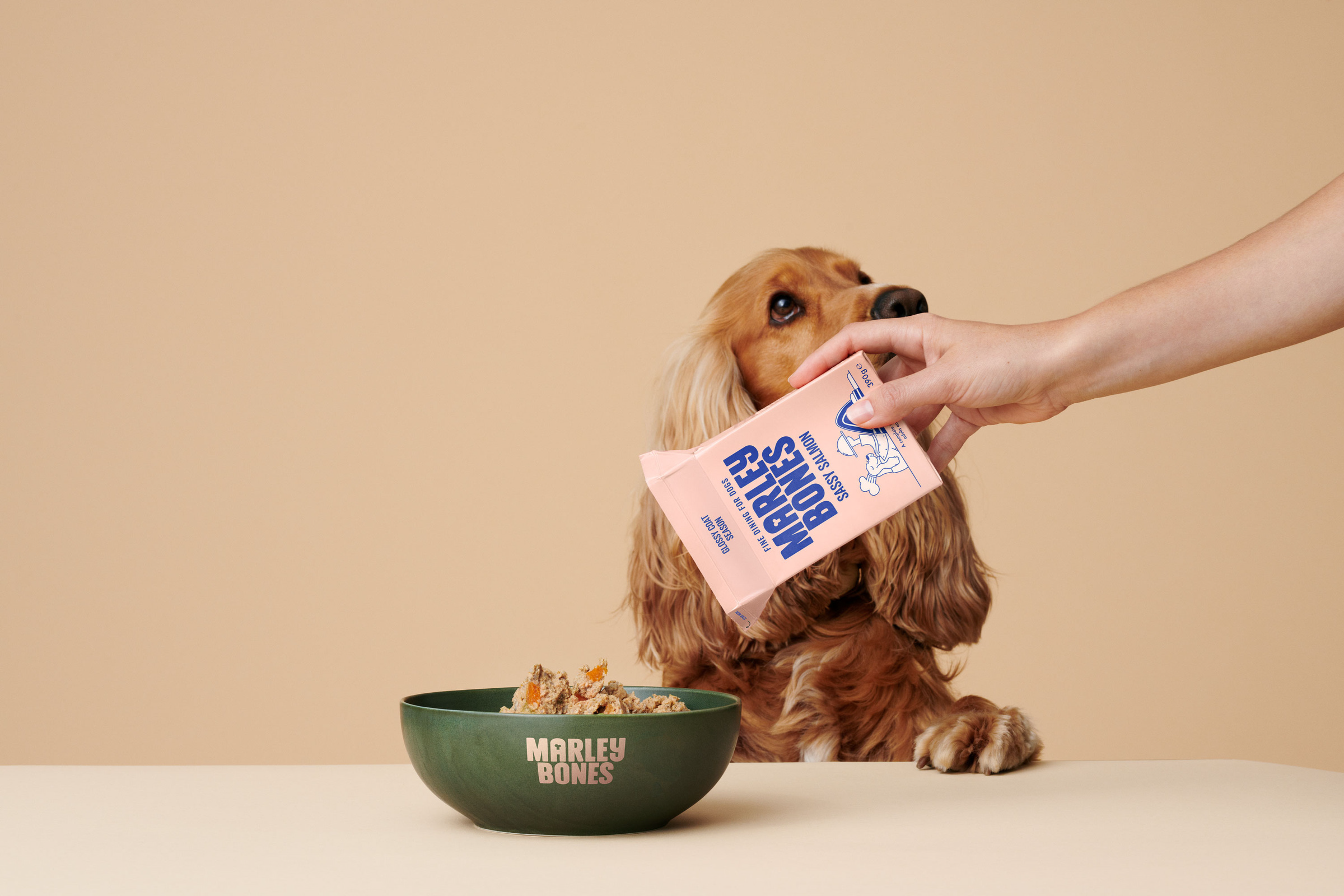
EPA and DHA from oily fish are the most practical dietary support for coat quality in this breed. They reduce systemic inflammation, reinforce the skin barrier that underlies the coat, and supply the lipids that keep individual hairs strong and glossy. A food that includes a genuine oily fish ingredient - not a synthetic omega-3 supplement added to an otherwise low-quality base - delivers these consistently. Marleybones Sassy Salmon is built around whole salmon as its primary ingredient, providing a natural source of EPA and DHA alongside clean, whole-food nutrition with no artificial additives.
Coat condition is also one of the earliest signs that the current diet is falling short. If your Havanese's coat has become harder to manage, lost its sheen, or is shedding more than usual, the ingredient list on their current food is the right place to start looking.

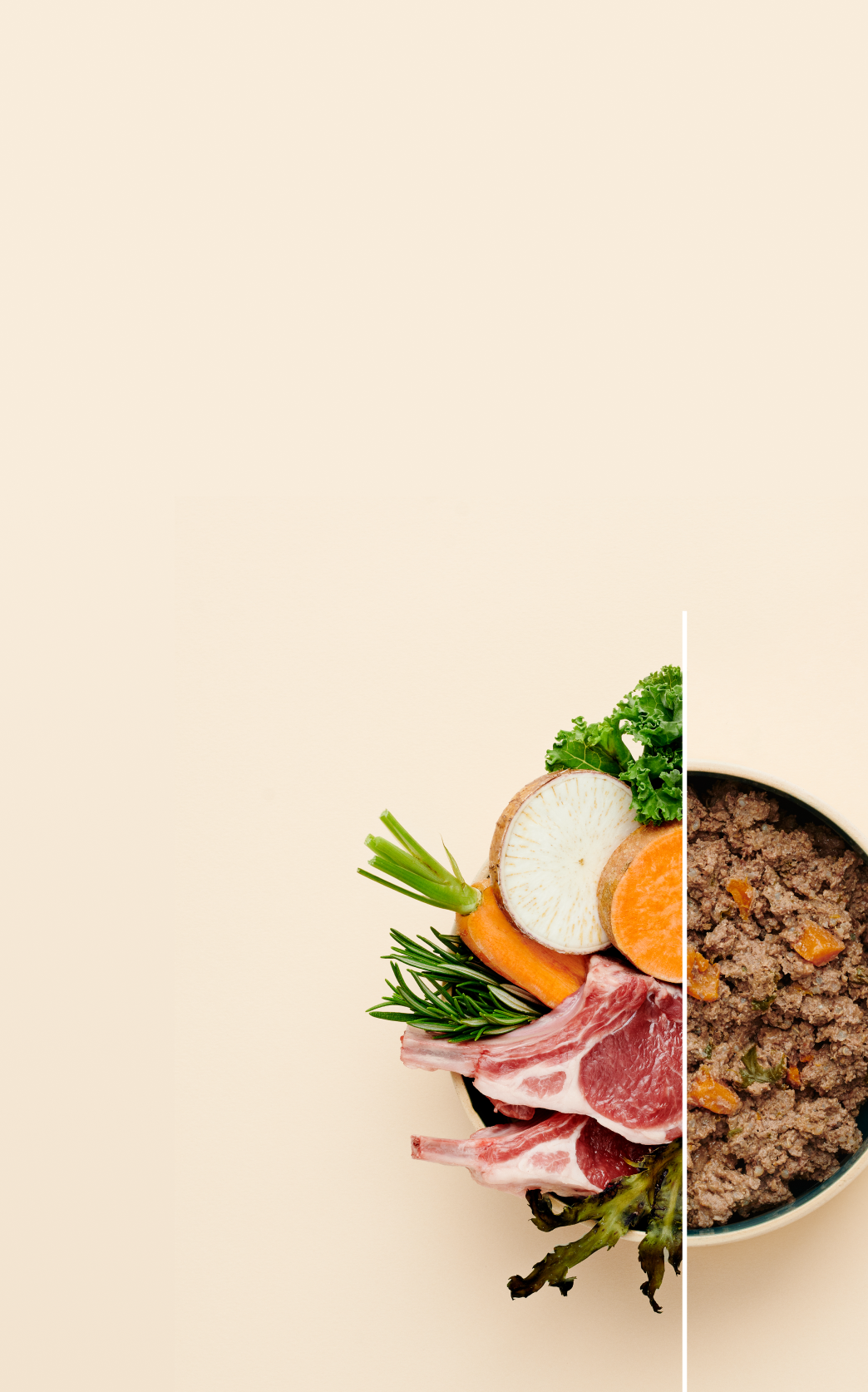
Freshly prepared British beef, veggies & superfoods
Do Havanese have sensitive stomachs?
Many do. Havanese have small, efficient digestive systems that handle minimally processed food well but struggle with the high-starch fillers, artificial additives, and denatured proteins common in standard dry kibble. The result is often loose stools, wind, or intermittent digestive upset that owners attribute to the breed rather than the food.
Switching protein source resolves digestive symptoms in many cases - Havanese fed the same chicken or beef-based food for extended periods develop sensitivities to those proteins over time. Lamb and salmon are lower-allergenicity alternatives that sit well with reactive guts, and single-protein meals make it straightforward to identify what the dog tolerates without guesswork. Dogs with recurring digestive issues almost always benefit from a reduction in processing load alongside a protein switch - fresh food addresses both simultaneously.
If digestive symptoms persist beyond four weeks of a consistent dietary change, or include blood in stools, significant weight loss, or repeated vomiting, see a vet before continuing to adjust the food.
What protein is best for a Havanese?
Salmon is the strongest starting point for most Havanese, providing clean, digestible protein alongside EPA and DHA omega-3 fatty acids that directly support the coat and skin issues the breed is prone to. It is a genuinely novel protein for many Havanese that have eaten chicken their whole lives, which reduces the chance of a pre-existing sensitivity.
Lamb is a strong alternative for dogs that need a red meat option or have already eaten fish regularly. It is lower in allergenicity than beef, digests well in smaller breeds, and tends to suit dogs with a reactive gut. Chicken and beef remain perfectly valid choices for Havanese with no digestive or skin history, but for dogs showing any signs of sensitivity, a novel protein is a more useful starting point than a brand switch within the same protein category.
Single-protein meals are the most practical choice for Havanese with any history of digestive or skin sensitivity. Marleybones Lush Lamb and Sassy Salmon are both single-protein recipes built around whole, identifiable ingredients, with chicory root as a natural prebiotic to support gut stability during and after a food transition.
How much should I feed a Havanese?
Most adult Havanese weigh between 3.5 and 6kg, but body condition tells you more than the scales. You should be able to feel the ribs without pressing hard, and see a defined waist when looking down from above. If neither is true, the daily portion needs reducing regardless of what the feeding guide suggests.
Fresh food is more satiating than an equivalent calorie count in dry kibble - the higher moisture content occupies more volume in the stomach, and most owners transitioning from kibble find they can reduce the nominal calorie amount without their dog appearing hungry. Adjust portions to body condition over six to eight weeks rather than treating the starting amount as fixed, and count treats in the daily total - they add up quickly in a dog this small.
Havanese that are spayed, neutered, or less active than average need fewer calories than the breed average, and the daily portion should reflect that rather than defaulting to a standard figure for their weight.
Are Havanese prone to dental problems, and does food help?
Dental disease is one of the most common health issues in small breeds, and Havanese are no exception. Small mouths mean crowded teeth, which makes plaque and tartar build-up faster and more consequential than in larger breeds. Diet is not a substitute for regular teeth cleaning, but it is a meaningful part of the picture.
Soft, wet food gets a reputation for causing dental problems, but the evidence points to heavily processed, starchy dry food as the bigger contributor - the sticky carbohydrate residue it leaves on teeth provides an ideal environment for bacteria. Fresh food with a lower starch load does not carry the same risk. Complementing the diet with dental chews or a review of the overall feeding approach is a more complete strategy than relying on any single format to keep teeth clean.
Every dog is different - build your personalised Marleybones feeding and health plan tailored to your dog's age, size, and health requirements.How do different dog food formats compare for Havanese?
| Format | Moisture content | Processing level | Verdict for Havanese |
|---|---|---|---|
| Fresh (Pantry Fresh) | 65-75% | Minimal - slow low-temperature cooking | Best option - whole ingredients, supports coat, digestion, and dental health |
| Raw | 65-75% | None | Works for some - bacterial load a consideration, requires careful preparation and handling |
| Wet / canned | 75-85% | Moderate | Better than kibble - ingredient quality varies widely, check the label carefully |
| Cold pressed | Around 12% | Low - below extrusion temperatures | Decent middle ground if fresh is not accessible - better nutrient retention than kibble |
| Dry kibble | Around 10% | High - high-temperature extrusion | Hardest to digest - low moisture and high starch load work against this breed's needs |
FAQs
How often should I feed my Havanese?
Twice daily is the standard for adult Havanese, splitting the daily portion into a morning and evening meal. One large meal is harder for a small digestive system to process efficiently and increases the risk of digestive upset. Puppies under six months need three to four smaller meals spread across the day.
My Havanese is a fussy eater - will they eat fresh food?
Almost certainly yes. Fresh food is significantly more aromatic and palatable than dry kibble - the moisture content, texture, and smell of real ingredients make it far more appealing to dogs that have learned to be selective. Transition gradually over seven to ten days to avoid digestive upset from the change, even if your Havanese shows immediate enthusiasm for the new food.
Why does my Havanese scratch so much?
Persistent scratching in Havanese is usually dietary in origin - either a reaction to a specific protein the immune system has flagged, or a deficiency in omega-3 fatty acids that leaves the skin barrier compromised and reactive. Switching to a novel protein and adding a natural source of EPA and DHA resolves the symptom in most cases within six to eight weeks. If scratching is accompanied by hair loss, open sores, or ear infections, a vet assessment is the right next step before adjusting the food further.
Is grain-free food better for Havanese?
Not automatically. Grains are not inherently problematic - the issue is the quantity of cheap, refined grain used as a filler in heavily processed dry food. A Havanese reacting to wheat in a low-quality kibble will often tolerate whole oats or brown rice in a fresh, minimally processed meal without any problem. Grain-free foods that substitute grain with large quantities of legumes are not automatically easier to digest and carry their own considerations.
Is Marleybones Pantry Fresh good for Havanese?
Yes. Marleybones Pantry Fresh meals are vet-developed, free from artificial preservatives and fillers, and available in single-protein recipes well-suited to a breed prone to digestive sensitivity and skin reactions. Sassy Salmon is the strongest choice for Havanese specifically, delivering a natural source of EPA and DHA omega-3 fatty acids from whole salmon - directly relevant to the coat and skin health this breed depends on. With over 2,000,000 meals delivered and a 4.8/5 Trustpilot rating, it is one of the most practical dietary switches an owner can make for a breed where ingredient quality shows up directly in coat condition and digestive comfort.
How long before I see results after switching my Havanese's food?
Digestive improvements - firmer stools, less wind, more consistent digestion - typically appear within two to four weeks. Coat condition takes longer; six to eight weeks is a realistic timeframe for a visible improvement in shine, texture, and manageability. Weight changes take eight to twelve weeks on a consistent portion to assess accurately. If there is no meaningful improvement after four weeks on a consistent new diet, the cause may not be dietary and a vet assessment is the right next step.
Can diet support a Havanese's joint health as they age?
Diet plays a supporting role in joint health, particularly through omega-3 fatty acids, which reduce systemic inflammation and help maintain comfortable movement in ageing dogs. Keeping weight within a healthy range is the most impactful dietary measure for joint health in small breeds - even a small amount of excess weight places meaningful additional load on joints over time. For dogs with established joint issues, a dedicated joint supplement alongside a high-quality base diet is a more complete approach.

Freshly prepared British chicken, veggies & superfoods


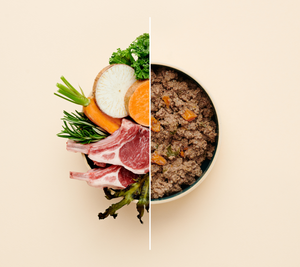 Give your dog the quality nutrition they deserve
Real meat, wholesome veggies and functional superfoods.
Get 40% OFF today