



 Vet reviewed
What’s the best dog food for a Harrier?

At a glance
- Harriers do best on fresh, whole-ingredient food built around a quality animal protein - the breed's high activity levels and deep chest mean energy density and digestive pacing both matter in their diet.
- Harriers are working-lineage scent hounds with genuine stamina needs - a diet that delivers sustained energy from quality protein and fat is more appropriate than one built around cheap carbohydrate fillers.
- Bloat risk in deep-chested breeds like the Harrier makes feeding routine as important as food choice - two meals a day and restricted exercise around feeding times are practical precautions worth keeping.
- Joint health is a meaningful consideration for an active breed built for endurance - omega-3 fatty acids from oily fish support joint tissue and reduce inflammation from sustained exercise.
- Harriers are not typically fussy eaters, but their enthusiasm for food makes portion discipline important - this is a breed that will eat past its calorie needs if given the opportunity.
What is the best diet for a Harrier?
Fresh dog food built around a high-quality named animal protein, with sufficient fat for sustained energy and no cheap starch bulking out the calorie count, is the most appropriate diet for most Harriers. The breed was developed for long days in the field - that working history means their nutritional requirements lean toward genuine fuel rather than the filler-heavy formulations that dominate the dry kibble market.
Heavily processed dry kibble delivers around 10% moisture and relies on high-temperature extrusion that degrades protein quality and strips natural nutrients. For a breed that needs its diet to support sustained physical output, fresh food with 65-75% moisture, whole-ingredient proteins, and minimal processing represents a meaningful step up from the nutrition available in most standard dry food.
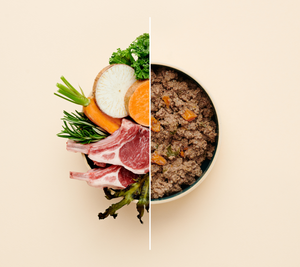
The practical checklist for a good Harrier food is: a named protein source in whole-ingredient form, quality fat for energy and joint support, omega-3 fatty acids from an identifiable source, and controlled portions to prevent the breed's natural food motivation from pushing weight upward. Marleybones Pantry Fresh meals are vet-developed, built from whole ingredients slow-cooked in-pack, and contain superfoods including chia seeds, hemp seeds, and linseeds - nutrients that actively support an active breed's recovery and joint health.
Should I be concerned about bloat in a Harrier?
Feeding management is the most practical intervention for reducing bloat risk in Harriers. The breed's deep chest creates the anatomical conditions for gastric dilatation-volvulus (GDV), and while diet alone cannot prevent it, how and when you feed makes a genuine difference. Two equal meals per day rather than one large feed, a rest period of at least an hour before and after vigorous exercise, and avoiding meals from raised bowls unless specifically recommended by a vet are the three most evidence-supported adjustments an owner can make.
Food choice plays a supporting role. Dry kibble expands significantly in the stomach as it absorbs moisture, which is a consideration in deep-chested breeds. Fresh food with high moisture content does not expand in the same way, reducing the gastric load after a meal. If your Harrier shows signs of a distended abdomen, unproductive retching, or obvious distress after eating, treat it as a veterinary emergency - bloat progresses quickly and requires immediate intervention.
What protein is best for a Harrier?
Beef and lamb are the strongest protein choices for most Harriers - both provide the dense, sustained energy that suits a breed built for endurance, and both sit well with dogs that have no existing sensitivities. Salmon is the standout choice for Harriers where joint support is a priority, delivering high-quality protein alongside EPA and DHA omega-3 fatty acids that directly reduce exercise-related inflammation and support cartilage health.
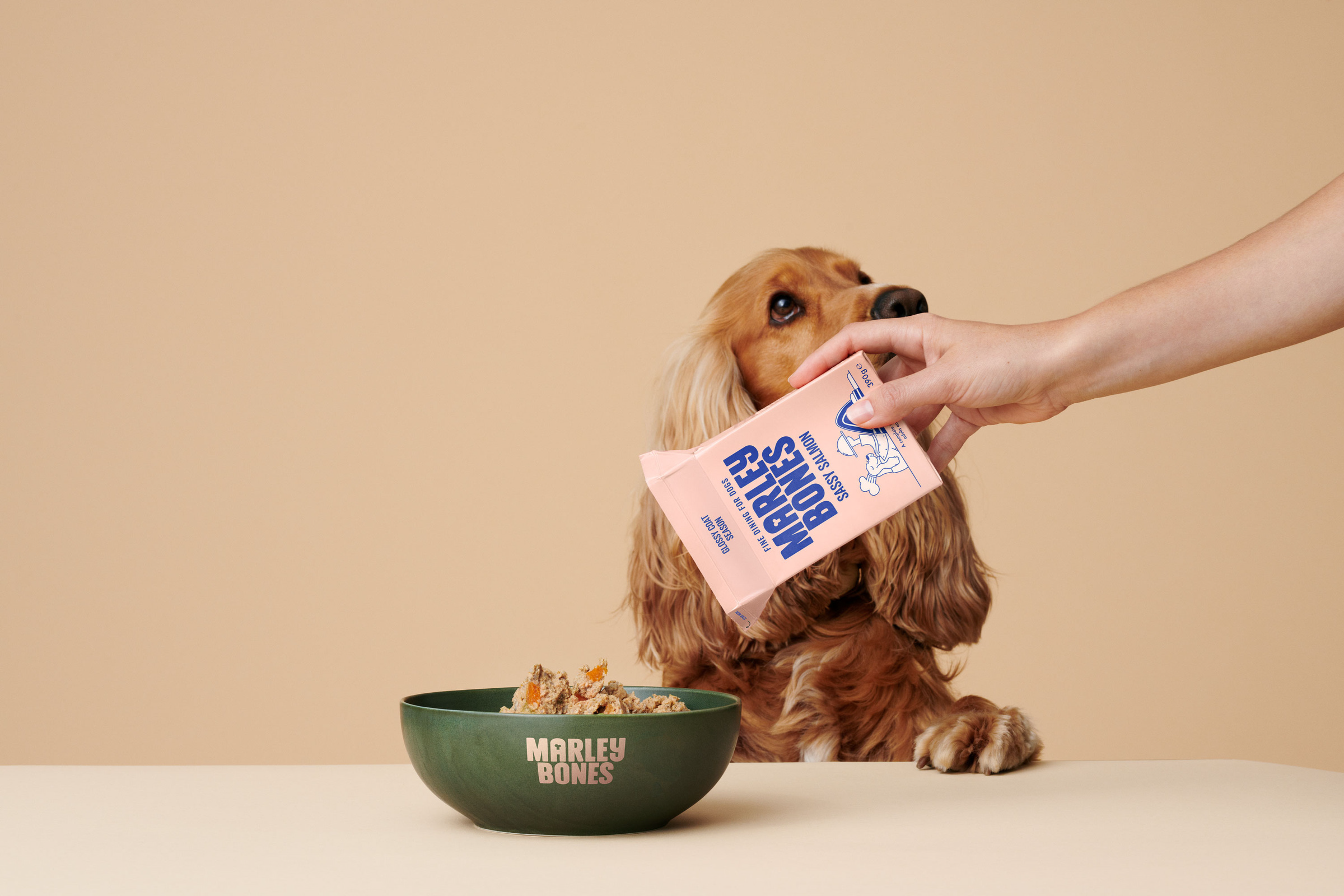
Harriers are not especially prone to food sensitivities, so protein choice is driven more by nutritional fit than by managing reactivity. That said, dogs that have eaten the same protein for years do develop sensitivities over time - if digestive symptoms or skin changes appear, rotating to a novel protein is a straightforward first step before assuming a clinical cause. For active Harriers where joint health is already a consideration, Marleybones Sassy Salmon provides a natural source of EPA and DHA alongside whole-ingredient nutrition that suits a high-activity breed.

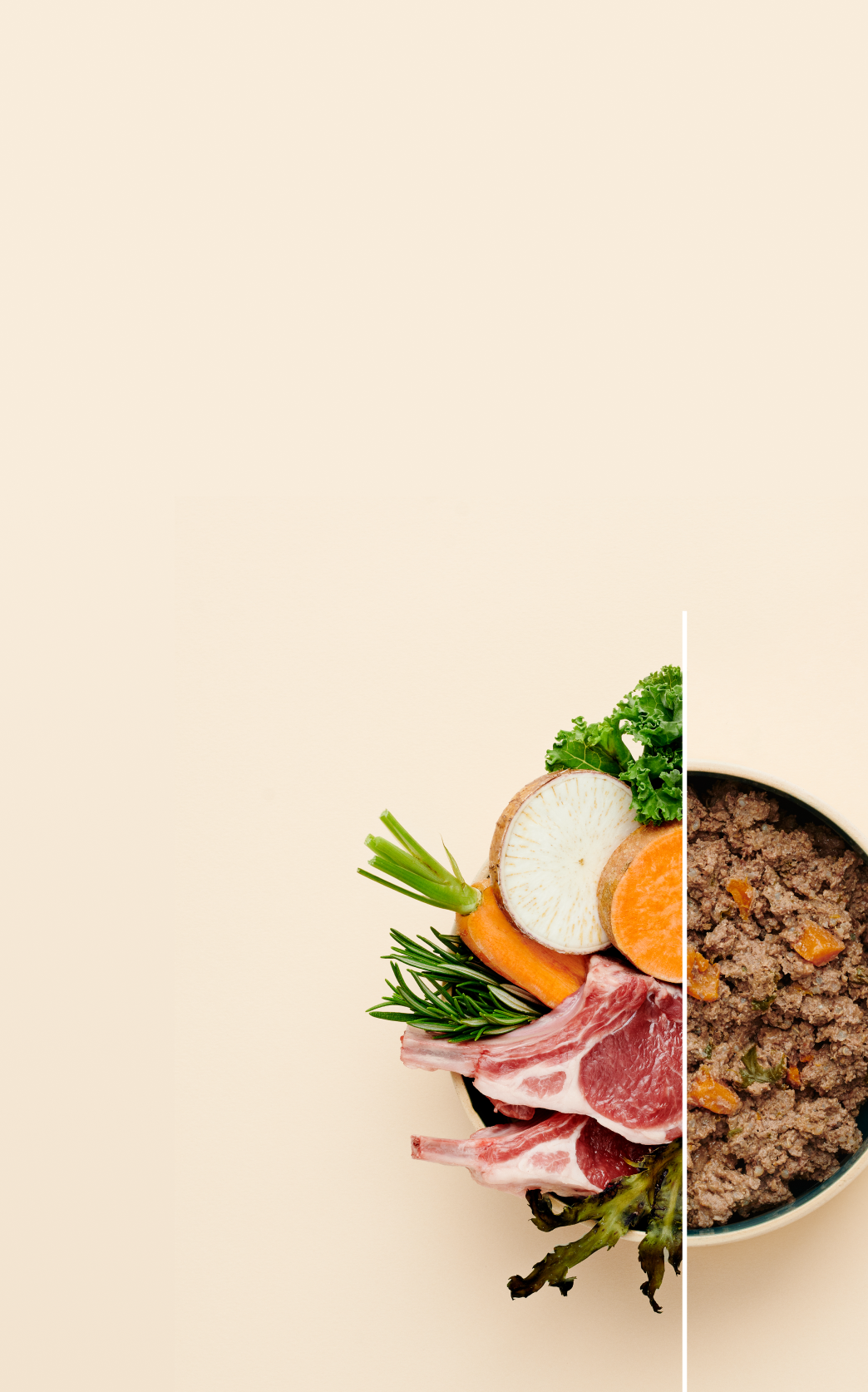
Freshly prepared British beef, veggies & superfoods
How much should I feed a Harrier?
Adult Harriers typically weigh between 22 and 27kg, though working dogs at the more active end of their exercise range sit toward the higher end of their calorie needs within that weight bracket. Body condition is the most reliable guide - ribs should be easily felt without pressing hard, and a waist should be visible when looking down from above. If neither is true, the daily portion needs reducing regardless of what the feeding guide suggests.
Feeding guides on packaging are a starting point calibrated to average activity levels. A Harrier in regular field work or high-intensity exercise needs more than a Harrier spending most of its time on lead walks, and the portion should reflect that reality. Owners switching from kibble to fresh food often find the higher moisture content in fresh food is more satiating volume-for-volume, and the initial suggested portion can feel generous. Adjust over six to eight weeks based on body condition, and factor treats into the daily total - this breed will not self-regulate.
Split the daily portion into two equal meals. Beyond the bloat precaution this represents, it sustains energy more evenly across the day than a single large feed, which suits the breed's metabolic demands.
Does a Harrier's activity level change what they need from their food?
Yes, directly. A Harrier in regular high-intensity exercise - hunting, scent work, or sustained running - burns significantly more calories than one in light daily exercise, and the nutritional demands shift accordingly. Protein and fat are the primary fuel sources for endurance activity; a diet that relies heavily on carbohydrate for its calorie count is a poor match for a dog bred to work all day.
Recovery is the other side of the equation. After sustained exercise, the body's demand for protein to repair muscle tissue and omega-3 fatty acids to manage inflammation is higher than at rest. A diet built around quality animal protein and a natural source of omega-3s supports recovery more effectively than one padded with grain or starch. For Harriers doing regular physical work, the Marleybones Omega Boosting Oil is a straightforward addition to meals, providing a concentrated source of EPA and DHA that complements whatever protein base the dog is eating. Joint health in active breeds is cumulative - the dietary choices made during peak activity years have a measurable effect on how well the dog moves in later life.
Every dog is different - build your personalised Marleybones feeding and health plan tailored to your dog's age, size, and health requirements.
How do different dog food formats compare for Harriers?
| Format | Moisture content | Processing level | Verdict for Harriers |
|---|---|---|---|
| Fresh (Pantry Fresh) | 65-75% | Minimal - slow low-temperature cooking | Best option - whole-ingredient protein and fat suit an active, deep-chested breed; high moisture reduces gastric load |
| Raw | 65-75% | None | Works for some - nutritionally dense and low-processing; bacterial load a consideration for households with children or immunocompromised adults |
| Wet / canned | 75-85% | Moderate | Better than kibble - ingredient quality varies widely; check the protein source and avoid recipes heavy on derivatives or fillers |
| Cold pressed | Around 12% | Low - below extrusion temperatures | A reasonable middle ground - lower processing than kibble, though still low in moisture; better protein quality than standard dry food |
| Dry kibble | Around 10% | High - high-temperature extrusion | Hardest to digest - expands in the stomach after eating, which is a specific concern for deep-chested breeds; lowest moisture and protein quality |
FAQs
How often should I feed my Harrier?
Twice daily, in equal portions morning and evening, is the right feeding routine for adult Harriers. A single large daily meal is not appropriate for a deep-chested breed - splitting the daily allowance across two feeds reduces the gastric load at any one time, which is a practical precaution against bloat. Avoid exercise for at least an hour either side of meals.
My Harrier always seems hungry - is that normal?
Yes, and it is a breed trait rather than a sign of underfeeding. Harriers are scent hounds with strong food motivation - they are wired to seek out food and will signal hunger convincingly regardless of whether they genuinely need more calories. Use body condition as your guide rather than behaviour: if the ribs are easily felt and a waist is visible, the portion is correct. Persistent begging in a dog with good body condition is a training issue, not a dietary one.
Do Harriers need joint supplements?
Active breeds like Harriers benefit from dietary support for joint health, particularly as they age or if they do regular high-intensity exercise. Omega-3 fatty acids from oily fish - specifically EPA and DHA - are the most evidence-supported nutritional intervention for joint inflammation and cartilage health. These come naturally from salmon-based meals or can be added via an omega oil supplement. A diet built around quality animal protein and natural omega-3 sources is the foundation; supplements add to that rather than compensating for a poor base diet.
Is grain-free food better for Harriers?
Not automatically. Grains are not inherently problematic for Harriers, which are not a breed with notable grain sensitivity. The more relevant question is whether the carbohydrate source in a food - grain or grain-free alternative - is being used to provide meaningful nutrition or simply to bulk out the calorie count cheaply. A Harrier doing regular exercise does not need a high-starch diet regardless of whether the starch comes from grain or from peas and lentils. Whole-ingredient food with quality protein and fat as the primary calorie sources is the priority.
Is Marleybones Pantry Fresh good for Harriers?
Yes. Marleybones Pantry Fresh meals are vet-developed, built from whole ingredients slow-cooked in-pack, and contain no artificial preservatives or fillers - which suits an active breed that needs its food to work as genuine fuel. Sassy Salmon is a strong choice for Harriers where joint support is a priority, providing natural EPA and DHA omega-3s alongside quality protein. With over 2,000,000 meals delivered and a 4.9/5 Trustpilot rating, Marleybones is a practical option for owners who want ingredient quality and feeding convenience without compromise.
Can I feed my Harrier puppy the same food as an adult?
Marleybones Pantry Fresh meals are complete for all life stages including puppies, so the same recipes work across the dog's life - the portion size and feeding frequency are what change. Harrier puppies need more frequent meals than adults: three to four smaller feeds daily until around six months, moving to twice daily as they mature. Puppy portions should be calculated on current weight and expected adult size, and adjusted regularly as the dog grows.
How long before I see a difference after switching my Harrier's food?
Stool quality and digestion typically stabilise within two to four weeks of a food switch. For active Harriers, improvements in coat condition and energy consistency are usually visible within six to eight weeks. Transition gradually over seven to ten days to avoid digestive disruption - even dogs with no history of sensitivity benefit from a phased switch when moving from processed dry food to fresh.

Freshly prepared British chicken, veggies & superfoods


 Give your dog the quality nutrition they deserve
Real meat, wholesome veggies and functional superfoods.
Get 40% OFF today