





 Vet reviewed
What is the best dog food for a Finnish Spitz?

At a glance
- Finnish Spitzes do best on fresh, whole-ingredient food built around a quality protein - the breed's active metabolism and double-coat maintenance make nutrient density and ingredient quality central to keeping them in good condition.
- Salmon and lamb are the strongest protein choices for Finnish Spitzes - both support the dense double coat that defines the breed and are well-tolerated by dogs with no prior sensitivity to those proteins.
- Fresh food with 65-75% moisture supports the breed's digestion and coat condition more reliably than dry kibble, which provides around 10% moisture and places a higher processing load on the gut.
- Finnish Spitzes are lean, athletic dogs - portion discipline matters to preserve that natural build, and weight gain from overfeeding shortens the working life of their joints.
- Omega-3 fatty acids from oily fish are the most practical dietary support for the breed's thick double coat - they maintain the skin barrier, reduce shedding-related inflammation, and keep the coat dense and glossy through seasonal blows.
What is the best diet for a Finnish Spitz?
Fresh dog food built around a high-quality named protein, with genuine vegetables and no artificial additives, is the most appropriate diet for most Finnish Spitzes. The breed is naturally active and energetic, with a metabolism that rewards nutrient density over calorie padding. Food that delivers real nutrition from identifiable ingredients supports that metabolism far more effectively than heavily processed dry food with synthetic fortification.
The processing load in standard dry kibble - high-temperature extrusion at around 150-180°C - degrades proteins and destroys heat-sensitive nutrients that a working Nordic breed actually needs. Fresh food cooked at lower temperatures retains more of its natural protein structure and micronutrient content, and the higher moisture content supports digestion without requiring supplemental hydration to compensate for the dryness of kibble. For a breed that can be particular about what it eats, the palatability of fresh food also matters practically.
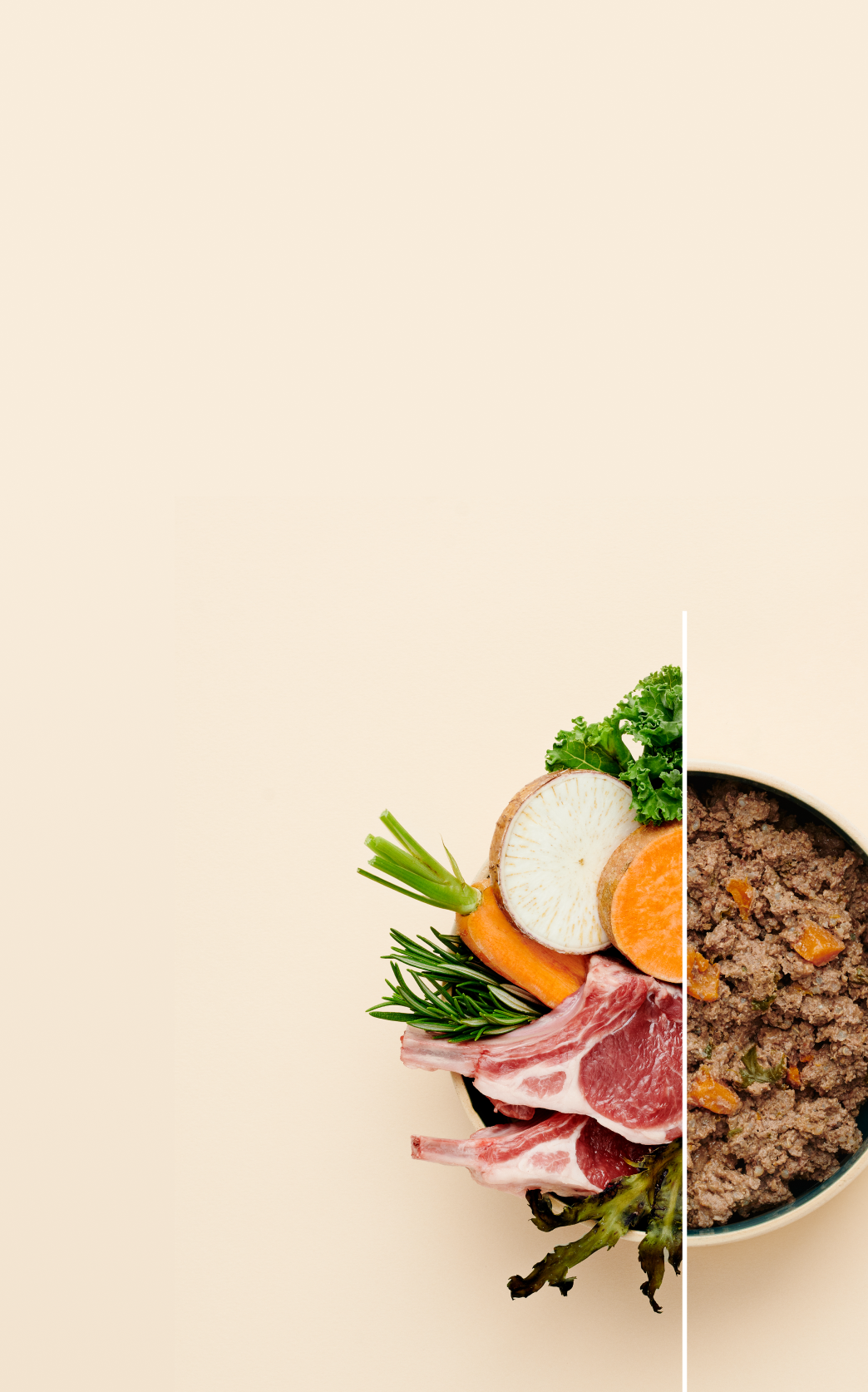
The practical checklist for a good Finnish Spitz food is: a named protein source, omega-3 fatty acids for coat and skin support, real vegetables delivering natural vitamins and antioxidants, no artificial preservatives or fillers, and controlled portions calibrated to activity level. Marleybones Pantry Fresh meals are built around exactly those principles - vet-developed recipes slow-cooked from whole ingredients, with superfoods including chia seeds, hemp seeds, and chicory root in every recipe, and no artificial additives.
Is the Finnish Spitz a fussy eater?
Yes, more than owners sometimes expect. The Finnish Spitz is an independent, intelligent breed that applies the same discriminating attention to its food bowl that it applies to everything else. Dogs that reject heavily processed kibble are not being awkward - they are responding accurately to low palatability. Fresh food, with its aroma, moisture, and recognisable ingredients, is accepted far more readily by selective eaters, and the Finnish Spitz is a breed where this plays out consistently.
If a Finnish Spitz is regularly leaving food in the bowl, skipping meals, or eating reluctantly, the first consideration is food quality rather than behavioural management. Fresh food is significantly more palatable than dry kibble for most dogs, and for a breed with strong sensory awareness, the difference in acceptance is often immediate. Transition gradually over seven to ten days to avoid digestive upset, even if the dog appears keen to eat the new food straight away.
What does diet do for the Finnish Spitz's double coat?
The Finnish Spitz has a dense, stand-off double coat that sheds heavily twice a year and requires genuine nutritional support to stay in good condition between seasonal blows. Coat quality in this breed is directly observable - a well-nourished Finnish Spitz has a thick, glossy, fox-red coat with a defined texture; a dog fed on poor-quality food shows it clearly in dullness, excess shedding, and a coat that lies flat rather than standing off the body as it should.
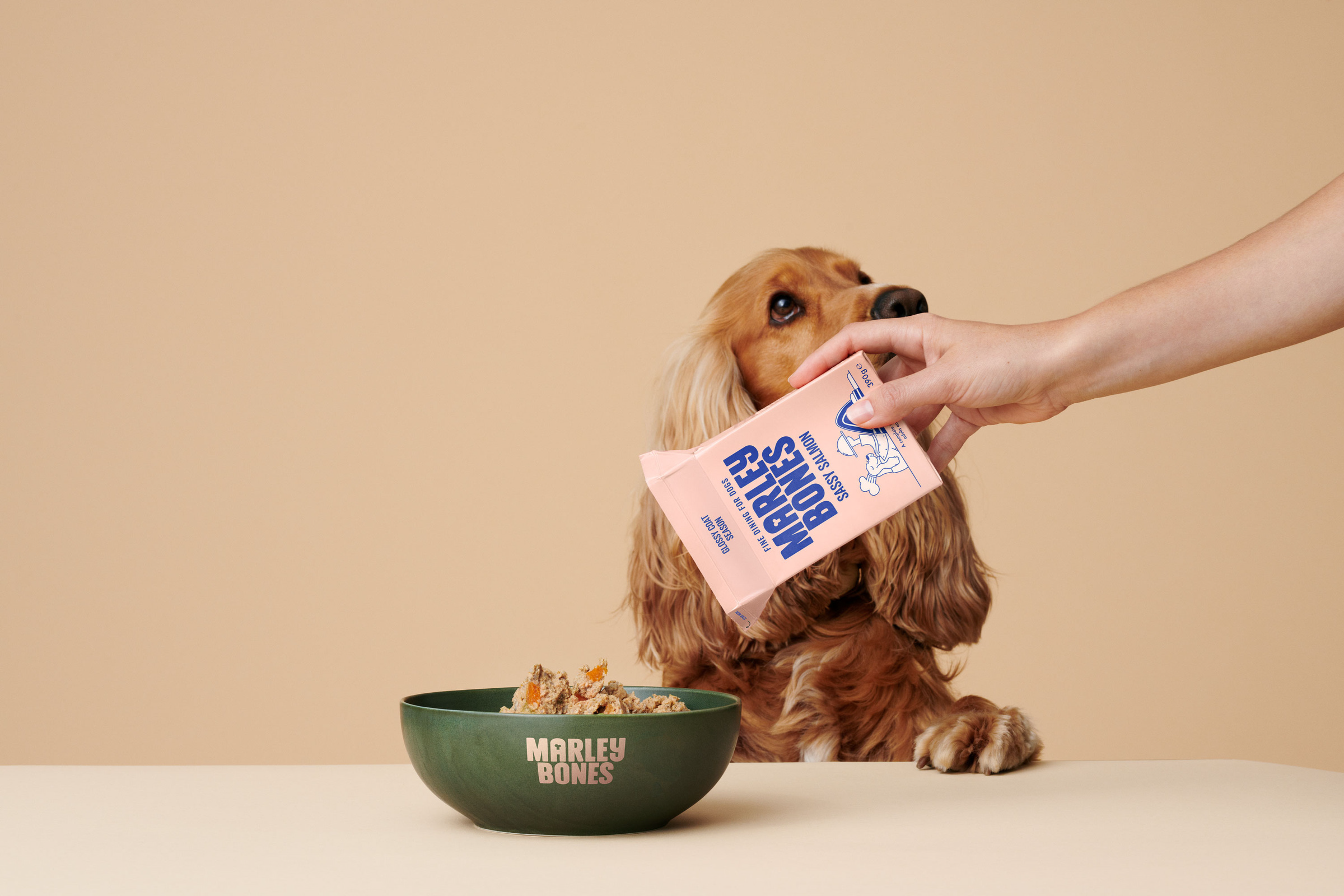
Omega-3 fatty acids - EPA and DHA from oily fish - are the most evidence-backed dietary support for the skin barrier and coat health. They reduce the low-level inflammation that drives excessive shedding, maintain the sebaceous glands that keep the coat waterproofed and glossy, and support skin integrity through the stress of seasonal coat blows. A diet that includes a natural source of these fatty acids as an actual ingredient, rather than a synthetic additive in an otherwise low-quality food, delivers more consistent results. Marleybones Sassy Salmon provides a natural source of EPA and DHA alongside whole ingredients and no artificial additives, making it one of the most practical choices for a breed where coat condition reflects nutritional status so visibly.
Coat improvement after a dietary switch typically shows over six to eight weeks - the natural renewal cycle for skin and coat means results are not immediate, but they are consistent.

Freshly prepared British beef, veggies & superfoods
What protein is best for a Finnish Spitz?
Salmon and lamb are the strongest starting points for most Finnish Spitzes. Salmon provides clean protein alongside omega-3 fatty acids that directly benefit the breed's coat and skin, making it the most nutritionally targeted choice. Lamb is a lower-allergenicity red meat option that tends to sit well with dogs that have any history of digestive sensitivity or that have eaten chicken and beef for extended periods - long enough for a sensitivity to those proteins to develop.
Chicken and beef are the proteins most commonly fed across the dog food market, which means Finnish Spitzes eating them over years are statistically more likely to develop a reaction. Rotating to a novel protein - one the dog has not eaten regularly - reduces that risk and gives the immune system less opportunity to mount a response. Single-protein meals make it straightforward to identify what the dog tolerates. Meals like Marleybones Lush Lamb, built around a single whole-meat protein with chicory root as a natural prebiotic, give the gut the support it needs during and after the switch.
For Finnish Spitzes in good digestive health with no history of sensitivity, chicken and beef remain perfectly appropriate choices and are nutritionally complete. The recommendation to start with salmon or lamb is strongest for dogs with any existing skin or digestive signals.
How much should I feed a Finnish Spitz?
Adult Finnish Spitzes typically weigh between 7 and 13kg, with males at the top of that range and females toward the lower end. Body condition is a more useful guide than weight alone - you should be able to feel the ribs without pressing, and see a clear waist tuck from above and from the side. The breed carries a lean, athletic build naturally and should never look padded or heavy around the flanks.
Activity level is the most important variable when setting daily portions. A Finnish Spitz getting two substantial walks and off-lead running time burns meaningfully more than one living a quieter urban life, and portions should reflect that. Fresh food is more satiating than an equivalent calorie count in dry kibble - the higher moisture content occupies more stomach volume - so dogs transitioning from kibble often need a lower nominal calorie count than their previous feeding guide suggested, without appearing hungry. Adjust portions to body condition over six to eight weeks rather than holding rigidly to the initial suggested amount, and factor in any treats - they add up quickly with a food-interested breed.
If you notice weight gain or a softening of the waist, reduce the daily portion by 10% and reassess after three weeks before making further changes. Puppies and seniors need different calorie levels and feeding frequencies - the packaging guide and a vet conversation are the right reference points for those life stages.
Every dog is different - build your personalised Marleybones feeding and health plan tailored to your dog's age, size, and health requirements.
How do different dog food formats compare for Finnish Spitzes?
| Format | Moisture content | Processing level | Verdict for Finnish Spitzes |
|---|---|---|---|
| Fresh (Pantry Fresh) | 65-75% | Minimal - slow low-temperature cooking | Best option - whole ingredients support the double coat and active metabolism |
| Raw | 65-75% | None | Works for some - preparation and bacterial load require careful management |
| Wet / canned | 75-85% | Moderate | Better than kibble - ingredient quality varies widely, check labels carefully |
| Cold pressed | Around 12% | Low - below extrusion temperatures | Decent middle ground if fresh is not accessible - better nutrient retention than kibble |
| Dry kibble | Around 10% | High - high-temperature extrusion | Hardest to digest - lowest moisture, least palatable for a selective breed like the Finnish Spitz |
FAQs
How often should I feed my Finnish Spitz?
Twice daily is the right frequency for adult Finnish Spitzes - morning and evening in roughly equal portions. It suits the breed's digestion better than a single large meal and maintains more consistent energy across the day for an active dog. Puppies under six months need three to four smaller meals daily to support growth without overloading the digestive system.
Why does my Finnish Spitz shed so much even outside of moulting season?
Year-round heavy shedding in a Finnish Spitz is often a sign that the skin barrier is under-supported nutritionally. The most common cause is a diet low in omega-3 fatty acids, which maintain the skin's integrity and regulate the inflammatory processes that drive excess shedding. Switching to a food with a natural source of EPA and DHA - salmon being the most direct - produces a noticeable improvement in shedding levels and coat density over six to eight weeks.
Is grain-free food better for Finnish Spitzes?
Not automatically. Grains are not inherently problematic - whole oats and brown rice in a minimally processed food are digested quite differently from the large quantities of low-grade wheat used as cheap filler in many dry kibbles. A Finnish Spitz reacting to a grain-heavy kibble is more likely reacting to the volume of starch or the processing load than to grain itself. Grain-free foods that substitute grain with large quantities of legumes or peas are not automatically easier to digest and bring their own nutritional considerations.
Does diet affect joint health in Finnish Spitzes?
Yes, in two practical ways. First, maintaining a lean body weight reduces the mechanical load on joints throughout the dog's life - even modest overweight adds meaningful stress to hips and elbows over time. Second, omega-3 fatty acids from oily fish have well-documented anti-inflammatory effects that support joint comfort, particularly in older dogs. A diet that addresses both - nutrient-dense enough to support a lean build, and rich enough in omega-3s to reduce joint inflammation - is the most practical long-term support alongside appropriate exercise.
Is Marleybones Pantry Fresh good for Finnish Spitzes?
Yes. Marleybones Pantry Fresh meals are vet-developed, contain no artificial preservatives or fillers, and are available in single-protein recipes that suit a breed prone to selective eating and coat-related nutritional demands. With a 4.9/5 Trustpilot rating and over 2,000,000 meals delivered, Sassy Salmon is the strongest choice for Finnish Spitzes - it provides a natural source of EPA and DHA for double-coat support alongside whole, recognisable ingredients the gut handles easily. Lush Lamb is the strongest alternative for dogs that need a red meat option or have already eaten fish regularly.
Can I feed my Finnish Spitz puppy Pantry Fresh food?
Yes - Marleybones Pantry Fresh meals are complete for all life stages, including puppies. The key adjustment for Finnish Spitz puppies is frequency and portion size rather than food type: three to four smaller meals daily up to six months, moving to twice daily as they approach adulthood. Puppies have higher energy and protein requirements per kilogram of body weight than adults, so use the puppy feeding guide on the packaging and adjust as growth rate levels off.
My Finnish Spitz has recurring digestive upset - what should I change first?
Start by changing the protein source rather than the brand. Finnish Spitzes eating the same chicken or beef-based food for extended periods develop sensitivities to those proteins, and switching to a novel protein - lamb or salmon - is the most targeted first step. A single-protein, fresh food with a natural prebiotic like chicory root gives the gut the best conditions to settle. If symptoms persist beyond four weeks, include blood in stools, or are accompanied by weight loss, see a vet before continuing to adjust the diet.

Freshly prepared British chicken, veggies & superfoods


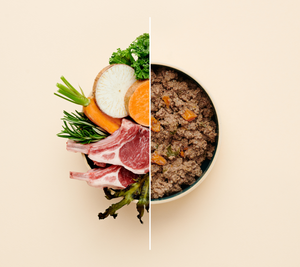 Give your dog the quality nutrition they deserve
Real meat, wholesome veggies and functional superfoods.
Get 30% off: Take the quiz