

Cost of Feeding a Large Breed Dog vs a Small Breed Dog

At a glance
- Feeding a large breed dog (30-40kg) typically costs two to four times more per month than feeding a small breed dog (under 10kg).
- Daily food intake scales with body weight, so portion size is the single biggest factor in the cost gap, not the price per kilo of food.
- A small dog can eat 60-120g of food a day, while a large dog needs 350-500g or more.
- Fresh food costs more per month than kibble in most cases, but portion sizes needed are often smaller because it is more calorie-dense and digestible.
- Treats, supplements, and vet bills also rise with size, adding further to the total cost of ownership.
How much more does it cost to feed a large dog than a small dog?
Feeding a large breed dog costs two to four times more than feeding a small breed dog, purely because of how much more food a bigger body needs. A Chihuahua weighing 3-4kg might eat 60-100g of food daily. A Labrador or German Shepherd weighing 30-35kg needs 350-450g a day. Multiply that by 30 days and the gap becomes obvious: small dogs might cost £15-30 a month to feed, while large dogs often cost £60-120 a month, depending on the food type.
Portion requirements are calculated from body weight and activity level, not breed size directly. That means a lean, moderately active 30kg dog and a lean, moderately active 5kg dog are both eating roughly the same percentage of their body weight in food each day. The absolute quantity, and therefore the cost, simply scales up with size. This is one of the most consistent patterns across all dog food types, from kibble to fresh dog food.
What actually drives the cost difference between small and large dogs?
Body weight drives the cost difference more than any other factor, because calorie needs and food volume both increase with size. A dog's daily calorie requirement is roughly proportional to its metabolic body weight, which does not scale in a perfectly straight line but still rises sharply as weight increases. A 5kg dog needs around 200-300 calories a day. A 35kg dog needs 1,300-1,800 calories a day, six to nine times more.
Life stage matters too. Puppies of large breeds eat more relative to their adult weight during growth phases, and growth takes longer, up to 18-24 months compared to 9-12 months for small breeds. That extends the higher-cost feeding period for large breed owners. Activity level also plays a role: a working or highly active large dog can need 20-30% more calories than a sedentary one of the same size, which widens the cost range further.
| Dog size | Typical weight | Daily food (fresh, approx) | Daily calories | Estimated monthly cost |
|---|---|---|---|---|
| Small | 3-10kg | 60-150g | 200-450 kcal | £15-40 |
| Medium | 10-25kg | 150-300g | 450-1,000 kcal | £40-80 |
| Large | 25-40kg | 300-500g | 1,000-1,800 kcal | £70-130 |
| Giant | 40kg+ | 500-700g+ | 1,800-2,500+ kcal | £100-180+ |
Does the type of food change how big the cost gap is?
Yes. The gap between small and large dog feeding costs narrows slightly with more calorie-dense foods, because dense food means smaller portions relative to body weight for every dog, not just large ones. Kibble is the most calorie-dense format by volume, so it tends to produce the smallest absolute cost gap between sizes. Wet food and fresh food are less calorie-dense per gram, so portion sizes are larger, and the pound-per-day gap between a small and large dog widens more noticeably.
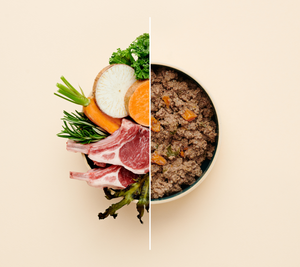
That said, digestibility matters as much as calorie density. Highly digestible food means more of what a dog eats gets absorbed and used, rather than passing through unused. This is one reason fresh food portions can be smaller than expected once a dog adjusts. Marleybones Pantry Fresh meals are vet-developed and FEDIAF compliant, meaning they meet the nutritional standards set for complete dog food across the EU and UK, so portions are calculated to meet a dog's actual needs rather than padded out with fillers that add bulk without nutrition. If you're weighing up formats, comparing fresh food against kibble directly shows how portion size and cost interact in practice.
What other costs scale with dog size beyond food?
Treats, supplements, grooming, and veterinary costs all rise with dog size, on top of the base food bill. Treats are usually priced and portioned by weight, so a large dog working through a bag of chews gets through it faster than a small dog would. Supplement dosing, such as for joint support or omega oils, is also weight-based, meaning large dogs need higher doses and go through products faster.
- Flea and worming treatments: priced in weight bands, with large dog doses costing 50-100% more than small dog doses.
- Joint supplements: large and giant breeds are more prone to hip and elbow issues, often needing supplementation from middle age onward.
- Anaesthesia and surgery costs: dosed by body weight, making procedures for large dogs significantly more expensive.
- Boarding and grooming: many providers charge by weight or size category, with large dogs at the top tier.
None of this means owning a large dog is unaffordable, but it does mean total lifetime costs are meaningfully higher. Budgeting for food, treats like the range of Marleybones treats, and routine health support upfront avoids surprises later. If a dog of any size shows persistent weight loss, appetite changes, or digestive issues, a vet check is the right next step rather than adjusting food alone.
Every dog is different, in weight, activity, breed, and health history, so cost estimates are only ever a starting point. Build your personalised Marleybones feeding and health plan tailored to your dog's age, size, and health requirements for a more accurate picture of what feeding your dog actually costs.

“Such a relief to see her enjoying her food”
FAQs
Is it cheaper to feed a small dog than a large dog?
Yes, significantly. Small dogs eat far less food per day, so monthly and lifetime feeding costs are lower across every food type, from kibble to fresh food.
How much does it cost to feed a large dog per month in the UK?
Large dogs (25-40kg) typically cost £70-130 a month on standard commercial diets, and more on premium fresh or wet food, depending on brand and portion size.
Do large breed puppies cost more to feed than small breed puppies?
Yes. Large breed puppies grow for 18-24 months and eat proportionally more during that period, extending the higher-cost feeding phase compared to small breeds, which mature by 9-12 months.
Does fresh food cost more than kibble for large dogs?
Fresh food generally costs more per month than kibble for any size of dog, because it uses whole ingredients rather than dried, concentrated meal. The gap is larger for big dogs simply due to portion size.
What is the single biggest factor in dog feeding costs?
Body weight. Daily food quantity and calorie needs scale directly with a dog's weight, making portion size the biggest driver of cost, more than food type or brand.
“A complete game changer!!”


 Give your dog the quality nutrition they deserve
Real meat, wholesome veggies and functional superfoods.
Get 40% OFF today