




 Vet reviewed
What is the best dog food for Dogue de Bordeaux?

At a glance
- Dogues de Bordeaux do best on fresh, whole-ingredient food built around a high-quality animal protein - the breed's large frame, heavy musculature, and known susceptibility to joint and digestive issues make ingredient quality and correct portion discipline genuinely important.
- Joint health is a priority for this breed - omega-3 fatty acids from oily fish reduce systemic inflammation and support cartilage, making protein source selection more nutritionally significant than it is for lighter breeds.
- Bloat is a serious risk for deep-chested dogs like the Dogue de Bordeaux - feeding habits and food format both play a role in management, and how you feed matters as much as what you feed.
- Fresh food with 65-75% moisture content is easier on the digestive system than dry kibble, and supports the hydration a heavy, barrel-chested dog requires to maintain healthy organ function.
- Weight management is essential - excess body weight accelerates joint deterioration in a breed already predisposed to hip and elbow problems, making calorie-dense, low-quality food a direct risk factor.
What is the best diet for a Dogue de Bordeaux?
Fresh dog food built around a single, high-quality animal protein with minimal processing, no artificial additives, and a controlled calorie density is the most appropriate diet for most Dogues de Bordeaux. The breed's combination of heavy musculature, deep chest, and known vulnerability to joint deterioration means that both ingredient quality and portion accuracy matter more than they do for lighter, more robust breeds.
Heavily processed dry kibble is high in starch, low in moisture, and requires the digestive system to work considerably harder than fresh food cooked from whole ingredients. For a breed that already carries significant skeletal load and is prone to bloat, reducing the processing burden on the gut is a practical nutritional priority, not just a nice-to-have.
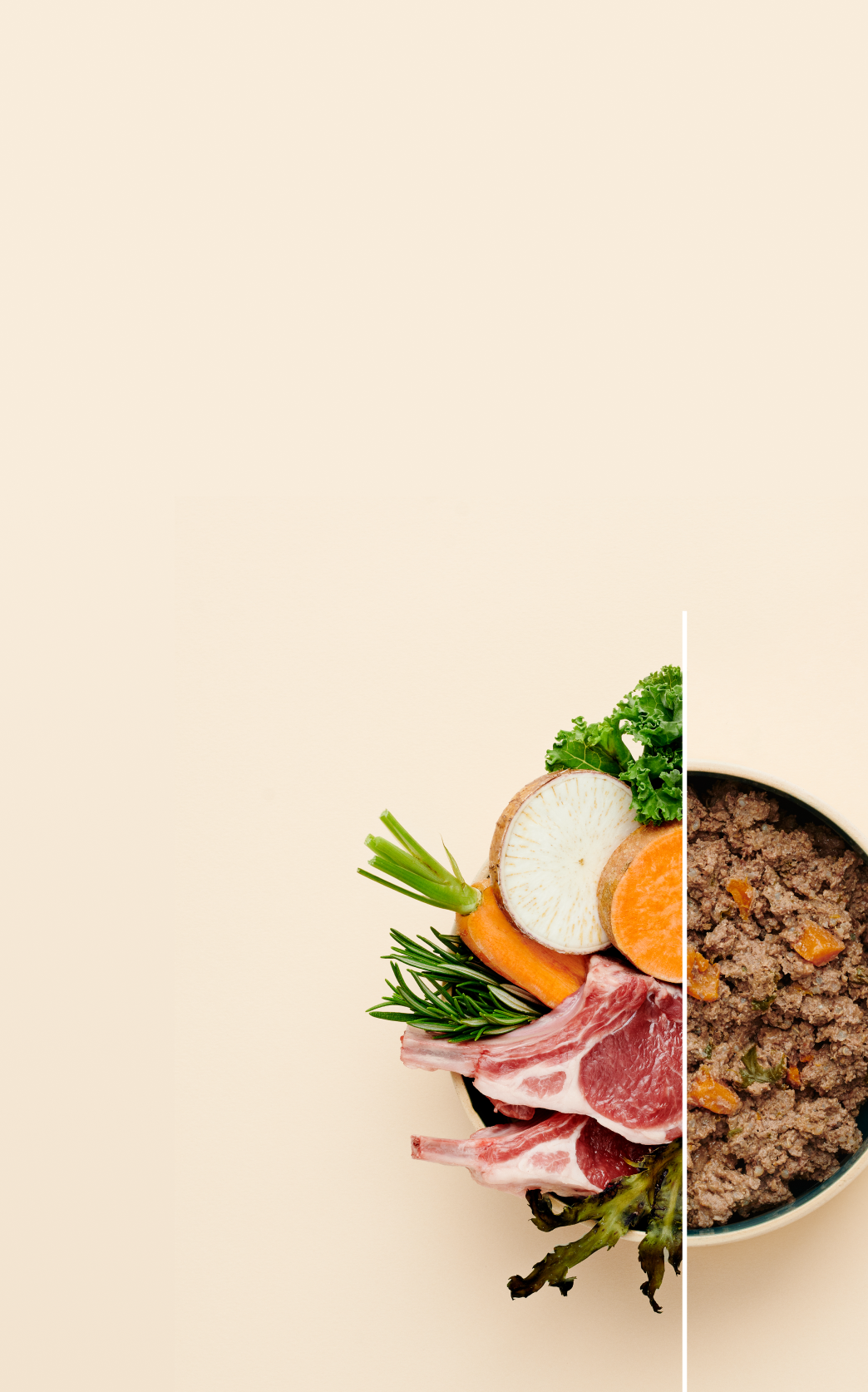
The practical checklist for a Dogue de Bordeaux diet is: a named animal protein as the primary ingredient, omega-3 fatty acids for joint and inflammatory support, no artificial preservatives or cheap grain fillers, and a portion size calibrated precisely to the individual dog's condition rather than general packaging guidance. Marleybones Pantry Fresh meals are vet-developed, slow-cooked from whole ingredients with no artificial additives, and available in single-protein recipes well-suited to a breed where joint support and digestive load both need consideration.
Do Dogues de Bordeaux have digestive problems?
Digestive sensitivity is common in the breed and is usually related to what they are eating rather than an unavoidable physiological trait. The Dogue de Bordeaux has a deep, narrow chest relative to its bulk, which makes the stomach more mobile and more susceptible to the gas build-up and fermentation that contributes to bloat. High-starch kibble that ferments in the gut increases this risk directly.
Beyond bloat risk, recurring loose stools, wind, and intermittent digestive upset are frequently seen in Dogues de Bordeaux fed heavily processed diets. Switching to a fresh, minimally processed food removes the most common dietary contributors - high-heat denatured proteins, cheap grain fillers, and synthetic additives - and tends to produce meaningful improvement within two to four weeks. For dogs with persistent digestive issues, a single-protein fresh meal is the most reliable starting point, as it removes the guesswork around which ingredient is causing the problem.
If digestive symptoms include repeated vomiting, visible abdominal distension, or signs of pain, seek veterinary attention immediately - in a deep-chested breed, these can be signs of gastric dilatation-volvulus (GDV), which is a medical emergency.
How does diet support joint health in a Dogue de Bordeaux?
Dietary support for joints works on two levels in this breed: reducing the body weight that loads the joints, and directly reducing the inflammation that accelerates cartilage deterioration. Both are achievable through food.
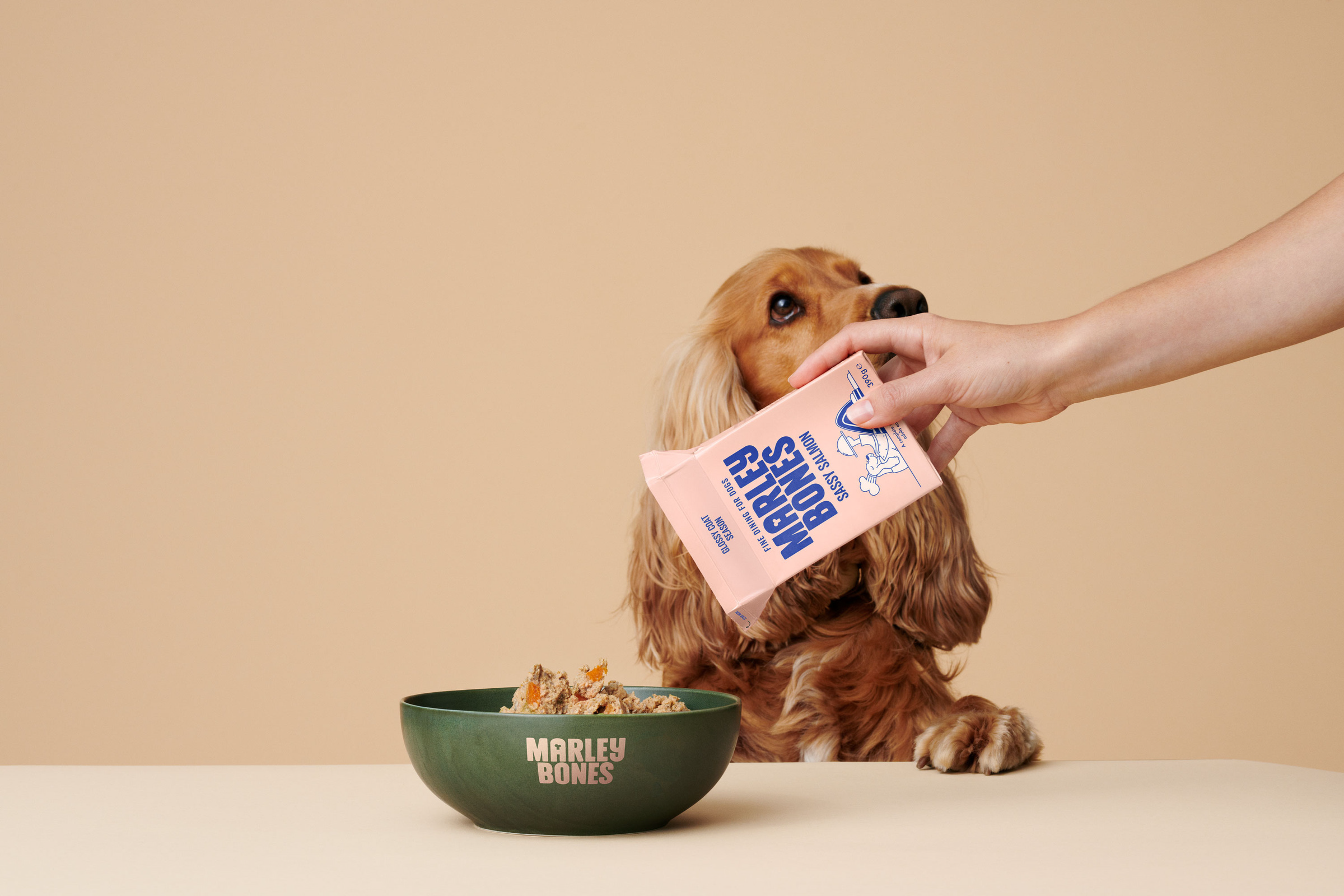
Omega-3 fatty acids, specifically EPA and DHA from oily fish, are the most evidence-backed dietary intervention for canine joint health. They reduce systemic inflammation at the cellular level, which slows the progression of joint wear and reduces discomfort in dogs already showing stiffness. A diet built around salmon provides this naturally as part of the whole ingredient, rather than as a synthetic supplement added to an otherwise poor-quality food. Marleybones Sassy Salmon delivers a natural source of EPA and DHA alongside whole ingredients, without the artificial additives that can contribute to low-grade systemic inflammation.
Maintaining a lean body condition is the single most effective dietary intervention for joint health in this breed. Every kilogram of excess weight adds disproportionate load to hip and elbow joints already under pressure from the Dogue's natural build. Calorie-dense, low-moisture foods make this harder to manage - fresh food's higher moisture content is more satiating per calorie, which makes lean condition easier to maintain without leaving the dog feeling underfed.
What protein is best for a Dogue de Bordeaux?
Salmon and lamb are the strongest protein choices for most Dogues de Bordeaux. Salmon provides clean, highly digestible protein alongside the omega-3 fatty acids the breed specifically needs for joint and inflammatory support. Lamb is an excellent red meat alternative - lower allergenicity than beef and well-tolerated by dogs with reactive digestion, while still providing the amino acid profile a heavily muscled breed requires.
Beef and chicken are not harmful for dogs without established sensitivities, but they are the proteins most commonly overfed in UK households, which increases the likelihood of a dog developing a reaction over time. For a breed where digestive sensitivity and joint inflammation are both ongoing management considerations, rotating away from the most common proteins is a straightforward risk reduction. Lush Lamb and Sassy Salmon are both single-protein Marleybones recipes built around whole, identifiable ingredients with chicory root as a natural prebiotic - giving the gut structural support alongside quality nutrition.
Single-protein meals are always the more reliable option for a breed with any history of sensitivity, making it significantly easier to identify what the dog tolerates well and adjust accordingly.
How much should I feed a Dogue de Bordeaux?
Adult Dogues de Bordeaux typically weigh between 54 and 68kg for males, and 45 to 57kg for females, but body condition is a more reliable guide than the scales. You should be able to feel the ribs without pressing hard, and the waist should be visible when looking down from above. For a breed that carries this much natural bulk, visual assessment can be misleading - running your hands along the ribcage regularly gives a more accurate read.
Packaging feeding guides are starting points only, and they are commonly set on the generous side. Fresh food is more satiating than the equivalent calorie count in dry kibble, because the higher moisture content occupies more volume in the stomach, so owners switching from kibble to fresh food find they can reduce nominal calorie intake without the dog appearing unsatisfied. Adjust portions based on body condition over eight to twelve weeks rather than treating the initial amount as fixed.
Two meals a day is the standard for adults - one in the morning, one in the evening, in roughly equal portions. For a deep-chested breed at bloat risk, splitting daily food intake across two meals rather than one large meal is not just a preference, it is a meaningful management strategy. Avoid vigorous exercise for at least an hour before and after feeding.
Every dog is different - build your personalised Marleybones feeding and health plan tailored to your dog's age, size, and health requirements.How do different dog food formats compare for Dogues de Bordeaux?
| Format | Moisture content | Processing level | Verdict for Dogues de Bordeaux |
|---|---|---|---|
| Fresh (Pantry Fresh) | 65-75% | Minimal - slow low-temperature cooking | Best option - whole ingredients, supports joint health, digestion, and lean condition |
| Raw | 65-75% | None | Works for some - bacterial load a consideration for large households; preparation demands are significant at this breed's portion sizes |
| Wet / canned | 75-85% | Moderate | Better than kibble - moisture content helps, but ingredient quality varies widely; check the label carefully |
| Cold pressed | Around 12% | Low - below extrusion temperatures | Decent middle ground - lower processing than kibble, but moisture content remains a limitation for this breed |
| Dry kibble | Around 10% | High - high-temperature extrusion | Hardest on digestion - high starch content increases bloat risk; worst option for this breed |
FAQs
How often should I feed a Dogue de Bordeaux?
Twice daily, morning and evening in equal portions, is the standard for adult Dogues de Bordeaux. Splitting meals reduces the volume of food entering the stomach at any one time, which is a meaningful practical step in managing bloat risk for a deep-chested breed. Puppies under six months need three to four smaller meals a day to support growth without overloading the digestive system.
Is bloat really linked to diet in Dogues de Bordeaux?
Diet is one of several contributing factors to gastric dilatation-volvulus (GDV) in deep-chested breeds, and it is one of the factors owners can directly control. High-starch, heavily processed foods ferment more readily in the gut and produce more gas. Feeding one large meal a day, feeding immediately before or after exercise, and using raised bowls are all associated with increased risk. Two smaller meals of a minimally processed food, with exercise avoided around feeding times, is the most practical dietary risk reduction available.
Why does my Dogue de Bordeaux drool so much, and does diet make a difference?
Drooling is a physical trait of the breed, driven by the loose flews and jowls rather than anything dietary. Diet does not reduce drooling volume, but it does affect what the drool smells like - strong or sour-smelling saliva is often a sign of digestive imbalance or poor oral health, both of which improve on a fresh, minimally processed diet. If drooling is accompanied by retching or restlessness, treat it as a potential bloat symptom and seek veterinary attention promptly.
Can diet help with hip and elbow dysplasia in a Dogue de Bordeaux?
Diet cannot prevent hip or elbow dysplasia, which has a strong genetic component, but it can slow progression and reduce daily discomfort. Maintaining a lean body condition reduces the load on affected joints, and omega-3 fatty acids from oily fish reduce the inflammation that drives joint deterioration. A diet built around salmon - with natural EPA and DHA - combined with precise portion control to avoid excess weight, represents the most practical nutritional support available. If your dog has a confirmed diagnosis, discuss veterinary dietary management alongside any food changes.
Is Marleybones Pantry Fresh good for Dogues de Bordeaux?
Yes. Marleybones Pantry Fresh meals are vet-developed, contain no artificial preservatives or fillers, and are available in single-protein recipes suited to a breed where joint support, digestive sensitivity, and weight management all need consideration simultaneously. Sassy Salmon is the strongest choice for Dogues de Bordeaux, delivering natural EPA and DHA omega-3s alongside whole, digestible ingredients. With a 4.9/5 Trustpilot rating and over 2,000,000 meals delivered, it is a practically proven option for a breed where ingredient quality has a direct impact on long-term health.
How long before I see a difference after changing my Dogue de Bordeaux's food?
Digestive changes - firmer stools, less wind, more settled gut - typically appear within two to four weeks of a dietary switch. Joint-related improvements, including reduced stiffness and better mobility, take longer to show and are most noticeable over three to six months of consistent feeding. Weight changes require eight to twelve weeks of consistent portions to assess accurately. If there is no meaningful improvement after four weeks, the issue may not be dietary and a vet assessment is the right next step.
Should I use a joint supplement alongside food for my Dogue de Bordeaux?
A high-quality diet built around omega-3-rich proteins addresses joint inflammation at the foundation level, and for many dogs that is sufficient. Where joint stiffness is already established or progressing, a dedicated joint health supplement containing glucosamine and chondroitin provides a more targeted level of support alongside the diet. The two work better together than either does alone - food sets the nutritional baseline, and a supplement addresses the specific structural needs of joints under load.


 Give your dog the quality nutrition they deserve
Real meat, wholesome veggies and functional superfoods.
Get 30% off: Take the quiz