



 Vet reviewed
What is the best dog food for Danish-Swedish Farmdogs?

At a glance
- Danish Swedish Farmdogs do best on fresh, whole-ingredient food built around a quality protein - the breed's high energy output and lean, athletic build make nutrient density and digestibility the two most important factors in their diet.
- This is a working-breed type with a fast metabolism: underfeeding is as common a mistake as overfeeding, and portions need adjusting seasonally as activity levels change.
- Chicken and beef are the proteins most likely to cause sensitivity in dogs that have eaten them long-term - lamb and salmon are stronger starting points for any Danish Swedish Farmdog with recurring digestive upset or skin irritation.
- Fresh food with 65-75% moisture content supports the lean muscle mass this breed relies on and is significantly easier to digest than dry kibble.
- Omega-3 fatty acids from oily fish support the coat and help manage the low-grade joint load that comes with a life built around constant movement.
What is the best diet for a Danish Swedish Farmdog?
Fresh dog food built around a high-quality, named protein source is the most appropriate diet for most Danish Swedish Farmdogs. The breed is compact and athletic, with a metabolism that runs fast and a digestive system that responds well to clean, minimally processed ingredients. Feeding a food that delivers genuine nutritional density - rather than bulk calories from grain fillers - keeps the lean physique and energy levels this breed is built on.
Heavily processed dry kibble contains around 10% moisture and puts a higher load on the digestive system than most owners realise. Fresh food, cooked at lower temperatures from whole ingredients, retains more of its natural protein structure and delivers far higher moisture content, both of which matter for a dog that burns through energy quickly and needs efficient nutrient absorption to sustain it.
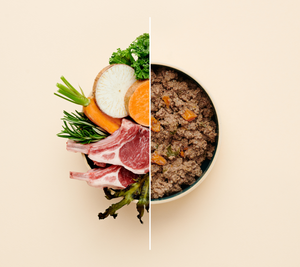
The practical checklist for a good Danish Swedish Farmdog food is: a named protein you can read on the label, sufficient fat for energy and coat health, omega-3 fatty acids from a natural source, no artificial preservatives or fillers, and portions adjusted regularly to match activity. Marleybones Pantry Fresh meals are vet-developed, slow-cooked from whole ingredients, and contain no artificial additives - exactly what this breed's fast metabolism and clean digestive system reward.
Does the Danish Swedish Farmdog's energy level affect how you feed them?
Directly and significantly. Danish Swedish Farmdogs are working-breed types that originated as farm ratters and general-purpose dogs - the breed retains that drive and needs to be fed accordingly. A highly active dog in regular work or sport needs proportionally more protein and fat than the same dog on a quiet week, and the feeding guide on any packet should be treated as a starting point rather than a fixed rule.
The more practical risk with this breed is chronic underfeeding. Because they are small - typically 7 to 12kg - owners sometimes feed for size rather than activity level, leaving the dog under-fuelled. An underfed Danish Swedish Farmdog loses condition quickly: the topline becomes sharp, the ribs too easy to feel, and energy flags. Check body condition every few weeks rather than relying on a static daily gram amount.
Fresh food is better suited to this kind of responsive feeding than dry kibble, because the caloric density per gram is easier to adjust meaningfully in small increments. It also delivers the protein quality that sustained activity demands - the amino acid profile in a whole-ingredient fresh meal supports muscle maintenance more effectively than the denatured proteins in high-temperature extruded kibble.
Do Danish Swedish Farmdogs have digestive sensitivities?
As a breed, Danish Swedish Farmdogs are not especially delicate, but they are fed predominantly chicken or beef-based diets throughout their lives, which increases the risk of developing a sensitivity to those proteins over time. When loose stools, wind, or intermittent digestive upset appear in an otherwise healthy dog, the protein source is the first variable to change - not the brand.
A fresh, single-protein diet with no artificial additives resolves most diet-related digestive symptoms within two to four weeks. The reduction in processing load from switching away from dry kibble alone tends to make a visible difference in stool quality and wind. Chicory root, included in Marleybones recipes as a natural prebiotic, feeds the beneficial gut bacteria that keep digestion stable - a practical inclusion for a breed that works hard and needs consistent energy from its food.
If digestive symptoms persist beyond four weeks on a new diet, or include blood in stools, significant weight loss, or vomiting, see a vet before making further adjustments.
What protein is best for a Danish Swedish Farmdog?
Lamb and salmon are the strongest starting points for Danish Swedish Farmdogs, particularly those with any history of digestive upset or skin irritation, or those currently eating chicken or beef. A protein the dog has not eaten regularly is less likely to cause a problem because no sensitivity has developed.
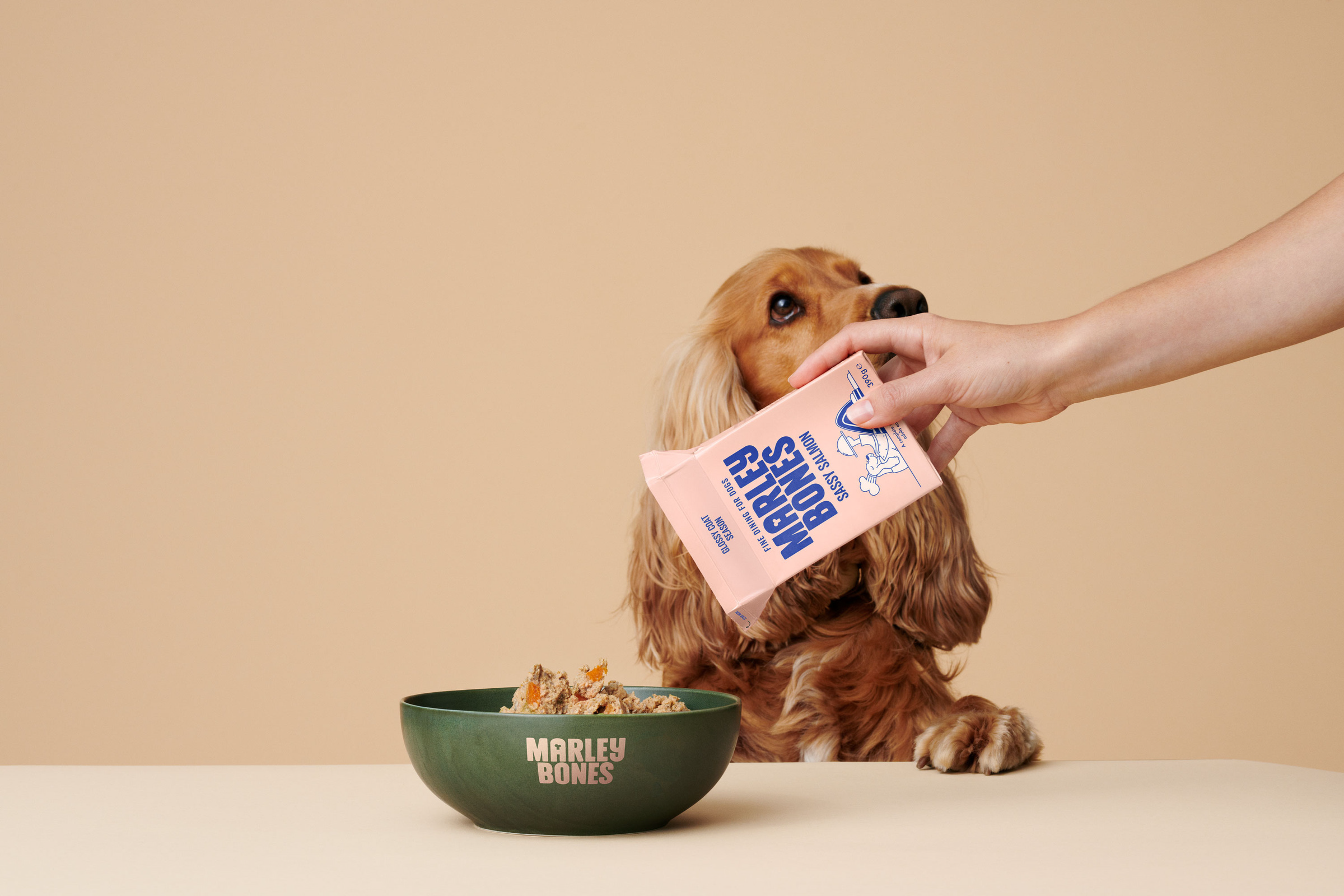
Salmon is the most complete single choice for this breed: it delivers high-quality protein alongside EPA and DHA omega-3 fatty acids that support both coat condition and the joints of a dog that rarely stops moving. Lamb provides a clean red-meat option with lower allergenicity than beef and a fat profile that sustains energy output well in active dogs. Marleybones Sassy Salmon and Lush Lamb are both single-protein, whole-ingredient meals built without fillers or artificial additives - well suited to a breed where clean nutrition translates directly into performance and condition.
For Danish Swedish Farmdogs in consistent work or sport, adequate protein percentage matters as much as protein source. Look for a fresh food where named meat or fish is the primary ingredient by weight, rather than a formulation where protein is diluted by high quantities of grain or starchy filler.
How much should I feed a Danish Swedish Farmdog?
Adult Danish Swedish Farmdogs typically weigh between 7 and 12kg, but weight alone is a poor guide to portion size for this breed. Body condition is the better measure: you should be able to feel the ribs without pressing, and see a clear waist from above. If ribs are hard to find, reduce portions; if the topline is prominent and ribs are immediately visible, increase them.
Activity is the main variable. A dog doing agility training, farm work, or regular off-lead exercise three or four times a day needs more than the same dog on a rest week. Switching to fresh food often prompts owners to recalibrate portions entirely - the higher moisture and nutrient density mean the dog is genuinely satiated on less volume than they were eating in dry kibble, but the caloric content needs to be matched to the breed's output rather than cut back arbitrarily.
Feed twice daily in roughly equal portions. Adjust over four to six weeks based on condition, not appearance alone - Danish Swedish Farmdogs carry their lean frame well and can mask weight loss until it becomes significant.
Every dog is different - build your personalised Marleybones feeding and health plan tailored to your dog's age, size, and health requirements.
How do different dog food formats compare for Danish Swedish Farmdogs?
| Format | Moisture content | Processing level | Verdict for Danish Swedish Farmdogs |
|---|---|---|---|
| Fresh (Pantry Fresh) | 65-75% | Minimal - slow low-temperature cooking | Best option - whole ingredients, supports lean muscle, digestion, and coat |
| Raw | 65-75% | None | Works for some - bacterial load a consideration, preparation required |
| Wet / canned | 75-85% | Moderate | Better than kibble - ingredient quality varies widely, check the label carefully |
| Cold pressed | Around 12% | Low - below extrusion temperatures | A reasonable middle ground where fresh is not accessible |
| Dry kibble | Around 10% | High - high-temperature extrusion | Hardest to digest - denatured proteins and low moisture suit an active working breed poorly |
FAQs
How often should I feed my Danish Swedish Farmdog?
Twice daily is the standard for adults, splitting the daily portion into morning and evening meals. This suits the breed's fast metabolism and prevents the energy dips that can follow a single large meal. Puppies under six months need three to four smaller meals a day to support their growth rate.
My Danish Swedish Farmdog is very lean - is that normal?
The breed naturally carries very little body fat, and a lean topline is correct for the type. That said, there is a difference between lean and underfed. If the ribs are immediately visible rather than easily felt, the spine is prominent, or the dog seems restless or unable to settle, increase the daily portion and reassess over three to four weeks. A vet check is sensible if condition continues to decline despite adequate feeding.
Are Danish Swedish Farmdogs prone to any conditions that diet can help with?
The breed is generally robust, but the joint load of a high-activity lifestyle is worth addressing nutritionally before problems appear. Omega-3 fatty acids from oily fish reduce systemic inflammation and support joint tissue - a diet that includes a natural source of EPA and DHA, rather than a synthetic additive, delivers this most consistently. Coat health is also closely tied to dietary fat quality in this breed.
Is grain-free food better for Danish Swedish Farmdogs?
Not automatically. Whole grains in a minimally processed fresh meal are not the same as the high quantities of refined grain used as cheap filler in low-quality kibble. A dog reacting to wheat in heavily processed food may tolerate whole oats or brown rice in a fresh recipe without any issue. The ingredient quality and processing level matter more than the presence or absence of grain.
Is Marleybones Pantry Fresh good for Danish Swedish Farmdogs?
Yes. Marleybones Pantry Fresh meals are vet-developed, built from whole ingredients, and contain no artificial preservatives or fillers - well matched to a breed that rewards clean nutrition with visible condition and energy. With over 2,000,000 meals delivered and a 4.9/5 Trustpilot rating, Sassy Salmon is a strong choice for active Danish Swedish Farmdogs, providing natural EPA and DHA omega-3s alongside high-quality protein in a single-protein recipe that suits dogs with any history of sensitivity.
How do I transition my Danish Swedish Farmdog to fresh food?
Transition gradually over seven to ten days, replacing a small portion of the current food with fresh food and increasing the ratio daily. Even if your dog takes to it immediately, a gradual transition avoids the digestive disruption that can follow an abrupt change - particularly in a dog whose gut has been running on processed food for some time. Most Danish Swedish Farmdogs adapt quickly and stool quality improves noticeably within the first two weeks.
Does diet affect my Danish Swedish Farmdog's coat?
Directly. This breed has a short, dense coat that requires adequate dietary fat and omega-3 fatty acids to stay smooth and healthy. A diet low in quality fat, or relying on rendered fat of unspecified origin, leaves the coat dull and the skin prone to dryness. Owners switching to a fresh food with a natural omega-3 source typically notice coat improvement within six to eight weeks.


 Give your dog the quality nutrition they deserve
Real meat, wholesome veggies and functional superfoods.
Get 30% off: Take the quiz