



 Vet reviewed
What is the best dog food for a Croatian Sheepdog?

At a glance
- Croatian Sheepdogs do best on fresh, whole-ingredient food built around a quality animal protein - the breed's high activity level and lean, muscular build mean protein quality and caloric density need to match their daily output.
- A diet rich in omega-3 fatty acids supports the breed's distinctive curly double coat, which requires consistent nutritional fat to stay healthy and manageable.
- Croatian Sheepdogs are an athletic working breed - portion size should reflect actual activity level, which varies considerably between working dogs and those kept as companions.
- Joint and connective tissue health benefits directly from diets built around whole animal proteins and anti-inflammatory omega-3s, both of which are more bioavailable from minimally processed food.
- The breed is generally robust rather than sensitive, but low-quality fillers and high-starch dry food put unnecessary strain on the digestive system of a dog that thrives on a high-protein, moderate-fat diet.
What is the best diet for a Croatian Sheepdog?
Fresh dog food built around a named, high-quality animal protein is the best diet for most Croatian Sheepdogs. This is an energetic, working-breed dog with a lean physique and high daily output - the diet needs to support muscle maintenance, sustained energy, and coat health simultaneously, and the quality of ingredients determines how well it does all three.
The processing method matters as much as the ingredient list. Fresh food cooked at lower temperatures preserves more of the natural protein structure, meaning the amino acids the Croatian Sheepdog's muscles depend on are more available after digestion than they are from the denatured proteins in high-temperature extruded kibble. Dry kibble also sits at around 10% moisture, a significant deficit for a dog that burns a lot of energy and needs reliable hydration support throughout the day.
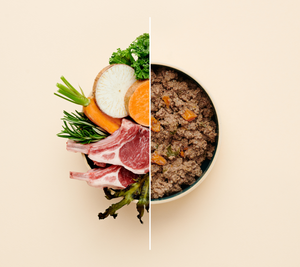
The practical checklist for a good Croatian Sheepdog food is: a named animal protein as the primary ingredient, natural omega-3 sources for coat and joint support, no artificial preservatives or high-starch fillers, and portion sizes calibrated to actual activity level. Marleybones Pantry Fresh meals are vet-developed recipes slow-cooked from whole ingredients with no artificial additives, and are well-suited to a breed where protein quality and consistent nutritional fat both make a visible difference.
How does the Croatian Sheepdog's activity level affect what they should eat?
Significantly. The Croatian Sheepdog was bred to herd for hours across varied terrain, and even those kept primarily as companions retain high energy and a strong drive to move. A dog covering significant ground daily burns considerably more calories than a sedentary pet of the same weight, and the caloric and protein requirements shift accordingly.
Protein is the most important variable. An active Croatian Sheepdog needs a diet where animal protein is the dominant calorie source - not diluted by large quantities of grain or starch. High-starch kibble provides energy, but it does so via carbohydrate rather than protein, which means less direct support for muscle repair and recovery after sustained activity. A fresh food diet built around 60-70% named animal protein delivers the amino acid profile an athletic breed genuinely needs.
For dogs whose activity level varies by season - more intensive work in summer, quieter periods in winter - adjust the daily portion rather than switching foods. Body condition is a more reliable guide than the feeding chart: you should be able to feel the ribs easily without pressing, and the waist should be visible from above.
What does the Croatian Sheepdog's coat need from their diet?
The breed's signature curly, black double coat is one of the most distinctive in herding breeds, and it reflects nutritional status clearly. Dietary fat - specifically omega-3 fatty acids from oily fish - is the most important nutrient for keeping it soft, hydrated, and healthy rather than dry, brittle, or prone to matting.
EPA and DHA from marine sources are the most bioavailable form of omega-3 for dogs. They reduce systemic inflammation, support the skin barrier, and provide the oils the coat needs to stay in good condition year-round. Diets that rely on low-quality rendered fats of unspecified origin, or that contain minimal fat from poor sources, leave the coat visibly worse regardless of how much grooming is done. If a Croatian Sheepdog's coat is dull or dry, the ingredient list on their current food is the right place to start.
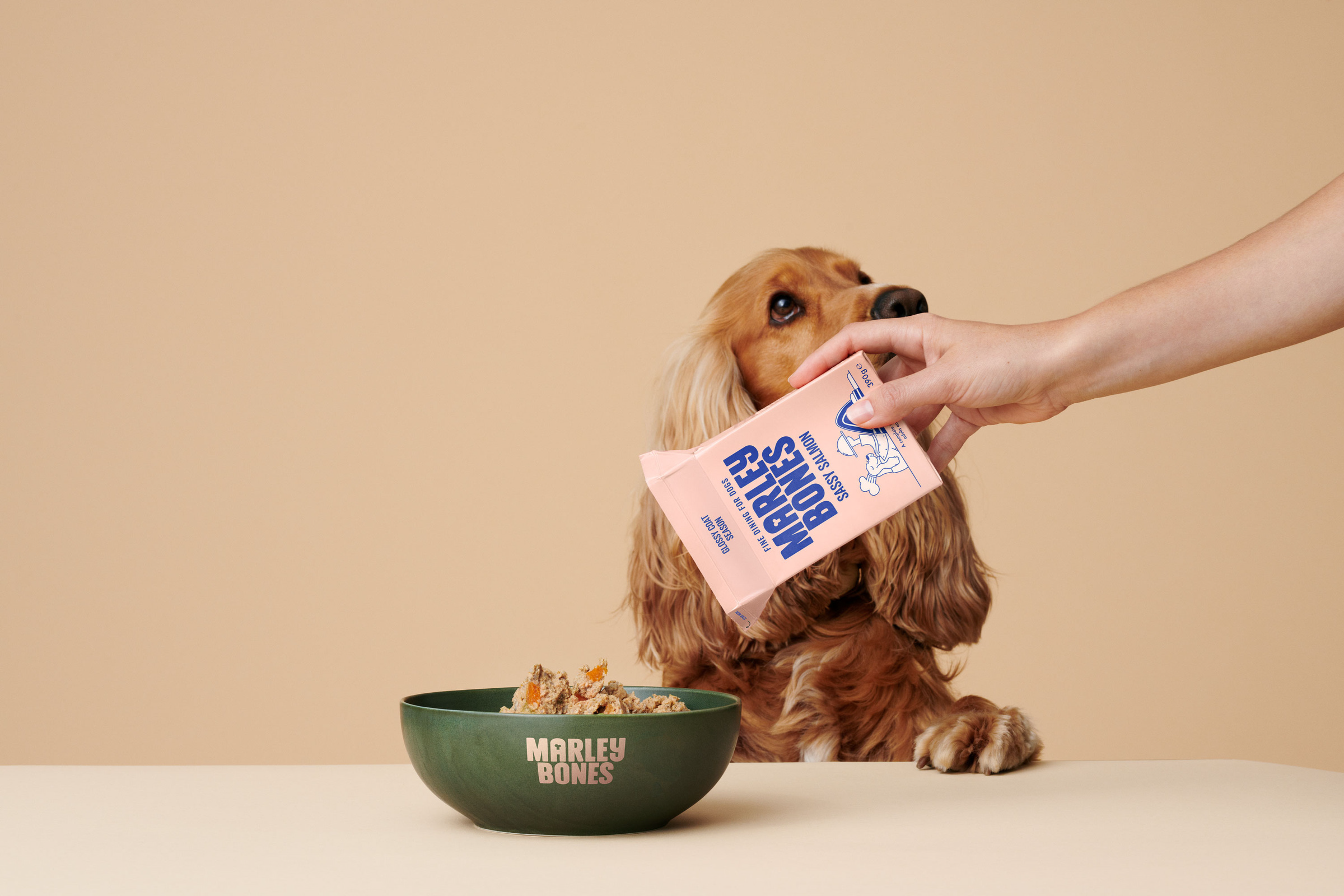
Meals built around salmon - like Marleybones Sassy Salmon - deliver a natural source of EPA and DHA alongside whole ingredients, which addresses both the nutritional gap and the most common dietary contributors to poor coat condition in a single switch. For dogs already on a salmon-based diet with persistent coat issues, an omega oil supplement added to meals is a practical next step.

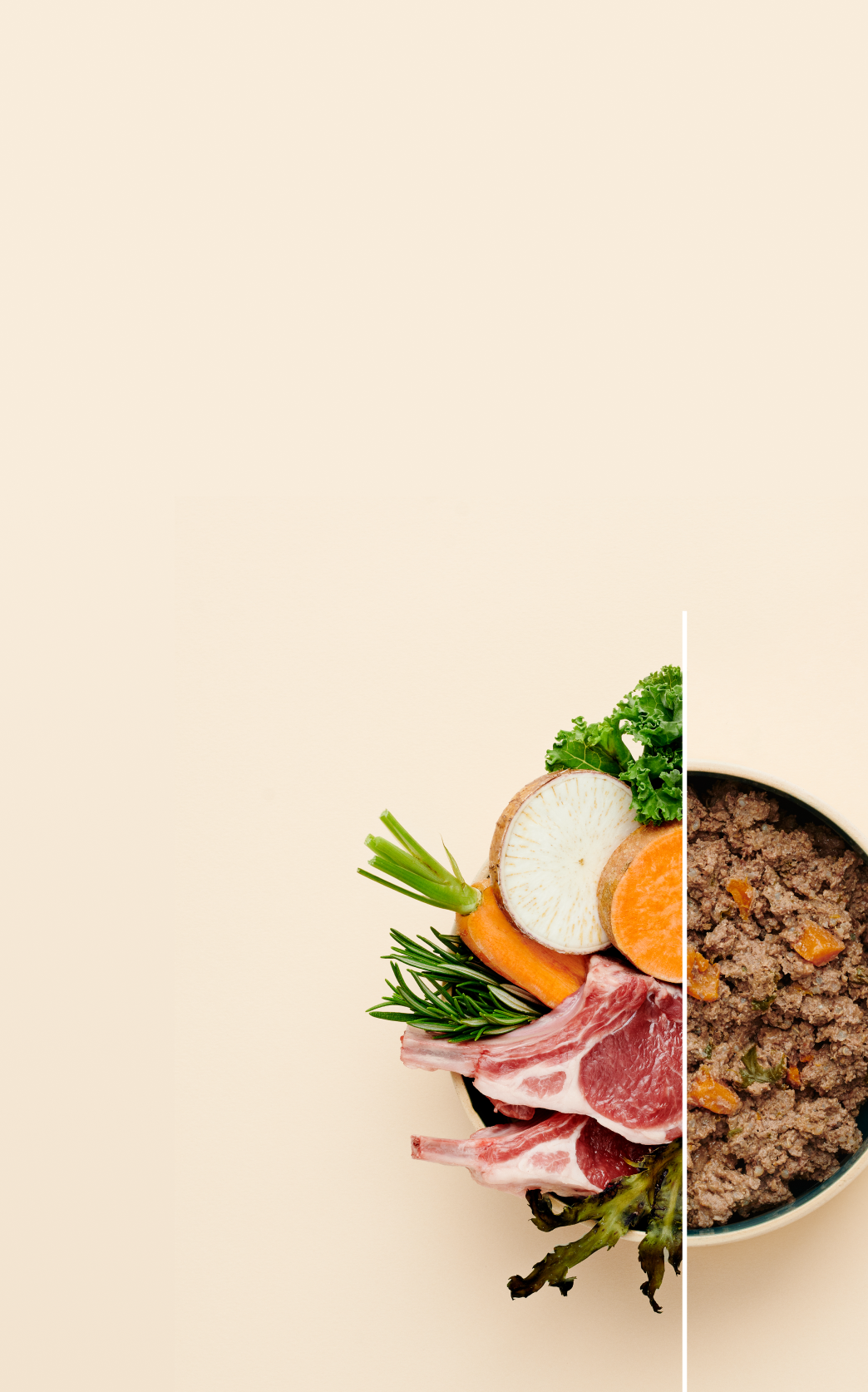
Freshly prepared British beef, veggies & superfoods
What protein is best for a Croatian Sheepdog?
Lamb, salmon, and beef are all strong options for Croatian Sheepdogs, which are a robust breed without the elevated sensitivity seen in some companion breeds. The priority is protein quality and completeness rather than allergenicity - choose a named animal protein you can read clearly on the label, present as the first and dominant ingredient.
Salmon is the most nutritionally complete choice for this breed specifically, delivering high-quality protein alongside EPA and DHA omega-3s that support both the coat and joint health in a single ingredient. Lamb is a strong alternative and a good option for dogs that have eaten fish-based food for extended periods and need a rotation. Beef provides a dense amino acid profile well-suited to a muscular, high-output breed and works well as a third rotation protein to keep the diet varied without introducing unnecessary processing.
Rotating between two or three proteins over time is a sensible approach for a healthy breed like the Croatian Sheepdog - it reduces the chance of developing a sensitivity to any single protein and keeps the diet nutritionally broad. Switching between protein sources is straightforward with fresh food in a way it is not with most dry food diets, where changing brand or recipe often requires a lengthy transition.
How much should I feed a Croatian Sheepdog?
Adult Croatian Sheepdogs typically weigh between 13 and 20kg, though working dogs at the more muscular end of that range have a higher caloric requirement than their weight alone suggests. Use body condition as the primary guide: ribs felt easily without pressing, visible waist from above, no fat covering over the spine. Any deviation from that profile means adjusting the portion up or down over four to six weeks.
Fresh food is more satiating than the equivalent calorie count in dry kibble because the higher moisture content occupies more volume in the stomach. Owners switching from kibble to fresh food often find their dog is satisfied on a nominally lower calorie count without any sign of hunger. Factor in treats, particularly if the dog is in training - a Croatian Sheepdog in regular work can accumulate significant additional calories from reward-based sessions that are easy to overlook.
Twice daily feeding works well for most adults. It is more satiating than one large meal and suits the digestion of an active dog better than a single daily feed.
Every dog is different - build your personalised Marleybones feeding and health plan tailored to your dog's age, size, and health requirements.
How do different dog food formats compare for Croatian Sheepdogs?
| Format | Moisture content | Processing level | Verdict for Croatian Sheepdogs |
|---|---|---|---|
| Fresh (Pantry Fresh) | 65-75% | Minimal - slow low-temperature cooking | Best option - whole ingredients, supports muscle, coat, and joint health in an active breed |
| Raw | 65-75% | None | Works for some - bacterial load a consideration, nutritional completeness needs careful management |
| Wet / canned | 75-85% | Moderate | Better than kibble - ingredient quality varies widely, check for named protein sources |
| Cold pressed | Around 12% | Low - below extrusion temperatures | Decent middle ground - better protein retention than kibble, but moisture remains low for an active dog |
| Dry kibble | Around 10% | High - high-temperature extrusion | Weakest option - low moisture and denatured proteins are a poor match for a high-output working breed |
FAQs
How often should I feed my Croatian Sheepdog?
Twice daily is the right approach for most adult Croatian Sheepdogs - morning and evening in roughly equal portions. It suits an active dog's digestion better than one large meal and helps maintain steady energy levels across the day. Puppies under six months need three to four smaller meals daily.
Do Croatian Sheepdogs have sensitive stomachs?
The breed is generally robust digestively and does not carry the elevated gut sensitivity seen in some companion breeds. Digestive issues that do appear are usually caused by low-quality ingredients, high-starch fillers, or artificial additives rather than any breed-specific fragility. Switching to a fresh food diet with a named protein and no fillers resolves most common digestive complaints within two to four weeks. If symptoms persist or include blood in stools, significant weight loss, or repeated vomiting, a vet assessment is the right next step before continuing to adjust the food.
Is Marleybones Pantry Fresh good for Croatian Sheepdogs?
Yes. Marleybones Pantry Fresh meals are vet-developed, contain no artificial preservatives or fillers, and are built from whole ingredients slow-cooked in-pack to preserve nutritional quality. With a 4.9/5 Trustpilot rating and over two million meals delivered, they are a strong fit for an active breed where protein quality, dietary fat, and ingredient integrity all make a practical difference to coat condition, muscle maintenance, and energy. Sassy Salmon and Lush Lamb are both well-suited to Croatian Sheepdogs as primary or rotation proteins.
Should I feed my Croatian Sheepdog differently in winter?
If the dog's activity level drops significantly in winter - as it does for many working dogs in the UK - reduce the daily portion to match the lower output rather than keeping calories constant. A Croatian Sheepdog that gains weight during quiet periods carries it into the active season and places more strain on joints under load. Use body condition as the guide and adjust by around 10-15% as activity changes, then return to the higher portion when work resumes.
Do Croatian Sheepdogs need joint support in their diet?
An active herding breed that works over rough terrain puts more cumulative load on joints than a sedentary companion dog, and dietary support is a practical layer of prevention rather than a reaction to a problem. Omega-3 fatty acids from oily fish reduce systemic inflammation and support connective tissue health from within. A diet built around salmon or supplemented with an omega-boosting oil provides this without requiring a separate joint supplement in a healthy young adult dog.
Is grain-free food better for Croatian Sheepdogs?
Not automatically. Grains are not inherently problematic - it is the quantity and quality of starch used as a cheap filler in heavily processed food that creates issues for high-protein working breeds. A Croatian Sheepdog does not need a grain-free label; it needs a diet where animal protein is the dominant ingredient and grain, if present, is a whole source used in sensible quantities. A fresh food diet with whole oats or brown rice alongside high-quality protein is a better choice than a grain-free kibble that replaces grain with large quantities of peas or lentils.
Can I feed my Croatian Sheepdog puppy the same food as an adult?
Marleybones Pantry Fresh meals are complete for all life stages, including puppies, so the same recipe works from puppyhood through adulthood. The main difference is portion size and feeding frequency - puppies need more meals across the day and a higher calorie intake relative to body weight to support rapid growth. Follow the feeding guide for your puppy's expected adult weight rather than their current weight, and increase portions in line with how their digestion and body condition respond as they grow.

Freshly prepared British chicken, veggies & superfoods


 Give your dog the quality nutrition they deserve
Real meat, wholesome veggies and functional superfoods.
Get 30% off: Take the quiz