




 Vet reviewed
What is the best dog food for cocker spaniels?

At a glance
- Cocker Spaniels do best on fresh, whole-ingredient food built around a quality novel protein and a natural source of omega-3 fatty acids — the breed's silky coat and sensitive ears both respond visibly to what goes in the bowl.
- Recurring ear infections are the most common dietary complaint in the breed, and the connection to food is more direct than most owners expect — switching to a novel protein reduces the systemic inflammation that drives most ear flare-ups.
- The Cocker Spaniel's coat is one of the most diet-responsive of any breed — omega-3 fatty acids from oily fish are the single most practical nutritional support for keeping it soft, glossy, and in good condition between grooms.
- Salmon is the strongest protein choice for most Cocker Spaniels, providing EPA and DHA omega-3 fatty acids that address ear health, skin condition, and coat quality simultaneously alongside clean, digestible protein.
- Cocker Spaniels are enthusiastic eaters that gain weight easily, particularly as activity levels reduce with age — accurate portioning keeps the breed comfortable and protects joint health over the long term.
What is the best diet for a Cocker Spaniel?
Fresh dog food built around a novel protein, a natural source of omega-3 fatty acids, and no artificial additives is the best diet for most Cocker Spaniels. The breed rewards good nutrition visibly and quickly, in coat condition, ear health, and skin clarity, which makes food choices more satisfying to get right here than in many breeds. The payoff from a well-chosen diet shows up fast, and owners notice it.
The case for fresh dog food for Cocker Spaniels is built around what heavily processed dry food does to the nutrients that matter most for this breed. High-temperature kibble extrusion degrades omega-3 fatty acids before the food reaches the bowl, and the artificial preservatives and additives in most processed food are among the most common dietary contributors to the skin and ear sensitivity this breed is prone to. Fresh food prepared from whole, identifiable ingredients eliminates both problems simultaneously, delivering intact omega-3s and removing the additive load that reactive Cocker Spaniel skin finds hardest to tolerate.
The practical checklist for a good Cocker Spaniel food is: a named protein the dog has not eaten extensively, omega-3 fatty acids from oily fish, no artificial additives or preservatives, and controlled portions to keep weight steady. Marleybones Pantry Fresh meals are exactly that: vet-developed recipes slow-cooked from whole ingredients, with no artificial additives, and well-suited to a breed where coat and skin health respond directly to ingredient quality.
Why do so many Cocker Spaniels get ear infections?
The Cocker Spaniel's long, floppy, hair-lined ears are part of what makes the breed so distinctive, and they are also the reason ear infections are the most common health complaint owners deal with. The ear canal in this breed is warm, moist, and poorly ventilated, which creates ideal conditions for yeast and bacteria to thrive. Ear cleaning and grooming help manage this, but they address the environment rather than the underlying driver. For many Cocker Spaniels, that driver is dietary.
Food sensitivity is consistently linked to recurring ear infections in this breed. When a Cocker Spaniel reacts to a specific protein, most commonly chicken or beef, which are the proteins most Cocker Spaniels have been eating for the majority of their lives, the result is systemic inflammation that makes the ear canal more reactive, more prone to yeast overgrowth, and more likely to develop recurrent infections. Switching to a novel protein reduces that inflammatory load at source, and the improvement in ear health often follows within four to six weeks. Omega-3 fatty acids from oily fish reinforce this by reducing systemic inflammation further and supporting the skin barrier inside the ear canal.
If a Cocker Spaniel has a history of recurring ear infections and is currently eating chicken or beef-based food, trying a novel protein alongside clean, whole ingredients is the most practical first dietary step. If infections continue despite a dietary change, a vet assessment is the right next move. Some ear conditions need clinical management alongside dietary support.

How does diet affect a Cocker Spaniel's coat?
The Cocker Spaniel's silky, wavy coat is one of the most diet-responsive of any breed, and the improvement from switching to a well-chosen fresh food is typically one of the most visible payoffs an owner experiences. Omega-3 fatty acids from oily fish provide the dietary fats the coat needs to stay soft, glossy, and manageable, reducing the dryness and dullness that makes Cocker Spaniel coats harder to groom and more prone to matting. Most owners notice coat improvement within six to eight weeks of switching to a fresh food with a natural omega-3 source.
Food sensitivity is the other significant dietary driver of coat problems in this breed. Chronic skin inflammation from a protein sensitivity shows up in coat texture and condition as clearly as it does in skin irritation and ear issues. For Cocker Spaniels with persistent skin reactions or dull coat despite regular grooming, a novel single protein alongside clean ingredients is the most reliable starting point. The coat often shows the first signs of improvement, and it is one of the more encouraging early indicators that the dietary change is working.
Do Cocker Spaniels have sensitive stomachs?
Many do, and the sensitivity is almost always driven by what they are eating rather than a structural problem with the digestive system. Cocker Spaniels fed the same chicken or beef-based food for extended periods develop a higher chance of sensitivity to those proteins over time, and when digestive symptoms appear, including loose stools, wind, and intermittent discomfort, a protein switch is typically more effective than a brand switch.
Fresh food cooked at lower temperatures retains more of its natural protein structure, which the gut handles more easily than the denatured proteins produced by high-temperature kibble extrusion. Fermentable fillers in heavily processed food add to the digestive load and contribute to wind and inconsistent stools in a breed that already tends toward sensitivity. For Cocker Spaniels with ongoing digestive sensitivity, a fresh, single-protein food with no fillers or artificial additives gives the clearest baseline for identifying what the gut handles well. Most dogs improve noticeably within two to four weeks.
If symptoms persist beyond four weeks of a dietary change, or include blood in stools, significant weight loss, or repeated vomiting, see a vet before adjusting further.
What protein is best for a Cocker Spaniel?
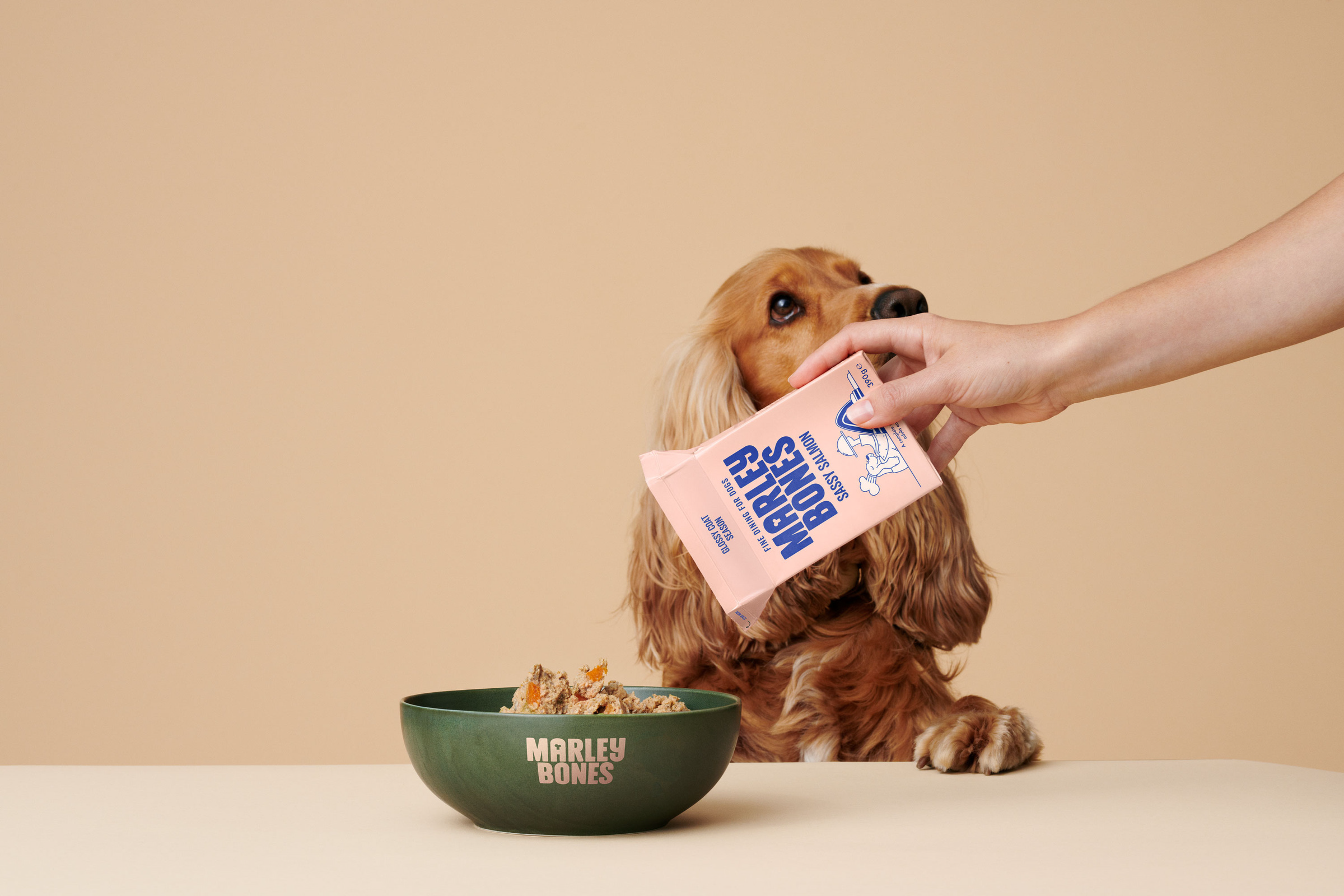
Salmon is the strongest protein choice for most Cocker Spaniels. It provides complete, digestible protein alongside EPA and DHA omega-3 fatty acids that address ear health, skin condition, and coat quality at the same time, the three areas where Cocker Spaniels benefit most from dietary support. For most Cocker Spaniels it is also a novel protein, which means no sensitivity has had time to develop. Sassy Salmon from Marleybones delivers salmon as a whole, identifiable ingredient alongside antioxidant-rich vegetables and no artificial additives or fermentable fillers, making it a strong starting point for a breed where ingredient quality shows up quickly and clearly.
Lamb is the strongest alternative for Cocker Spaniels that have already eaten fish regularly or prefer a red meat option. It is lower in allergenicity than beef, tolerates well with sensitive digestion, and is a novel protein for most dogs currently eating chicken-based food. Single-protein meals are the most practical approach for any Cocker Spaniel with a history of ear infections or skin reactions, making it straightforward to identify what the dog tolerates and confirm the improvement before introducing anything new.
Chicken and beef are the proteins most Cocker Spaniels have eaten throughout their lives, and in many cases the long-term exposure is precisely what has driven the sensitivity. That does not make them permanently off limits, but a Cocker Spaniel with recurring ear or skin issues on a chicken or beef diet is a clear candidate for a protein switch, and the results tend to be convincing.
How much should I feed a Cocker Spaniel?
An adult Cocker Spaniel typically weighs between 12 and 16kg. Body condition is the most reliable guide: ribs should be palpable under light pressure, and a waist should be visible from above. Cocker Spaniels are enthusiastic eaters and gain weight readily, particularly as they get older and activity levels naturally reduce. Keeping weight in a healthy range protects joints and maintains the energy and mobility the breed is known for.
Fresh food tends to be more satiating per calorie than the equivalent portion of dry kibble, because the higher moisture content occupies more volume in the stomach. Most owners switching from kibble find their Cocker Spaniel is satisfied on a smaller caloric portion without any sign of hunger. Treats add up quickly with a food-motivated breed — count them as part of the daily total rather than in addition to it, and keep them lean. Every dog is different — build your personalised Marleybones feeding and health plan tailored to your dog's age, size, and health requirements.

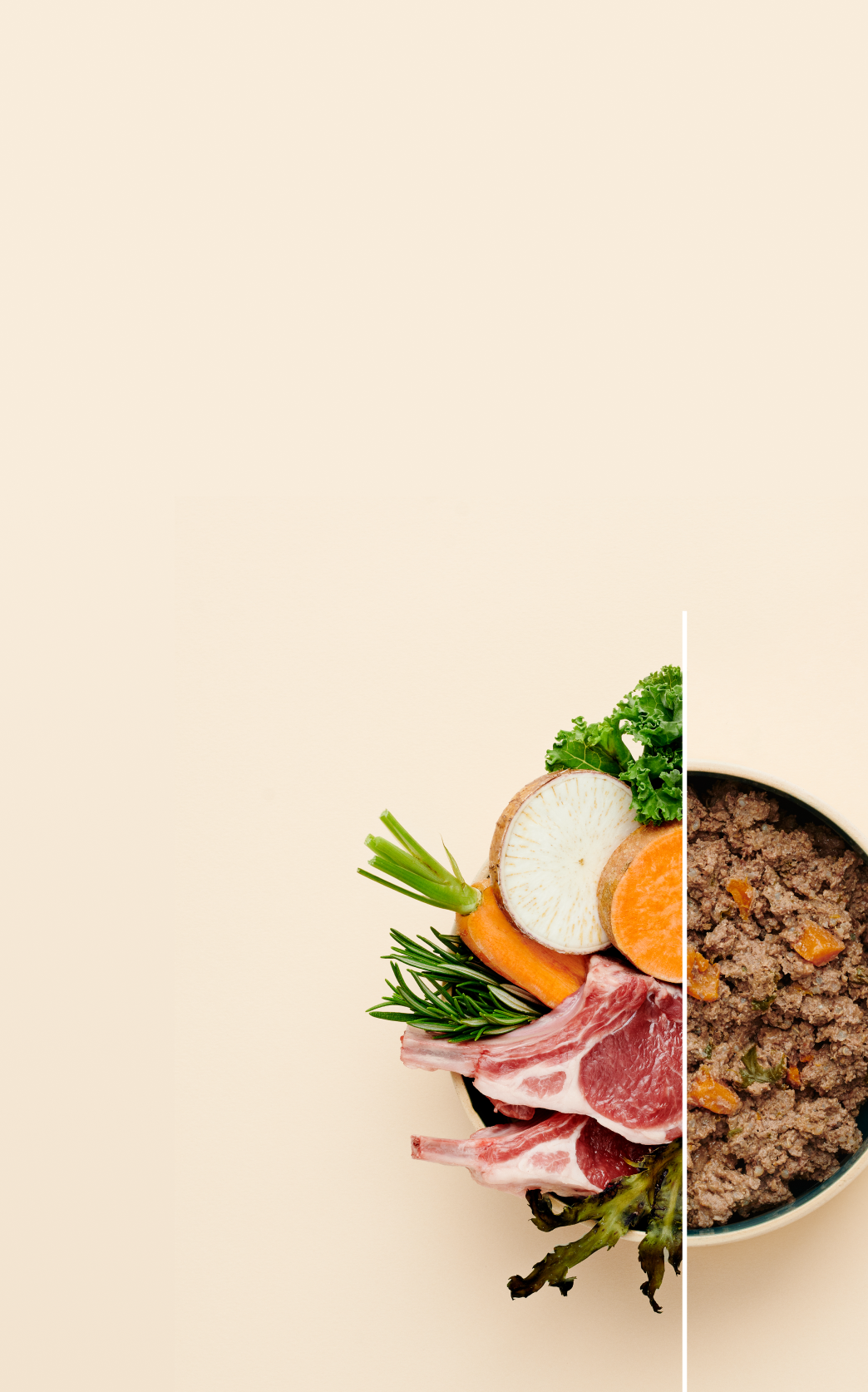
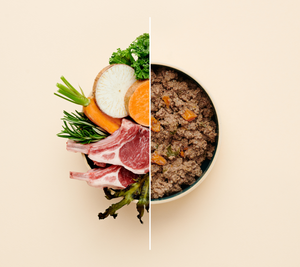
Freshly prepared fish, veggies & superfoods
How do different dog food formats compare for Cocker Spaniels?
Fresh dog food is the best format for most Cocker Spaniels, delivering intact omega-3 fatty acids, no artificial additives, and whole ingredients in a form that suits a breed where skin, coat, and ear health all respond to ingredient quality. Here is how the main formats compare.
| Format | Moisture content | Processing level | Verdict for Cocker Spaniels |
|---|---|---|---|
| Fresh (Pantry Fresh) | 65-75% | Minimal — slow low-temperature cooking | Best option — intact omega-3s, no artificial additives, whole ingredients; supports coat, skin, and ear health directly |
| Raw | 65-75% | None | Works for some — whole ingredients without heat degradation; bacterial load and preparation discipline required |
| Wet / canned | 75-85% | Moderate | Better than kibble — higher moisture, lower processing; additive content and omega-3 levels vary widely, check labels |
| Cold pressed | Around 12% | Low — below extrusion temperatures | Better than standard kibble — lower processing preserves more nutrients; moisture limitation worth noting |
| Dry kibble | Around 10% | High — high-temperature extrusion | Least suited — degrades omega-3s, artificial additives common, poorest option for a breed where skin and coat respond to ingredient quality |
FAQs
How often should I feed my Cocker Spaniel?
Twice daily is the standard for adult Cocker Spaniels, splitting the total daily portion into morning and evening meals. It suits digestion better than a single large feed and helps manage a breed that will enthusiastically signal hunger regardless of how recently it ate. Puppies under six months need three to four smaller meals a day.
Can changing my Cocker Spaniel's food really reduce ear infections?
For many Cocker Spaniels, yes, and the improvement can be significant. Recurring ear infections in this breed are frequently driven by food sensitivity creating systemic inflammation that makes the ear environment more reactive. Switching to a novel protein alongside clean, whole ingredients reduces that inflammatory load, and owners often notice fewer infections within four to six weeks. It will not resolve ear infections that have a purely structural cause, but where food sensitivity is a driver, the dietary change is one of the most effective interventions available.
Is grain-free food better for Cocker Spaniels?
This requires some care with Cocker Spaniels specifically. The breed has an elevated risk of dilated cardiomyopathy compared to many breeds, and some research has associated high-legume grain-free diets with DCM in certain dogs. This does not mean grain-free food is harmful for every Cocker Spaniel, but grain-free diets built around large quantities of peas or lentils are worth approaching with awareness. A fresh, whole-ingredient food containing moderate whole grains like oats or brown rice is a safe and nutritionally appropriate choice for most Cocker Spaniels. The ingredient quality and processing level matter more than whether grains are present.
Is Marleybones Pantry Fresh good for Cocker Spaniels?
Yes. Marleybones Pantry Fresh meals are vet-developed, contain no artificial preservatives or additives, and are built around whole, identifiable ingredients that suit a breed where skin, coat, and ear health all respond to ingredient quality. Sassy Salmon is the strongest choice for most Cocker Spaniels, providing EPA and DHA omega-3 fatty acids that support ear health, coat condition, and skin directly alongside clean, digestible protein most Cocker Spaniels have not been regularly exposed to. With over 2 million meals delivered and a 4.8 Trustpilot rating, Marleybones is a trusted choice for owners who want a visible improvement in their Cocker Spaniel's coat and comfort.
My Cocker Spaniel seems fussy — will they eat fresh food?
Almost certainly yes. Cocker Spaniels are generally enthusiastic eaters, and fresh food is significantly more palatable than dry kibble. The aroma, moisture, and texture make it far more appealing than any processed alternative. Dogs that have become selective about their kibble typically take to fresh food with no persuasion required. Transition gradually over seven to ten days to avoid digestive upset from the switch, even if your dog seems keen to dive straight in.
How long before I see a difference after switching my Cocker Spaniel's food?
Coat condition is typically one of the first improvements owners notice, usually within six to eight weeks, and in a breed with a coat this responsive, the change is hard to miss. Digestive changes settle within two to four weeks. Ear infection frequency takes longer to assess meaningfully, but most owners with Cocker Spaniels on a long-term chicken or beef diet notice a clear reduction in flare-ups within two to three months of switching to a novel protein. Weight and body condition take eight to twelve weeks on a consistent portion to evaluate accurately.


 Give your dog the quality nutrition they deserve
Real meat, wholesome veggies and functional superfoods.
Get 40% OFF today