



 Vet reviewed
What is the best dog food for a Chipoo?

At a glance
- Chipoos do best on fresh, whole-ingredient food built around a single quality protein - the breed's combination of Chihuahua fussiness and Poodle-inherited digestive sensitivity makes ingredient quality central to keeping them well-fed and settled.
- Salmon and lamb are the strongest protein starting points for Chipoos, particularly dogs with recurring loose stools, wind, or skin flare-ups - both are lower-allergenicity options compared to the chicken and beef most small dogs have eaten their whole lives.
- Small jaw size and a tendency toward dental disease mean food format matters as much as ingredients - fresh food's soft texture is easier on teeth and gums than hard kibble.
- Portion discipline is essential for Chipoos - at 3–8kg, even small caloric surpluses lead to visible weight gain, which places additional strain on the knees and joints this breed is prone to.
- Omega-3 fatty acids from oily fish support both skin health and systemic inflammation - directly relevant to a breed that combines coat sensitivity with a predisposition to joint problems.
What is the best diet for a Chipoo?
Fresh dog food built around a single, high-quality protein with minimal processing and no artificial additives is the most appropriate diet for most Chipoos. The breed combines the Chihuahua's notoriously selective appetite and small but reactive digestive system with the Poodle's tendency toward food sensitivities - a pairing that makes ingredient quality the single most important variable in their diet.
Hard dry kibble is the worst match for this breed on almost every measure. It is lowest in moisture, highest in processing load, and hardest on small teeth and gums. Fresh food, cooked gently from whole ingredients, delivers the moisture, digestibility, and palatability that Chipoos genuinely need - and its soft texture is far less damaging to the small-breed dental health this crossbreed is predisposed to struggle with.
The practical checklist for a good Chipoo food is: a named protein source you can read on the label, omega-3 fatty acids for skin and joint support, no artificial preservatives or cheap grain fillers, and tightly controlled portions to protect a frame that gains weight quickly. Marleybones Pantry Fresh meals are vet-developed recipes built around whole, recognisable ingredients, slow-cooked without artificial additives, and well-suited to a small, sensitive breed where what is in the food shows up directly in digestion, coat, and energy.
Do Chipoos have sensitive stomachs?
Most Chipoos have digestive systems that are less forgiving than the average small dog. The Poodle contributes a reactive gut, and the Chihuahua contributes a digestive tract that handles dietary change poorly. The result is a breed that responds quickly and visibly to the wrong food - loose stools, wind, and intermittent stomach upset are the most common complaints owners raise.
The cause is nearly always what they are eating rather than an underlying condition. Chipoos fed the same chicken or beef-based food for extended periods develop sensitivities to those proteins, and owners often cycle through multiple kibble brands without improvement because the protein source stays the same. Switching protein is more effective than switching brand - and switching format, from highly processed dry food to fresh, addresses the processing load at the same time.
Fresh food cooked at lower temperatures retains more of its natural protein structure, which the gut handles more easily than the denatured proteins in high-temperature extruded kibble. The chicory root in Marleybones recipes acts as a prebiotic, feeding beneficial gut bacteria and helping maintain the digestive stability that Chipoos often lack on heavily processed diets.
If digestive symptoms persist beyond four weeks of a dietary change, or include blood in the stool, significant weight loss, or repeated vomiting, see a vet before continuing to adjust the food.
What protein is best for a Chipoo?
Salmon and lamb are the strongest starting points for most Chipoos - particularly those with any history of digestive sensitivity, skin reactions, or those currently eating chicken or beef. Proteins a dog has not eaten repeatedly are less likely to trigger a reaction because no sensitivity has had time to develop.
Salmon is the most complete single choice for Chipoos specifically. It provides clean, highly digestible protein alongside EPA and DHA omega-3 fatty acids that directly support both skin health and joint health - two areas where this breed carries real vulnerability. Lamb is the stronger option for Chipoos that have already eaten fish regularly, or those that need a red meat protein: it carries lower allergenicity than beef and sits well with dogs whose guts are easily unsettled.
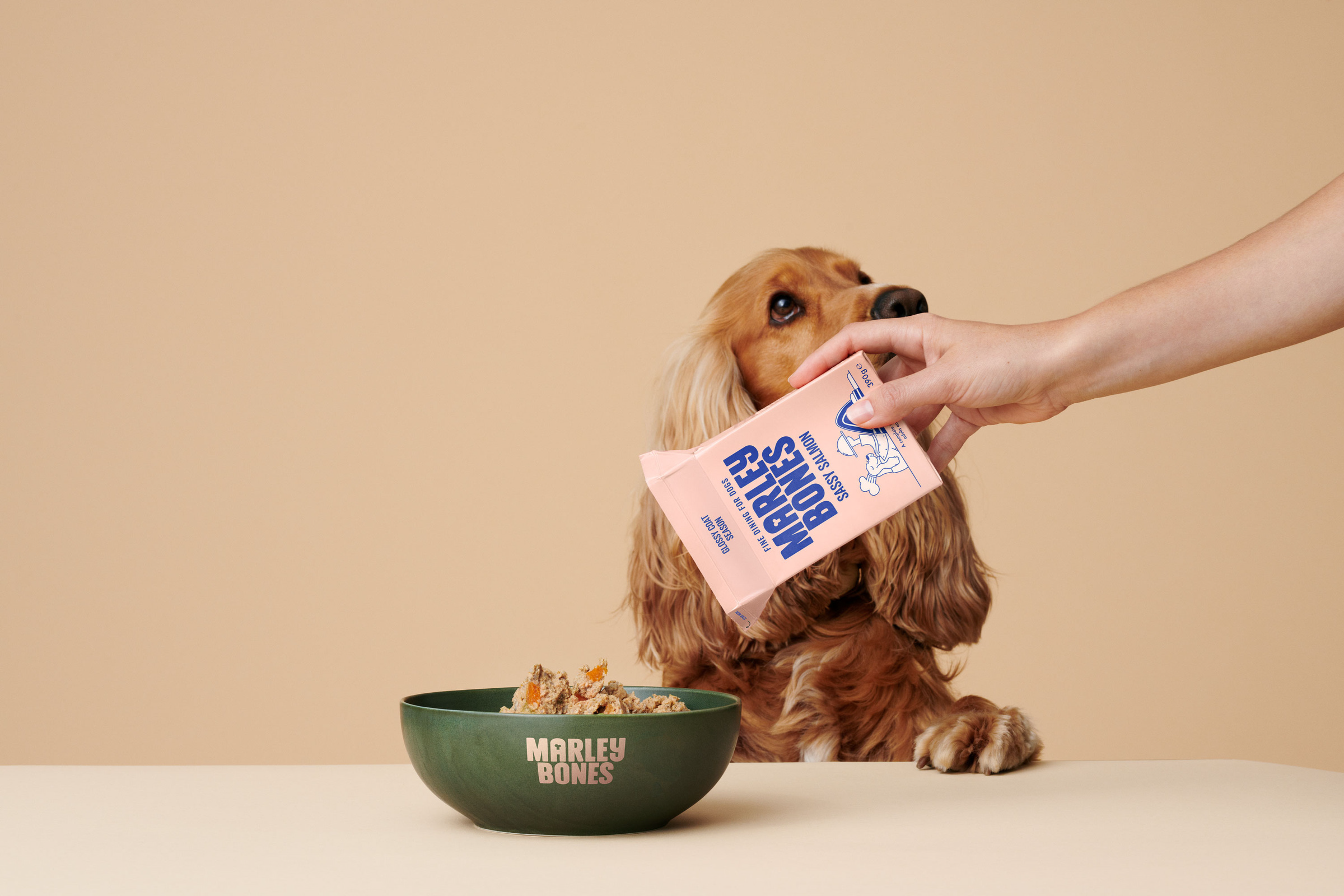
Single-protein meals remove the guesswork for sensitive dogs. Sassy Salmon and Lush Lamb are both built from whole, identifiable ingredients with no fillers or artificial additives - making them the most reliable starting point for a breed where the gut needs straightforward, low-irritant food.
How much should I feed a Chipoo?
Adult Chipoos typically weigh between 3 and 8kg, but body condition is a more reliable guide than the scales. You should be able to feel the ribs without pressing hard, and there should be a visible waist tuck when you look down from above. If neither is clear, the daily portion needs to come down.
Fresh food is more satiating than the equivalent calorie count in dry kibble - the higher moisture content takes up more volume in the stomach, and most owners transitioning from kibble find their dog appears satisfied on a lower nominal calorie intake. Feeding guides are a starting point: adjust to body condition over six to eight weeks, and factor in every treat given across the day. At this size, a handful of treats is a meaningful proportion of a daily calorie budget.
Two meals a day suits adult Chipoos - it keeps blood sugar stable and reduces the risk of the digestive upset that single large meals can cause in a small, sensitive gut. Puppies under six months need three to four smaller meals a day.
Does a Chipoo's size affect how their food should work?
Size shapes almost every aspect of how a Chipoo processes food. A small body has a faster metabolic rate relative to its mass, which means energy demands per kilogram are higher than in a larger dog. It also means that nutrient gaps or poor ingredient quality show up faster - a Chipoo on a nutritionally thin diet will show it in coat condition, energy, and digestive stability within weeks.
The Chipoo's small jaw and teeth also make food format a functional consideration, not just a preference. Hard kibble chips away at tooth enamel and sits poorly with the dental disease small breeds are prone to. Soft fresh food does not create the same mechanical stress on teeth and gums, which matters particularly as the dog ages. The difference between kibble and fresh food is more pronounced in small breeds than large ones for this reason.
Every dog is different - build your personalised Marleybones feeding and health plan tailored to your dog's age, size, and health requirements.
How do different dog food formats compare for Chipoos?
| Format | Moisture content | Processing level | Verdict for Chipoos |
|---|---|---|---|
| Fresh (Pantry Fresh) | 65–75% | Minimal - slow, low-temperature cooking | Best option - whole ingredients, gentle on small teeth, supports sensitive digestion |
| Raw | 65–75% | None | Works for some - bacterial handling risks are a greater concern in a very small dog; preparation required |
| Wet / canned | 75–85% | Moderate | Better than kibble - ingredient quality varies widely; check the label carefully |
| Cold pressed | Around 12% | Low - below extrusion temperatures | Decent middle ground if fresh is not accessible, but low moisture remains a limitation |
| Dry kibble | Around 10% | High - high-temperature extrusion | Worst option for Chipoos - hardest to digest, lowest moisture, hardest on small teeth |
FAQs
How often should I feed my Chipoo?
Twice daily is the right routine for adult Chipoos - morning and evening in roughly equal portions. It keeps energy levels stable, suits a small digestive system that handles volume better spread across the day, and reduces the risk of hypoglycaemia, which small breeds can be prone to if they go too long between meals. Puppies under six months need three to four meals a day.
My Chipoo is an extremely fussy eater - will fresh food help?
Almost certainly. The Chihuahua is one of the most famously selective breeds, and Chipoos inherit that quality in full. Fresh food is significantly more palatable than dry kibble - the aroma, moisture, and texture make it far more appealing to a dog that has learned to hold out for something better. Dogs that have refused multiple kibble brands often eat fresh food without hesitation. Transition gradually over seven to ten days regardless, to protect the sensitive gut during the switch.
Is grain-free food better for Chipoos?
Not automatically. Grain is not inherently the problem - it is the quantity and quality of grain used as a cheap filler in heavily processed food that causes issues. A Chipoo reacting to wheat in low-quality kibble may tolerate whole oats or brown rice in a minimally processed fresh meal without any difficulty. Grain-free foods that swap grain for large quantities of legumes like peas or lentils are not automatically easier to digest and carry their own nutritional considerations.
Should I worry about my Chipoo's joints?
Joint health is a genuine consideration for this breed. Chipoos can inherit patellar luxation from both parent lines, and maintaining a lean body weight is the single most effective dietary measure for protecting the knees. Omega-3 fatty acids from oily fish reduce systemic inflammation and provide additional joint support - a salmon-based diet addresses both the weight management angle, through highly digestible clean protein, and the inflammation angle through EPA and DHA. If joint stiffness is already present, a dedicated supplement is worth discussing with your vet.
Why does my Chipoo have bad skin or a dull coat?
Skin irritation and a flat, dry coat in Chipoos are nearly always diet-related - either a reaction to a specific ingredient or a deficit in omega-3 fatty acids. The soft, often wavy coat this breed carries shows nutritional shortfalls quickly. A diet built around oily fish, with no artificial additives or cheap rendered fats, addresses both the likely irritants and the nutritional gap simultaneously. Coat improvement is typically visible within six to eight weeks of switching to a whole-ingredient diet.
Is Marleybones Pantry Fresh good for Chipoos?
Yes. Marleybones Pantry Fresh meals are vet-developed, contain no artificial preservatives or fillers, and are available in single-protein recipes that suit a breed prone to both digestive sensitivity and skin reactions. Sassy Salmon is the strongest choice for most Chipoos, providing natural EPA and DHA omega-3 fatty acids alongside clean, whole ingredients that the gut handles easily. With a 4.9/5 Trustpilot rating and over two million meals delivered, it is one of the most practical dietary switches an owner can make for a small, sensitive breed where ingredient quality makes a direct and visible difference.
How long before I see a difference after changing my Chipoo's food?
Digestion and stool quality typically improve within two to four weeks. Coat and skin condition follow over six to eight weeks. Weight and energy changes take longer - eight to twelve weeks on a consistent portion gives a reliable picture. If there is no meaningful improvement after four weeks on a consistent diet, the cause may not be dietary and a vet assessment is the right next step.


 Give your dog the quality nutrition they deserve
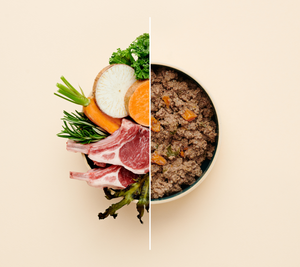
Real meat, wholesome veggies and functional superfoods.
Get 30% off: Take the quiz