


 Vet reviewed
What is the best dog food for a Carolina Dog?

At a glance
- Carolina Dogs thrive on a protein-rich diet built around whole, minimally processed ingredients - the breed's lean, athletic build and historically self-sufficient nature means their digestive system is well-suited to clean, bioavailable food and poorly suited to heavily processed kibble full of starch and fillers.
- Lean muscle maintenance is the primary dietary priority for Carolina Dogs - meals centred on a quality animal protein at a level that supports an active, muscular frame are more important than high fat or high carbohydrate content.
- Hip and joint health is worth supporting through diet from an early age in Carolina Dogs - omega-3 fatty acids from oily fish reduce the low-level joint inflammation that active breeds accumulate over time.
- Portion discipline matters more than many owners expect - the breed's efficient metabolism means they can maintain weight easily on less food than their size might suggest, and overfeeding leads to weight gain that puts unnecessary pressure on their lean frame.
- Skin and coat condition in Carolina Dogs responds directly to dietary fat quality - named animal fats and natural sources of omega-3 improve coat shine and skin resilience in a breed whose short, dense coat reflects nutritional status clearly.
What is the best diet for a Carolina Dog?
A high-protein, minimally processed diet built around a quality animal protein is the most appropriate food for a Carolina Dog. The breed is one of the oldest primitive dog types in North America, with a digestive system that evolved on whole prey and natural forage - not high-starch extruded kibble. That heritage makes ingredient quality and bioavailability more relevant than marketing claims about recipe variety or calorie density.
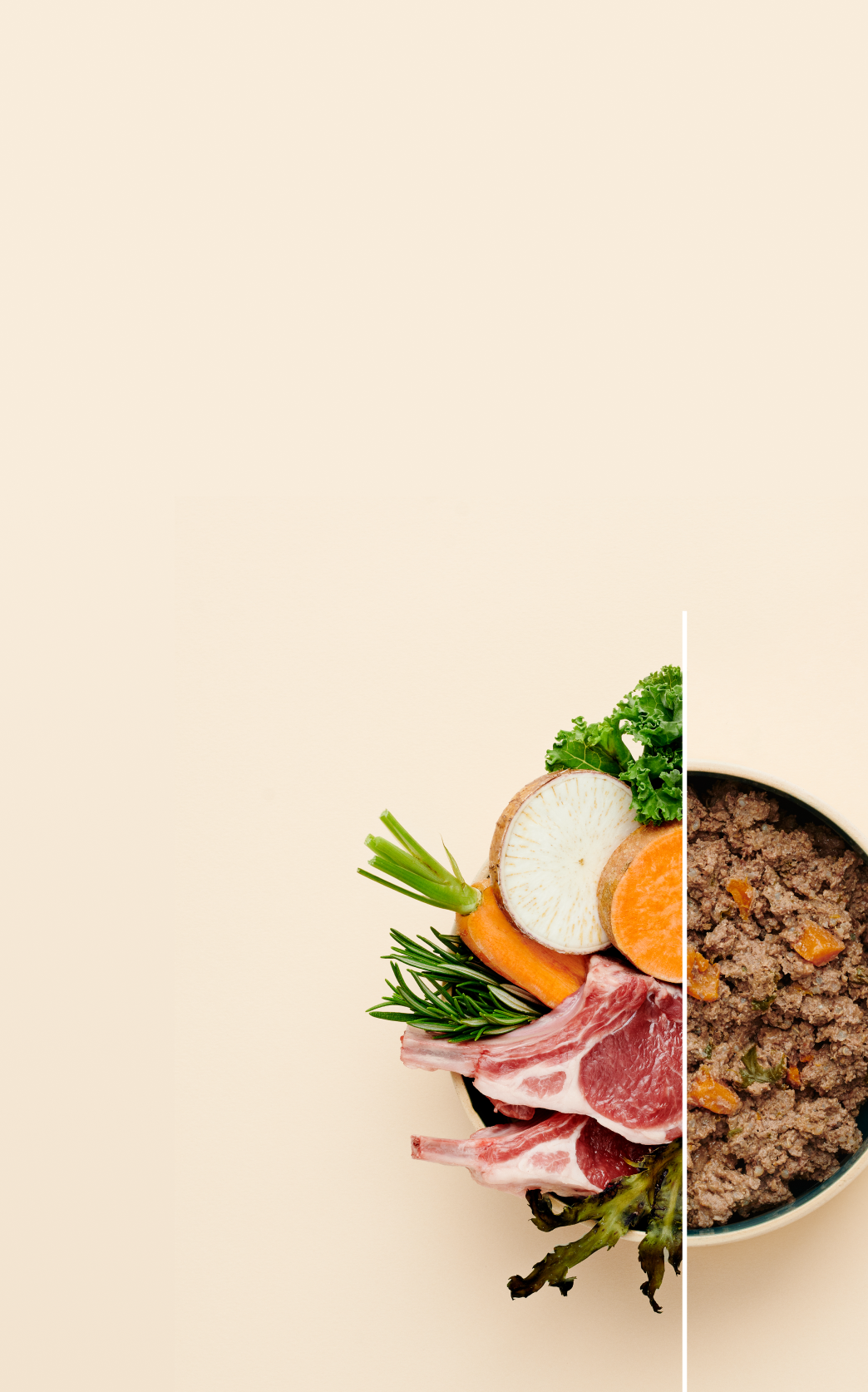
The case for fresh food over dry kibble is particularly clear for primitive breeds. Fresh food cooked at low temperatures retains protein structure, natural moisture, and micronutrients that high-temperature kibble extrusion destroys. The 65-75% moisture content of fresh food supports digestion in a way that 10% moisture dry food simply cannot replicate - and for a lean, active breed whose gut has not been selectively bred for tolerance of heavily processed ingredients, that difference shows up in stool quality, energy, and coat condition.
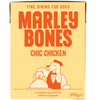
The practical checklist for a good Carolina Dog food is: a named animal protein as the primary ingredient, a natural source of omega-3 fatty acids for joint and coat support, no artificial preservatives or synthetic fillers, and controlled portions calibrated to the dog's actual activity level. Marleybones Pantry Fresh meals are vet-developed, built from whole ingredients slow-cooked in-pack, and available in single-protein recipes that suit a breed where ingredient clarity matters.
Do Carolina Dogs have sensitive stomachs?
Carolina Dogs have robust digestion by nature, but that robustness depends on feeding them food their gut is genuinely equipped to process. A primitive breed that evolved on whole food does not suddenly thrive on a diet of rendered meat meal, artificial preservatives, and high-starch cereal fillers. The digestive upset many Carolina Dog owners report is less about inherent sensitivity and more about a mismatch between what the dog is being fed and what their system is built to handle.
The most common dietary causes of loose stools or wind in Carolina Dogs are poor-quality protein sources, excessive starch from cereal fillers fermenting in the gut, and artificial additives irritating the gut lining. Switching to a fresh, minimally processed food removes all three at once. For dogs with a longer history of digestive issues, a single-protein meal also makes it straightforward to identify what the dog tolerates without the guesswork of a complex multi-protein recipe.
If digestive symptoms persist beyond four weeks of a dietary change, or include blood in stools, significant weight loss, or repeated vomiting, a vet assessment is the right next step before continuing to adjust the food.
What protein is best for a Carolina Dog?
Beef, lamb, and salmon are the strongest protein choices for most Carolina Dogs. The breed's naturally high activity level and lean muscle mass need a protein that delivers complete amino acid profiles from identifiable whole-meat sources - not protein percentages inflated by plant-based additions or low-quality rendered meals.
Salmon is the most complete single choice for Carolina Dogs with any joint or coat concerns, providing clean, highly digestible protein alongside EPA and DHA omega-3 fatty acids that directly address both. Beef is a strong option for a highly active dog needing the nutrient density of red meat. Lamb is a lower-allergenicity red meat alternative that suits dogs with a history of digestive sensitivity, or those that have already eaten chicken or beef for extended periods and developed a reaction to either.
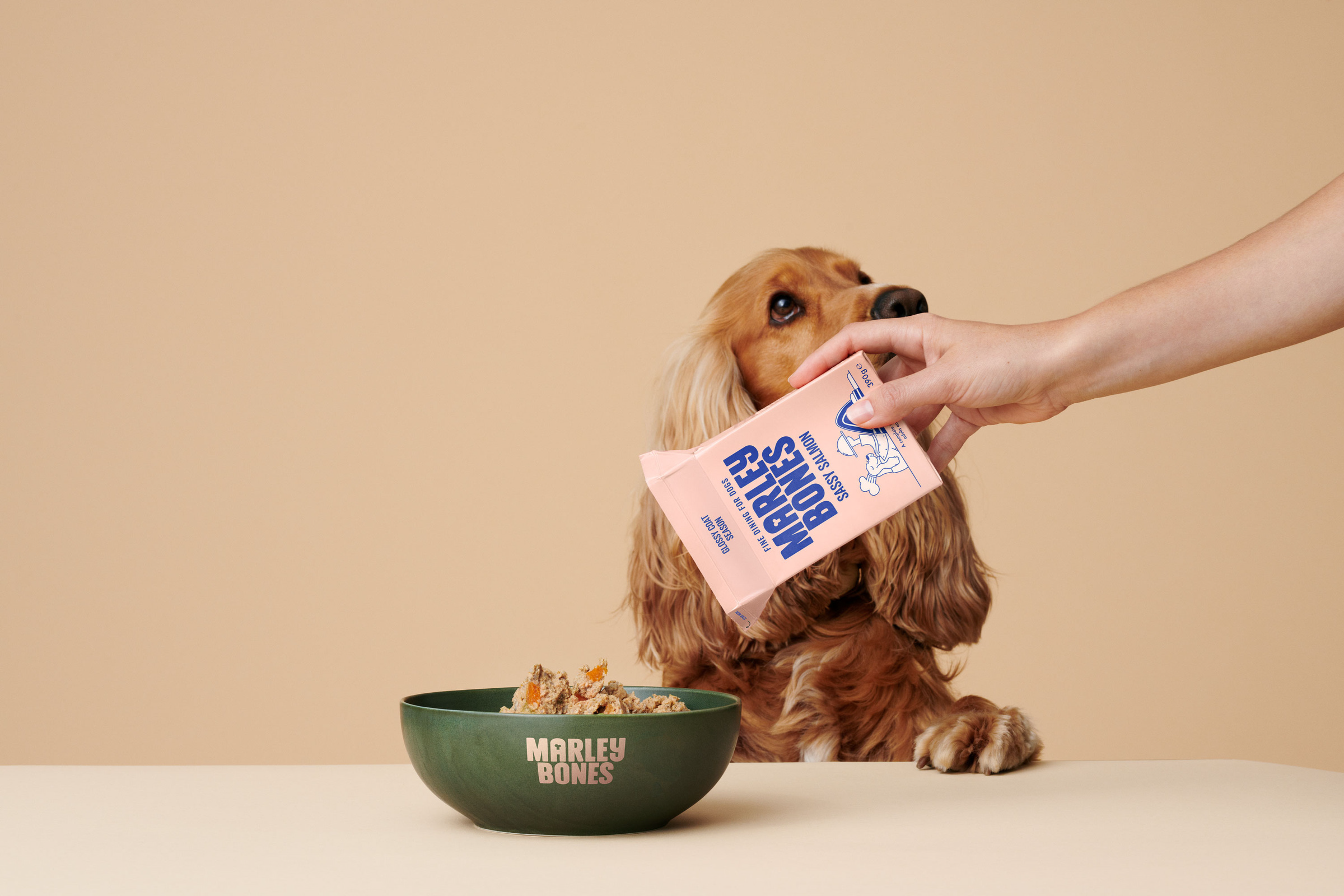
Single-protein meals are preferable for any Carolina Dog with a history of gut sensitivity or skin reactions, as they make it straightforward to confirm tolerance before introducing variety. Meals built around novel proteins - like Marleybones Sassy Salmon or Lush Lamb - are a practical starting point, with chicory root as a natural prebiotic supporting gut stability during and after the transition.
How does diet support joint health in a Carolina Dog?
Active, athletic breeds accumulate low-level joint stress over years of movement, and diet is one of the most practical tools for managing it before it becomes a problem. Carolina Dogs are not a breed with a particularly high genetic predisposition to hip dysplasia, but their lean build and high activity levels make consistent joint nutrition worthwhile from early adulthood.
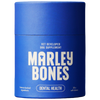
Omega-3 fatty acids - specifically EPA and DHA from oily fish - reduce systemic inflammation, including the inflammation that builds in joints over time. A diet that includes oily fish as a genuine whole ingredient rather than a synthetic additive delivers these more reliably. For dogs that need additional support, a dedicated supplement alongside the main diet is worth considering - Marleybones Joint Health supplement contains green-lipped mussel, glucosamine, and chondroitin, the three most evidence-backed ingredients for joint support in active dogs.
Weight management is the other side of joint health. A Carolina Dog carrying even a small amount of excess weight puts measurable additional load on joints with every stride - keeping the dog lean is as important as any supplement.
How much should I feed a Carolina Dog?
Adult Carolina Dogs typically weigh between 16 and 25kg, though body condition is a more reliable guide than the scales. You should be able to feel the ribs without pressing hard, and see a clear waist tuck from above. The breed is naturally lean and efficient - they do not need large food volumes to maintain condition, and overfeeding shows up quickly in a frame not built to carry excess weight.
Feeding guides are a starting point. Adjust portions based on body condition over six to eight weeks, and factor in treats - they contribute more calories than most owners realise. Active Carolina Dogs that get significant daily exercise need slightly more than the guide suggests; less active dogs or those in middle age need meaningfully less. Switching from kibble to fresh food means the nominal calorie count can usually be reduced slightly, because the higher moisture content in fresh food is more satiating gram for gram.
Twice daily feeding suits most adult Carolina Dogs - it is more digestively manageable than a single large meal and keeps energy levels stable across the day.
Every dog is different - build your personalised Marleybones feeding and health plan tailored to your dog's age, size, and health requirements.
How do different dog food formats compare for Carolina Dogs?
| Format | Moisture content | Processing level | Verdict for Carolina Dogs |
|---|---|---|---|
| Fresh (Pantry Fresh) | 65-75% | Minimal - slow low-temperature cooking | Best option - whole ingredients, supports lean muscle, joint health, and coat condition |
| Raw | 65-75% | None | Well-suited to the breed's digestive heritage - bacterial load and handling requirements are worth considering |
| Wet / canned | 75-85% | Moderate | Better than kibble - ingredient quality varies widely, check the label carefully |
| Cold pressed | Around 12% | Low - below extrusion temperatures | Reasonable middle ground where fresh is not accessible - better protein preservation than extruded kibble |
| Dry kibble | Around 10% | High - high-temperature extrusion | Poorest match for a primitive breed - low moisture, high starch, heavily processed protein |
FAQs
How often should I feed my Carolina Dog?
Twice daily is the right approach for most adult Carolina Dogs, splitting the daily portion into morning and evening meals. A single large meal puts more load on the digestive system and does not suit an active breed that benefits from steady energy across the day. Puppies under six months need three to four smaller meals daily.
Is Marleybones Pantry Fresh good for Carolina Dogs?
Yes. Marleybones Pantry Fresh meals are vet-developed, contain no artificial preservatives or fillers, and are built around whole ingredients that match the protein-forward nutritional needs of an active primitive breed. With a 4.9/5 Trustpilot rating and over 2,000,000 meals delivered, the single-protein recipes - particularly Sassy Salmon and Boss Beef - are a strong fit for Carolina Dogs, providing clean protein alongside natural sources of omega-3 and prebiotic chicory root for gut support.
My Carolina Dog is lean - should I be feeding more?
Not necessarily. The Carolina Dog is naturally lean and carries less body fat than many domesticated breeds - a visible waist and feelable ribs are normal and correct for the breed. If the dog is energetic, maintaining muscle condition, and producing firm stools, the current portion is likely appropriate. Only increase food if the dog is losing muscle mass, showing low energy, or if body condition scoring by a vet confirms they are genuinely underweight.
Does diet affect a Carolina Dog's coat?
Directly, yes. The breed's short, dense double coat reflects nutritional status clearly - a dull, dry, or coarse coat is one of the first signs that dietary fat quality or omega-3 provision is inadequate. Named animal fats from identifiable sources and EPA and DHA from oily fish are the most practical nutritional supports for coat condition. Most owners switching from dry kibble to a fresh diet notice a visible improvement in coat shine and texture within six to eight weeks.
Are Carolina Dogs prone to food allergies?
The breed does not carry an unusual genetic predisposition to food allergy, but dietary sensitivities develop in any dog fed the same protein for extended periods. Chicken and beef are the most common culprits simply because they are the most widely used proteins in commercial dog food. If a Carolina Dog develops recurring skin irritation, ear infections, or digestive upset, a protein rotation or switch to a novel single-protein food is the sensible first step before investigating further.
Is grain-free food better for a Carolina Dog?
Grain-free labelling is not a reliable guide to food quality. The relevant question is whether the food is built around quality animal protein with minimal starch from any source, grain or otherwise. A grain-free food that replaces wheat with large quantities of peas or lentils is not automatically better - and for an active breed that needs a diet weighted toward animal protein, the total carbohydrate content and its source matter more than whether grain is present.
How do I transition my Carolina Dog to fresh food?
Transition gradually over seven to ten days, starting with around 25% new food mixed into the current diet and increasing every two to three days. Even if the dog takes to the new food immediately, a gradual switch reduces the chance of digestive upset from the change in microbiome load. Dogs with a history of digestive sensitivity may benefit from a slightly slower transition over fourteen days.


 Give your dog the quality nutrition they deserve
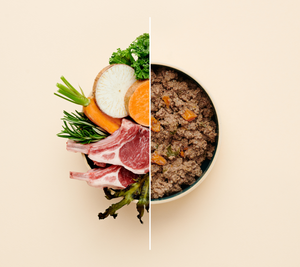
Real meat, wholesome veggies and functional superfoods.
Get 30% off: Take the quiz