


What Is IBD in Dogs — and How Does Diet Help?

At a glance
- IBD is a chronic inflammatory condition affecting the gut lining — not the same as a one-off upset stomach
- Symptoms include persistent vomiting, diarrhoea, weight loss, and reduced appetite lasting more than two to three weeks
- Diet changes are a frontline treatment — many dogs improve significantly on an elimination or novel-protein diet
- Highly digestible protein, prebiotic fibre, and minimal additives are the key dietary priorities
- IBD requires veterinary diagnosis — it shares symptoms with other serious conditions including intestinal cancer
What is IBD in dogs?
IBD (inflammatory bowel disease) in dogs is a chronic condition where immune cells infiltrate the lining of the gut, causing persistent inflammation that interferes with normal digestion and nutrient absorption. It is not a single disease but a group of related disorders, classified by which immune cells are involved and which part of the gut is affected.
The most common form is lymphoplasmacytic enteritis, where lymphocytes and plasma cells accumulate in the intestinal wall. Less commonly, dogs develop eosinophilic enteritis, where eosinophils (a type of white blood cell) drive the inflammation. Both disrupt the gut's ability to absorb nutrients properly.
IBD is distinct from IBS (irritable bowel syndrome), which is a functional problem with gut motility rather than structural inflammation. IBD causes measurable physical changes to the gut wall. Diagnosis requires a biopsy, which is why a vet visit is essential — symptoms alone cannot distinguish IBD from other serious conditions.
For a broader look at how diet connects to common health conditions, diet and your dog's health covers the full picture across conditions.
What are the signs of IBD in dogs?
The defining feature of IBD is persistence. A single bout of vomiting or loose stools is not IBD. The condition involves symptoms that continue for two to three weeks or longer, often cycling through better and worse periods without ever fully resolving.
The most common signs include:
- Chronic vomiting — sometimes with bile, sometimes after eating
- Loose stools or intermittent diarrhoea
- Gradual weight loss despite a normal or increased appetite
- Reduced appetite or total food refusal during flare-ups
- Visible loss of muscle condition, particularly over the spine and hindquarters
- Gurgling gut sounds and excessive wind
Some dogs develop protein-losing enteropathy (PLE) as IBD progresses. PLE means the inflamed gut is leaking protein into the intestine instead of absorbing it. It causes low blood protein levels, which can lead to fluid accumulation in the abdomen or limbs. PLE is serious and needs prompt veterinary attention.
If your dog has had loose stools or vomiting for more than two to three weeks, see a vet. IBD shares symptoms with intestinal lymphoma, pancreatic disease, and parasitic infections — none of which should be managed with diet changes alone.
How does diet help manage IBD in dogs?
Diet is one of the most effective tools for managing IBD. Food does not cure the condition, but the right diet reduces the antigenic load on the gut (the number of things the immune system has to react to), supports the intestinal lining, and makes digestion less demanding.
There are three dietary approaches vets use most often:
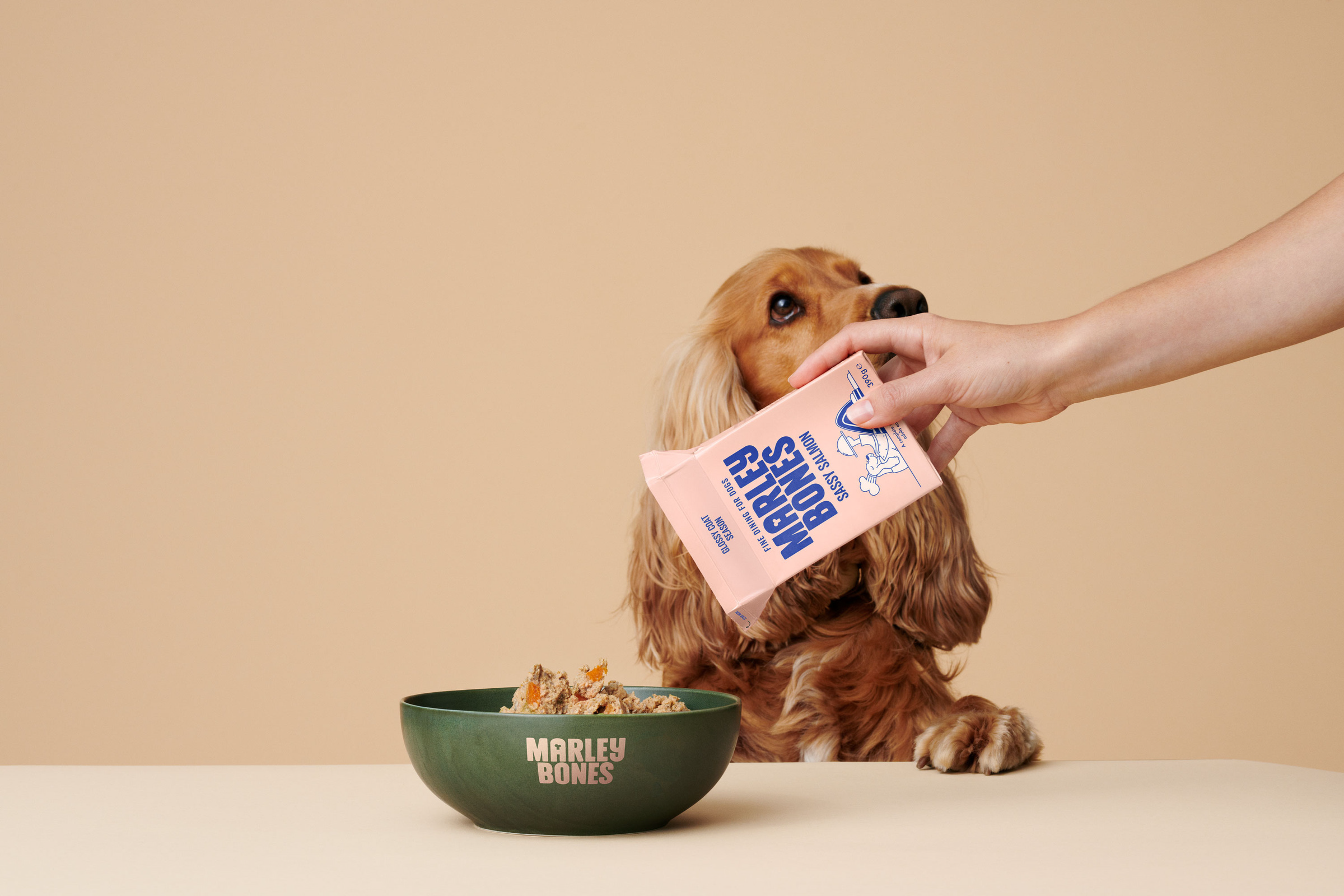
Novel protein or hydrolysed protein diets. Many dogs with IBD have an underlying food sensitivity that triggers or worsens inflammation. Feeding a single protein source the dog has never eaten before — lamb, salmon, or venison, for example — removes familiar antigens and gives the gut a chance to settle. A hydrolysed protein diet breaks proteins into fragments too small for the immune system to recognise, achieving a similar result.
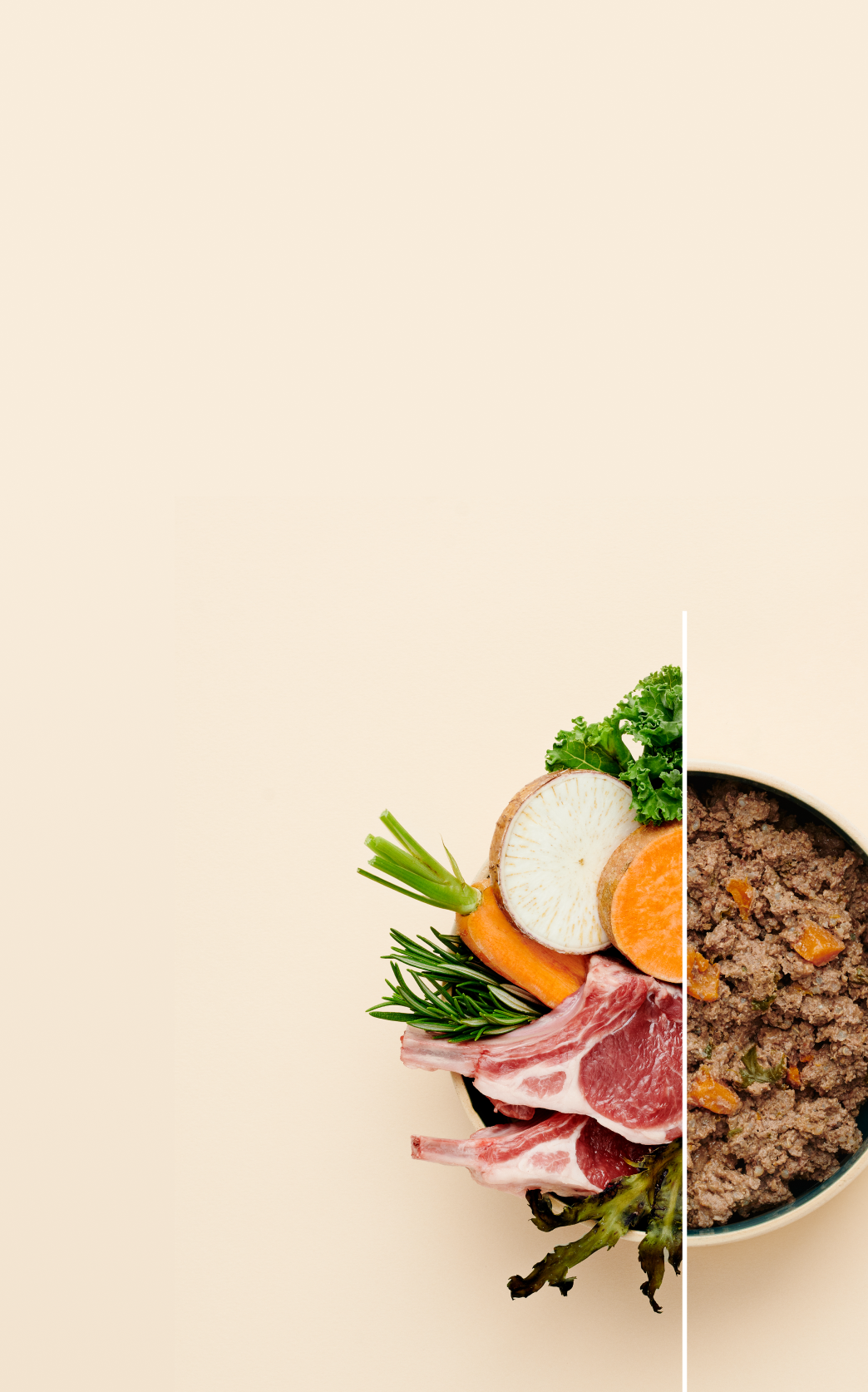
Highly digestible ingredients. The inflamed gut struggles to process complex, heavily processed food. Fresh, minimally processed ingredients with a high biological value are absorbed higher up in the digestive tract, reducing the fermentation and bacterial overgrowth that worsen IBD symptoms. Marleybones meals are freshly prepared and slow-cooked in-pack with no artificial additives, which makes them easier on a compromised gut than heavily processed alternatives.
Prebiotic fibre. The gut microbiome (the population of bacteria living in the intestine) plays a direct role in IBD. A healthy, diverse microbiome dampens immune overreaction. Chicory root, one of the most researched prebiotics in dog nutrition, feeds the beneficial bacteria that keep digestion stable and is included in all Marleybones meals.
Fat content matters too. High-fat diets can worsen diarrhoea in dogs with IBD, particularly if the condition affects fat absorption. A moderate-fat diet is generally better tolerated during flare-ups.
What specific foods should dogs with IBD avoid?
Removing problem ingredients is as important as adding beneficial ones. The following are the most common dietary triggers in dogs with IBD:
| Ingredient or category | Why it's a problem |
|---|---|
| Multiple protein sources | Each protein is a potential antigen — multiple sources increase the immune burden |
| Artificial additives and preservatives | Can irritate the gut lining and alter the microbiome |
| High-fat content | Slows digestion, worsens diarrhoea, and stresses the lymphatic system |
| Wheat and gluten | Linked to food sensitivities in some dogs — particularly those with eosinophilic enteritis |
| Fillers and low-quality by-products | Poor digestibility increases fermentation and bacterial load in the lower gut |
An elimination diet — feeding a single novel protein and carbohydrate source for eight to twelve weeks — remains the gold standard for identifying food triggers. Changes made mid-trial invalidate the results, so consistency matters.
Every dog is different — build your personalised Marleybones feeding and health plan tailored to your dog's age, size, and health requirements.
If you are also managing a sensitive digestive system more broadly, the complete guide to sensitive stomachs and gut health covers the full range of digestive conditions and dietary strategies.

“Such a relief to see her enjoying her food”
FAQs
Can IBD in dogs be cured?
IBD cannot be cured, but it can be managed well. Many dogs with IBD live normal, comfortable lives with the right combination of diet, and in some cases, medication. The goal is long-term remission rather than a cure. Some dogs require immunosuppressive drugs alongside dietary changes; others respond to diet alone.
How long does an elimination diet take to work for IBD?
Eight to twelve weeks on a strict novel-protein diet is the minimum time needed to assess whether a food sensitivity is driving the IBD. Most dogs that respond to dietary change show noticeable improvement within four to six weeks, but the full trial period is essential before drawing conclusions.
Is IBD the same as a food allergy in dogs?
No, but they overlap. A food allergy can trigger or worsen IBD. Some dogs with IBD have an identifiable food trigger; others have IBD driven by environmental factors, genetic predisposition, or gut microbiome imbalance with no clear dietary trigger. The distinction matters because food-responsive IBD often needs diet management alone, while non-food-responsive IBD usually requires medication.
Which dog breeds are most prone to IBD?
German Shepherds, Border Collies, Basenjis, Norwegian Lundehunds, and Soft-Coated Wheaten Terriers are among the breeds with higher reported rates of IBD. Large breeds are also overrepresented in protein-losing enteropathy cases. That said, IBD can affect any breed at any age.
Should I switch my dog's food if I suspect IBD?
Not without speaking to a vet first. Switching food without a diagnosis risks masking symptoms that point to a more serious condition, or invalidating a future elimination trial. A vet will guide the dietary approach based on biopsy results and the specific type of IBD confirmed.
“A complete game changer!!”


 Give your dog the quality nutrition they deserve
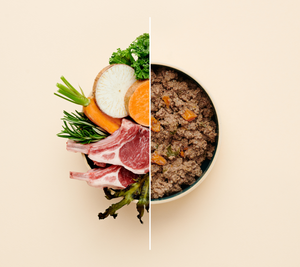
Real meat, wholesome veggies and functional superfoods.
Get 40% OFF today