




Best Dog Food for Havanese with Itchy Skin

At a glance
- Havanese are prone to environmental allergies and food sensitivities that show up as itchy, flaky skin and recurring ear or paw licking.
- Diets rich in omega-3 fatty acids (EPA and DHA) reduce skin inflammation and support the skin's natural barrier.
- A single novel protein source, such as lamb or salmon, makes it easier to identify and manage food-related flare-ups.
- Fillers, artificial preservatives and low-grade meat meals are common (though not universal) triggers for skin reactions in sensitive dogs.
- Persistent itching lasting more than two to three weeks warrants a vet check to rule out parasites, thyroid issues or infection before diet changes alone are relied on.
What is the best dog food for a Havanese with itchy skin?
The best dog food for a Havanese with itchy skin is a single-protein, minimally processed recipe with a strong omega-3 content and no artificial preservatives or fillers. Havanese have fine, long double coats that trap moisture and debris close to the skin, which makes them more prone to irritation than short-coated breeds. Many also carry a genetic predisposition to atopic dermatitis, an allergic skin condition triggered by environmental factors as well as diet.
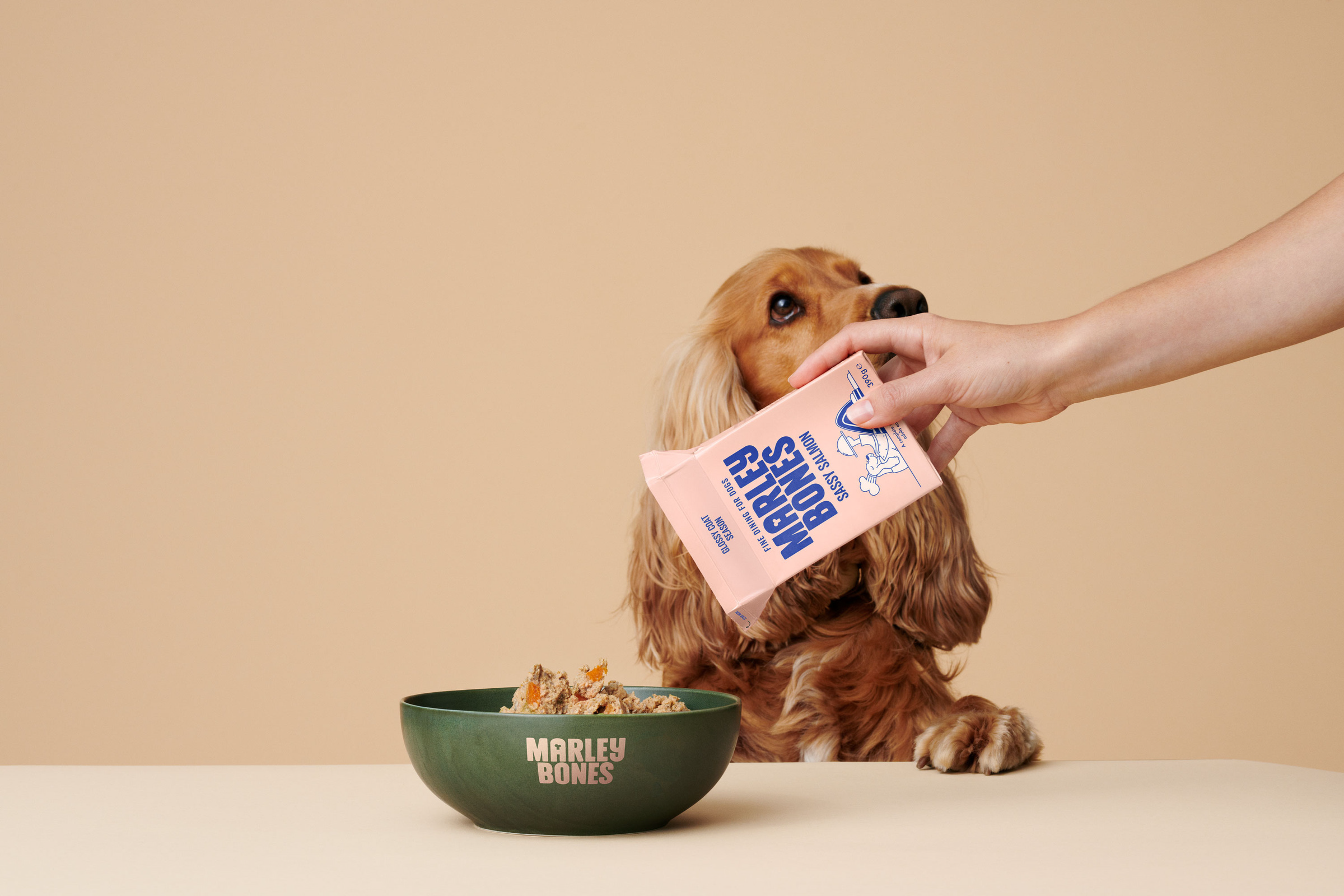
Fresh, gently cooked food tends to retain more of its natural nutrient content than heavily processed kibble, because it avoids the repeated high-heat extrusion that can degrade fatty acids. If you're building a fuller picture of your Havanese's nutritional needs beyond skin health, this guide to feeding a Havanese covers portion sizes and life stage requirements in more depth. Marleybones' Sassy Salmon recipe is one option built around a single animal protein with naturally occurring omega-3s, which is the exact profile vets recommend investigating first for skin issues.
What causes itchy skin in Havanese dogs?
Itchy skin in Havanese is usually caused by one of three things: environmental allergies, food sensitivities, or an imbalance in essential fatty acids. Environmental allergies, known as atopic dermatitis, are triggered by pollen, dust mites or grass and tend to be seasonal. Food sensitivities are different: they're a reaction to a specific ingredient, most often a protein source like chicken or beef, and they're not seasonal at all, showing up consistently regardless of time of year.
A third and often overlooked cause is simple nutritional imbalance. Dogs fed diets low in omega-3 and omega-6 fatty acids develop dry, flaky skin and a dull coat because these fats form part of the skin's structural barrier. For a broader look at how nutrition ties into overall health, the Marleybones guide to diet and common health conditions is a useful starting point. If itching persists beyond two to three weeks, or your dog is scratching to the point of hair loss or broken skin, speak to a vet. These can be signs of infection, mites or an underlying thyroid condition, which diet alone won't resolve.
Which ingredients actually help with itchy skin?
Omega-3 fatty acids, specifically EPA and DHA, are the single most evidence-backed ingredient for reducing skin inflammation in dogs. These fats are found naturally in oily fish like salmon and in linseed. They work by reducing the production of inflammatory compounds in the skin, which lessens redness, itchiness and flaking over time, typically within six to eight weeks of consistent feeding.
Beyond omega-3s, a handful of other ingredients make a measurable difference:
- Single novel proteins like lamb or salmon reduce the chance of triggering an existing sensitivity to more common proteins such as chicken or beef.
- Chia and hemp seeds provide plant-based omega-3s and omega-6s that support skin barrier function.
- Chicory root, a prebiotic fibre, supports gut health, and a healthy gut microbiome is increasingly linked to lower rates of skin allergy in dogs.
- Zinc and vitamin E support skin cell repair and coat condition.
Marleybones includes chia seeds, hemp seeds and chicory root across its Pantry Fresh recipes, alongside linseeds for additional omega-3 support. None of these ingredients are unique to one brand, but their combined presence in a single recipe is worth checking for on any label.
Fresh food versus kibble for skin sensitivities: what's the difference?
Fresh food generally retains more of its natural fatty acid content than dry kibble, because kibble is produced using high-temperature extrusion that can degrade heat-sensitive omega-3s. Kibble also typically relies on rendered meat meals and added fats to reach its final fatty acid targets, which introduces more processing steps and, often, more preservatives.
| Factor | Fresh food | Standard kibble |
|---|---|---|
| Processing method | Slow-cooked, sealed in-pack | High-heat extrusion |
| Omega-3 retention | Higher, less heat exposure | Lower, degraded by processing |
| Preservatives | Often none needed | Frequently required for shelf life |
| Protein sourcing | Often single, identifiable protein | Often blended meat meals |
Marleybones' Pantry Fresh format is sealed raw and slow-cooked in-pack, which means it's shelf-stable without preservatives or freezing, a detail worth checking against any fresh food brand you're considering for a dog with skin sensitivities. This doesn't mean kibble is unsuitable for every dog with itchy skin. Well-formulated kibbles that include added fish oil and limited ingredients can also work. The processing method is one factor among several, and protein source and overall recipe quality matter just as much.
How do you introduce a new food safely?
Switch gradually over seven to ten days, mixing increasing amounts of the new food with the old to avoid digestive upset. Watch for changes in itching, coat quality and stool consistency over the following four to six weeks, since skin improvements take time to show. If you're moving from kibble to a fresh diet for the first time, this step-by-step transition guide walks through the process in more detail.
Keep a simple log of flare-ups during the transition. This makes it far easier to spot whether a specific ingredient is the culprit, rather than guessing after the fact. Every dog is different, and building your personalised Marleybones feeding and health plan tailored to your dog's age, size and health requirements takes the guesswork out of where to start.

“Such a relief to see her enjoying her food”
FAQs
Is chicken bad for Havanese with itchy skin?
Chicken isn't inherently bad, but it's one of the most common proteins dogs develop sensitivities to over time, simply because it's used so widely. If your Havanese is itchy and has been on a chicken-based diet for years, switching to a single novel protein like lamb or salmon for six to eight weeks is a reasonable first step to test for a reaction.
Can grooming products cause itchy skin instead of food?
Yes. Shampoos, conditioners and flea treatments can all cause contact irritation that looks identical to a food allergy. If diet changes don't improve symptoms within six to eight weeks, review grooming products and speak to a vet about ruling out other causes.
How long does it take to see improvement after switching food?
Most dogs show some improvement in skin and coat condition within four to six weeks of a consistent diet change, though full resolution of chronic irritation can take up to twelve weeks. Omega-3 fatty acids in particular need sustained intake to build up in the skin's tissue.
Does Marleybones make a food specifically for itchy skin?
Marleybones doesn't produce a dedicated medicated skin diet, but recipes like Sassy Salmon are built around a single animal protein with naturally occurring omega-3s, which aligns with the dietary approach vets recommend for skin sensitivities. For a full breakdown of ingredient options across health conditions, this guide to food for itchy skin and allergies covers the wider range of considerations.
Should I add a supplement instead of changing the whole diet?
An omega-3 supplement can help if you don't want to switch your dog's full diet, but it works best alongside a good base diet rather than as a replacement for one. Fish oil supplements need to be dosed correctly and introduced gradually to avoid digestive upset.
“A complete game changer!!”


 Give your dog the quality nutrition they deserve
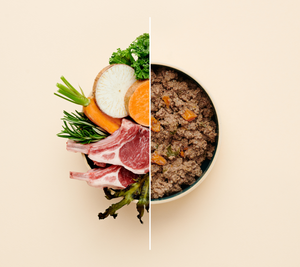
Real meat, wholesome veggies and functional superfoods.
Get 30% off: Take the quiz