


What causes mucus in dog poop — and should you worry?

At a glance
- A thin coating of mucus on dog poop is normal — the gut produces it to lubricate the intestinal lining
- Heavy mucus, or mucus with blood, points to inflammation in the large intestine
- Dietary changes, food intolerance, stress, and parasites are the most common triggers
- A single episode without other symptoms rarely needs vet treatment
- Persistent mucus lasting more than 48 hours warrants a vet visit
What does mucus in dog poop actually mean?
A small amount of mucus in dog poop is completely normal. The gut lining produces mucus constantly — it coats the intestinal walls, reduces friction, and helps stool pass through without irritating the tissue. You might not notice it at all. When you do, it usually looks like a clear or slightly white jelly coating on or around the stool.
The problem starts when the amount increases noticeably. That signals inflammation somewhere in the digestive tract, most commonly in the large intestine (the colon). The body produces more mucus as a protective response to irritation — essentially trying to soothe and protect the gut lining from whatever is causing the problem.
One episode of mucus-coated stool, with no other symptoms, is not a reason to panic. The gut is sensitive to all kinds of minor disruptions. But if it keeps happening, or comes with blood, diarrhoea, lethargy, or vomiting, that changes the picture entirely. Understanding the most likely causes makes it much easier to know what to do next. The complete guide to sensitive stomachs and gut health covers how diet and digestion connect across the full picture.
What are the most common causes of mucus in dog poop?
There are several distinct causes, and the right response depends heavily on which one is likely.
Dietary change or intolerance. Switching foods too quickly is one of the most common triggers. The gut microbiome, the community of bacteria living in the digestive tract, needs time to adjust to a new diet. Rushing that transition disrupts the balance and causes inflammation. Food intolerance (a sensitivity to a specific ingredient rather than a true immune-mediated allergy) produces similar symptoms — mucus, loose stool, and sometimes flatulence.
Stress. The gut and brain are directly connected through the vagus nerve. Stress, whether from fireworks, travel, a new home, or a change in routine, triggers physical changes in gut motility and mucus production. This is sometimes called stress colitis.
Intestinal parasites. Worms, particularly whipworm and hookworm, irritate the gut lining and cause excess mucus. Giardia, a single-celled parasite, is another common culprit, especially in dogs that drink from puddles or shared water sources.
Colitis. Colitis simply means inflammation of the colon. It has multiple causes — infection, parasites, food sensitivity, or stress — and mucus in the stool is its most characteristic symptom. Dogs with colitis often strain to defecate and produce small, frequent stools.
Inflammatory bowel disease (IBD). IBD is a chronic condition where the immune system attacks the gut lining. It produces persistent symptoms including mucus, weight loss, and intermittent vomiting. It requires a formal diagnosis and ongoing management.
Infections. Bacterial infections, including Campylobacter and Salmonella, cause acute gut inflammation with mucus and often blood. These are more common after a dog eats raw meat, scavenges from bins, or comes into contact with infected animals.
| Cause | Key signs | Action |
|---|---|---|
| Dietary change | Mucus, soft stool, wind | Slow the transition, feed a consistent diet |
| Food intolerance | Recurring mucus, loose stool, skin issues | Identify and eliminate trigger ingredient |
| Stress | Mucus after an event, resolves quickly | Manage the stressor, support gut with fibre |
| Parasites | Mucus, weight loss, scooting | Vet check, stool sample, deworming |
| Colitis | Straining, frequent small stools, mucus | Vet diagnosis, dietary management |
| IBD | Persistent mucus, weight loss, vomiting | Vet diagnosis required, ongoing care |
| Bacterial infection | Acute mucus, blood, lethargy | Vet immediately |
When should you actually call the vet?
Call the vet if any of the following apply: mucus has been present for more than 48 hours, there is blood in the stool (red or dark/tarry), your dog is lethargic or vomiting, your dog is straining repeatedly without producing much stool, or your dog is a puppy, elderly, or has a known health condition. Puppies are especially vulnerable because dehydration sets in faster and infections can escalate quickly.
If the mucus appeared after a food change, an obviously stressful event, or a single unusual meal, and your dog is otherwise eating, drinking, and behaving normally, a watchful 24 to 48 hours at home is reasonable. If things do not improve, book the appointment.
Never wait if there is blood. Bright red blood alongside mucus points to large intestine inflammation. Dark, tarry stools suggest bleeding higher up in the digestive tract. Both need prompt vet assessment.
Does diet make a difference to gut mucus long-term?
Yes, significantly. The gut lining is renewed roughly every five to seven days, and diet directly influences how well that process works. Diets high in easily digestible protein and fibre support a stable microbiome, reduce gut inflammation, and produce less mucus overall.
Highly processed foods with synthetic additives, high starch filler content, and poor-quality protein sources are harder to digest. Undigested material sitting in the colon feeds the wrong types of bacteria and drives inflammation. Dogs prone to mucus in their stool frequently improve when switched to a cleaner, more digestible diet.
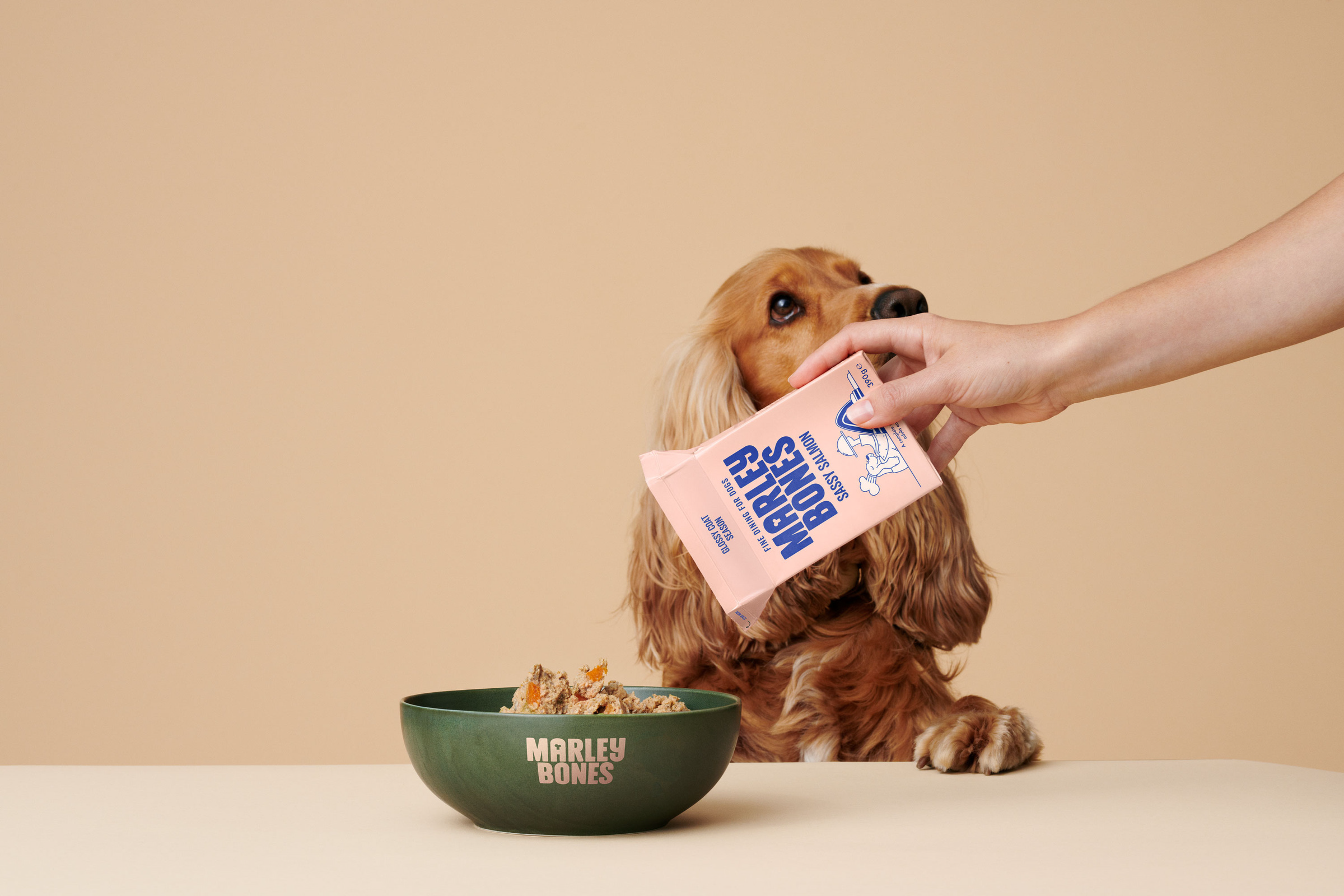
Prebiotic fibre plays a specific role here. Chicory root, for example, feeds the beneficial bacteria that regulate gut inflammation and stool consistency. Marleybones meals include chicory root alongside other gut-supporting ingredients — chia seeds, linseeds, and hemp seeds — and are made without fillers or preservatives, which removes a common dietary irritant for sensitive dogs.
When switching food, always transition slowly: introduce the new food over seven to ten days, gradually increasing the proportion while reducing the old food. A sudden switch is one of the most reliable ways to trigger the very mucus you are trying to resolve.
Every dog is different — build your personalised Marleybones feeding and health plan tailored to your dog's age, size, and health requirements.
If your dog has a history of gut sensitivity, the advice on choosing the best food for a sensitive stomach covers what to look for — and what to avoid — in practical detail.

“Such a relief to see her enjoying her food”
FAQs
Is a small amount of mucus in dog poop always a problem?
No. A thin coating of mucus is a normal part of how the gut works. It lubricates the intestinal lining and helps stool pass smoothly. You only need to act if the amount is large, if it keeps recurring, or if other symptoms appear alongside it.
What does it mean if there is blood as well as mucus in my dog's poop?
Blood alongside mucus points to inflammation in the large intestine. Bright red blood is usually from the colon or rectum. Dark, tarry blood suggests bleeding higher up. Either way, contact your vet the same day — do not wait to see if it resolves on its own.
Can stress cause mucus in dog poop?
Yes. Stress directly affects gut motility and mucus production. The gut and brain share a direct nerve pathway, so anxiety from fireworks, travel, or routine changes can trigger a brief bout of colitis with mucus-coated stool. It usually resolves within 24 to 48 hours once the stressor passes.
How do I know if mucus in my dog's poop is caused by their food?
If mucus appears consistently after meals, recurs without an obvious stress trigger, and improves when you change the diet, food is very likely the cause. A food diary helps identify the pattern. An elimination diet, feeding a single novel protein for four to six weeks, is the most reliable way to confirm a food intolerance.
Should I withhold food if my dog has mucus in their poop?
Not necessarily. A short period of bland feeding, plain cooked chicken and rice for 24 hours, can help settle mild gut irritation. Withholding food entirely is rarely needed and can cause additional stress. If your dog is vomiting repeatedly or showing signs of pain, stop feeding and contact your vet before doing anything else.
“A complete game changer!!”


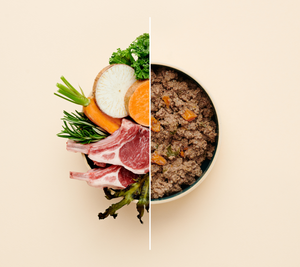 Give your dog the quality nutrition they deserve
Real meat, wholesome veggies and functional superfoods.
Get 40% OFF today