

How diet can help manage a dog's anxiety and stress

At a glance
- The gut and brain are directly connected — around 90% of a dog's serotonin (a key calming neurotransmitter) is produced in the gut, not the brain.
- Tryptophan, omega-3 fatty acids, magnesium, and B vitamins all have documented roles in reducing stress hormones and supporting calm behaviour.
- Ultra-processed dog foods can disrupt gut bacteria, which weakens the gut-brain signal and increases stress reactivity.
- Consistency in feeding — same food, same times, same routine — reduces a meaningful source of daily stress for anxious dogs.
- Diet supports anxiety management but does not replace behavioural training, environmental changes, or vet assessment for severe cases.
Can what a dog eats actually affect how anxious they feel?
Yes. Diet directly influences a dog's mood and stress response through the gut-brain axis — the two-way communication pathway between the digestive system and the nervous system. When the gut is healthy and well-nourished, it sends stable, calming signals to the brain. When it is disrupted, those signals become erratic, and anxiety increases.
Around 90% of a dog's serotonin — one of the primary neurotransmitters responsible for feelings of calm and wellbeing — is produced in the gut, not the brain. That means what your dog eats has a direct bearing on how much serotonin their body can make and regulate. A diet that supports gut health is, by extension, a diet that supports emotional stability.
This is not a fringe theory. Research in both human and veterinary medicine consistently shows that gut microbiome composition affects anxiety, fear responses, and stress hormone levels. Dogs with healthier, more diverse gut bacteria show lower cortisol (the primary stress hormone) and more settled behaviour. Understanding how feeding choices shape your dog's overall health is one of the most practical things an owner can do for a dog prone to stress or anxiety.
Which nutrients specifically help reduce anxiety in dogs?
Several nutrients have a direct, documented effect on a dog's stress response and nervous system function. The most important are tryptophan, omega-3 fatty acids, magnesium, and B vitamins.
Tryptophan is an amino acid found in protein-rich foods including chicken, turkey, beef, and salmon. The body converts tryptophan into serotonin, which regulates mood, and melatonin, which supports sleep. Dogs with low tryptophan intake show higher anxiety markers in research settings. High-quality animal protein provides the most bioavailable form of this amino acid.
Omega-3 fatty acids, particularly EPA and DHA found in oily fish, reduce systemic inflammation and directly support brain function. Chronic inflammation is linked to heightened stress reactivity in dogs. Salmon and other oily fish are among the richest dietary sources, which is one reason fish-based meals are frequently recommended for anxious or reactive dogs.
Magnesium plays a role in regulating the nervous system. A deficiency increases cortisol production and raises stress sensitivity. B vitamins, particularly B6 and B12, are essential cofactors in serotonin and dopamine production. Without them, the chemical processes that create calming neurotransmitters cannot function properly.
| Nutrient | Role in anxiety management | Key food sources |
|---|---|---|
| Tryptophan | Precursor to serotonin and melatonin | Chicken, turkey, beef, salmon |
| Omega-3 (EPA/DHA) | Reduces inflammation, supports brain function | Salmon, mackerel, sardines |
| Magnesium | Regulates cortisol and nervous system activity | Leafy greens, seeds, whole grains |
| B vitamins (B6, B12) | Essential for serotonin and dopamine production | Meat, fish, eggs |
| Prebiotics and probiotics | Support gut microbiome, strengthen gut-brain axis | Chicory root, fermented foods |
Does the quality and type of dog food make a difference to anxiety?
It makes a significant difference. Ultra-processed dog foods, particularly those built around refined carbohydrates, synthetic additives, and low-quality protein derivatives, are associated with reduced gut microbiome diversity. A less diverse microbiome produces fewer calming neurotransmitters and sends a weaker, less stable signal to the brain.
Whole-food diets built around real meat, vegetables, and natural fibre sources support a richer, more stable microbial environment in the gut. Chicory root, a prebiotic found in some fresh dog foods, feeds the beneficial bacteria that reinforce the gut-brain connection. Marleybones meals include chicory root alongside other superfoods such as chia seeds and hemp seeds, all of which contribute to gut microbiome diversity and — through it — calmer nervous system function.
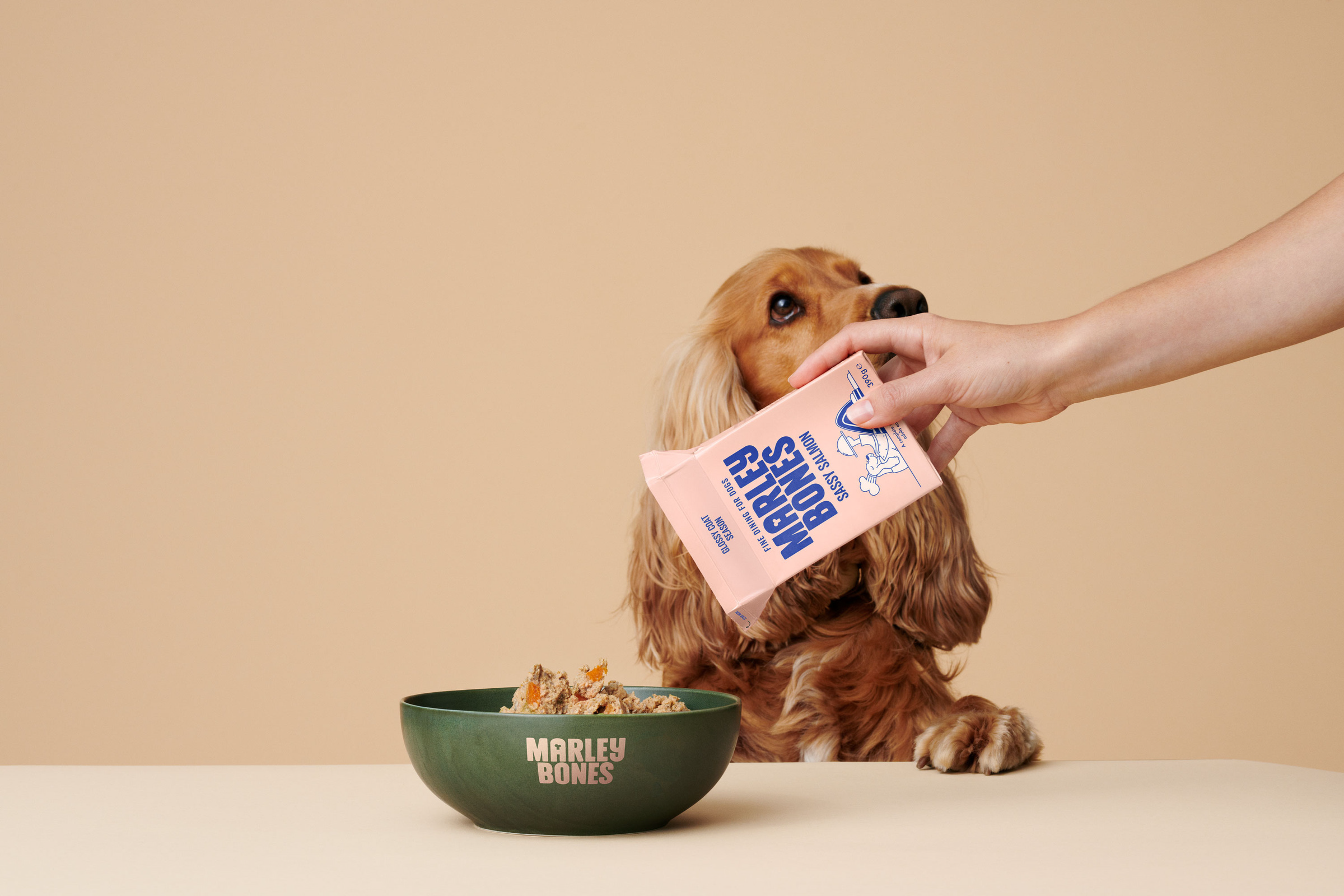
For anxious dogs in particular, avoiding unnecessary additives, artificial flavours, and synthetic preservatives reduces the risk of inflammatory responses that can worsen stress reactivity. Marleybones uses no artificial preservatives in any of its recipes, relying instead on a slow in-pack cooking process that makes the food shelf-stable without chemicals. Sassy Salmon is a strong option for anxious dogs specifically, given the high EPA and DHA content from fresh salmon alongside the prebiotic and superfood blend.
If your dog's anxiety is severe, persistent, or worsening, speak to a vet. Diet is a powerful supporting tool, but it works alongside — not instead of — professional assessment and any recommended treatment.
Does feeding routine matter as much as what's in the bowl?
Routine matters enormously for anxious dogs. Unpredictable feeding schedules are themselves a stressor. Dogs are creatures of habit, and knowing when food is coming provides a reliable anchor in their day. Studies on dogs in shelter environments show that consistent feeding times reduce cortisol levels measurably compared to irregular schedules.
Feeding the same food at the same times each day removes one variable from an anxious dog's world. Sudden food changes introduce digestive disruption — loose stools, stomach cramping, reduced appetite — and that physical discomfort amplifies anxiety further. When changing foods, a gradual 7-10 day transition reduces the risk of digestive upset and gives the gut microbiome time to adjust. Transitioning slowly to a new diet is especially important for dogs already prone to stress or sensitive digestion.
Every dog is different — build your personalised Marleybones feeding and health plan tailored to your dog's age, size, and health requirements.
Mealtime enrichment, such as using slow feeders or stuffed food toys, also reduces anxiety by giving the dog a task to focus on. This is particularly useful for dogs with separation anxiety, as it creates a positive association with being left alone.

“Such a relief to see her enjoying her food”
FAQs
Can diet alone fix a dog's anxiety?
No. Diet is a meaningful tool for supporting a calmer nervous system, but anxiety in dogs is usually multifactorial. Behavioural training, environmental management, and in some cases veterinary treatment or medication are all part of a complete approach. Diet works best as a foundation alongside these other interventions.
How quickly can dietary changes affect a dog's anxiety?
Gut microbiome changes begin within days of a diet change, but meaningful shifts in behaviour and stress response typically take 4-8 weeks to become apparent. Omega-3 supplementation studies in dogs show measurable reductions in anxiety markers after 6-8 weeks of consistent intake.
Are there any foods that make anxiety worse in dogs?
High-sugar diets, foods with artificial additives, and diets low in quality protein can all worsen anxiety by disrupting the gut microbiome and reducing neurotransmitter production. Caffeine and theobromine (found in chocolate) directly stimulate the nervous system and are toxic to dogs — avoid both entirely.
Is a fresh food diet better for anxious dogs than kibble?
Whole-food fresh diets generally provide higher bioavailability of key nutrients including tryptophan, omega-3 fatty acids, and B vitamins compared to heavily processed kibble. They also tend to include prebiotic ingredients that support the gut microbiome. However, the key factors are ingredient quality and completeness — a well-formulated diet of any type is better than a poor-quality one.
Should I give my dog calming supplements alongside dietary changes?
Some supplements, including L-theanine, chamomile extract, and certain probiotic strains, have evidence of benefit for anxiety in dogs. These work best when the baseline diet is already nutritionally sound. Speak to a vet before adding supplements, particularly if your dog is on any medication, as interactions are possible.
“A complete game changer!!”
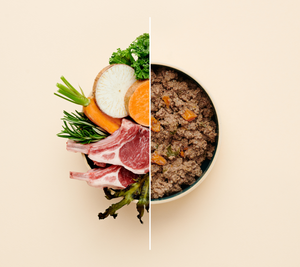 Give your dog the quality nutrition they deserve
Real meat, wholesome veggies and functional superfoods.
Get 40% OFF today