



Best dog food for a fussy Miniature Schnauzer

At a glance
- Miniature Schnauzers are one of the UK's most commonly reported fussy breeds — selective eating is part of their character, not always a health problem
- Fresh food with a high meat content and strong natural aroma is significantly more palatable than heavily processed kibble for this breed
- Schnauzers are prone to pancreatitis, so fat content in food matters — look for moderate, named fat sources rather than unspecified animal fats
- Feeding routine and portion discipline are as important as food quality for fussy Schnauzers
- Persistent refusal to eat, weight loss, or digestive changes warrant a vet check — not just a food swap
Why is my Miniature Schnauzer such a fussy eater?
Miniature Schnauzers are fussy eaters because they are intelligent, opinionated dogs with a highly developed sense of smell. They know the difference between food that smells like real meat and food that smells like processed cereal, and they are not shy about rejecting the latter. This is not stubbornness for its own sake — it is a breed that has learned to hold out for something better, especially if that strategy has worked before.
There is also a nutritional angle. A dog that is not getting enough from their food may eat less of it, not more. Poor palatability and low nutritional density often go together in heavily processed foods. When a Schnauzer turns their nose up repeatedly, the food itself is usually the first thing worth questioning.
That said, Miniature Schnauzers have several breed-specific needs that go beyond fussiness — including a genuine susceptibility to pancreatitis and hyperlipidaemia (high blood fat levels). These conditions make food choice particularly important for this breed, not just for palatability but for long-term health.
What type of food works best for a fussy Miniature Schnauzer?
Fresh, minimally processed food consistently outperforms dry kibble for fussy Miniature Schnauzers. The reasons are straightforward. Fresh food retains its natural aroma because it has not been blasted at high temperatures during manufacture. That aroma is what triggers appetite in dogs. Kibble, by contrast, is cooked at temperatures that destroy much of the natural smell — which is why so many brands add palatability sprays to make it appealing again.
Fresh food also tends to have a higher moisture content. Schnauzers, like many small breeds, are not naturally strong drinkers. A wet or fresh food contributes to their daily fluid intake in a way that dry food simply does not.
For breed-specific health reasons, look for food with a moderate fat content and clearly named protein sources. Avoid foods with vague listings like "animal fat" or "meat and animal derivatives" — these give you no control over what your dog is actually eating. Understanding what goes into your dog's bowl matters more for Schnauzers than most breeds, given their predisposition to fat-related conditions.
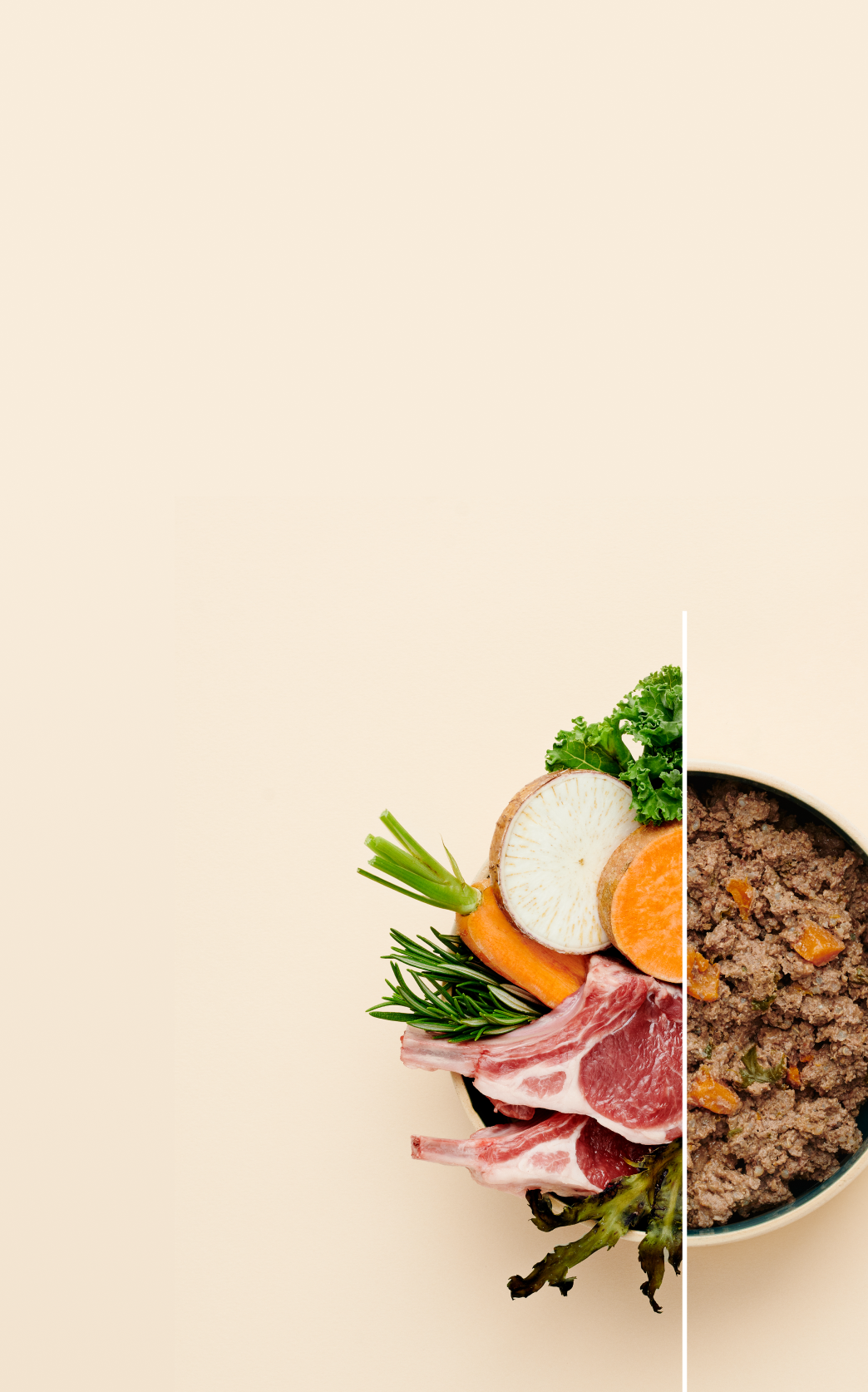
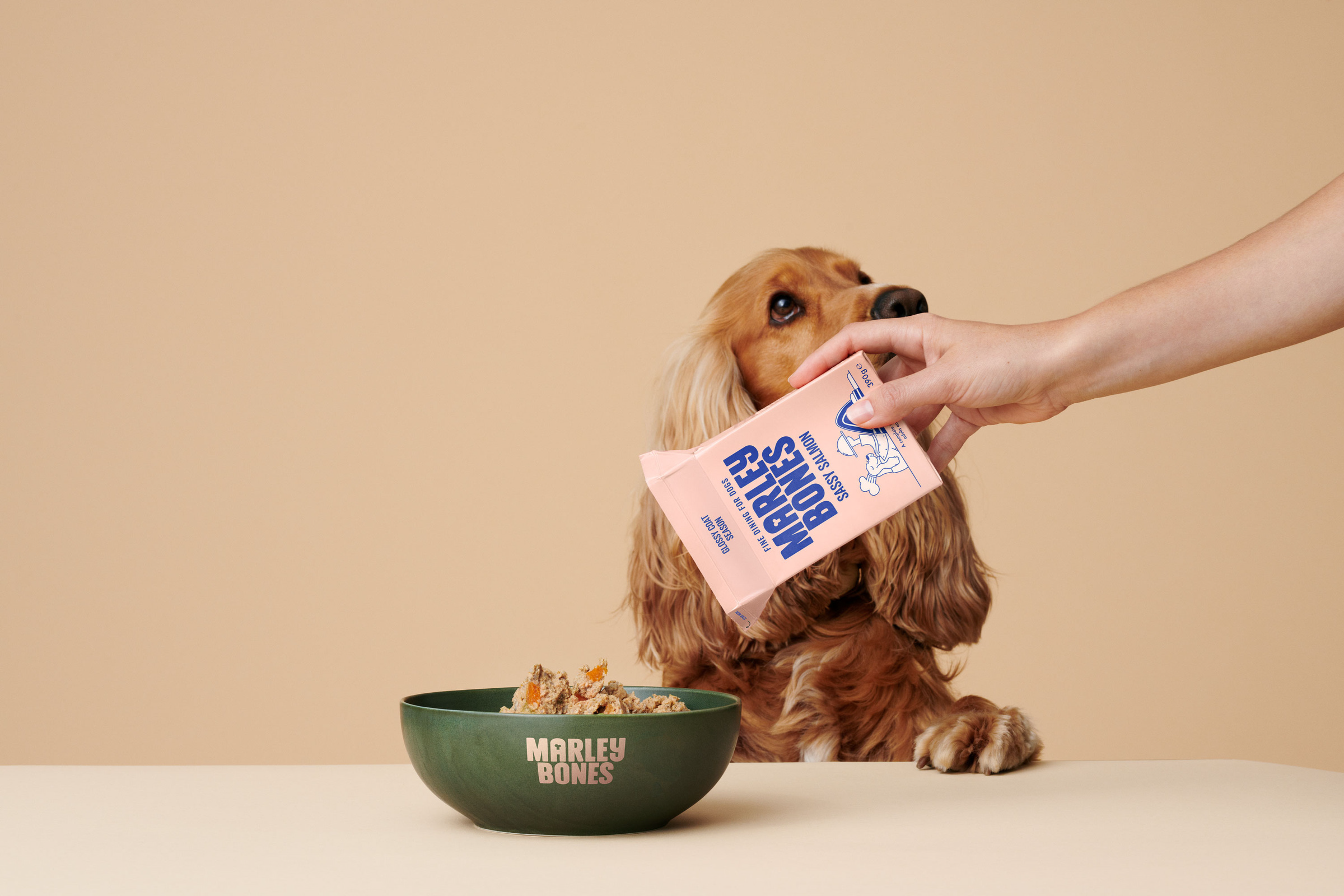
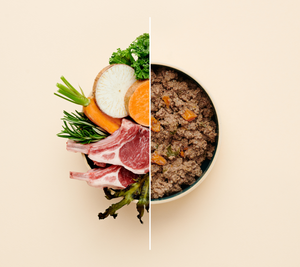
Marleybones Pantry Fresh meals are vet-developed and list every ingredient clearly — freshly prepared meat, vegetables, and superfoods like quinoa and chia seeds, slow-cooked in-pack without preservatives or fillers. Nine in ten fussy dogs take to them, which reflects how much aroma and ingredient quality matter for picky breeds.
Does feeding routine affect whether a Miniature Schnauzer will eat?
Yes — and for this breed, routine is as influential as food quality. Miniature Schnauzers are quick to learn that holding out produces results. If a refusal has ever been followed by something more interesting appearing in the bowl, they remember that. The behaviour becomes a strategy.
A few principles that genuinely help:
- Put the bowl down and give 15 minutes — then remove it, regardless of whether it has been eaten
- Feed at the same times each day, in the same spot
- Do not use treats or toppers to compensate for a skipped meal
- Avoid feeding from the table or offering human food alongside mealtimes
Transitioning to a new food also requires patience. A slow transition over 7 to 10 days, gradually increasing the proportion of new food, reduces the chance of rejection and gives the digestive system time to adjust. If your Schnauzer is moving from kibble to fresh food, a gradual switch is the most reliable way to make the change stick.
If your dog refuses food for more than 48 hours, loses weight, or shows any digestive symptoms alongside the fussiness, speak to your vet. Persistent refusal is sometimes the first sign of an underlying health issue rather than a preference.
What ingredients should a fussy Miniature Schnauzer's food include or avoid?
For a fussy Schnauzer, the ingredient list is the single most useful thing to read on any dog food. Here is what to look for and what to avoid:
| Look for | Avoid |
|---|---|
| Named meat as the first ingredient (chicken, beef, lamb, salmon) | "Meat and animal derivatives" — no breed transparency |
| Moderate, named fat sources | High-fat foods — risk factor for pancreatitis in Schnauzers |
| Digestive support — chicory root, linseeds, chia seeds | Artificial preservatives, colours, or flavourings |
| Complete and balanced formulation (FEDIAF compliant) | Grain-heavy fillers as primary ingredients |
| Whole vegetables and natural carbohydrate sources | Palatability sprays masking low-quality base ingredients |
Chicory root deserves a specific mention. It is a natural prebiotic — meaning it feeds the beneficial bacteria in the gut rather than acting as a probiotic itself. For a breed that can be prone to digestive sensitivity, chicory root supports the gut environment that keeps digestion stable. Marleybones includes it across their meal range alongside linseeds and chia seeds for the same reason.
Every dog is different — build your personalised Marleybones feeding and health plan tailored to your dog's age, size, and health requirements.

“Such a relief to see her enjoying her food”
FAQs
Is it normal for Miniature Schnauzers to be fussy eaters?
Yes. Miniature Schnauzers are consistently listed among the breeds most commonly reported as fussy by owners. Their intelligence and strong sense of smell make them highly discriminating about food. It is normal behaviour for the breed, though it should not be confused with genuine illness — if fussiness is new or accompanied by other symptoms, a vet check is worthwhile.
How do I get my Miniature Schnauzer to eat their food?
The most effective approach combines food quality with feeding discipline. Switch to a fresh or high-meat food with strong natural aroma. Then implement a strict routine: put the bowl down, give 15 minutes, and remove it without offering alternatives. Consistency is key — it usually takes a week or two for a Schnauzer to accept the new normal.
Can a Miniature Schnauzer eat fresh dog food?
Absolutely. Fresh food is one of the best options for fussy Schnauzers because it retains the natural smell that dry food loses during processing. It also provides higher moisture content, which supports hydration in a breed that does not tend to drink heavily. Choose a complete, FEDIAF-compliant fresh food with moderate fat levels to suit the breed's specific health profile.
Does Marleybones work for fussy Miniature Schnauzers?
Marleybones reports that nine in ten fussy dogs take to their Pantry Fresh meals. The format — freshly prepared ingredients slow-cooked in-pack, with no preservatives or fillers — preserves natural aroma and flavour better than conventional kibble. The meals are complete for all life stages and come in four protein options: Boss Beef, Chic Chicken, Lush Lamb, and Sassy Salmon. Starting with a protein your Schnauzer has shown interest in before is usually the best approach.
Are there any foods Miniature Schnauzers should avoid?
Yes. Because of their breed-specific risk of pancreatitis, Miniature Schnauzers should avoid high-fat foods — including fatty table scraps, foods with unspecified animal fats, and very rich protein sources. Foods with artificial preservatives, vague meat derivatives, and heavy grain fillers are best avoided for any dog, but the fat content concern is particularly relevant for this breed.
“A complete game changer!!”


 Give your dog the quality nutrition they deserve
Real meat, wholesome veggies and functional superfoods.
Get 30% off: Take the quiz