


Best dog food for a senior Miniature Schnauzer

At a glance
- Miniature Schnauzers are considered senior from around 8 years old
- The breed has a genetic predisposition to hyperlipidaemia — abnormally high blood fat — making low-fat food a priority in later life
- High-quality protein must be maintained or increased in old age to protect muscle mass
- Digestive support through prebiotic fibre helps older dogs absorb nutrients more efficiently
- Bladder stones are common in the breed — hydration and avoiding excessive mineral loading matter
What is the best dog food for a senior Miniature Schnauzer?
The best dog food for a senior Miniature Schnauzer is one that delivers high-quality protein from named meat sources, keeps fat content genuinely low, and includes prebiotic fibre for digestive health. That combination directly addresses the three biggest nutritional challenges this breed faces as it ages: muscle loss, elevated blood fats, and a digestive system that becomes less efficient over time.
Miniature Schnauzers are considered senior from around 8 years old, though many owners notice dietary sensitivities developing earlier. At that point, the food that worked well in middle age starts to fall short. A diet built on fresh, whole ingredients with transparent fat and protein levels gives you far more control over what your dog is actually eating — and that control matters more for this breed than most. Miniature Schnauzers have specific nutritional needs at every life stage, but the shift to senior feeding is where getting it right becomes urgent.
Fresh food also brings higher moisture content than dry kibble. For a breed prone to bladder stones, that extra hydration helps keep the urinary tract flushed and reduces the concentration of minerals that can crystallise over time.
Why do senior Miniature Schnauzers need lower fat food?
Miniature Schnauzers have a hereditary tendency to develop hyperlipidaemia — a condition where blood triglycerides and cholesterol rise above normal levels. In older dogs, this becomes more pronounced. Left unmanaged through diet, elevated blood fats significantly increase the risk of pancreatitis, a painful and potentially serious inflammation of the pancreas.
This is not a minor consideration. Pancreatitis is one of the most common reasons Miniature Schnauzers end up at the vet, and high-fat food is a primary trigger. The target for a senior Schnauzer is fat content below 10% on a dry matter basis. Many standard adult dog foods sit well above that. Senior-specific formulas are not automatically low enough either — always check the actual percentage rather than relying on the label description.
If your dog has already had a pancreatitis episode, speak to your vet before making any dietary changes. Persistent or recurring digestive symptoms need veterinary assessment before you adjust the food.
Beyond pancreatitis risk, lower fat food also helps manage weight. Older dogs move less and burn fewer calories. Keeping fat controlled prevents the gradual weight gain that puts extra pressure on ageing joints.
How much protein does a senior Miniature Schnauzer actually need?
Senior dogs need more protein than younger adults, not less. Muscle mass declines naturally with age — a process called sarcopenia — and adequate protein is what slows it down. For senior dogs, most veterinary nutritionists recommend protein at 25–30% of daily calories as a minimum. The quality of that protein is just as important as the quantity.
Protein from whole meat sources like chicken, beef, or salmon is easier for older dogs to use than protein from plant-based fillers or heavily rendered meat meals. How a dog's nutritional requirements shift across life stages is something most owners underestimate — the senior phase is where protein quality becomes the single biggest differentiator between foods.
Marleybones Pantry Fresh meals are built around named whole meat as the primary ingredient, with vet-developed recipes that meet FEDIAF nutritional standards for all life stages. The freshly prepared, slow-cooked format retains more of the amino acid profile from the original meat than high-heat extrusion processes used in kibble production.
What other nutritional priorities matter for an ageing Schnauzer?
Digestive efficiency declines with age. The gut produces fewer digestive enzymes, and the balance of gut bacteria shifts. Prebiotic fibre — the kind found in chicory root, linseeds, and chia seeds — feeds beneficial gut bacteria and helps maintain a stable digestive environment. This directly affects how well nutrients are absorbed from every meal.
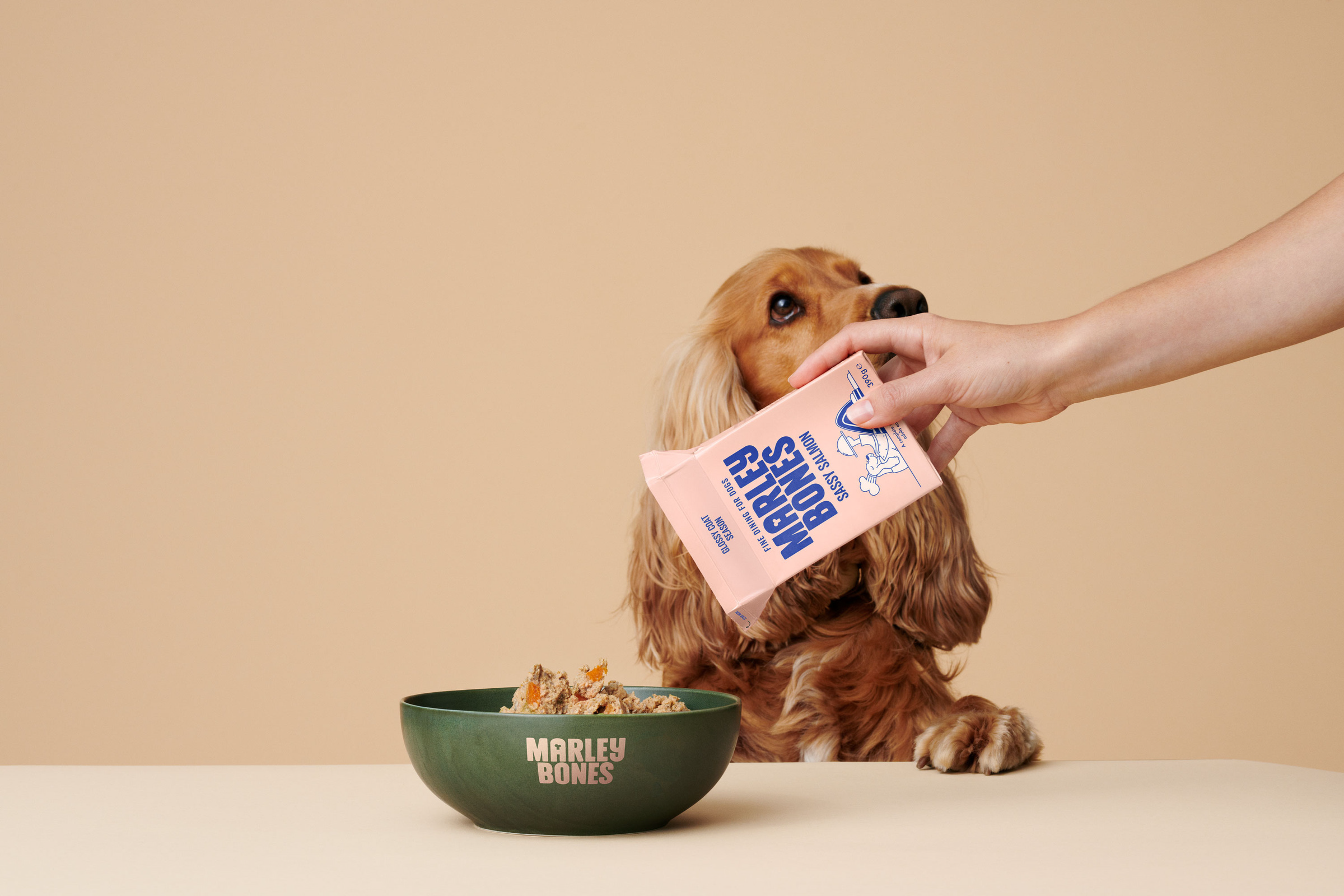
Joint support becomes relevant from around 8 years old. Omega-3 fatty acids, particularly EPA and DHA from fish sources, reduce joint inflammation and support cartilage health. Salmon is one of the most effective natural sources. Sassy Salmon includes salmon as the named primary protein alongside prebiotic superfoods including chia seeds and chicory root, making it a practical choice for senior Schnauzers where joint and digestive support are both priorities.
Dental disease is also extremely common in the breed. While food alone cannot substitute for brushing, wet and fresh food formats produce less plaque-forming starch residue than dry kibble. Every dog is different — build your personalised Marleybones feeding and health plan tailored to your dog's age, size, and health requirements.
Here is a summary of the key nutritional targets for a senior Miniature Schnauzer:
| Nutritional priority | Target or guideline | Why it matters for this breed |
|---|---|---|
| Fat content | Below 10% dry matter | Reduces pancreatitis and hyperlipidaemia risk |
| Protein content | 25–30% of daily calories, whole meat sources | Preserves muscle mass as sarcopenia progresses |
| Omega-3 fatty acids | Present from fish or oil sources | Supports joints and reduces inflammation |
| Prebiotic fibre | Chicory root, linseeds, or similar | Maintains gut bacteria balance and nutrient absorption |
| Moisture content | Higher than dry kibble | Supports urinary health and reduces stone risk |
How much to feed changes in old age too. Portion sizes for senior dogs depend on body condition, activity level, and health status — not simply a fixed reduction from adult quantities.

“Such a relief to see her enjoying her food”
FAQs
When is a Miniature Schnauzer considered senior?
Miniature Schnauzers are generally considered senior from around 8 years old. Small breeds age more slowly than large breeds, but by 8 most Schnauzers benefit from a dietary review to account for changes in metabolism, muscle maintenance, and digestive efficiency.
Can I feed my senior Miniature Schnauzer the same food as when they were younger?
Not ideally. Adult maintenance food is typically higher in fat and lower in protein quality than a senior dog needs. For a breed with a strong predisposition to pancreatitis, continuing with a higher-fat adult formula into old age carries real health risk. A senior-specific or low-fat fresh food diet is a more appropriate choice from around age 8.
Is fresh food better than kibble for senior Schnauzers?
Fresh food made from whole, named meat ingredients delivers more bioavailable protein and higher moisture content than most dry kibble. Both of those factors are directly relevant to senior Schnauzer health. Marleybones Pantry Fresh meals are freshly prepared and slow-cooked without preservatives, which preserves more of the nutritional integrity of the ingredients than high-heat kibble extrusion.
How do I know if my senior Schnauzer's food is too high in fat?
Check the guaranteed analysis on the packaging and look for fat content as a percentage. Convert to dry matter basis if the food contains significant moisture. For senior Schnauzers, target below 10% fat on a dry matter basis. If your dog has had pancreatitis previously, aim lower and confirm the target with your vet.
Should I add supplements to my senior Schnauzer's diet?
If the base diet is genuinely complete and balanced, supplements are not always necessary. However, omega-3 fatty acids for joint and coat health and a prebiotic gut supplement can provide meaningful additional support as a Schnauzer ages. Supplements should complement a good diet, not compensate for a poor one.
“A complete game changer!!”


 Give your dog the quality nutrition they deserve
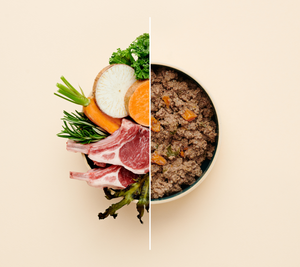
Real meat, wholesome veggies and functional superfoods.
Get 30% off: Take the quiz