


Dog scooting: Why Dogs Drag Their Bum On The Ground & What To Do

At a glance
- Scooting is when a dog drags or rubs its bum along the floor, and full or blocked anal glands are the most common cause
- Anal gland problems affected 4.4% of UK dogs seen by vets in a year, in a Royal Veterinary College study of 104,212 dogs
- Cavalier King Charles Spaniels, King Charles Spaniels, Cockapoos, Shih Tzus, Bichon Frises and Cocker Spaniels are the breeds most at risk
- Worms, itchy skin (i.e. allergies), something stuck in the fur, an abscess or a lump also cause scooting
- Firm large stools and a healthy weight help the anal glands empty on their own; never squeeze them at home unless your vet has shown you how
Why do dogs scoot?
Dogs drag their bum along the ground because something back there is itchy or sore, and full or blocked anal glands are the most common reason. It looks funny, but scooting is your dog's way of scratching an itch they can't reach. A quick look under the tail tells you whether something simple is to blame, such as a bit of stuck poo. If it isn't obvious, or the scooting keeps happening, book an appointment with your vet.
The other common causes are worms, itchy skin from allergies, and, less often, an anal gland abscess, a lump or a skin condition around the bottom. Scooting is a symptom, so the cause behind it is what needs sorting.
What are anal glands, and why do they block?
Anal glands are two small sacs on either side of your dog's bottom. They make a strong-smelling liquid that marks each poo with your dog's scent. Normally, the sacs empty a little each time your dog poos, helped by a firm large poo pressing on them as it passes.
The glands block when they don't empty properly. The PDSA lists the main reasons as soft stools or diarrhoea, being overweight, narrow gland openings, and allergic skin disease. Soft poo doesn't press hard enough on the sacs, which is why a bout of an upset stomach is sometimes followed by scooting. Overweight dogs can have weaker muscles around the bottom, which makes emptying harder too.
Besides scooting, the signs of full or blocked anal glands are licking or nibbling at the bottom, a strong fishy smell, straining or pain when pooing, and suddenly sitting down or turning to look at their back end.
Which dogs are most likely to scoot?
Spaniel types and flat-faced breeds get the most anal gland trouble. A Royal Veterinary College study of 104,212 dogs at UK vets (2013 records) found anal gland problems in around 1 in 23 dogs over a year. Cavalier King Charles Spaniels, King Charles Spaniels, Cockapoos, Shih Tzus, Bichon Frises and Cocker Spaniels were the most likely to be affected, and flat-faced breeds were more prone too.
Labradors, Border Collies and Staffies were among the least likely. However any dog can still get blocked glands, so scooting is worth checking whatever the breed.
What else makes a dog scoot?
Worms, itchy skin (i.e. allergies) and anything stuck in the fur are the most common causes after anal glands. Tapeworm segments look like grains of rice in the poo or around the bottom, and they make the area itchy. Dogs pick up tapeworm by swallowing fleas, so regular flea treatment matters as much as worming. Allergies, whether to food or to something in the environment, usually show up as itchy skin on the paws, ears, face and tummy, and allergic skin disease is one of the reasons anal glands become irritated.
| Cause | Clues to look for | What to do |
|---|---|---|
| Full or blocked anal glands | Licking the bottom, a strong fishy smell, straining to poo | Book a vet or vet nurse visit to have the glands checked and emptied |
| Worms | Rice-like bits in the poo or around the bottom | Worm your dog and keep flea treatment up to date |
| Itchy skin or allergies | Licking paws, scratching ears, red skin | Talk to your vet about what's behind the itch |
| Something stuck in the fur | Dried poo or mud you can see under the tail | Bathe the area gently with warm water |
| An anal gland abscess | A painful swelling beside the bottom | See your vet promptly |
Dried poo, mud or a twig caught in long fur is the easiest cause to fix. Some dogs also scoot for a day or two after a groom, because clipping close to the bottom irritates the skin. Less common causes include an anal gland abscess (a painful swelling beside the bottom), sore skin conditions around the bottom, and lumps.
Is dog scooting serious?
A single scoot after a poo is nothing to worry about, but scooting that carries on needs a vet. Unless the cause is obvious and easy to fix at home, book an appointment. Go sooner if your dog seems in pain, won't sit down, is straining to poo, or you can see swelling, redness, blood or discharge near the bottom.
It's worth getting checked early, because blocked glands left alone can turn into an abscess. The good news is that a quick visit usually sorts it: your vet will check and empty the glands. Dogs whose glands block again and again sometimes need regular checks. Anything persistent, painful or getting worse belongs with your vet.
Home remedies for dog scooting: what's safe to try?
The safest home remedies for dog scooting are a check under the tail, a gentle wash and firmer stools. Look under the tail for stuck poo, mud or anything else that shouldn't be there. If something is caught, bathe the area gently with warm water rather than pulling it. Additionally keeping the fur around the bottom short and clean helps long-haired breeds.
Fibre is the main dietary fix, because firmer larger stools press on the glands and help them empty naturally. A high-fibre diet or a fibre supplement can help, with your vet's guidance. Plain pumpkin and psyllium are common fibre sources that help firm up loose stools. There's no set amount, because every dog needs a different amount depending on their weight, general diet and activity. Add it in slowly and keep an eye on your dog's poo until their stools are large, firm and regular, but not so dry that your dog is straining. Keeping your dog at a healthy weight and up to date with worming makes a difference too.
Skip vinegar or other home remedies on the bottom itself unless your vet suggests them. They won't empty full glands, and they can sting skin that's already sore. Never squeeze your dog's anal glands yourself unless your vet has shown you how. Squeezing them the wrong way can make them burst. The PDSA also advises against routine emptying by groomers when there's no problem, because doing it wrongly, too often or unnecessarily can cause harm.
Can diet help stop scooting?
A consistent diet that keeps stools firm helps the anal glands empty on their own. Frequent changes of food, rich treats and scavenging all lead to soft stools, so stick to one food your dog digests well and change it gradually when you need to. Portion size matters too, because an overweight dog can be more prone to gland problems.
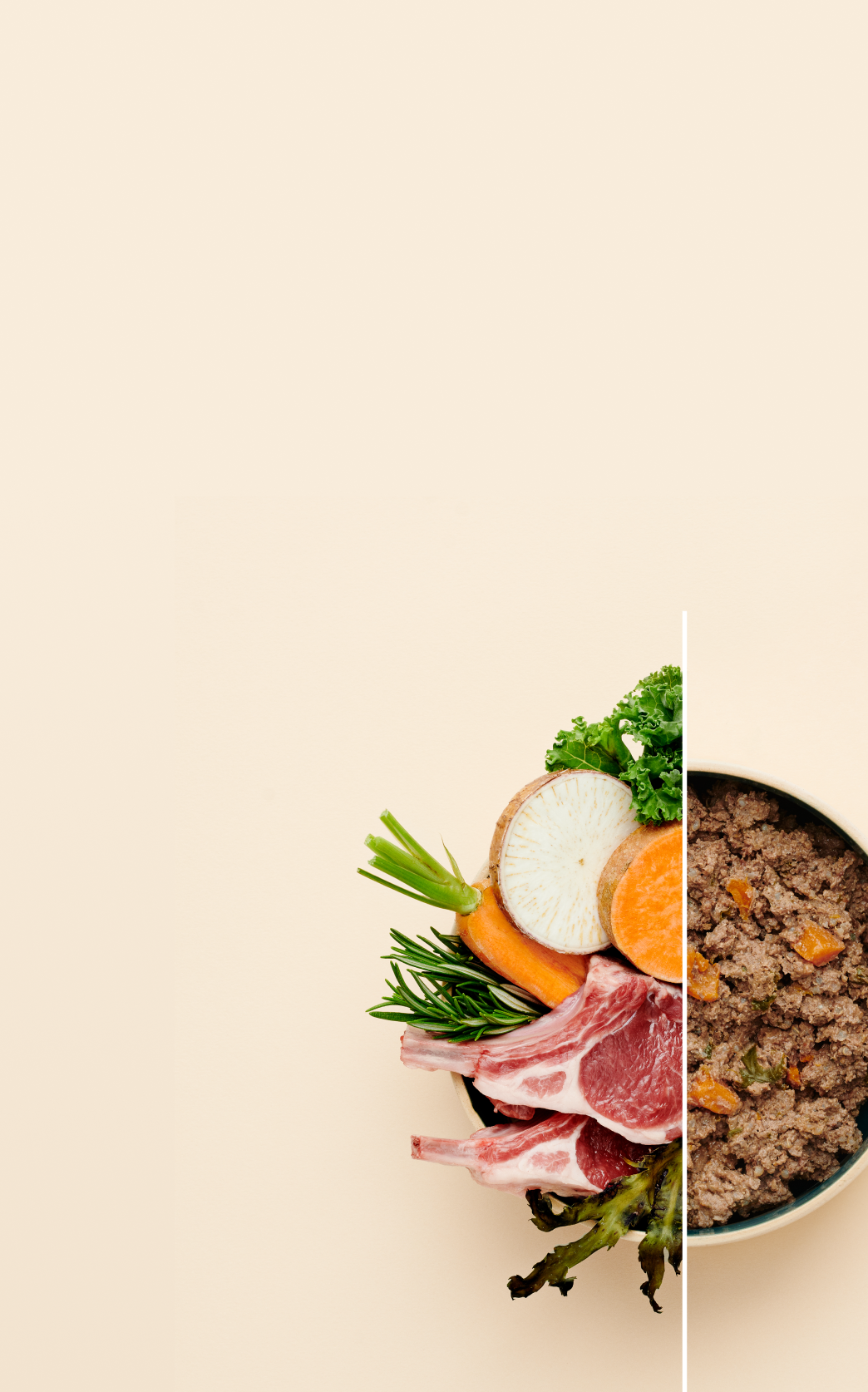
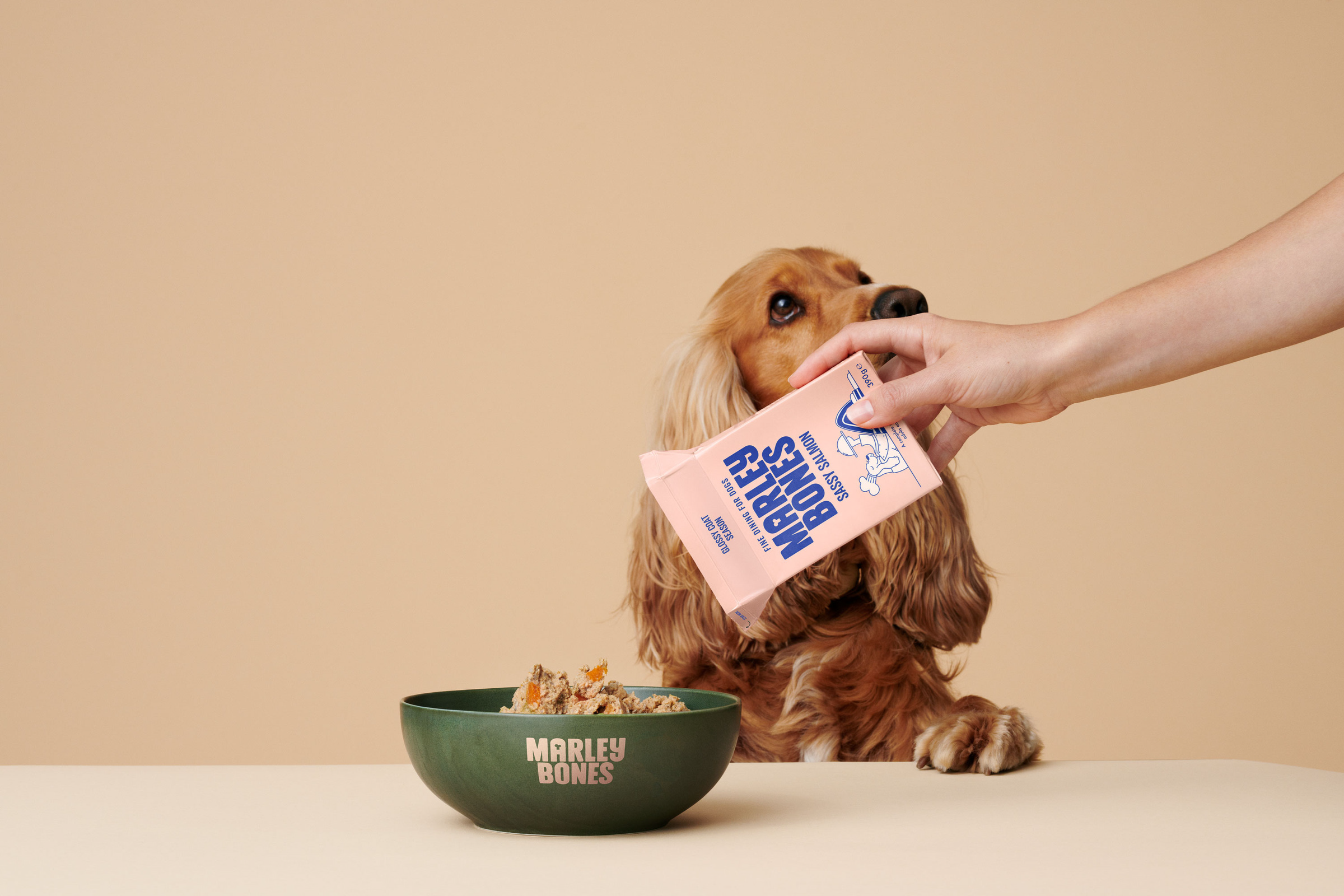
Gently cooked fresh food, like Marleybones Pantry Fresh®, keeps things consistent: plans are portioned to your dog's weight, and every recipe includes chicory root, a natural prebiotic that supports digestion. In our January 2026 survey of 1,056 subscribers, 71% reported better digestion and stools after switching. For dogs that need more fibre, the Gut Health Supplement adds psyllium and pumpkin to support stool consistency.
Every dog is different — build your personalised Marleybones feeding and health plan tailored to your dog's age, size, and health requirements.

“Such a relief to see her enjoying her food”
FAQs
Why is my dog rubbing their bum on the floor?
A dog rubbing or dragging their bum on the floor is usually scratching an itch, most often from full anal glands. Check under the tail for anything stuck, and book a vet visit if it carries on for more than a day or two.
My dog has been wormed but is still scooting. Why?
Full or blocked anal glands are the most likely reason a wormed dog keeps scooting. Worming only treats worms, so if the scooting carries on for more than a few days afterwards, book a vet appointment to have the glands checked. Itchy skin from allergies is another common cause, and so is reinfection: dogs pick up tapeworm from fleas, so keep flea treatment up to date too.
Why is my dog still scooting after their glands were expressed?
A little scooting for a day or two after the glands are emptied is normal, because the area is sore. If it carries on for longer than that, go back to your vet. Some dogs need more than one emptying before the glands are fully clear, and infection or itchy skin can also keep the scooting going.
Why does my dog scoot after a poo?
Scooting straight after a poo usually means something is stuck in the fur or the anal glands haven't emptied fully. Check under the tail and clean the area gently. If it happens after most poos, ask your vet to check the glands and look at your dog's stool consistency.
Should I express my dog's anal glands at home?
No, not unless your vet has shown you how. Squeezing the glands the wrong way can make them burst. Healthy glands empty on their own when your dog poos, so they don't need routine emptying.
Can food allergies make a dog scoot?
Yes. Allergic skin disease is one of the reasons anal glands block, and food is one of the things dogs are allergic to. If your dog also scratches their ears, licks their paws or has a sensitive stomach, talk to your vet about a food trial: a special diet and nothing else, not even treats, for 4-6 weeks.
“A complete game changer!!”
Sources
- PDSA: Scooting in dogs
- PDSA: Blocked anal glands in dogs
- O'Neill DG et al. (2021) Non-neoplastic anal sac disorders in UK dogs: epidemiology and management aspects of a research-neglected syndrome. Veterinary Record
Last updated: 21 October 2026 · Reviewed by Molly Buckmaster BVM BVS MRCVS


 Give your dog the quality nutrition they deserve
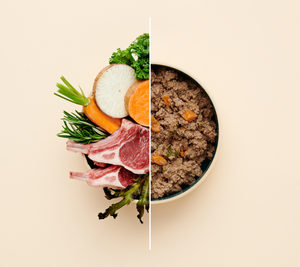
Real meat, wholesome veggies and functional superfoods.
Get 40% OFF today