


Dog Gut Health: The Complete Guide for Owners

At a glance
- Your dog's gut microbiome — the trillions of bacteria in their digestive system — directly affects digestion, immunity, and mental wellbeing
- Poor gut health shows up as loose stools, excessive wind, bloating, itchy skin, and low energy
- Diet is the single biggest lever you have for improving gut health
- Fibre, particularly prebiotic fibre, feeds the good bacteria in the gut and supports a healthy microbiome
- Probiotics, stress management, and avoiding unnecessary antibiotics also play a meaningful role
Why does gut health matter so much for dogs?
A healthy gut is the foundation of your dog's overall health. It is not just about digestion — the gut is where around 70% of the immune system lives. When it is working well, your dog absorbs nutrients efficiently, fights off infection more effectively, and maintains stable energy and mood. When it is not, the effects ripple outward.
The gut microbiome is the vast community of bacteria, fungi, and other microorganisms that live in your dog's digestive tract. A diverse, balanced microbiome is a healthy one. When that balance tips — too many harmful bacteria, not enough beneficial ones — it is called dysbiosis. Dysbiosis is linked to everything from chronic diarrhoea and skin problems to anxiety and a weakened immune response.
Research into the gut-brain axis, the two-way communication channel between the gut and the brain, shows that gut health also influences behaviour and mood. Dogs with poor gut health are more likely to show signs of anxiety and stress. That connection is real, and it runs in both directions across every aspect of a dog's digestive wellbeing.
What are the signs of poor gut health in dogs?
Gut health problems do not always announce themselves loudly. Some of the most common signs are easy to dismiss or attribute to something else. Watch for:
- Loose stools or diarrhoea that recurs regularly
- Excessive flatulence or bloating
- Gurgling stomach sounds
- Vomiting that happens more than occasionally
- Itchy or inflamed skin, particularly without an obvious external cause
- Dull coat or flaky skin
- Low energy or lethargy
- Eating grass frequently (a sign of digestive discomfort)
If your dog is showing several of these signs, or if symptoms are persistent, severe, or worsening, speak to your vet before making dietary changes. Some of these symptoms can indicate an underlying condition that needs proper diagnosis.
What does diet have to do with gut health?
Diet is the most powerful tool you have. What your dog eats directly shapes the composition of their gut microbiome — for better or worse.
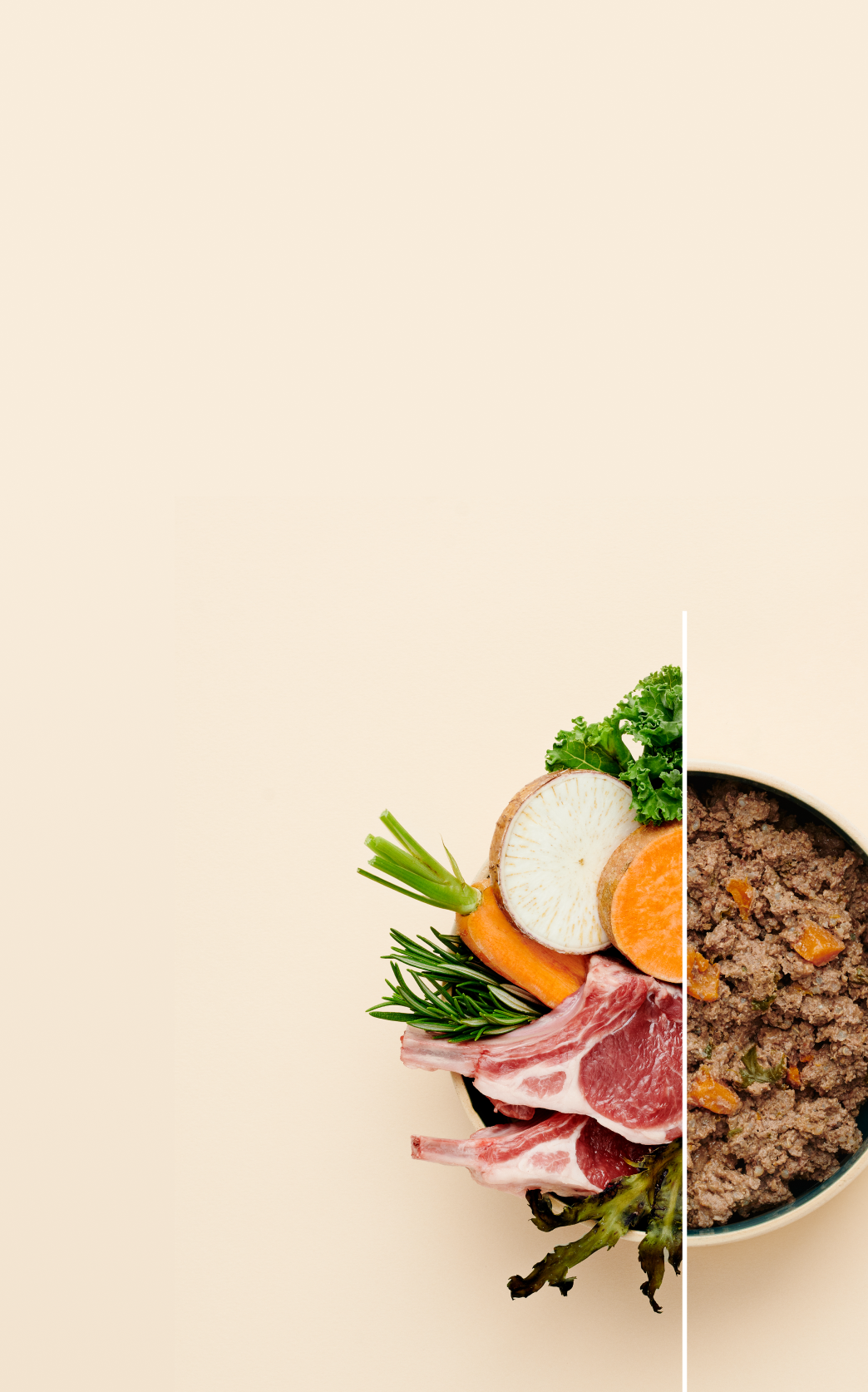
Highly processed foods, particularly ultra-processed dry kibble, tend to be low in natural moisture and high in starches and artificial additives. These characteristics do not support a diverse microbiome. The way a dog's gut handles fresh food compared to heavily processed dry food is meaningfully different — fresh food is closer in composition to what a dog's digestive system evolved to process.
The key nutrients for gut health are:
- Prebiotic fibre — feeds beneficial gut bacteria. Sources include chicory root, linseeds, and vegetables. Fibre's role in canine digestion goes well beyond simply keeping stools firm.
- Quality protein — easier for the gut to break down when it comes from whole, recognisable ingredients rather than processed meals or derivatives
- Natural moisture — supports the mucosal lining of the gut and keeps digestion moving smoothly
- Omega-3 fatty acids — reduce gut inflammation and support the integrity of the intestinal lining
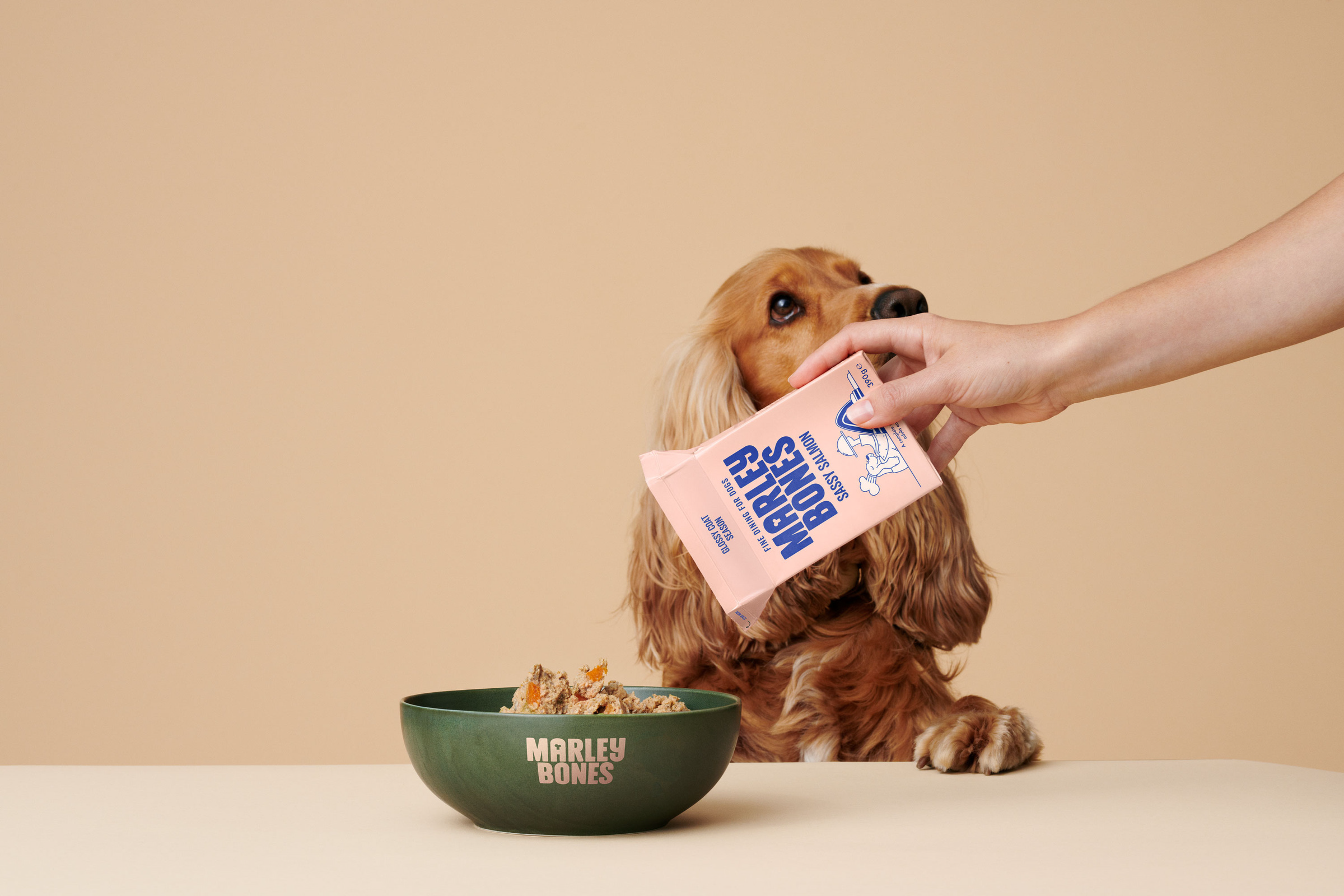
Marleybones Pantry Fresh meals are built around these principles. Every recipe is vet-developed and includes chicory root as a natural prebiotic, alongside whole protein sources and no artificial preservatives. The Lush Lamb recipe, for example, uses a single novel protein source, making it a practical option for dogs with sensitive stomachs or suspected food intolerances.
If you are switching your dog to a new food, take it slowly. A gradual transition over 7 to 10 days gives the gut microbiome time to adjust and reduces the risk of digestive upset. Moving a dog onto fresh food follows the same principle — gradual always wins.
Do dogs need probiotic or prebiotic supplements?
For dogs on a well-balanced diet with plenty of prebiotic fibre, a supplement is not always necessary. But for dogs recovering from illness, a course of antibiotics, or chronic digestive issues, targeted support can make a real difference.
Probiotics introduce beneficial live bacteria directly into the gut. Prebiotics feed the bacteria already there. The most effective approach combines both — this is called a synbiotic approach.
If you want to support your dog's gut beyond diet alone, Marleybones makes a dedicated dog gut health supplement containing both prebiotics and probiotics, formulated specifically for the canine digestive system.
Beyond food and supplements, a few other factors shape gut health meaningfully. Chronic stress disrupts the microbiome — dogs that are anxious or under-stimulated often have poorer gut health as a result. Regular exercise improves gut motility, meaning food moves through the digestive system at the right pace. And unnecessary antibiotic use wipes out beneficial bacteria alongside harmful ones, so it is worth having a conversation with your vet if antibiotics are prescribed and asking whether probiotic support during and after the course is advisable.
Every dog is different — build your personalised Marleybones feeding and health plan tailored to your dog's age, size, and health requirements.

“Such a relief to see her enjoying her food”
FAQs
How long does it take to improve a dog's gut health?
With consistent dietary changes, most dogs show noticeable improvement within two to four weeks. A full microbiome shift takes closer to eight to twelve weeks. Stick with changes long enough to see the full effect before reassessing.
Can stress cause gut problems in dogs?
Yes. The gut-brain axis means stress and anxiety have a direct impact on digestive function. Dogs experiencing chronic stress are more prone to loose stools, gurgling, and irregular digestion. Addressing the root cause of anxiety is just as important as dietary changes.
Is plain chicken and rice good for a dog's gut?
It is useful as a short-term bland diet during a digestive upset, but it is not nutritionally complete and lacks the fibre and micronutrients needed for long-term gut health. Use it to settle symptoms, then transition back to a balanced, complete diet.
What foods are bad for a dog's gut?
Ultra-processed foods high in artificial additives, low-quality rendered proteins, and excessive starch can disrupt the gut microbiome over time. Foods containing artificial preservatives, colours, and flavour enhancers offer nothing to gut health and may actively harm it with repeated exposure.
Should I give my dog probiotics every day?
For dogs with ongoing digestive issues or those prone to gut upsets, daily probiotic support can be beneficial long-term. For healthy dogs on a varied, fibre-rich diet, daily supplementation is less critical — but it will not cause harm. Consistency matters more than timing.
“A complete game changer!!”
 Give your dog the quality nutrition they deserve
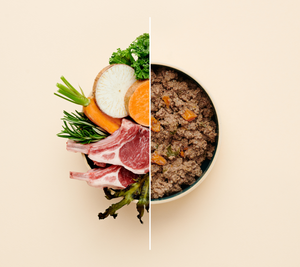
Real meat, wholesome veggies and functional superfoods.
Get 40% OFF today