


What Are the Best Protein Sources for Dogs?

At a glance
- Animal proteins — chicken, beef, salmon, lamb — are the most complete and digestible sources for dogs
- Dogs need ten essential amino acids they cannot produce themselves; these must come from food
- How protein is processed affects how much of it a dog can actually absorb and use
- A single named meat source as the first ingredient on a food label is a reliable quality signal
- Plant proteins can contribute but do not replace animal protein as a primary source
Why does protein matter so much for dogs?
Protein does more than build muscle. It repairs tissue, supports the immune system, produces hormones and enzymes, and keeps skin and coat in good condition. Without enough of the right kind, dogs lose muscle mass, recover poorly from illness or injury, and show it in their coat and energy levels.
The key is amino acids — the building blocks that make up every protein. Dogs need 22 amino acids in total. Their bodies can produce 12 of them. The remaining ten must come from food. These are called essential amino acids, and a protein source that supplies all ten in usable quantities is called a complete protein.
Most animal proteins are complete. Most plant proteins are not, which is why meat sits at the centre of a dog's diet rather than acting as an optional addition. Understanding how ingredients work together is one of the most useful things an owner can do when comparing foods.
Which protein sources are best for dogs?
Not all proteins are equal. The measure that matters most is biological value — a score that reflects how efficiently the body absorbs and uses the amino acids in a given food. Animal proteins score highest.
Chicken is the most widely used protein in dog food, and for good reason. It's highly digestible, rich in lean protein, and well tolerated by most dogs. It provides excellent levels of leucine, which is the amino acid most directly linked to muscle growth and repair.
Beef is nutritionally dense, with high levels of iron, zinc, and B vitamins alongside its protein content. It suits active dogs well and is another complete source of essential amino acids. Marleybones' Boss Beef uses beef as the lead ingredient, with no fillers diluting the protein content.
Salmon and oily fish stand out because they deliver protein alongside omega-3 fatty acids. Omega-3s reduce inflammation, support joint health, and visibly improve coat condition. For dogs with dry or itchy skin, fish-based protein is worth considering specifically for this reason.
Lamb is classed as a novel protein — meaning most dogs haven't been exposed to it regularly. That makes it a useful option for dogs with suspected food intolerances, because their immune system is less likely to react to something it hasn't encountered before. It's also a complete protein with good digestibility.
Eggs have one of the highest biological values of any food source. They are used as a reference standard against which other proteins are measured. As an addition to a meal rather than a primary source, they add real nutritional value.
Plant proteins — peas, lentils, soya, potato — are used in many commercial dog foods, often to boost the protein percentage on the label without adding more meat. They are not complete proteins on their own and are less digestible than animal sources. They have a place in a balanced diet but should supplement animal protein, not replace it.
Does processing affect protein quality?
Yes, significantly. This is where the gap between food formats becomes important. Protein that has been cooked at very high temperatures — as happens during kibble extrusion — can lose digestibility. Some amino acids, particularly lysine, degrade under intense heat. That means a dog food with a high protein percentage on the label can still deliver less usable protein than a food with a lower percentage that was processed more gently.
Fresh or gently cooked food retains more of the protein's original structure, which means more of it gets absorbed. Marleybones meals are slow-cooked in-pack at lower temperatures, which preserves nutritional integrity without needing preservatives or freezing. Understanding the difference between fresh meat and meat meal in a food is one of the fastest ways to judge protein quality before you even look at the percentage.
Reading the label helps here. Ingredients are listed by weight, so a named meat listed first — chicken, beef, salmon — signals that it's the primary component. Vague terms like "meat and animal derivatives" tell you very little about what's actually in the food. Knowing how to decode what brands put on packaging makes a real difference to the choices you make.
How much protein does a dog actually need?
Adult dogs need a minimum of 18% protein in their diet on a dry matter basis — that's the figure after moisture is removed for fair comparison. Puppies need at least 22.5% because they're building tissue rapidly. Active and working dogs sit at the higher end; senior dogs still need adequate protein to maintain muscle mass, though their overall calorie needs may be lower.
The source of that protein matters as much as the quantity. Hitting the percentage target with low-quality plant protein and fillers produces a very different result to hitting it with named, fresh animal meat. What "high meat content" actually means on a label is not always straightforward, which is why checking ingredients rather than headline claims is worth the effort. If a dog is losing muscle, has a dull coat, or seems lethargic despite eating regularly, protein quality is one of the first things worth reviewing. Persistent symptoms are worth discussing with a vet rather than adjusting food alone.
Every dog is different — build your personalised Marleybones feeding and health plan tailored to your dog's age, size, and health requirements.

“Such a relief to see her enjoying her food”
FAQs
What is the most digestible protein source for dogs?
Eggs have the highest biological value of any single food, meaning they are digested and absorbed most efficiently. Among meat sources, chicken and fish score consistently high for digestibility. Fresh or gently cooked versions of these proteins are more digestible than heavily processed alternatives.
Is chicken or beef better for dogs?
Both are excellent complete protein sources. Chicken is leaner and suits most dogs well. Beef is more nutrient-dense, with higher levels of iron and zinc. The better choice depends on your dog's individual needs, activity level, and whether they have any known intolerances.
Can dogs get enough protein from plant sources?
Not reliably. Plant proteins lack one or more essential amino acids that dogs need, and they are less digestible than animal proteins. Plant sources can contribute to overall protein intake as part of a mixed diet, but they cannot serve as the sole or primary protein source without risking nutritional gaps.
Is salmon a good protein source for dogs?
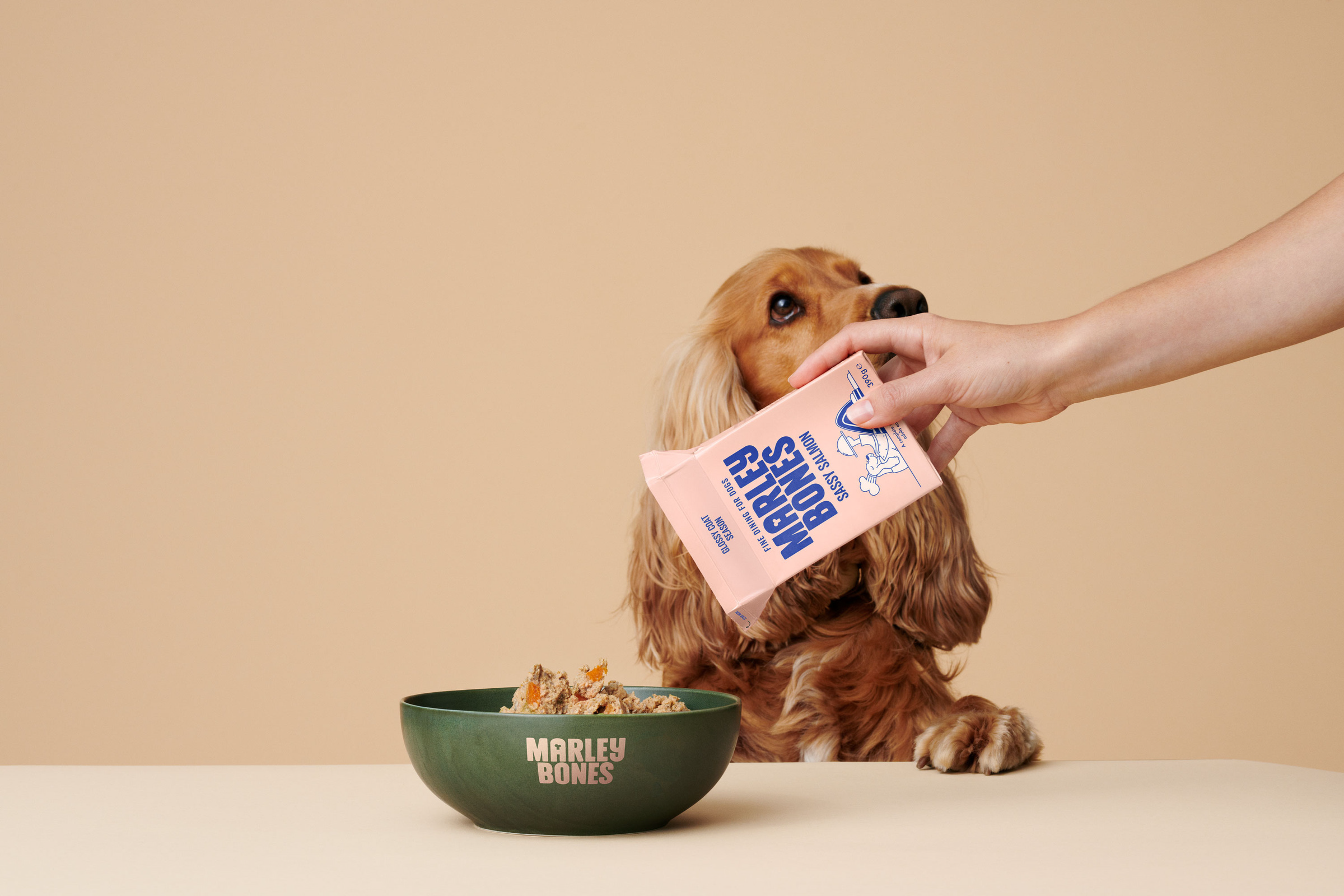
Salmon is an excellent protein source and one of the few that also delivers meaningful omega-3 fatty acids alongside it. This makes it particularly useful for dogs with dry skin, a dull coat, or joint issues. Marleybones' Sassy Salmon is a complete single-protein meal built around salmon as the lead ingredient.
What should I look for on a dog food label to assess protein quality?
Look for a named animal protein — chicken, beef, lamb, salmon — as the first ingredient. Avoid foods where the first ingredient is a grain or where protein comes from vague terms like "meat and animal derivatives." Check whether the food uses fresh meat or meat meal, as fresh meat retains more usable amino acids.
“A complete game changer!!”


 Give your dog the quality nutrition they deserve
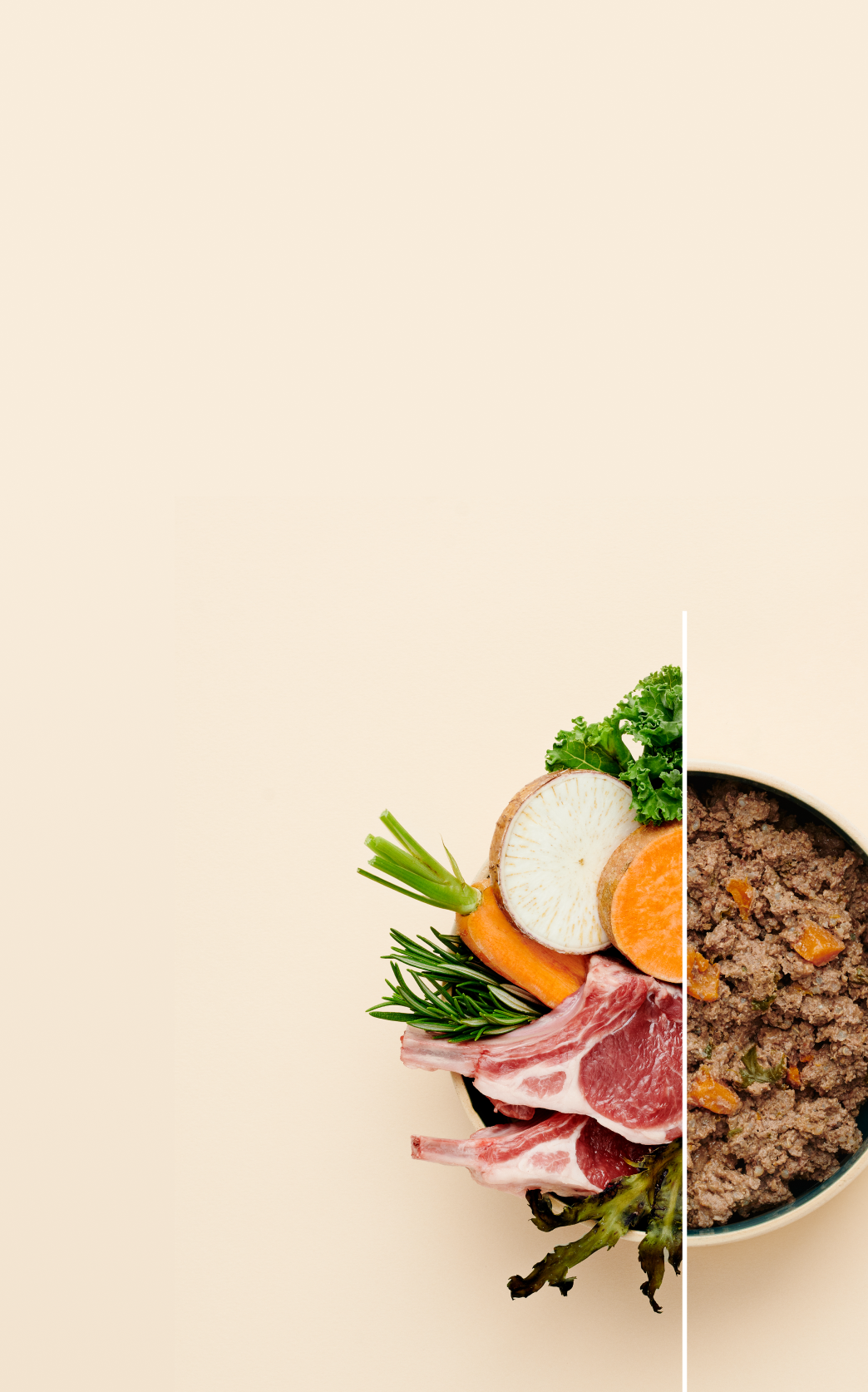
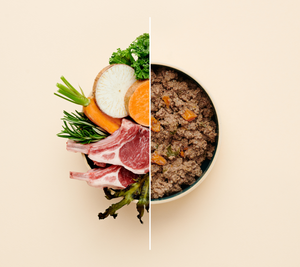
Real meat, wholesome veggies and functional superfoods.
Get 40% OFF today