



Best Dog Food for an Italian Greyhound with a Sensitive Stomach

At a glance
- Italian Greyhounds have a fast gut transit time and very little body fat, which makes them prone to nausea, bile reflux, and loose stools if meals are hard to digest.
- A highly digestible, single-protein recipe with moderate fat (10-15%) is generally easier on their stomach than high-fat or multi-protein foods.
- Fillers, artificial preservatives, and sudden diet changes are common triggers for digestive upset in this breed.
- Small, frequent meals (three to four a day) suit their fast metabolism and small stomach capacity better than one or two large meals.
- Prebiotic fibre sources like chicory root support stable gut bacteria, which matters more in breeds prone to sensitivity.
What is the best food for an Italian Greyhound with a sensitive stomach?
The best food for an Italian Greyhound with a sensitive stomach is a fresh, single-protein recipe with moderate fat, gentle prebiotic fibre, and no artificial preservatives or fillers. This breed has an unusually fast digestive transit time and almost no insulating body fat, so their gut has little margin for error. Meals that are hard to break down, whether because of low-quality protein, excess fat, or heavily processed ingredients, tend to show up quickly as vomiting, bile reflux, or loose stools.
Italian Greyhounds are also prone to bile reflux on an empty stomach, which many owners mistake for food sensitivity when it's actually a timing issue. If you're building a full feeding plan for the breed, our guide to the best dog food for Italian Greyhounds covers portion sizes and life-stage needs in more depth. For the wider picture on digestive sensitivity across breeds, our complete guide to sensitive stomachs and gut health is a useful starting point.
Why are Italian Greyhounds prone to sensitive stomachs?
Italian Greyhounds are prone to sensitive stomachs because of their small size, fast metabolism, and very low body fat percentage. Food moves through their gut faster than in most breeds, which leaves less time for nutrients to be absorbed and more room for irritation if the recipe isn't easily digestible.
Their thin build also means they have minimal fat reserves to buffer against an empty stomach. This is why bile reflux, vomiting yellow foam first thing in the morning, is so common in the breed. It's not usually a sign of illness. It's a sign the gap between meals is too long, or that the last meal was too rich or too fast-digesting to hold them over.
Stress is another factor. Italian Greyhounds are notoriously anxious dogs, and anxiety directly affects gut motility and stomach acid production in dogs, just as it does in people. A dog who's stressed at mealtimes or during travel is more likely to show digestive symptoms even on a food that normally suits them fine.
What ingredients help, and which ones make it worse?
Highly digestible animal protein, moderate fat, and gentle fibre sources help settle an Italian Greyhound's stomach. Fillers, artificial additives, and sudden ingredient changes tend to make things worse. The table below breaks down what to look for and what to limit.
| Helps digestion | Can trigger flare-ups |
|---|---|
| Single, named animal protein source (chicken, lamb, salmon) | Multiple protein sources introduced at once |
| Moderate fat, around 10-15% of the diet | High-fat treats or fatty off-cuts |
| Prebiotic fibre such as chicory root | Cheap fillers like wheat, soy, or maize |
| Fresh, gently cooked ingredients | Heavily processed kibble with additives |
| Consistent recipe fed daily | Frequent, abrupt food switching |
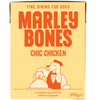
Chicory root is one of the most well-researched prebiotic fibres in dog nutrition. It feeds the beneficial bacteria that keep digestion stable, which matters more for a breed whose gut has so little buffer to begin with. Marleybones includes chicory root alongside quinoa, chia seeds, and linseeds across its Pantry Fresh recipes, all cooked without preservatives.
How should feeding be structured to avoid flare-ups?
Feeding an Italian Greyhound three to four smaller meals a day, rather than one or two large ones, reduces the risk of bile reflux and keeps their fast metabolism steady. An empty stomach for more than 10-12 hours is often enough to trigger vomiting in this breed, so an early breakfast and a late small snack or dinner both help.
Consistency matters as much as quantity. Switching proteins or brands too often is one of the most common causes of loose stools in sensitive dogs, because the gut needs time to adjust its bacteria to a new ingredient profile. If you do need to change food, do it gradually over seven to ten days, mixing increasing amounts of the new food with the old.
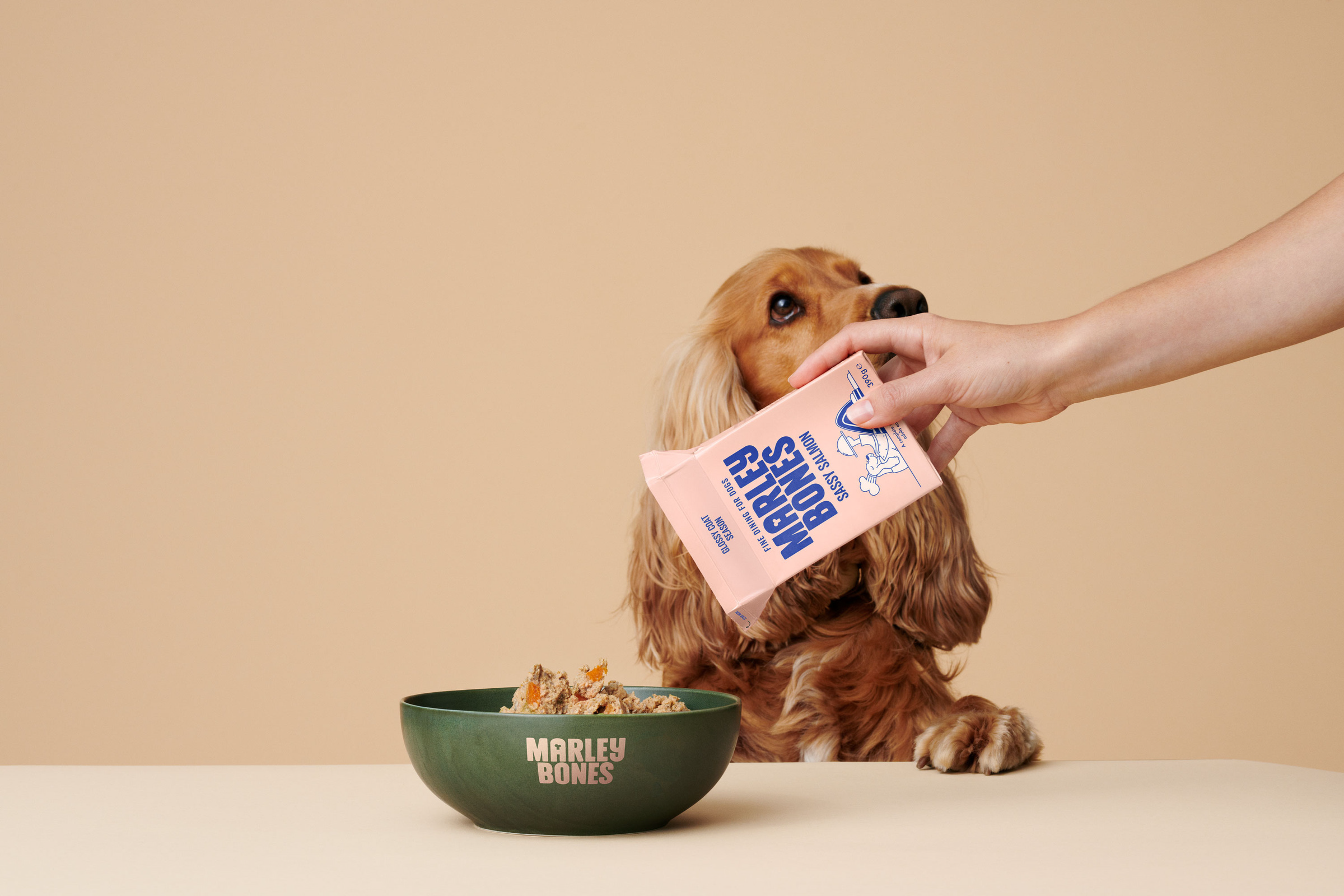
Fresh food formats can help here because there's no need to freeze or thaw meals, which makes portioning smaller, more frequent meals genuinely practical rather than a chore. Marleybones' Pantry Fresh format is shelf-stable and sealed raw before slow-cooking in-pack, so a pack can sit in the cupboard until it's needed rather than requiring freezer space and defrosting time.
Speak to your vet if vomiting, diarrhoea, or weight loss persists for more than 48 hours, or if symptoms are severe or worsening. A sensitive stomach can look identical to something more serious in its early stages, and a vet can rule out conditions like pancreatitis or a gut infection.
What should a typical day of feeding look like?
- Early morning: a modest breakfast to break the overnight fast and reduce bile reflux risk.
- Midday: a smaller top-up meal, useful for puppies and adults with a fast metabolism.
- Early evening: the main meal of the day, timed so the stomach isn't empty again for too long overnight.
- Optional late snack: a small portion of the day's food held back for dogs prone to early morning sickness.
Fibre balance plays a bigger role in stool quality than most owners expect. The right type and amount of fibre firms up stools without slowing digestion down, which is exactly the balance a fast-transit breed like the Italian Greyhound needs. Too little fibre and stools stay loose; too much, and it can move through even faster than usual.
Every dog is different, build your personalised Marleybones feeding and health plan tailored to your dog's age, size, and health requirements.
For Italian Greyhounds with confirmed sensitivities, single-protein options like Lush Lamb keep the ingredient list simple, which makes it easier to identify triggers if symptoms do appear.

“Such a relief to see her enjoying her food”
FAQs
Is bile reflux the same as a sensitive stomach in Italian Greyhounds?
No. Bile reflux happens when the stomach is empty too long and bile irritates the stomach lining, causing yellow foamy vomit, usually in the morning. A sensitive stomach is a broader reaction to specific ingredients or recipes. Both are common in Italian Greyhounds and both improve with smaller, more frequent meals.
How quickly should I see improvement after changing food?
Most dogs show改善 within 5-7 days on a new recipe, once the gut bacteria adjust. Stool quality is usually the first sign to improve, followed by energy levels and coat condition over the following two to three weeks.
Can Italian Greyhound puppies have the same sensitive stomach food as adults?
Yes, provided the recipe is labelled complete for all life stages. Marleybones' Pantry Fresh recipes are formulated to FEDIAF standards for all life stages, including puppies, so the same recipe can carry a dog from puppyhood through to adulthood without a separate formula.
Do Italian Greyhounds need a grain-free diet for a sensitive stomach?
Not necessarily. Grain-free isn't the same as low-fibre or easily digestible. Some grains, like rice, are actually gentle and easy to digest. The bigger factor is protein quality and overall ingredient simplicity, not whether grains are present.
What's the difference between a food sensitivity and a food allergy in this breed?
A sensitivity causes digestive symptoms like loose stools or vomiting without involving the immune system. A true allergy involves an immune response and often includes skin symptoms like itching alongside digestive upset. True food allergies are less common than sensitivities in Italian Greyhounds.
“A complete game changer!!”


 Give your dog the quality nutrition they deserve
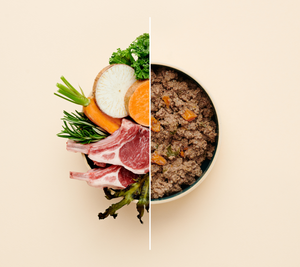
Real meat, wholesome veggies and functional superfoods.
Get 30% off: Take the quiz