



Best Dog Food for Digestive Sensitivities (Non-Breed)

At a glance
- Easily digestible protein sources, such as chicken, salmon, or lamb, put less strain on a sensitive gut than heavily processed meat meals.
- Moderate fibre, particularly prebiotic fibre like chicory root, feeds beneficial gut bacteria and helps firm up stools.
- Fresh, minimally processed food retains more natural nutrients than food cooked at very high temperatures for long periods.
- Common trigger ingredients include artificial preservatives, excessive fillers, and sudden changes in fat content.
- Persistent vomiting, diarrhoea lasting more than 48 hours, or weight loss needs veterinary attention, not just a diet change.
What should I feed a dog with a sensitive stomach?
The best food for a dog with digestive sensitivities is one built around a single easily digestible protein, moderate fibre, and minimal processing. Dogs with sensitive stomachs cope better with food that hasn't been stripped of nutrients or loaded with fillers their gut has to work harder to break down. Simple, recognisable ingredients matter more here than clever marketing claims.
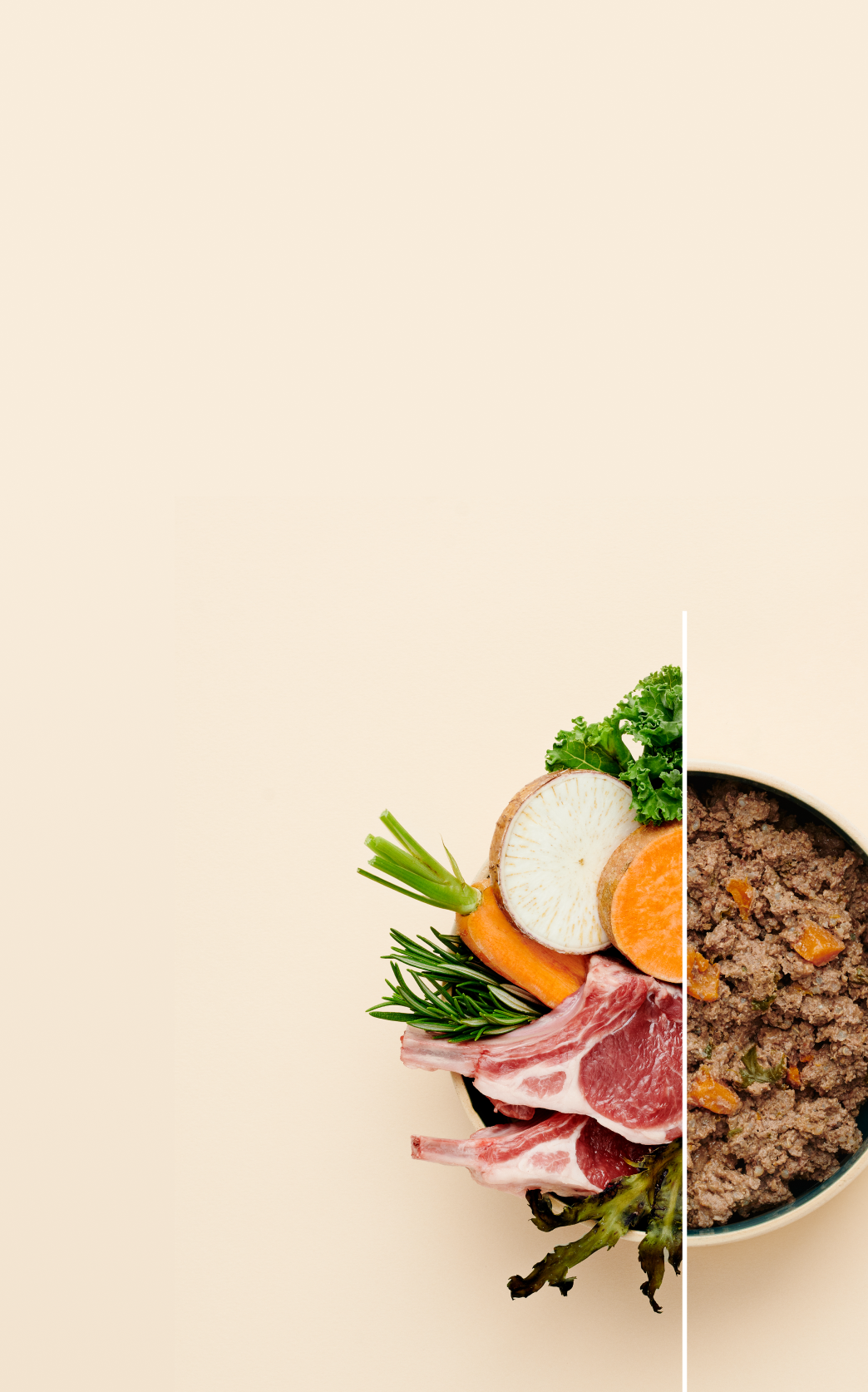
Fresh food that's been raw and slow-cooked in-pack, rather than extruded at high heat like most kibble, tends to preserve more of the natural structure of the protein. That makes it easier for the digestive system to break down and absorb. Marleybones prepares its Pantry Fresh meals this way, and it's FEDIAF compliant, meaning the nutritional balance meets the same standard used across Europe for complete pet food.
What ingredients actually help digestion, and which make it worse?
Prebiotic fibre, lean protein, and healthy fats support digestion, while artificial preservatives, excessive grain fillers, and high fat spikes tend to aggravate it. Chicory root is one of the most well-researched prebiotics in dog nutrition, and it feeds the beneficial bacteria that keep digestion stable, which is why you'll find it in recipes designed with gut health in mind. Chia seeds and linseeds contribute soluble fibre, which slows digestion just enough to help firm up loose stools without causing constipation.
On the other side, dogs with sensitive stomachs often react badly to sudden increases in fat, cheap fillers used to bulk out cheaper foods, and preservatives that some dogs simply can't tolerate well. A complete guide to sensitive stomachs and gut health covers the full picture if you want to understand what's driving the symptoms before changing anything.
| Ingredient type | Effect on sensitive digestion |
|---|---|
| Chicory root (prebiotic fibre) | Feeds beneficial gut bacteria, supports firmer stools |
| Single-source lean protein | Easier to digest, lower risk of intolerance reactions |
| Artificial preservatives | Linked to gut irritation in sensitive dogs |
| Cheap grain fillers | Harder to digest, can worsen loose stools |
| Sudden high fat content | Common trigger for pancreatitis flare-ups and loose stools |
Does fresh food digest more easily than kibble?
Yes, fresh food is generally easier for dogs to digest than kibble because it undergoes far less processing. Kibble is extruded under high heat and pressure, which alters the structure of proteins and can reduce how efficiently a dog's gut breaks them down. Fresh food retains more of its original nutritional integrity, which means more of what goes in actually gets absorbed rather than passing through undigested.
This matters most for dogs with sensitive stomachs, because undigested material sitting in the gut is exactly what triggers bloating, gas, and loose stools. If you're weighing up the options properly, it's worth reading how fresh dog food compares with kibble in terms of digestibility and nutrient retention before making a switch. Marleybones meals are sealed raw and slow-cooked in-pack, so there's no freezing step and no preservatives needed to keep them shelf-stable.
How much fibre does a dog with a sensitive stomach need?
Most dogs with digestive sensitivities do best with moderate fibre, generally in the range of 2 to 4% on a dry matter basis, rather than very low or very high fibre diets. Too little fibre gives the gut nothing to regulate transit time, while too much can overwhelm a sensitive system and cause loose stools of its own. The type of fibre matters as much as the amount. Soluble fibres, like those from chia seeds and hemp seeds, ferment slowly in the gut and support a healthy bacterial balance, whereas insoluble fibre mainly just adds bulk.
Getting this balance wrong is one of the most common feeding mistakes owners make when trying to fix a sensitive stomach. A closer look at how fibre actually works in dog food explains why more isn't always better, and how to judge whether a food's fibre content suits your dog specifically.
How do I switch my dog to a new food without upsetting their stomach?
Switch gradually over 7 to 10 days, increasing the new food's proportion by roughly 25% every two to three days while decreasing the old food by the same amount. Sudden switches are one of the most common causes of digestive upset, even when the new food itself is high quality. A dog's gut bacteria need time to adjust to new proteins and fibre sources, and rushing the transition undoes a lot of the benefit of choosing a better food in the first place.
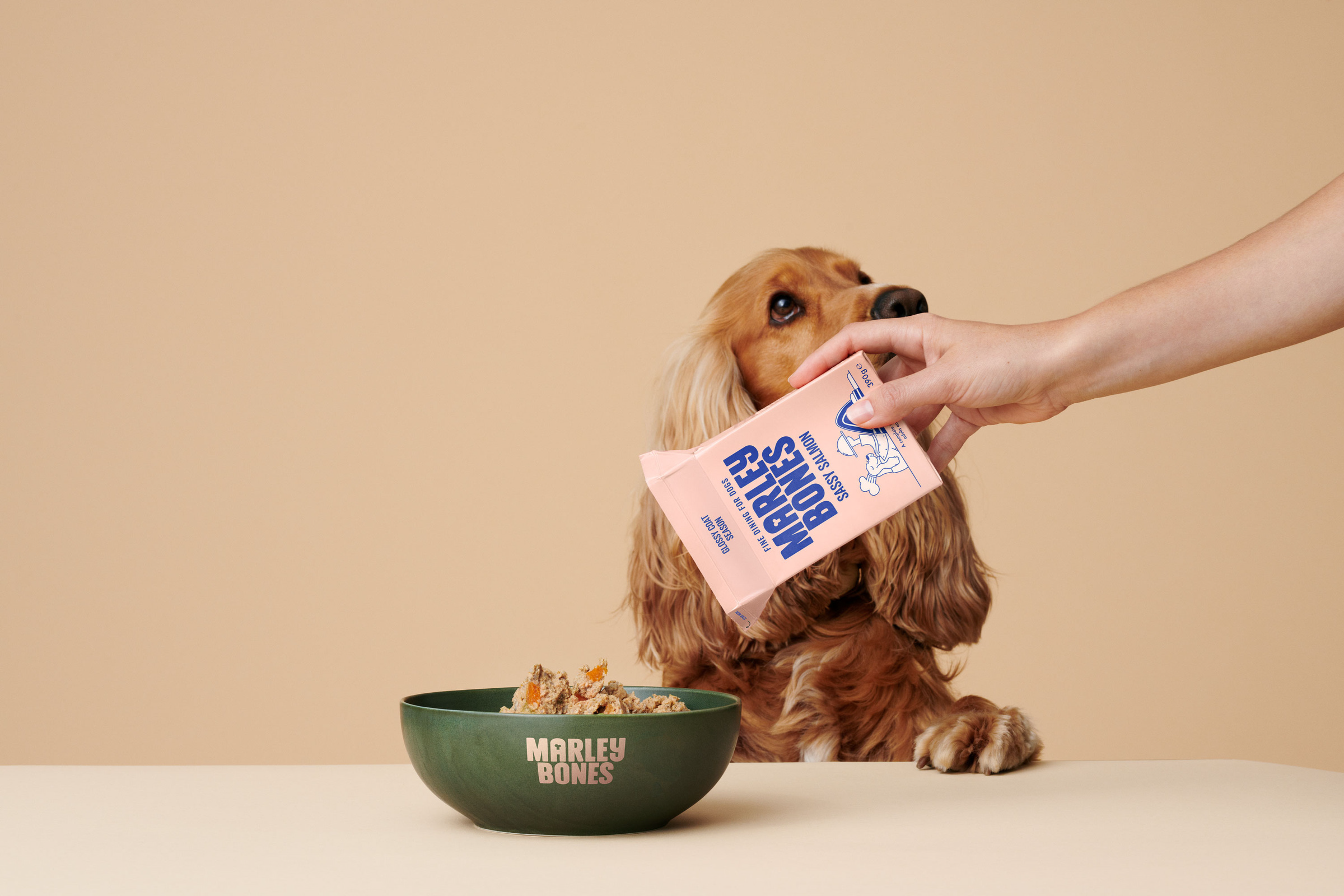
If loose stools, vomiting, or a loss of appetite last more than 48 hours during or after a food change, see a vet rather than persisting with home remedies. Persistent digestive symptoms can signal something beyond diet, including infections or underlying conditions, and a vet can rule these out properly. If you're testing out a specific recipe, the Sassy Salmon meal uses a single animal protein source, which makes it easier to spot whether salmon itself agrees with your dog during the transition.
Every dog is different, and building a personalised Marleybones feeding and health plan tailored to your dog's age, size, and health requirements takes the guesswork out of matching food to sensitivity.

“Such a relief to see her enjoying her food”
FAQs
Can dogs with sensitive stomachs eat grain-free food?
Grain-free isn't automatically better for digestive sensitivity. What matters more is protein quality and fibre balance, not whether grains are present. Some dogs digest oats or rice perfectly well, while others react to specific proteins regardless of grain content.
Is chicken or lamb easier on a dog's stomach?
Both are commonly used as easily digestible single-source proteins, and neither is universally easier. The right choice depends on which protein your individual dog tolerates best, which is why introducing one new protein at a time helps identify sensitivities.
How long does it take to see improvement after changing food?
Most dogs show noticeable improvement in stool quality within 2 to 3 weeks of a suitable diet change. Full gut adjustment, including stable digestion of the new fibre and protein sources, can take up to 6 weeks.
Do probiotics help with digestive sensitivity?
Yes, probiotics can help restore a healthy balance of gut bacteria, particularly after illness or antibiotic use. They work best alongside a suitable diet rather than as a substitute for one.
What are the warning signs that diet alone won't fix?
Blood in stool, repeated vomiting, significant weight loss, or lethargy alongside digestive symptoms are warning signs that need a vet's assessment rather than a food change. These can indicate conditions like inflammatory bowel disease or infections that diet alone cannot resolve.
“A complete game changer!!”


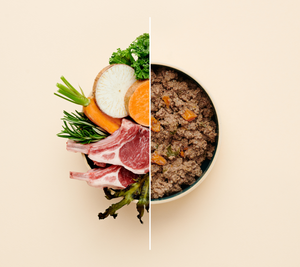 Give your dog the quality nutrition they deserve
Real meat, wholesome veggies and functional superfoods.
Get 40% OFF today