

 Vet reviewed
What is the best dog food for a Yorkshire Terrier?

At a glance
- Yorkshire Terriers do best on fresh, whole-ingredient food built around a single quality protein - the breed's small stomach, fast metabolism, and predisposition to digestive sensitivity make ingredient quality and portion precision both critical.
- Salmon is the strongest protein choice for Yorkies, providing clean amino acids alongside EPA and DHA omega-3 fatty acids that directly support the fine, silky coat this breed is known for.
- Fresh food with 65-75% moisture content supports kidney and urinary health in a breed prone to urinary issues, and is significantly easier on the digestive system than dry kibble.
- Yorkshire Terriers have small mouths and delicate teeth - food format and dental health both need factoring into feeding decisions from an early age.
- Portion discipline is non-negotiable with Yorkies - even small caloric overages lead to visible weight gain on a dog that typically weighs under 3kg, which puts pressure on the joints and heart.
What is the best diet for a Yorkshire Terrier?
Fresh dog food built around a high-quality single protein, with minimal processing and no artificial additives, is the right diet for most Yorkshire Terriers. The breed is small, fast-metabolising, and prone to both digestive sensitivity and skin and coat issues - three factors that make ingredient quality more consequential than it is for larger, hardier breeds.
Dry kibble delivers around 10% moisture and requires high-temperature extrusion that degrades protein quality and strips out natural fats. For a breed whose silky coat depends on dietary fat quality, and whose gut often reacts to low-grade ingredients, fresh food represents a meaningful upgrade - not just a premium alternative. The 65-75% moisture content in fresh food also benefits kidney and urinary tract function, an area of real concern in this breed.
The practical checklist for a good Yorkie food is: a named protein source, natural omega-3 fatty acids for coat and skin, no artificial preservatives or cheap fillers, and precise portioning to keep weight in check. Marleybones Pantry Fresh meals are vet-developed, free from artificial additives, and available in single-protein recipes well-matched to a breed where what goes in shows up visibly on the outside.
Do Yorkshire Terriers have sensitive stomachs?
Yes, and the sensitivity is usually dietary in origin rather than a fixed trait the dog was born with. Yorkies fed the same chicken or beef-based food repeatedly over months or years are at increased risk of developing a reaction to those proteins. When loose stools, wind, or intermittent vomiting appear, changing the protein source resolves the issue more reliably than switching between brands of the same formula.
The Yorkie's digestive system is compact and sensitive - high-starch fillers and rendered fats of unspecified origin both place a significant load on it. Fresh food cooked at lower temperatures retains the natural protein structure the gut handles most easily, and eliminates the processed starches that ferment in the lower gut and cause wind and bloating. Most Yorkies with a history of digestive upset see meaningful improvement within two to four weeks of switching to a fresh, single-protein diet.
If symptoms persist beyond four weeks of a dietary change, or include blood in stools, significant weight loss, or repeated vomiting, see a vet before making further adjustments. Some digestive conditions in small breeds require clinical assessment.
Why is coat condition so closely linked to diet in Yorkies?
The Yorkshire Terrier's fine, silky coat is nutritionally demanding - it requires a consistent supply of quality dietary fat and omega-3 fatty acids to stay glossy, soft, and healthy. Without them, the coat becomes dry, brittle, and prone to breakage, and the skin underneath can become flaky and irritated.
EPA and DHA from oily fish are the most effective dietary support for coat and skin health in this breed. They reduce systemic inflammation, maintain the skin barrier, and provide the oils the coat needs at the follicle level. Diets built around rendered fat or synthetic fat additions rather than a whole fish source deliver these inconsistently, and the coat reflects it within weeks. For Yorkies with recurring skin irritation or dull coat, the ingredient list on their current food is the first place to look - artificial additives, cheap grains used as bulk filler, and low-quality fats are the most common culprits.
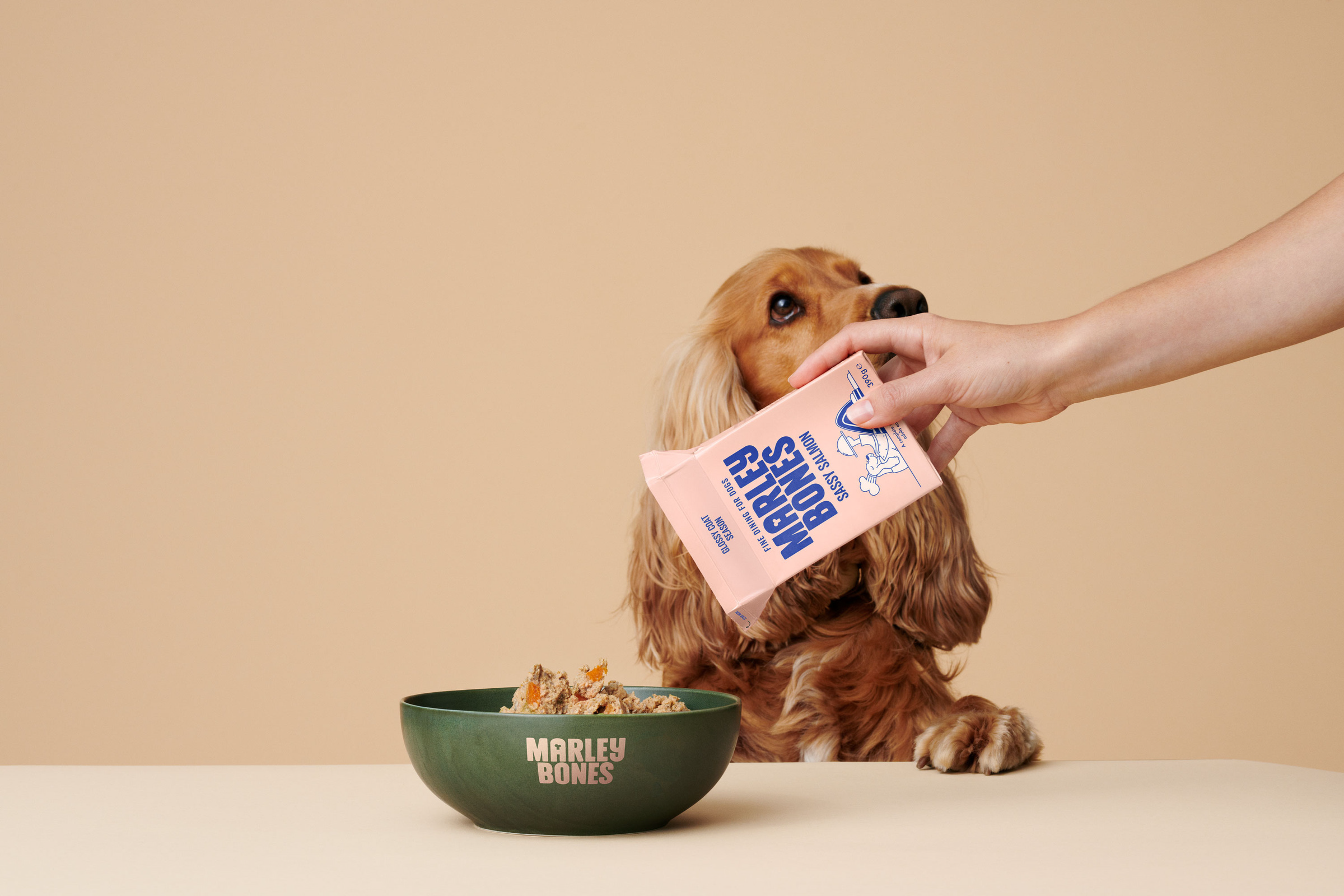
Meals built around salmon - like Marleybones Sassy Salmon - provide a whole-food source of EPA and DHA alongside clean, recognisable ingredients, which addresses both the nutritional gap and the likely irritants in a single switch.

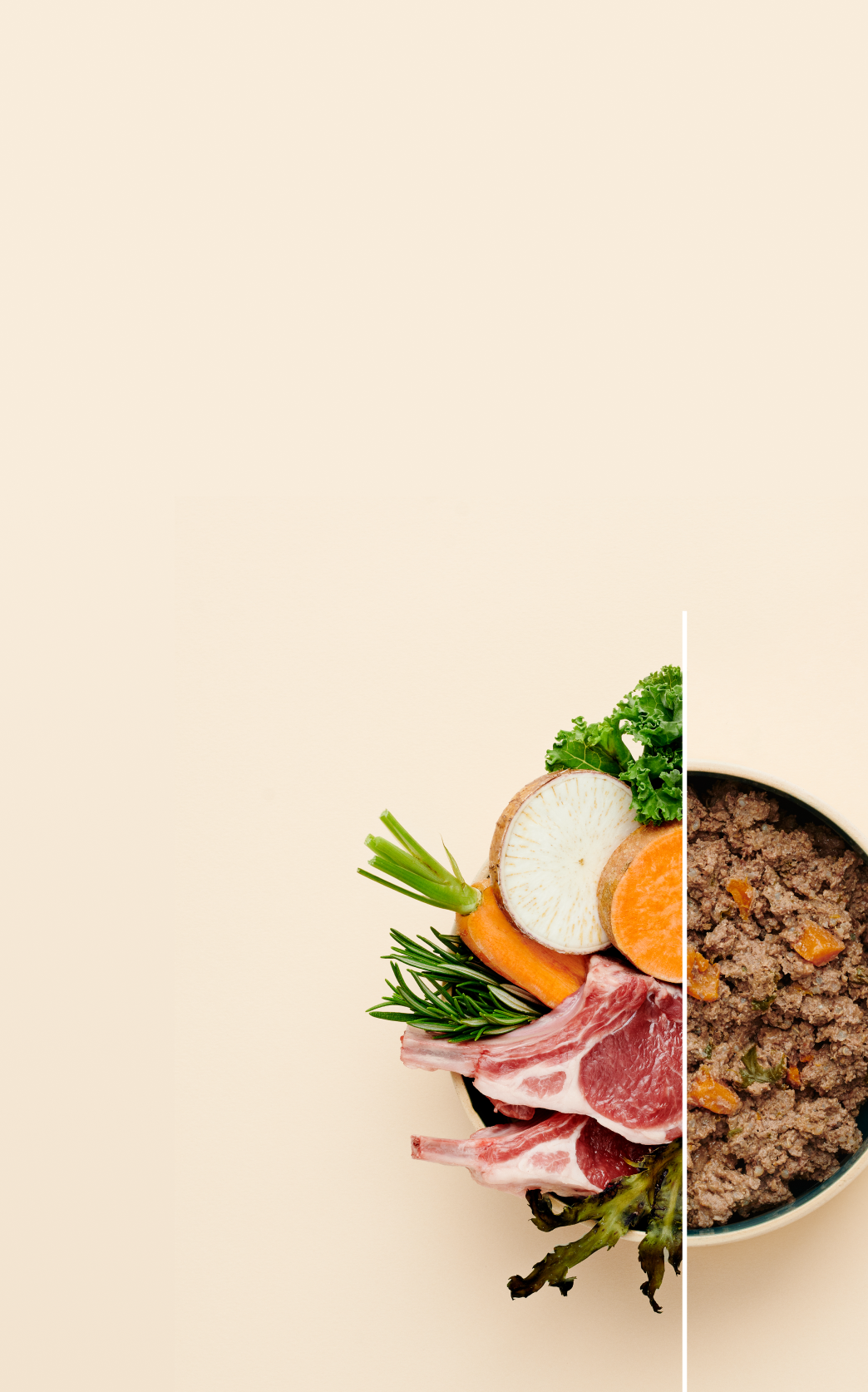
Freshly prepared British beef, veggies & superfoods
What protein is best for a Yorkshire Terrier?
Salmon is the strongest starting point for most Yorkies, particularly those with a history of digestive sensitivity or coat issues, or those currently eating chicken or beef. It delivers complete protein alongside omega-3 fatty acids that directly support the skin and coat - two of the areas the breed most commonly struggles with. Lamb is a strong alternative for dogs that need a red meat option or have already eaten fish regularly; it is lower allergenicity than beef and tends to sit well with sensitive digestive systems.
Single-protein recipes are the most reliable choice for Yorkshire Terriers with any history of reactivity - they remove the guesswork from identifying what the dog tolerates and make dietary troubleshooting straightforward. Marleybones Lush Lamb and Sassy Salmon are both single-protein meals with chicory root as a natural prebiotic, which gives the gut additional support during and after the transition.
Chicken and beef are not inherently bad proteins, but Yorkies fed them continuously from puppyhood are the dogs most likely to have developed a sensitivity to them by adulthood. If a Yorkie on chicken or beef is showing recurring digestive or skin symptoms, switching protein source is the right first move.
How much should I feed a Yorkshire Terrier?
Most adult Yorkshire Terriers weigh between 2 and 3.2kg - but body condition tells you more than the scales. You should be able to feel the ribs easily without pressing hard, and see a clear waist when looking down from above. On a dog this small, an extra 100-200 calories per day makes a visible difference over weeks.
Fresh food is more satiating than the equivalent calorie count in dry kibble - the higher moisture content occupies more stomach volume, which matters for a breed with a small stomach that empties quickly. Most owners transitioning a Yorkie from kibble find the dog is satisfied on a lower nominal calorie count than the packaging suggested. Treats count - and with a food-motivated small breed, they add up fast. Factor them into the daily total rather than treating them as extras.
Two meals a day suits adult Yorkies well; their small stomachs handle smaller, more frequent portions better than one large daily feed. Puppies under six months need three to four small meals spread across the day to keep blood sugar stable.
Every dog is different - build your personalised Marleybones feeding and health plan tailored to your dog's age, size, and health requirements.
How do different dog food formats compare for Yorkshire Terriers?
| Format | Moisture content | Processing level | Verdict for Yorkshire Terriers |
|---|---|---|---|
| Fresh (Pantry Fresh) | 65-75% | Minimal - slow low-temperature cooking | Best option - whole ingredients, supports digestion, coat, and urinary health |
| Raw | 65-75% | None | Works for some - bacterial safety a consideration with small dogs, preparation required |
| Wet / canned | 75-85% | Moderate | Better than kibble - moisture content benefits Yorkies, but ingredient quality varies widely |
| Cold pressed | Around 12% | Low - below extrusion temperatures | Decent middle ground - better protein retention than kibble, still low moisture |
| Dry kibble | Around 10% | High - high-temperature extrusion | Hardest to digest - lowest moisture, most likely to exacerbate coat and digestive issues |
FAQs
How often should I feed my Yorkshire Terrier?
Twice daily is right for adult Yorkies - morning and evening in equal portions. Their small stomachs do not handle large single meals well, and two feeds a day helps keep blood sugar stable in a breed prone to hypoglycaemia. Puppies under six months need three to four small meals daily.
Why does my Yorkie have such bad wind and loose stools?
Recurring digestive symptoms in Yorkshire Terriers are almost always diet-related - either a protein the gut has become sensitive to, a high-starch filler fermenting in the digestive tract, or artificial additives irritating the gut lining. Switching to a fresh, single-protein food with no fillers or artificial additives resolves the issue in most cases within two to four weeks. If symptoms include blood in stools, significant weight loss, or repeated vomiting, see a vet before adjusting the diet further.
Is grain-free food better for Yorkshire Terriers?
Not automatically. Grains are not the problem in themselves - the issue is the quantity and quality of grain used as cheap bulk filler in heavily processed food. A Yorkie reacting to wheat in low-quality kibble may tolerate whole oats or brown rice in a fresh, minimally processed meal without any issue. Grain-free foods that substitute large quantities of peas or lentils are not automatically easier on the Yorkie's digestive system, and carry their own nutritional considerations.
Is Marleybones Pantry Fresh good for Yorkshire Terriers?
Yes. Marleybones Pantry Fresh meals are vet-developed, contain no artificial preservatives or fillers, and come in single-protein recipes that suit a breed prone to both digestive sensitivity and skin and coat issues. With a 4.9/5 Trustpilot rating and over two million meals delivered, Sassy Salmon is the strongest choice for most Yorkies - it provides whole-food EPA and DHA omega-3 fatty acids alongside clean, recognisable ingredients that support the fine, silky coat this breed is known for.
My Yorkshire Terrier is a fussy eater - will they actually eat fresh food?
Almost certainly. Fresh food is considerably more palatable than dry kibble - the aroma, texture, and moisture content make it far more appealing to dogs that have learned to hold out for something better. Yorkies that have refused multiple kibble brands typically take to fresh food immediately. Transition gradually over seven to ten days even if your dog seems enthusiastic about the new food straight away, to allow the digestive system to adjust.
How does diet affect dental health in Yorkshire Terriers?
Yorkshire Terriers are one of the breeds most prone to dental disease - their small mouths lead to overcrowded teeth that accumulate tartar quickly. Diet alone cannot substitute for regular tooth brushing, but food quality plays a supporting role: diets high in refined starch, which is common in dry kibble, contribute to plaque formation. A fresh diet with lower starch content reduces one of the contributing factors, and combining it with dental chews or regular brushing gives the best overall outcome for a breed with genuinely vulnerable teeth.

Freshly prepared British chicken, veggies & superfoods


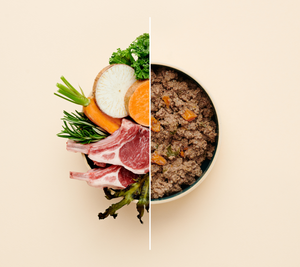 Give your dog the quality nutrition they deserve
Real meat, wholesome veggies and functional superfoods.
Get 30% off: Take the quiz