





Best dog food for a Whippet with itchy skin

At a glance
- Whippets have thin, single-layer coats and minimal body fat — their skin is more exposed and more reactive than in many other breeds
- Food allergies and intolerances are a leading cause of itchy skin in dogs; the most common triggers are beef, dairy, wheat, chicken, and egg
- Omega-3 fatty acids — particularly EPA and DHA from fish oil — directly reduce skin inflammation and support the skin barrier
- An elimination diet over 8–12 weeks is the only reliable way to identify a food trigger
- Environmental allergens (pollen, dust mites, grass) cause the same symptoms as food allergies and often overlap
Why does Whippet itchy skin happen, and is food the cause?
Whippet itchy skin is most commonly caused by either a food sensitivity, an environmental allergen, or a combination of both. Whippets are physically predisposed to skin problems. Their coat is extremely short and fine, with no undercoat and very little subcutaneous fat. That means their skin sits closer to the surface, absorbs more UV, and has less natural insulation against irritants.
Food-related itching tends to show up as generalised scratching, paw licking, ear inflammation, or a dull, flaky coat. It typically develops gradually rather than seasonally. Environmental allergies, by contrast, often flare with the seasons — worse in spring and autumn when pollen counts are highest. Many Whippets deal with both at once, which is why understanding how diet connects to common health conditions is a useful starting point before jumping to medication.
Getting to the root cause matters. Antihistamines and steroids manage symptoms. Diet changes can address the source.
What are the most common food triggers for itchy skin in Whippets?
The most frequently identified food allergens in dogs are beef, dairy, wheat, chicken, and egg. These are not the worst ingredients — they are simply the most common ones, because dogs are most likely to develop sensitivities to proteins they have eaten repeatedly over a long period.
An elimination diet is the gold standard for identifying a food trigger. You feed a novel protein — one your dog has never eaten before — for 8 to 12 weeks, with no treats, chews, or flavoured supplements that could introduce the old allergen. If symptoms improve during that window, you reintroduce the original food. If symptoms return, the food is the cause.
This process takes patience, but it produces a clear answer. Allergy testing kits sold online are not a reliable substitute. Blood and saliva tests for food allergies have poor diagnostic accuracy in dogs and frequently produce false positives.
If you have identified chicken as a likely trigger, a single-protein salmon or lamb meal gives you a clean starting point. If the cause is unknown, choosing a novel protein your Whippet has not eaten before is the smarter move. For breed-specific feeding context, the guide to the best dog food for a Whippet covers general nutritional requirements alongside sensitivities.
What should you actually feed a Whippet with itchy skin?
The best food for a Whippet with itchy skin is a complete, minimally processed meal built around a single novel protein, with a meaningful source of omega-3 fatty acids and no artificial additives or fillers.
Here is what to prioritise:
- Novel single protein — reduces allergen load and makes it easier to identify triggers
- Omega-3 fatty acids (EPA and DHA) — fish oil is the most bioavailable source; these directly reduce inflammation and strengthen the skin barrier
- No artificial preservatives or colourings — chemical additives are a known irritant for sensitive dogs
- Whole food ingredients — better nutrient density, no mystery protein sources or unnamed derivatives
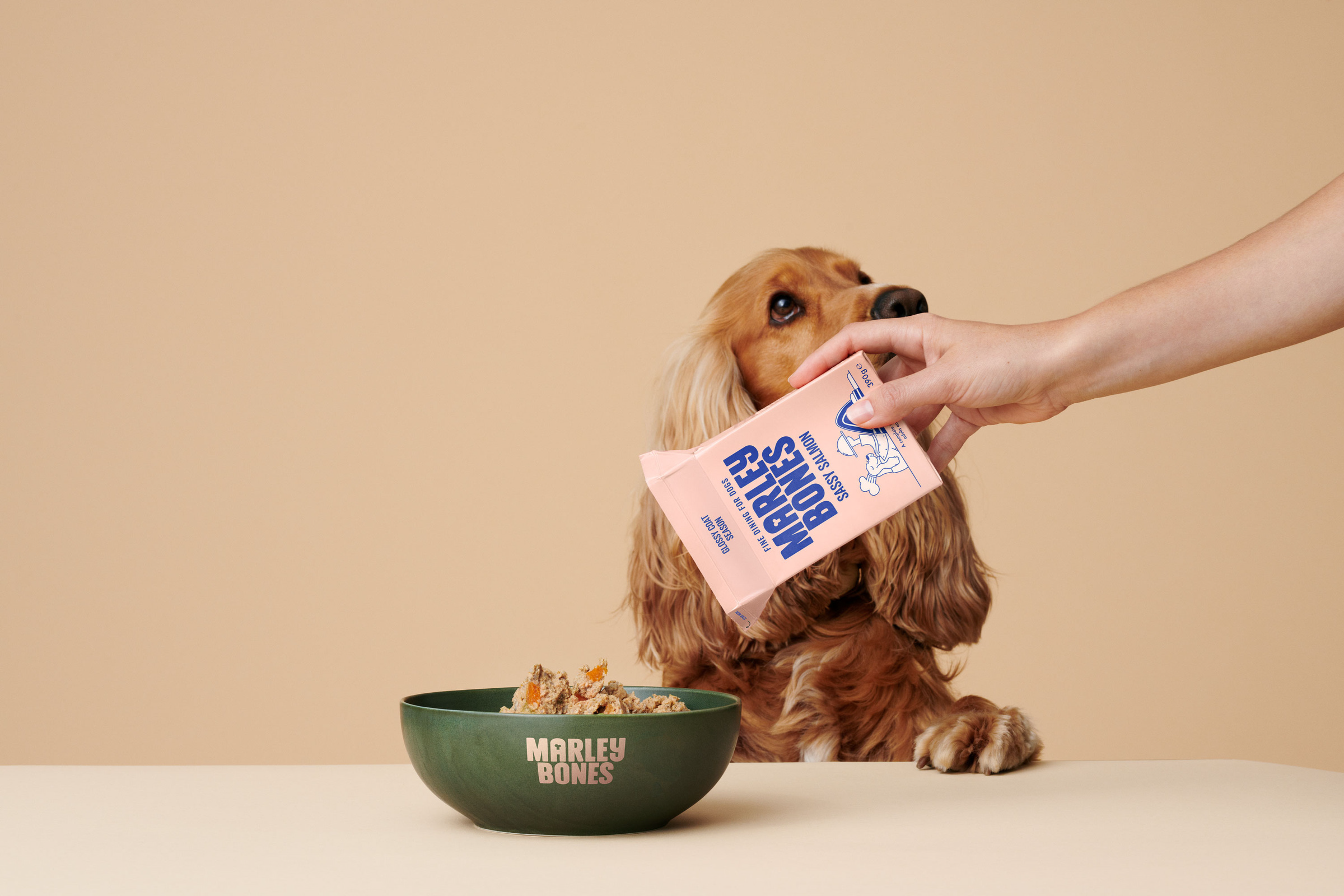
Marleybones Sassy Salmon is a useful option here. It is a vet-developed, complete fresh meal built around salmon — a novel protein for most dogs — and prepared using a Pantry Fresh format that seals and slow-cooks the ingredients in-pack, with no preservatives required. Salmon is one of the richest dietary sources of EPA and DHA, which makes it relevant specifically for skin-related conditions rather than just general feeding.
Fresh food in general tends to offer cleaner ingredient lists and fewer hidden additives than many processed alternatives. If you want to explore the differences, fresh food vs kibble breaks down what actually changes when you switch formats.
If you suspect a specific allergen but are not sure where to start, consult your vet before beginning an elimination diet — particularly if your Whippet is losing weight, showing signs of digestive distress, or the itching is severe or worsening. Persistent skin problems can have non-dietary causes including mange, bacterial infections, and thyroid issues, all of which need clinical diagnosis.
Does omega-3 supplementation actually help with itchy skin in dogs?
Yes. The evidence for omega-3 fatty acids in managing canine skin inflammation is strong. EPA and DHA work by reducing the production of inflammatory compounds called prostaglandins and leukotrienes. These are the chemicals that drive the itch-scratch cycle. Lower levels mean less inflammation, less scratching, and over time, a stronger skin barrier.
Fish oil is the most bioavailable source. Plant-based omega-3s (like those found in flaxseed and linseeds) contain ALA, which dogs convert to EPA and DHA only inefficiently. For therapeutic benefit in a dog with active skin problems, fish-derived omega-3s are the more effective choice.
Results take time. Most studies show meaningful improvement in coat quality and skin inflammation after 6 to 8 weeks of consistent supplementation. A dedicated omega-boosting oil added to meals is an easy way to increase EPA and DHA intake without switching your dog's entire diet.
Every dog is different — build your personalised Marleybones feeding and health plan tailored to your dog's age, size, and health requirements.

“Such a relief to see her enjoying her food”
FAQs: Whippet itchy skin and diet
Can food really cause itchy skin in Whippets?
Yes. Food allergies and intolerances are one of the most common causes of chronic itchy skin in dogs. The reaction is an immune response to a specific protein. Symptoms include scratching, paw licking, ear infections, and a dull or flaky coat. Unlike seasonal allergies, food-related itching tends to be consistent year-round.
How long does an elimination diet take to work?
A proper elimination diet requires 8 to 12 weeks on a novel protein with zero exposure to the suspected allergen. Shorter trials produce unreliable results. Skin inflammation takes time to resolve even after the trigger is removed, so visible improvement typically starts around week four to six.
Is salmon a good choice for a Whippet with skin problems?
Salmon is an excellent choice for most Whippets with skin issues. It is a novel protein for dogs that have only eaten chicken or beef before, which reduces allergen exposure. It is also one of the richest natural sources of EPA and DHA, the omega-3 fatty acids most directly linked to reduced skin inflammation. Marleybones Sassy Salmon is a complete fresh meal built around salmon, with no artificial preservatives.
Should I give my Whippet an omega-3 supplement on top of their food?
If your Whippet's main meal does not already include a significant fish oil component, adding a dedicated omega-3 supplement is worthwhile. The therapeutic dose for skin conditions is higher than what most complete foods provide as standard. A separate fish oil or omega-boosting oil gives you more control over the dose.
When should I see a vet about my Whippet's itchy skin?
See a vet if the itching is severe, if there is hair loss, broken skin, or infection, or if symptoms do not improve after 6 weeks of a clean diet. Persistent skin problems can have causes that are not dietary, including mange, hormonal imbalances, and bacterial or fungal infections. Diet is an important factor, but it is not always the whole picture.
“A complete game changer!!”


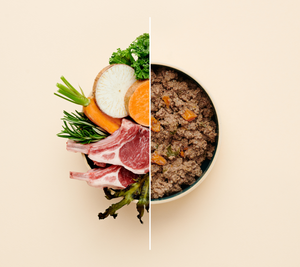 Give your dog the quality nutrition they deserve
Real meat, wholesome veggies and functional superfoods.
Get 30% off: Take the quiz