





 Vet reviewed
What’s the best dog food for a West Highland White Terrier?

At a glance
- Westies do best on fresh, whole-ingredient food built around a novel or hypoallergenic protein - the breed's well-documented tendency toward skin hypersensitivity and atopic dermatitis makes ingredient quality one of the most important dietary decisions an owner can make.
- Chicken and beef are the proteins most likely to trigger reactions in Westies that have eaten them for years - salmon and lamb are stronger starting points for dogs with any history of itching, skin inflammation, or recurring coat problems.
- Omega-3 fatty acids from oily fish directly support the skin barrier function that Westies are predisposed to struggle with - a diet that includes salmon as a whole ingredient delivers EPA and DHA more reliably than synthetic supplements added to a poor-quality base.
- Portion discipline matters - Westies are small dogs with large appetites, and excess weight puts additional pressure on the joints and exacerbates the skin conditions the breed is prone to.
- Artificial additives, low-quality rendered fats, and high-starch grain fillers are among the most common dietary contributors to skin flare-ups in Westies - clean ingredient lists with no fillers are the simplest way to reduce dietary triggers.
What is the best diet for a West Highland White Terrier?
Fresh dog food built around a single, high-quality protein source - with no artificial additives, fillers, or low-grade fats - is the most appropriate diet for most Westies. The breed is genetically predisposed to skin hypersensitivity, and diet is one of the few variables an owner can directly control. The quality of ingredients going in shows up directly on the skin and coat of a dog that is already working harder than most to maintain a healthy skin barrier.
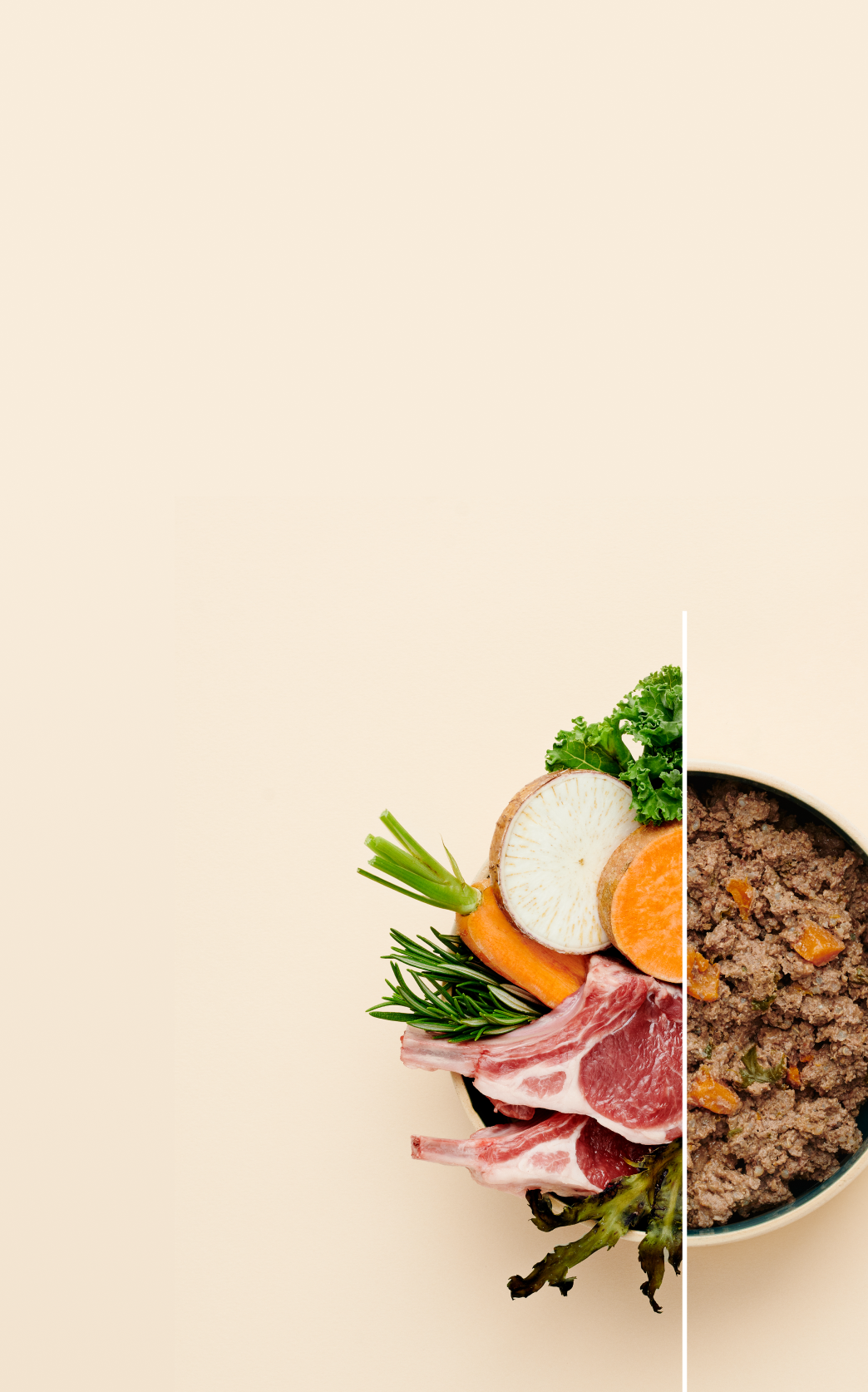
Understanding what makes fresh dog food different is useful context here. Heavily processed dry kibble is manufactured at high temperatures that degrade proteins and destroy naturally occurring fats, and it contains around 10% moisture. Fresh food cooked gently at lower temperatures retains its natural protein structure and nutritional integrity, and contains 65–75% moisture - closer to what a dog's digestive system evolved to process. For a breed like the Westie, where the gut and skin are closely connected, reducing the processing load on every meal makes a cumulative difference.
The practical checklist for a good Westie food is: a named protein source that is not one the dog has eaten for years, omega-3 fatty acids from a whole food source, no artificial preservatives or cheap grain fillers, and controlled portions. Marleybones Pantry Fresh meals are vet-developed, contain no artificial additives or fillers, and are available in single-protein recipes - a format that suits a breed where identifying and eliminating dietary triggers is often the most effective route to better skin health.
Why do so many Westies have skin problems, and what does diet have to do with it?
Dietary change is often the most effective first step for Westies with chronic itching, skin inflammation, or a dull, brittle coat. The breed has a well-established genetic predisposition to atopic dermatitis - an inflammatory skin condition driven by an overactive immune response to environmental and dietary triggers. The white coat makes redness, staining, and irritation more visible than in other breeds, which is why owners tend to notice skin issues earlier and more clearly.
Diet contributes in two distinct ways. First, specific ingredients - most commonly proteins the dog has eaten repeatedly over a long period - can trigger immune-mediated reactions that manifest on the skin. Second, nutritional gaps, particularly in omega-3 fatty acids, weaken the skin barrier itself, making the dog more reactive to environmental triggers it would otherwise tolerate. Addressing both at once means choosing a food with a novel protein source and a meaningful omega-3 content from a whole food ingredient rather than a synthetic additive.
Artificial colourings, synthetic preservatives, and low-quality rendered fats all appear in peer-reviewed literature as dietary contributors to inflammatory skin conditions in dogs. A Westie eating a kibble that contains several of these simultaneously is carrying a significant dietary load on an already reactive immune system. Removing them through a switch to a fresh, whole-ingredient diet reduces that load even before the protein source is addressed.
If skin symptoms persist or worsen after eight weeks on a clean, novel-protein diet, a veterinary dermatology assessment is the right next step - some Westies have environmental triggers that no food change will fully resolve, and a vet can advise on appropriate management alongside dietary improvements.

Freshly prepared British beef, veggies & superfoods
What protein is best for a West Highland White Terrier?
Salmon is the strongest protein choice for most Westies, particularly those with any history of skin issues. It provides clean, highly digestible protein alongside EPA and DHA omega-3 fatty acids that directly support the skin barrier and reduce systemic inflammation - addressing two of the breed's main dietary needs simultaneously. Lamb is the strongest alternative: lower allergenicity than beef, well-tolerated by reactive guts, and a good red meat option for dogs that have already eaten fish or need variety.
Chicken and beef are the proteins most commonly associated with dietary sensitivity in Westies, not because they are inherently problematic proteins, but because they appear in the majority of mainstream dog foods and most dogs in the UK have been eating them continuously since puppyhood. A dog that has eaten chicken-based kibble for three years without apparent issues can still develop a sensitivity to it - the immune system's response to repeated exposure builds over time.
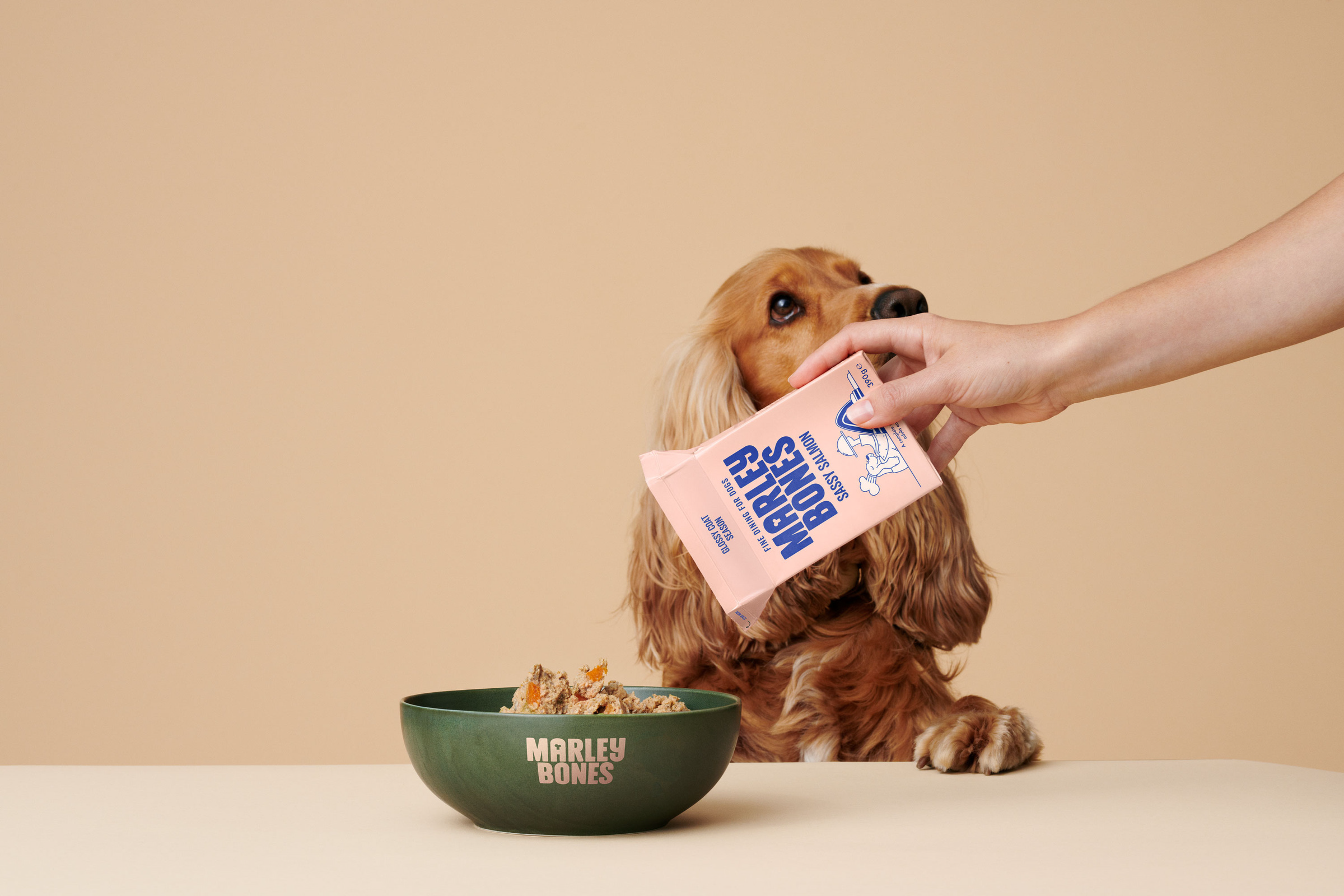
Single-protein meals are the most reliable format for a breed with a reactive immune system. They make it straightforward to identify what the dog tolerates and what it does not, without the guesswork that comes with a multi-protein recipe. Marleybones Sassy Salmon and Lush Lamb are both single-protein, contain chicory root as a natural prebiotic to support gut health, and are built from whole, recognisable ingredients with no fillers - a combination that addresses the skin-gut connection this breed is particularly susceptible to.
How much should I feed a West Highland White Terrier?
Adult Westies typically weigh between 6.5 and 10kg, but body condition is a more reliable guide than the scales. Run your hands along the ribcage - the ribs should be easy to feel without pressing hard, and there should be a visible waist when you look down from above. If neither is true, the daily portion needs reducing.
Feeding guides on packaging are a starting point, not a fixed prescription. Fresh food is more satiating than the equivalent calorie count in dry kibble because its higher moisture content occupies more volume in the stomach - most owners switching from kibble find they can reduce the nominal calorie intake slightly without the dog appearing hungry. Adjust portions based on body condition over six to eight weeks rather than treating the initial suggested amount as fixed, and account for treats - they add up quickly with a breed this food-motivated.
Westies that are carrying excess weight show it in reduced tolerance for exercise and, in some cases, worsened skin symptoms - adipose tissue produces inflammatory cytokines that can amplify immune-mediated skin conditions. Weight management in this breed is not purely about aesthetics.
Every dog is different - build your personalised Marleybones feeding and health plan tailored to your dog's age, size, and health requirements.How do different dog food formats compare for West Highland White Terriers?
| Format | Moisture content | Processing level | Verdict for Westies |
|---|---|---|---|
| Fresh (Pantry Fresh) | 65–75% | Minimal - slow, low-temperature cooking | Best option - whole ingredients, supports skin barrier, single-protein recipes available |
| Raw | 65–75% | None | Works for some - bacterial load a consideration; novel proteins available but preparation required |
| Wet / canned | 75–85% | Moderate | Better than kibble - ingredient quality varies widely; check for artificial additives |
| Cold pressed | Around 12% | Low - below extrusion temperatures | Reasonable middle ground - better than kibble for sensitive Westies if fresh is not accessible |
| Dry kibble | Around 10% | High - high-temperature extrusion | Hardest to digest - most likely to contain additives and fillers that trigger skin reactions |
FAQs
How often should I feed my Westie?
Twice daily is the right approach for adult Westies - morning and evening in roughly equal portions. It is more satiating than a single large meal and better suited to the breed's digestion. Westies are enthusiastic eaters that will finish food quickly regardless of how hungry they are, so structured meal times are more useful than free feeding.
Is grain-free food better for Westies?
Not automatically. Grains are not inherently problematic - the issue is cheap, high-starch grain used in large quantities as a filler in heavily processed food. A Westie reacting to wheat in low-quality kibble may tolerate whole oats or brown rice in a fresh, minimally processed meal without any difficulty. Grain-free foods that replace grain with large quantities of peas or lentils are not automatically easier to digest or better for skin health, and should be assessed on their full ingredient list rather than the grain-free label alone.
My Westie's paws and face are constantly stained - can diet help?
Yes, in many cases. The reddish-brown staining around the paws, muzzle, and eyes in Westies is caused by porphyrins - compounds excreted in saliva and tears - and its severity is closely linked to how reactive the immune system is. A diet that reduces systemic inflammation, eliminates likely food triggers, and provides adequate omega-3 fatty acids to support the skin barrier reduces the immune activity that drives the staining. It does not resolve environmental allergen exposure, but dietary improvement is one of the most practical interventions available without a prescription.
Is Marleybones Pantry Fresh good for Westies?
Yes. Marleybones Pantry Fresh meals are vet-developed, contain no artificial preservatives or fillers, and are available in single-protein recipes that suit a breed with a reactive immune system and a tendency toward dietary skin sensitivity. Sassy Salmon is the strongest choice for Westies, providing EPA and DHA omega-3 fatty acids from whole salmon alongside clean, whole ingredients - addressing both the skin barrier support the breed needs and the ingredient transparency that makes dietary management straightforward. With a 4.9/5 Trustpilot rating and over 2,000,000 meals delivered, it is a practical switch for owners whose Westie is showing any signs of dietary sensitivity.
Should I avoid chicken completely if my Westie has skin issues?
For a Westie with active skin symptoms and a long history of eating chicken, removing it from the diet for at least eight to twelve weeks is a sensible starting point. This is not a permanent restriction - if a proper elimination period shows no improvement, chicken may not be the trigger and can be reintroduced. The goal is to identify whether a specific protein is contributing to the reaction, which requires a clean break rather than a partial reduction.
Do Westies need supplements for their skin?
A Westie eating a fresh, whole-ingredient diet that includes oily fish as a named ingredient does not necessarily need additional omega-3 supplementation - the dietary source is more bioavailable than most capsule supplements. Dogs eating dry kibble, where fats are degraded by high-temperature processing, are more likely to benefit from an addition like an omega oil. If a Westie has persistent skin symptoms despite a dietary switch, a vet can assess whether targeted supplementation is appropriate.
How long before I see improvement in my Westie's skin after changing their food?
Most owners notice changes in stool quality and general comfort within two to four weeks. Meaningful skin improvement - reduced itching, less redness, improved coat condition - typically takes six to twelve weeks, because the skin barrier rebuilds gradually. Porphyrin staining around the paws and face often reduces over the same timeframe. If there is no discernible improvement after twelve weeks on a consistent novel-protein, additive-free diet, a veterinary dermatology referral is the appropriate next step.

Freshly prepared British chicken, veggies & superfoods


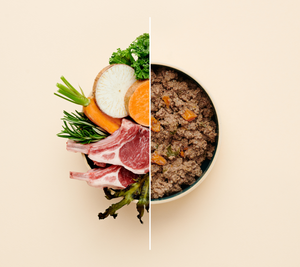 Give your dog the quality nutrition they deserve
Real meat, wholesome veggies and functional superfoods.
Get 30% off: Take the quiz