

 Vet reviewed
What is the best dog food for a Skye Terrier?

At a glance
- Skye Terriers do best on fresh, whole-ingredient food built around a quality protein - the breed's long, flat coat and tendency toward liver sensitivity make ingredient quality and sourcing directly relevant to long-term health.
- Lamb and salmon are the strongest protein choices for Skye Terriers - novel proteins that support coat condition and sit gently on a digestive system that does not respond well to heavily processed food.
- The Skye Terrier's distinctive double coat relies on dietary fat for its texture and waterproofing - omega-3 fatty acids from oily fish are the most practical nutritional support for keeping it in good condition.
- Skye Terriers are a slow-maturing, long-lived breed - portion discipline from an early age protects the skeletal system and supports healthy weight into old age.
- Fresh food with 65-75% moisture content supports digestion and hydration in a breed that does not always drink enough on its own, particularly when transitioning away from dry kibble.
What is the best diet for a Skye Terrier?
Fresh, minimally processed food built around a named protein source is the most appropriate diet for most Skye Terriers. The breed is slow to mature, long-lived, and carries a coat that puts genuine demands on dietary fat quality. Those characteristics, combined with a digestive system that does not handle highly processed food well, make ingredient quality worth getting right from the start rather than as a response to problems.
Heavily processed dry kibble delivers around 10% moisture and subjects every ingredient to high-temperature extrusion that degrades protein structure and removes much of the natural nutritional value. For a breed where coat condition, liver health, and digestive comfort all reflect what is going on dietarily, fresh food cooked at lower temperatures from whole ingredients makes a more meaningful difference than switching between kibble brands.
The practical checklist for a good Skye Terrier food is: a named protein you can read on the label, omega-3 fatty acids for coat and skin support, no artificial preservatives or fillers, and controlled portions to protect the joints and skeleton of a breed that stays puppy-like for longer than most. Marleybones Pantry Fresh meals are vet-developed, slow-cooked from whole ingredients, and contain no artificial additives - well-suited to a breed where the quality of what goes in is visible in coat, digestion, and energy.
Do Skye Terriers have digestive sensitivities?
Skye Terriers are not typically described as a breed with acute digestive problems, but they are sensitive to low-quality ingredients and heavily processed food in ways that show up gradually rather than dramatically. Loose stools, wind, and a dull or flaky coat are the most common early signals that the current diet is not sitting well.
The liver is worth particular attention in this breed. Skye Terriers have a documented susceptibility to liver conditions, and a diet high in artificial additives, synthetic preservatives, and low-quality rendered fats places unnecessary strain on a system that does not have much tolerance to spare. Feeding a clean diet built around whole, identifiable ingredients reduces that load meaningfully. If your Skye Terrier shows signs of digestive upset that persist beyond four weeks of a dietary change, or if you notice yellowing of the eyes or skin, lethargy, or significant weight changes, a vet assessment is the right step before further dietary adjustment.
Compared to dry kibble, fresh food with its higher moisture content and lower processing load is considerably easier on the digestive system and liver alike. The difference is most noticeable when switching a Skye Terrier that has been on dry food for years - digestion often settles noticeably within the first few weeks.
Why does a Skye Terrier's coat reflect what they eat?
The Skye Terrier has one of the most distinctive coats in the terrier group: a long, flat, hard outer coat over a soft, close undercoat. Maintaining both layers in good condition requires adequate dietary fat - specifically omega-3 fatty acids from oily fish that support the skin barrier, reduce inflammation, and give the coat the oils it needs to stay smooth and weatherproof.
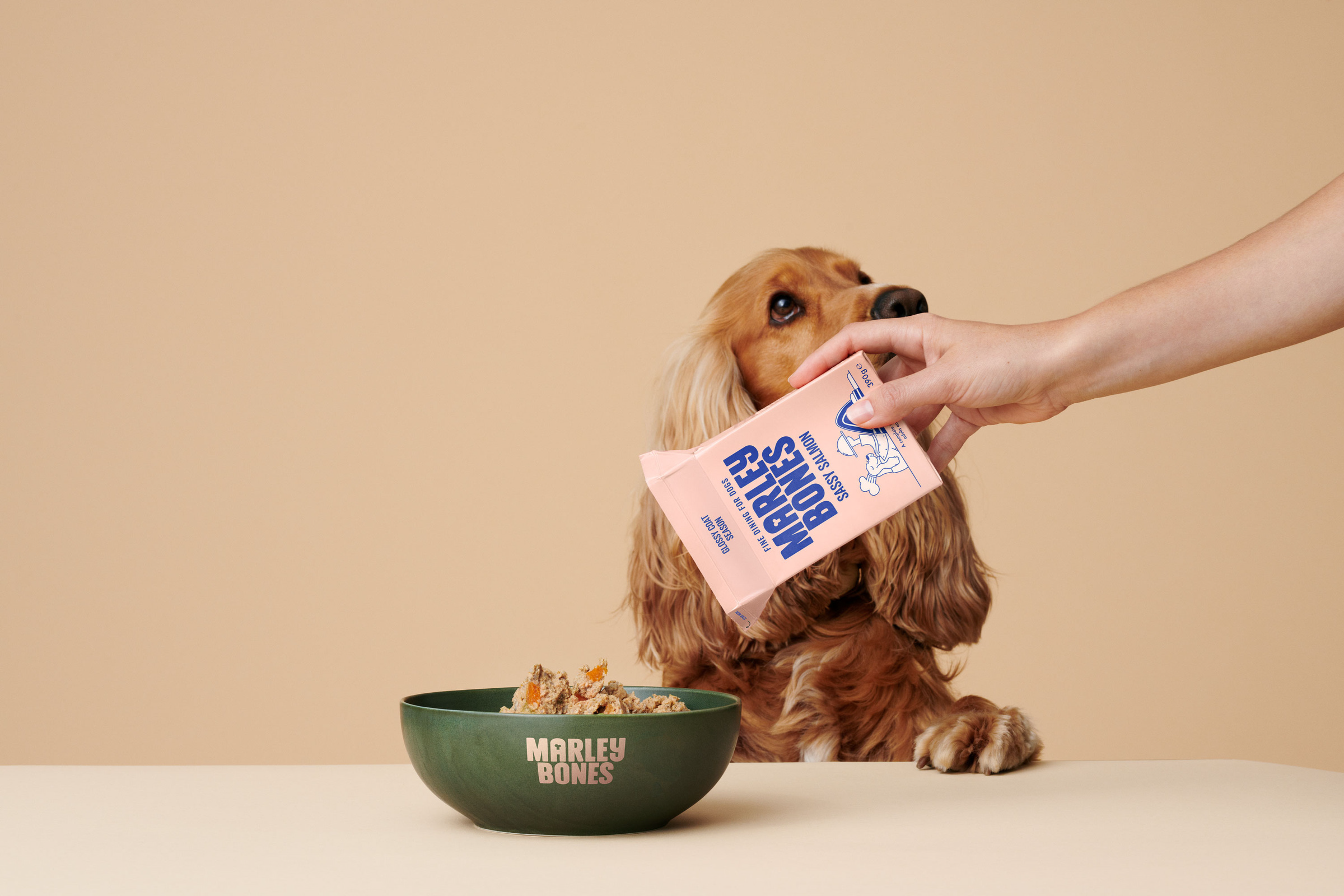
A diet lacking in quality fat sources, or one relying on rendered fat of unspecified origin, leaves the outer coat dry, brittle, and prone to tangling, and the undercoat sparse and dull. Artificial additives and low-quality grain fillers compound the problem by contributing to the low-grade skin inflammation that interrupts the coat growth cycle. Meals built around salmon - like Marleybones Sassy Salmon - provide EPA and DHA omega-3 fatty acids as a natural ingredient rather than a synthetic addition, which makes a more consistent difference to coat quality over time. Most owners switching to a fresh diet notice coat changes within six to eight weeks.

Freshly prepared British beef, veggies & superfoods
What protein is best for a Skye Terrier?
Lamb and salmon are the strongest starting points for most Skye Terriers. Both are lower-allergenicity proteins that sit gently on digestion, and neither places the kind of processing load on the liver that a heavily manufactured chicken meal or beef-based kibble can. Salmon brings the added benefit of natural omega-3 fatty acids directly relevant to coat health, making it the single most nutritionally complete choice for this breed.
Chicken and beef are not inherently problematic, but they are the proteins most Skye Terriers have eaten for the longest period, which increases the chance of a sensitivity developing over time. A dog presenting with recurring digestive upset, coat deterioration, or intermittent itching is more likely to improve on a novel protein than on a different formulation of the same one. Single-protein recipes are the most useful option here - they make it straightforward to identify what the dog tolerates without the guesswork of a multi-protein blend. Marleybones Lush Lamb is a single-protein recipe built around whole ingredients with chicory root as a natural prebiotic, which gives the gut additional support during and after a dietary switch.
How much should I feed a Skye Terrier?
Adult Skye Terriers typically weigh between 16 and 20kg, but the breed's long, low frame and dense coat make visual assessment difficult. Body condition is the most reliable guide: you should be able to feel the ribs without pressing hard, and there should be a discernible waist when viewed from above. If neither is true, the daily portion needs reducing.
The Skye Terrier's slow maturation rate - the breed does not fully mature until around 18 months to two years - means caloric needs shift more gradually than in faster-developing breeds. Feeding guides on packaging are a starting point; adjust portions to body condition over six to eight weeks and factor in treats. Fresh food is more satiating than the equivalent calorie count in dry kibble due to its higher moisture content, and most owners switching from kibble find the dog is satisfied on a lower nominal calorie count without appearing hungry.
Keeping weight in check matters particularly for this breed. Skye Terriers have a long back and short legs, and excess weight puts disproportionate pressure on the spine and joints. Maintaining lean body condition throughout life is one of the most practical things an owner can do for long-term skeletal health.
Every dog is different - build your personalised Marleybones feeding and health plan tailored to your dog's age, size, and health requirements.
How do different dog food formats compare for Skye Terriers?
Fresh dog food is the most digestible and nutritionally complete format for most Skye Terriers, combining whole ingredients with a low processing load. Here is how the main formats compare for this breed specifically.
| Format | Moisture content | Processing level | Verdict for Skye Terriers |
|---|---|---|---|
| Fresh (Pantry Fresh) | 65-75% | Minimal - slow low-temperature cooking | Best option - whole ingredients, supports coat, digestion, and liver health |
| Raw | 65-75% | None | Works for some - bacterial load a consideration, preparation required |
| Wet / canned | 75-85% | Moderate | Better than kibble - ingredient quality varies widely, check the label carefully |
| Cold pressed | Around 12% | Low - below extrusion temperatures | Decent middle ground if fresh is not accessible |
| Dry kibble | Around 10% | High - high-temperature extrusion | Hardest to digest - lowest moisture, least suitable for a breed with liver and coat sensitivities |
FAQs
How often should I feed my Skye Terrier?
Twice daily is the standard for adult Skye Terriers, morning and evening in roughly equal portions. It is more satiating than a single large meal and suits the breed's digestion better. Puppies under six months need three to four smaller meals a day to support the slow, steady growth rate characteristic of the breed.
Is grain-free food better for Skye Terriers?
Not automatically. Grains are not inherently problematic - the issue is the quantity and quality of grain used as a cheap filler in heavily processed food. A Skye Terrier reacting to low-quality wheat in extruded kibble may tolerate whole oats or brown rice in a minimally processed fresh meal without any difficulty. Grain-free foods that replace grain with large quantities of peas or lentils are not automatically easier to digest or more appropriate for this breed.
Why does my Skye Terrier's coat look dull even with regular grooming?
A dull coat despite regular grooming is almost always a dietary signal. The Skye Terrier's outer coat needs quality dietary fat to stay smooth and weatherproof - if the diet lacks a genuine source of omega-3 fatty acids, no amount of grooming compensates. Check the ingredient list on the current food: if fat sources are unspecified or the food relies heavily on synthetic additives, a switch to a fresh diet built around oily fish is the most direct fix. Most owners see a noticeable difference within six to eight weeks.
My Skye Terrier is a slow eater - is that normal?
Yes, Skye Terriers are not typically the most enthusiastic or fast-paced eaters. Some slow eating is entirely normal for the breed. If your dog is losing interest in food over a longer period, losing weight, or leaving meals consistently, it is worth reassessing the food - palatability is significantly higher in fresh food than dry kibble, and a switch often resolves a gradual loss of appetite without any other intervention needed.
Is Marleybones Pantry Fresh good for Skye Terriers?
Yes. Marleybones Pantry Fresh meals are vet-developed, contain no artificial preservatives or fillers, and are available in single-protein recipes suited to a breed where liver health and coat condition both respond directly to ingredient quality. With a 4.9/5 Trustpilot rating and over 2,000,000 meals delivered, Sassy Salmon is the strongest choice for Skye Terriers - providing natural EPA and DHA omega-3 fatty acids from whole salmon alongside clean, identifiable ingredients the digestive system handles easily.
Does diet affect joint health in Skye Terriers?
Skye Terriers have a unique skeletal structure - a long back, short legs, and a slow maturation rate that leaves the joints relatively vulnerable during the growth phase. Excess weight is the most significant dietary risk factor for joint problems in this breed, making portion control from puppyhood genuinely important. Anti-inflammatory omega-3 fatty acids from oily fish also support joint health as the dog ages, making them relevant beyond coat condition alone.
How long before I see a difference after switching my Skye Terrier's food?
Digestion and stool quality typically improve within two to four weeks. Coat condition takes longer - six to eight weeks is a realistic timeframe for visible changes to the outer coat. Weight and energy changes take eight to twelve weeks on a consistent portion to give a reliable picture. If there is no meaningful improvement after four weeks on a consistent diet, the cause is worth discussing with a vet.

Freshly prepared British chicken, veggies & superfoods


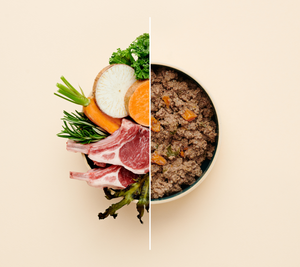 Give your dog the quality nutrition they deserve
Real meat, wholesome veggies and functional superfoods.
Get 30% off: Take the quiz