



 Vet reviewed
What is the best dog food for a Siberian Husky?

Key takeaways
- Prioritise quality animal proteins - chicken, salmon, beef or lamb - to support muscle strength and endurance.
- Balance omega‑3 and omega‑6 fatty acids to keep skin hydrated and the coat in top condition.
- Choose easily digested carbohydrates, such as sweet potato, for steady energy without upsetting the stomach.
- Adjust calorie levels for activity and climate - working or cold‑climate Huskies often need more fuel.
- Include prebiotic‑rich ingredients to support a healthy gut microbiome.

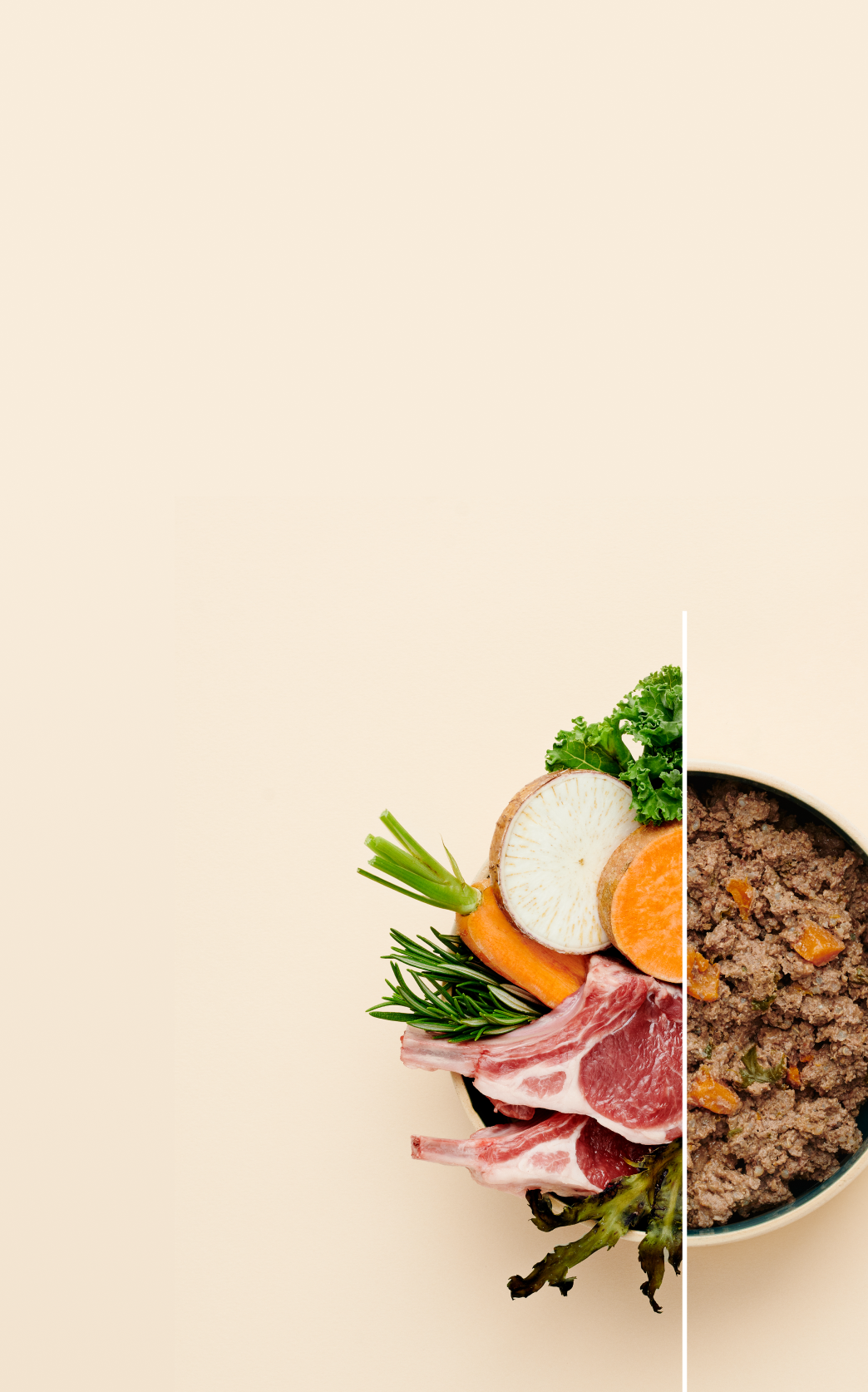
Freshly prepared British beef, veggies & superfoods
What are the key nutritional needs of a Siberian Husky?
Siberian Huskies need high-quality animal protein, moderate fat, omega fatty acids, gentle carbohydrates, and gut-friendly fibre to support their active lives and sensitive digestion.Active breeds like the Siberian Husky thrive on diets centred around high‑quality animal protein - lean chicken, salmon, beef or lamb - to build and maintain muscle and endurance. Moderate, steady fats supply lasting energy and offer joint support during long runs or winter walks.
A Husky's thick coat benefits from the right balance of omega‑3 and omega‑6 fats. Found in salmon, flaxseed, or concentrated omega oils, these nutrients help keep skin hydrated and fur glossy - providing natural protection in colder weather. Huskies also do well on slow‑release carbohydrates such as sweet potato or brown rice, which provide steady energy while being gentle on sensitive digestion.
Digestive health is key - many Huskies have delicate tummies. Prebiotics such as chicory root and yucca, along with soluble fibre, help nourish beneficial gut bacteria and promote smoother digestion.
What factors should owners consider when selecting Husky food?
Owners should consider activity level, climate, digestive sensitivity, life stage, and ingredient quality when choosing food for their Husky.Every Husky is unique, so tailor their diet to suit individual needs. Highly active or working dogs often need more calorie‑dense recipes, while calmer companions do well on moderate portions. Those living in colder climates, or heavy shedders, benefit from balanced fats and omegas to support a thick, insulating undercoat.
Because Huskies can be sensitive, gentle, less‑processed meals often suit them best. Gently slow‑cooked recipes - like Marleybones Pantry Fresh® - preserve nutrients and improve digestibility, making them a great match for sensitive stomachs. When a meal is complete and balanced for all life stages, you can feed the same trusted recipe from puppyhood through to senior years.
- Assess your dog's daily activity and energy needs.
- Choose foods with visible whole ingredients - real meat and vegetables - to know exactly what's inside.
- Ensure formulas address specific needs such as gut sensitivity or coat condition.
For peace of mind, look for brands that are transparent about ingredients and nutritional philosophy. Marleybones Pantry Fresh® meals arrive portioned to your dog's needs, taking the guesswork out of balanced feeding.

Freshly prepared British chicken, veggies & superfoods
How does Marleybones' Pantry Fresh® approach support a Siberian Husky's needs?
Marleybones Pantry Fresh® meals are freshly cooked, shelf-stable, portioned to your Husky's needs, and built around proteins and nutrients that promote coat health and gentle digestion.Pantry Fresh® is Marleybones' method of gently slow‑cooking meals inside their packaging to retain freshness and nutrients - with no artificial preservatives and no need for freezing. Small-batch cooking and a science‑led approach deliver fresh dog food recipes that are both highly digestible and rich in natural flavour and nutritional value from real meat, fish and vegetables.
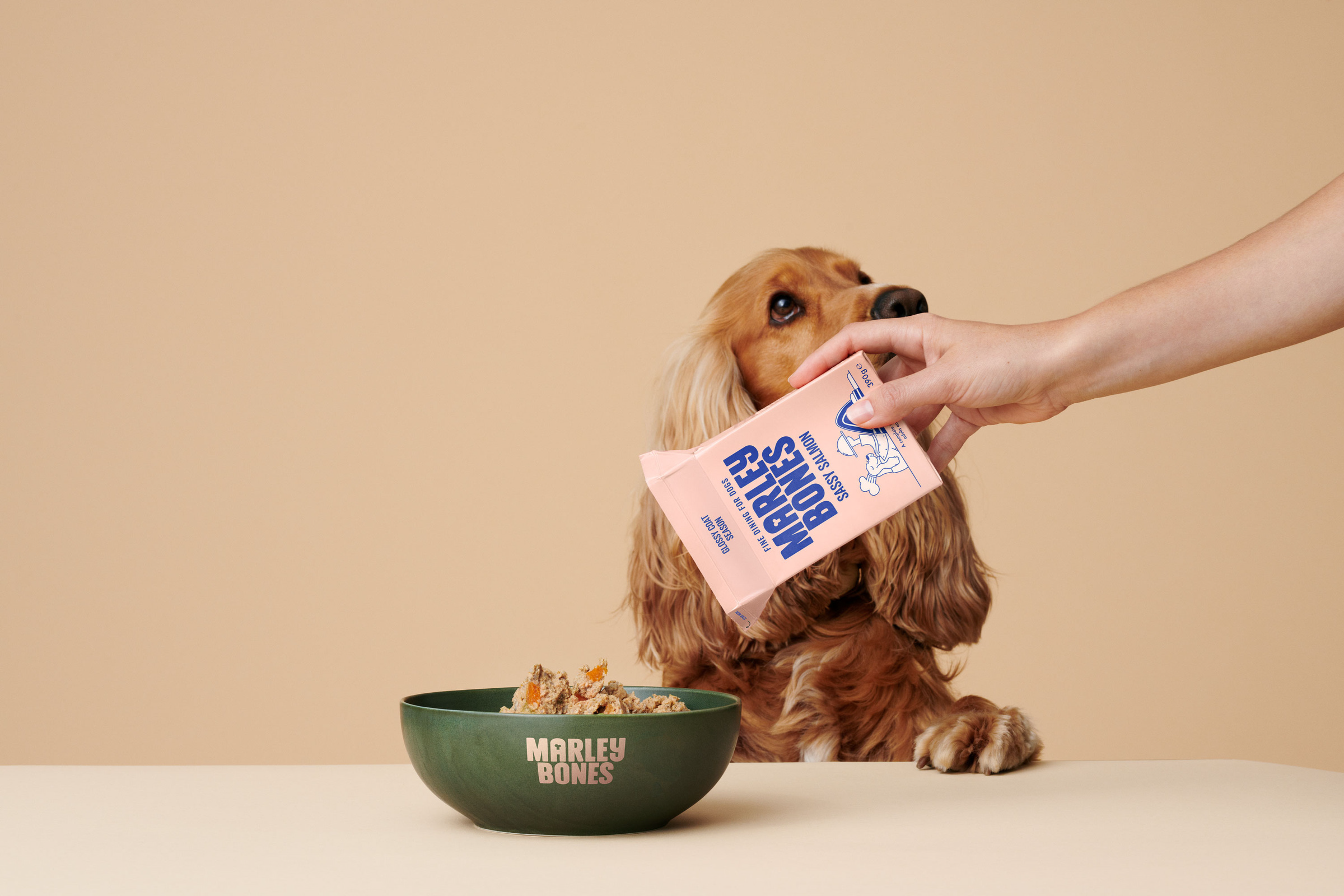
Recipes such as Sassy Salmon, Chic Chicken and Lush Lamb focus on premium protein and essential nutrients to support muscle strength and glossy coats. They provide the amino acids and natural omegas Huskies need. Each recipe is complete for all life stages, simplifying feeding from puppy to senior.
For Huskies needing extra support, Marleybones offers targeted options - the Gut Health Supplement with chicory root and yucca for a balanced gut flora, and pure Omega Oil for a radiant coat and comfortable skin. Take our quiz to discover your dog's personalised meal plan and make sure your Husky's nutritional needs are met year‑round.

“No stinky poos and clean bowls every time”
How can owners support their Husky's long-term health through diet?
Consistent feeding routines, regular exercise, natural treats, and appropriate portions all help maintain a healthy, happy Husky for life.Feeding at consistent times helps balance metabolism, while adjusting portion sizes to suit seasonal activity prevents under‑ or over‑feeding. Regular, Husky‑appropriate exercise keeps them fit and aligns calorie intake with daily needs.
Reward good behaviour with high‑protein, natural treats that complement their main diet. Always provide plenty of fresh water, especially after exercise or on warm days - active Huskies can dehydrate quickly.
- Monitor weight and body condition throughout the year.
- Adjust portions as activity levels or life stage change.
- Consult your vet if you notice digestive issues or unexplained weight changes.
Think of the Marleybones approach: portioned meals, supportive treats, and thoughtfully formulated supplements that work together to keep your Husky vibrant and healthy at every stage of life.
The final woof
Choosing the best dog food for your Siberian Husky means more than filling a bowl - it's about supporting their natural energy and striking coat through balanced, nourishing meals. Diets rich in quality proteins, balanced omegas, and prebiotics help sustain energy and soothe sensitive digestion. By adapting feeding to your dog's activity, age, and environment, you'll notice a visible difference in their coat, vitality, and overall wellbeing. Thoughtful choices today will keep their tail wagging and their spirit strong for years to come.

Freshly prepared British lamb, veggies & superfoods
FAQ
What type of protein is best for Siberian Huskies?
Lean animal proteins - such as chicken, salmon, beef, and lamb - provide the amino acids Huskies need for strong muscles and sustained vitality. Rotating high‑quality protein sources keeps meals appealing and supports balanced nutrition.
How often should I feed my Husky each day?
Most adult Huskies do well with two meals per day. Puppies usually benefit from three smaller portions spaced evenly to keep energy levels steady. Regular mealtimes also help support healthy digestion and appetite control.
Can a Husky eat the same meal throughout all life stages?
Yes - as long as the food is complete and balanced for all life stages, your Husky can enjoy the same recipe from puppyhood through to senior years. All Marleybones Pantry Fresh® meals are nutritionally complete for every stage of life.
How do I tell if my Husky's food is upsetting their stomach?
Look for signs such as loose stools, excess wind, reduced appetite, or discomfort after eating. Gently cooked meals that include prebiotics often help improve gut comfort and consistency.
What are signs that my Husky is getting enough omega fatty acids?
A soft, shiny coat and well‑hydrated skin suggest your Husky is getting sufficient omegas. If their fur appears dull or flaky, or they seem itchy, they may benefit from more omega‑3 and omega‑6 in their diet.
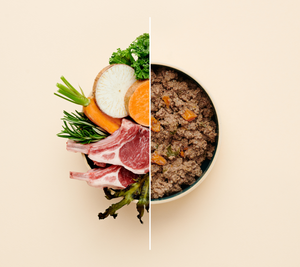 Give your dog the quality nutrition they deserve
Real meat, wholesome veggies and functional superfoods.
Get 30% off: Take the quiz