




 Vet reviewed
What is the best dog food for a Siberian Husky?

At a glance
- Siberian Huskies do best on high-protein, moderate-fat food built around quality animal ingredients - the breed's high activity levels and efficient metabolism mean both the source and balance of macronutrients matter directly.
- Huskies are famously efficient at extracting energy from food, which means overfeeding on calorie-dense kibble leads to weight gain despite the breed's reputation as a working dog that eats very little.
- Zinc-responsive skin and coat issues are common in Huskies - a diet with bioavailable zinc from whole animal ingredients, rather than synthetic supplementation alone, supports coat and skin health more reliably.
- Omega-3 fatty acids from oily fish are one of the most practical dietary supports for the Husky's dense double coat and the breed's tendency toward dry, flaky skin.
- Huskies can be selective eaters - fresh food with higher moisture and aroma is significantly more palatable than dry kibble for a breed that frequently refuses meals.
What is the best diet for a Siberian Husky?
A high-protein, moderate-fat diet built around whole animal ingredients is the most appropriate foundation for most Siberian Huskies. The breed was developed to cover enormous distances on relatively little food, which means the digestive system is geared toward extracting maximum nutrition from quality ingredients - a trait that makes ingredient quality more consequential than total volume.
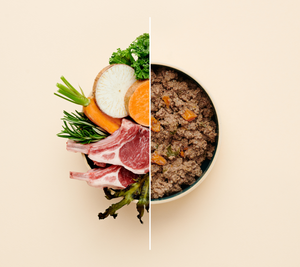
Dry kibble is the most common format fed to Huskies, but it is also the worst match for how the breed actually metabolises food. With around 10% moisture and a high starch load from the extrusion process, standard kibble puts a disproportionate burden on a digestive system built for lean, whole-ingredient food. Fresh food, by contrast, delivers whole ingredients with 65-75% moisture and minimal processing, which the Husky's efficient gut handles more easily and extracts more from.
The practical checklist for a good Husky food is: a named animal protein at the top of the ingredients list, a moderate fat content from quality sources, natural omega-3 fatty acids for coat and skin, no artificial preservatives or cheap grain fillers, and controlled portions to respect the breed's efficient metabolism. Marleybones Pantry Fresh meals are vet-developed, built around whole ingredients, and contain no artificial additives - a practical fit for a breed where the source of nutrition matters as much as the amount.
Do Siberian Huskies have sensitive stomachs?
Digestive sensitivity is less universal in Huskies than in some other breeds, but the breed is prone to specific gut issues that are closely linked to diet. Huskies can develop inflammatory bowel conditions and are more reactive to poor-quality protein sources and artificial additives than their robust working-dog reputation suggests. A diet heavy in rendered meat meals, artificial preservatives, or high-starch grain fillers tends to produce loose stools, excess wind, and intermittent digestive upset in a breed built for cleaner fuel.
The most common dietary mistake with Huskies is overfeeding a calorie-dense processed food and interpreting the resulting digestive symptoms as a stomach problem rather than a food quality problem. Switching from highly processed kibble to a minimally processed fresh diet reduces the starch load and removes the most likely irritants simultaneously. Most owners see an improvement in stool consistency and digestion within two to four weeks of making the change.
If digestive symptoms include blood in stools, significant weight loss, or repeated vomiting, see a vet before adjusting the food. Some conditions need clinical assessment rather than a dietary change alone.
Why do Huskies have skin and coat problems?
A dull coat, excessive shedding beyond normal seasonal blowout, or dry and flaky skin in a Husky is almost always diet-related. The breed is particularly prone to zinc-responsive dermatosis - a condition where the skin and coat deteriorate because the dog cannot absorb sufficient zinc from its food. Heavily processed kibble often contains zinc in poorly bioavailable synthetic forms, which the Husky's gut absorbs inefficiently. Whole animal ingredients naturally deliver zinc in forms the body uses more readily.
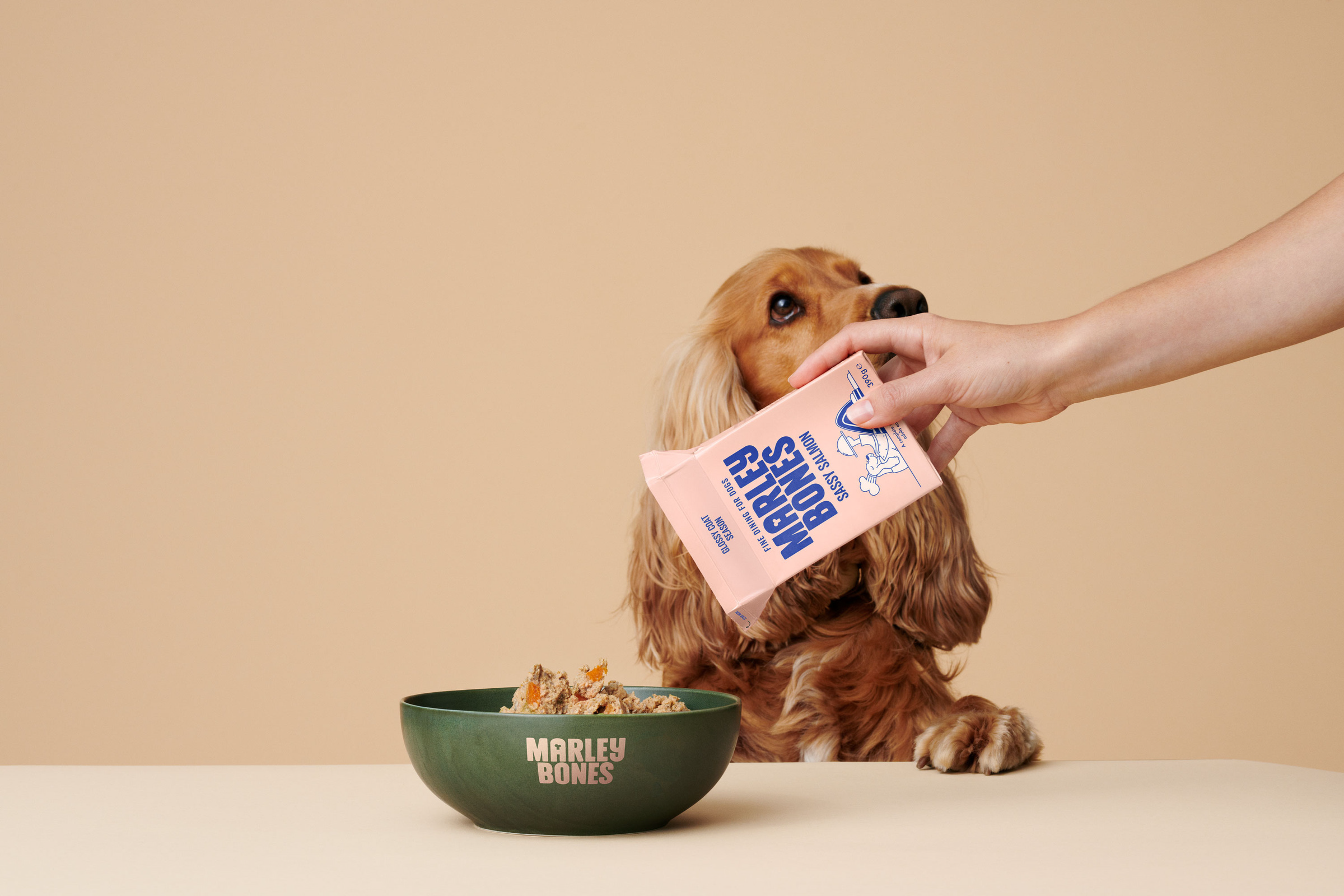
Omega-3 fatty acids are the other critical dietary factor for Husky skin and coat. The breed's dense double coat requires a consistent supply of EPA and DHA to stay hydrated, reduce shedding, and maintain the barrier function of the skin. A diet that includes oily fish as a genuine ingredient - rather than a minor synthetic addition - makes a visible difference to coat condition within six to eight weeks. Meals built around salmon, like Marleybones Sassy Salmon, provide both natural EPA and DHA and a high-quality protein source with none of the artificial additives that drive skin reactions.
If skin symptoms include significant hair loss, open sores, or persistent itching that does not respond to a dietary change within four to six weeks, a vet assessment is the right step. Zinc-responsive dermatosis specifically sometimes requires clinical management alongside dietary improvement.

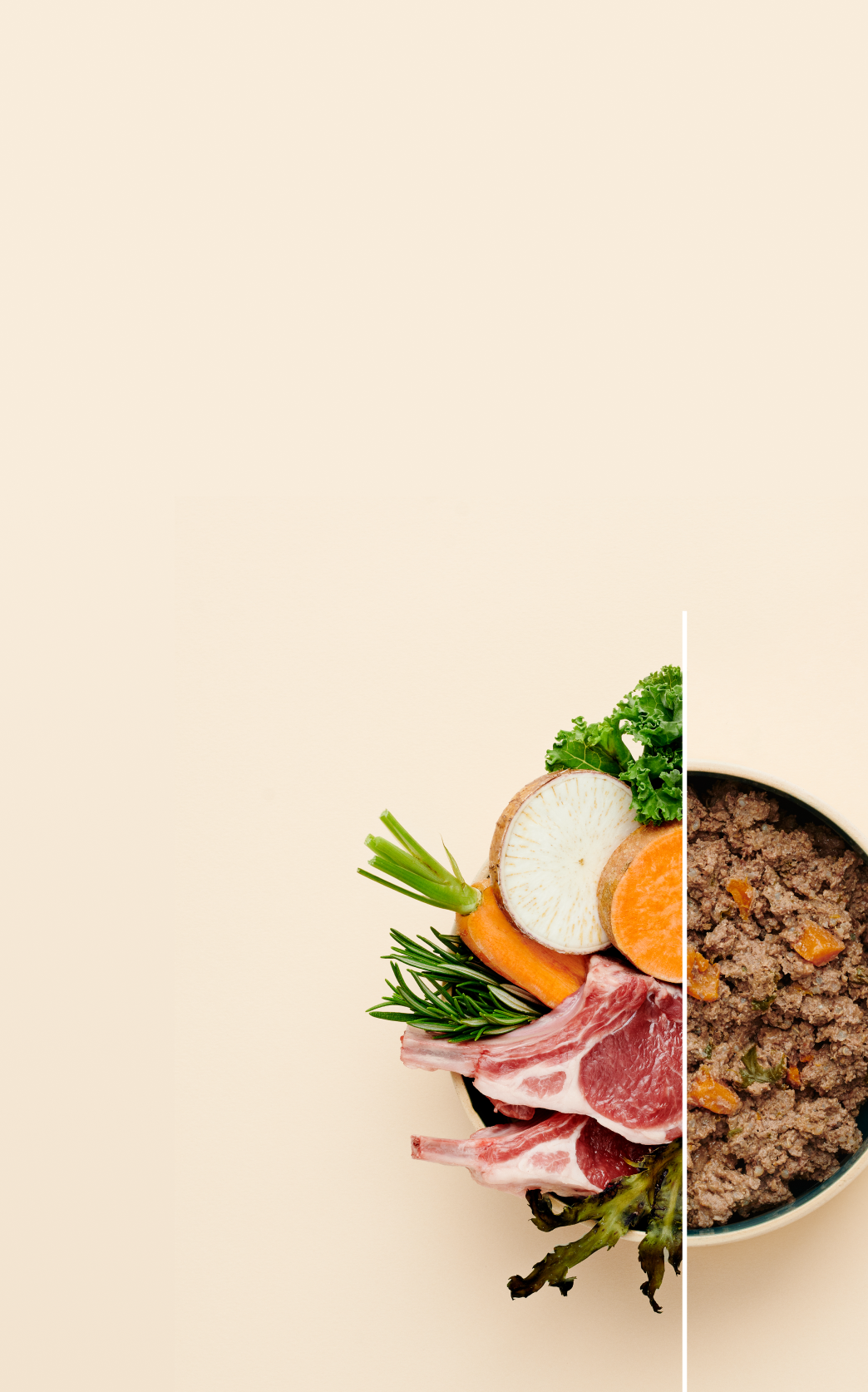
Freshly prepared British beef, veggies & superfoods
What protein is best for a Siberian Husky?
Salmon and lamb are the strongest starting points for Huskies, particularly for dogs with any history of skin issues or those that have eaten chicken or beef-based food for extended periods. The Husky's metabolism favours animal protein over plant protein, so the named protein source should sit clearly at the top of the ingredient list - not partway down after a series of grains or starches.
Salmon earns its place as the top choice for Huskies because it addresses the breed's two most common dietary gaps simultaneously: clean, highly digestible protein and a natural source of omega-3 fatty acids for skin and coat. Lamb is a sound red meat alternative for dogs that need a novel protein or that have already eaten fish regularly - it is less likely to trigger a sensitivity reaction than beef and sits well with dogs that have a more reactive digestive system.
Chicken and beef are not inherently bad choices for Huskies, but they are the proteins most Huskies have eaten longest, which means any sensitivity that exists is most likely to involve one of those two. Single-protein meals make it straightforward to identify what the dog tolerates without the guesswork of a multi-protein recipe. Marleybones Lush Lamb and Sassy Salmon are both single-protein options that contain chicory root as a natural prebiotic - useful for a breed whose gut benefits from that additional layer of support during a protein transition.
How much should I feed a Siberian Husky?
An adult Siberian Husky typically weighs between 16 and 27kg, with females at the lighter end and males toward the top of that range. Body condition is a more reliable guide than body weight alone - you should be able to feel the ribs without pressing, and see a visible waist from above. A Husky in good condition often looks leaner than owners expect, particularly compared to the breed's thick coat, which makes visual assessment less reliable than a hands-on check.
The Husky's efficient metabolism means the daily feeding amount for this breed is lower than most owners anticipate, particularly for less active dogs or those in warmer climates where energy expenditure drops. Fresh food is more satiating than the equivalent calorie count in dry kibble - the higher moisture content occupies more volume in the stomach - so owners switching from kibble often find they can reduce the nominal calorie count without their dog appearing unsatisfied.
Adjust portions to body condition over six to eight weeks, rather than treating the initial suggested amount as fixed. Factor in treats, and account for activity level honestly - a Husky running 20 miles a week has very different requirements to a Husky doing daily lead walks.
Every dog is different - build your personalised Marleybones feeding and health plan tailored to your dog's age, size, and health requirements.How do different dog food formats compare for Siberian Huskies?
| Format | Moisture content | Processing level | Verdict for Siberian Huskies |
|---|---|---|---|
| Fresh (Pantry Fresh) | 65-75% | Minimal - slow low-temperature cooking | Best option - whole ingredients, supports efficient metabolism, skin and coat |
| Raw | 65-75% | None | Works for active Huskies - bacterial load a consideration, preparation required |
| Wet / canned | 75-85% | Moderate | Better than kibble - ingredient quality varies widely, check the label carefully |
| Cold pressed | Around 12% | Low - below extrusion temperatures | Reasonable middle ground if fresh is not accessible - better protein retention than kibble |
| Dry kibble | Around 10% | High - high-temperature extrusion | Poor match for the Husky's metabolism - high starch load, lowest bioavailability |
FAQs
How often should I feed my Siberian Husky?
Twice daily is the standard for adult Huskies, with roughly equal portions morning and evening. Huskies are one of the breeds most likely to self-regulate their food intake, and some healthy adults will skip a meal entirely without any cause for concern. Puppies under six months need three to four smaller meals per day to support growth without overloading a developing digestive system.
Why does my Husky refuse to eat?
Selective eating is a recognised trait in Siberian Huskies - the breed evolved to reduce food intake when energy expenditure drops, which means a Husky that skips a meal in warm weather or on a rest day is often behaving normally. If a dog that usually eats well suddenly refuses food for more than 48 hours, or shows other symptoms, a vet check is the right call. For habitual fussiness, switching to a higher-palatability food - particularly one with more moisture and aroma than dry kibble - resolves the issue for most dogs.
Is grain-free food better for Siberian Huskies?
Not automatically. The issue for Huskies is not grains themselves but the quantity and quality of starch used as a cheap filler in heavily processed food. A Husky reacting to the wheat in low-quality kibble may tolerate whole oats or brown rice in a minimally processed fresh meal without any problem. Grain-free foods that replace grain with large quantities of peas or lentils are not automatically easier to digest and introduce their own nutritional trade-offs worth considering.
Does diet affect the Husky's eyes?
Huskies have a genetic predisposition to certain eye conditions including cataracts and progressive retinal atrophy. Diet cannot prevent conditions that are genetic in origin, but antioxidant-rich whole ingredients support eye health more broadly. Vitamins A and E, lutein, and beta-carotene are the most relevant nutrients and are found naturally in whole vegetables including carrots, sweet potato, and leafy greens. High-temperature processing degrades these compounds significantly, so fresh food with identifiable vegetable ingredients delivers them more reliably than heavily processed alternatives.
Is Marleybones Pantry Fresh good for Siberian Huskies?
Yes. Marleybones Pantry Fresh meals are vet-developed, contain no artificial preservatives or fillers, and are built around whole animal protein - the right nutritional foundation for a breed with an efficient metabolism and specific skin and coat needs. Sassy Salmon is the strongest choice for most Huskies, providing natural EPA and DHA omega-3 fatty acids alongside bioavailable zinc from whole fish. Rated 4.9/5 on Trustpilot and loved by 9 in 10 fussy dogs, it is one of the most practical dietary changes an owner can make for a breed where coat condition and food quality are directly connected.
How long before I see a difference after switching my Husky's food?
Stool consistency and digestion typically improve within two to four weeks of switching to a fresh, whole-ingredient diet. Coat condition - including reduced shedding outside of seasonal blowout, and improved texture - takes longer, with most owners noticing a clear difference at six to eight weeks. Weight and body condition changes take eight to twelve weeks to assess reliably, particularly given the Husky's naturally variable appetite.
Should I feed my Husky more when they are working or very active?
Yes, but the adjustment is smaller than most owners expect. The Husky's metabolism is exceptionally efficient at converting food into energy, so the caloric increase needed for high activity is proportionally lower than it would be for a less efficient breed. Increase portions gradually and monitor body condition rather than applying a fixed uplift - a hands-on rib check every two weeks gives a more accurate picture than weight alone during periods of variable activity.

Freshly prepared British chicken, veggies & superfoods


 Give your dog the quality nutrition they deserve
Real meat, wholesome veggies and functional superfoods.
Get 30% off: Take the quiz