

 Vet reviewed
What is the best dog food for a Shetland Sheepdog?

At a glance
- Shetland Sheepdogs do best on fresh, whole-ingredient food built around a quality protein - the breed's combination of a dense double coat, active working intelligence, and predisposition to digestive sensitivity makes ingredient quality the most important factor in their diet.
- The Sheltie's double coat depends on dietary fat for condition and density - omega-3 fatty acids from oily fish are the single most effective nutritional support for the breed's signature coat.
- Chicken and beef are the proteins Shelties are most commonly fed and most likely to have developed a sensitivity to - lamb and salmon are stronger starting points for dogs showing recurring digestive or skin issues.
- Shelties are a smaller breed that gain weight easily when portions are not managed - body condition scoring matters more than breed weight averages for this dog.
- The breed's moderate-to-high activity level means energy requirements vary considerably between a working Sheltie and a companion dog - portion guidance should reflect actual daily activity, not just bodyweight.
What is the best diet for a Shetland Sheepdog?
Fresh dog food built around a high-quality single protein, with natural sources of omega-3 fatty acids and no artificial additives, is the most appropriate diet for most Shetland Sheepdogs. The breed is intelligent, moderately active, and carries a dense double coat that reflects nutritional status directly - a diet built on whole, recognisable ingredients supports all of that more reliably than heavily processed alternatives.
Dry kibble contains around 10% moisture and is produced at high temperatures that degrade protein quality and strip out the natural fats a Sheltie's coat depends on. Fresh food with 65-75% moisture content is easier to digest, better absorbed, and delivers nutrients in a form the body can actually use - which matters for a breed where coat condition, digestion, and weight management all benefit from dietary precision.
The practical checklist for a good Sheltie diet is: a named protein source clearly listed on the label, natural omega-3s for coat and skin, no artificial preservatives or cheap fillers, and portions calibrated to the individual dog's activity level. Marleybones Pantry Fresh meals are vet-developed recipes slow-cooked from whole ingredients with no artificial additives - a format that suits the Sheltie's specific needs for digestibility, coat support, and clean nutrition.
Does diet affect the Shetland Sheepdog's coat?
Directly and visibly. The Sheltie's double coat - a dense, insulating undercoat beneath a longer, harsher outer coat - needs consistent dietary fat to stay thick, glossy, and manageable. When fat quality or quantity in the diet falls short, the coat becomes dry, the outer layer loses its sheen, and shedding increases beyond the breed's already significant baseline.
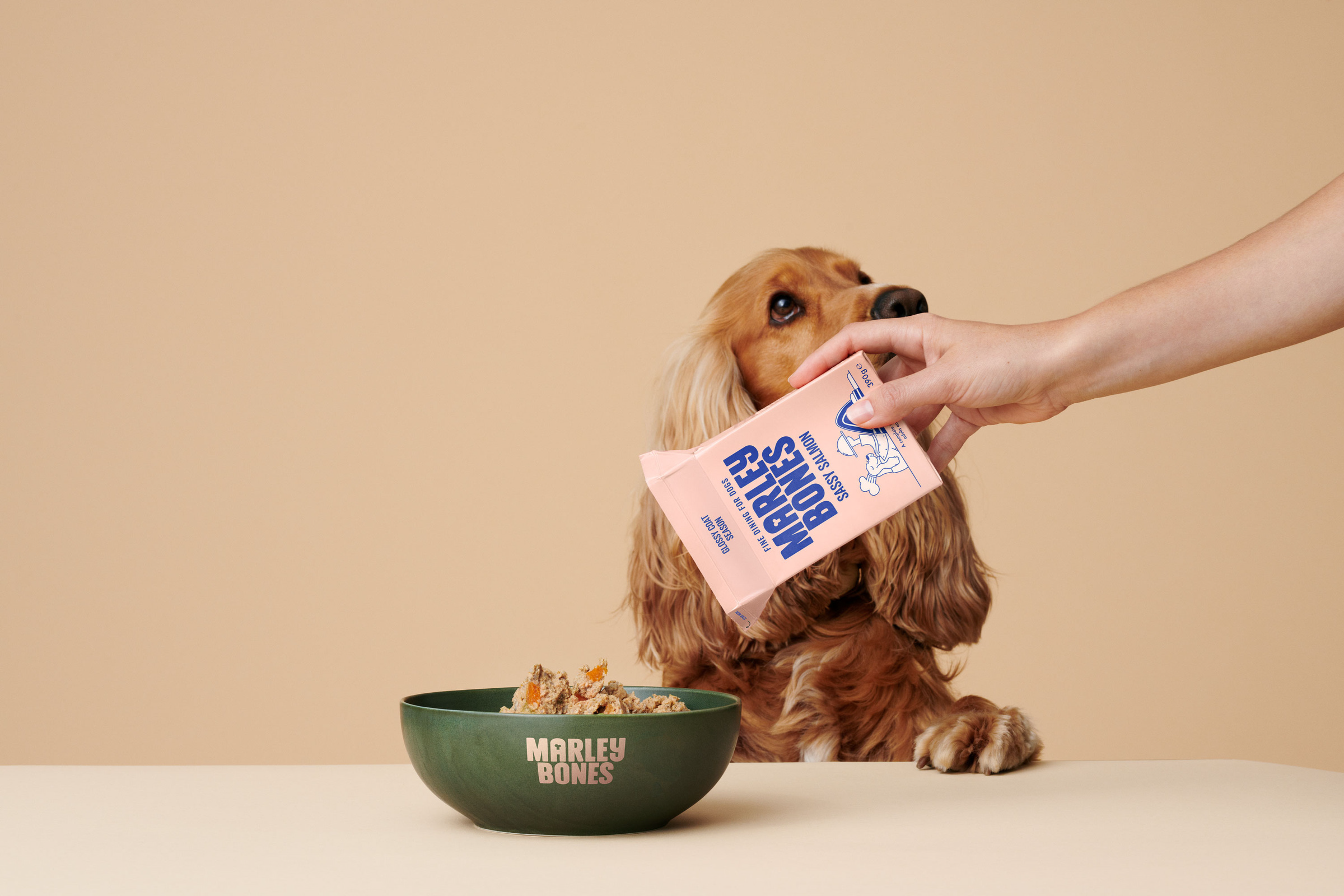
Omega-3 fatty acids, particularly EPA and DHA from oily fish, are the most effective nutritional support for coat density and skin health in this breed. They reduce the low-level skin inflammation that drives excessive shedding, support the skin barrier, and give the coat the oils it needs to stay hydrated. A diet that includes oily fish as a whole ingredient rather than a synthetic additive bolted onto a poor-quality base delivers more consistent results - meals built around salmon, like Marleybones Sassy Salmon, provide EPA and DHA alongside clean, whole ingredients with no artificial additives.
Coat condition is one of the earliest visible signals that a Sheltie's diet needs attention. Dullness, increased shedding outside of seasonal moults, or a dry, rough outer coat that persists despite regular grooming are all worth addressing at the food bowl before anywhere else.
Do Shetland Sheepdogs have sensitive stomachs?
A meaningful number do, and the cause is usually the diet rather than an inherent fragility in the breed. Shelties fed the same chicken or beef-based food over an extended period are at higher risk of developing a sensitivity to those proteins - the immune system mounts a response to a protein it recognises, not one that is inherently difficult to digest. Switching protein source tends to resolve this more effectively than switching between brands of the same protein.
High-temperature extrusion, the process used to produce dry kibble, denatures proteins and reduces digestibility, which places a greater processing load on the gut. For a breed with a tendency toward loose stools or intermittent digestive upset, reducing that load by switching to a fresh, minimally processed diet removes one of the most common dietary contributors to the problem. Many Shelties improve within two to four weeks of the switch.
If digestive symptoms include blood in stools, repeated vomiting, significant weight loss, or do not improve after four weeks on a consistent fresh diet, seek a veterinary assessment rather than continuing to adjust the food alone.

Freshly prepared British beef, veggies & superfoods
What protein is best for a Shetland Sheepdog?
Salmon and lamb are the strongest starting points for most Shelties, particularly those with any history of digestive sensitivity or skin issues, or those currently eating chicken or beef. A protein the dog has not eaten regularly is far less likely to trigger a sensitivity reaction, because no immune response has had time to build.
Salmon is the most complete choice for the breed specifically - it delivers clean, highly digestible protein alongside natural EPA and DHA omega-3 fatty acids that directly address the coat and skin issues Shelties are prone to. Lamb is a strong alternative for dogs that need a red meat option or have already eaten fish - it is lower allergenicity than beef and generally well-tolerated by dogs with reactive digestion.
Single-protein meals are the most reliable option for any Sheltie with a history of sensitivity, removing the guesswork of identifying which ingredient in a multi-protein recipe is causing the problem. Marleybones Lush Lamb is a single-protein recipe built around whole ingredients with chicory root as a natural prebiotic, which provides additional gut support during a protein transition and beyond.
How much should I feed a Shetland Sheepdog?
Adult Shelties typically weigh between 6 and 12kg, but the range reflects real variation in the breed - a compact, lightly built bitch and a larger, heavier-coated male have meaningfully different calorie requirements. Body condition is the right guide: ribs should be easy to feel without pressing, and a waist should be visible from above. If neither applies, the daily portion needs reducing.
Feeding guides on packaging are a starting point. Shelties vary considerably in activity level - a dog regularly worked in agility or herding burns significantly more than a companion dog with two moderate walks a day - and that difference needs to be reflected in the daily portion. Fresh food's higher moisture content means it is more satiating than the equivalent calorie count in dry kibble, so most owners transitioning from kibble find the portion feels smaller without the dog appearing hungry. Adjust to body condition over six to eight weeks and account for treats in the daily total - Shelties are highly food-motivated and treats add up.
Every dog is different - build your personalised Marleybones feeding and health plan tailored to your dog's age, size, and health requirements.
How do different dog food formats compare for Shetland Sheepdogs?
| Format | Moisture content | Processing level | Verdict for Shetland Sheepdogs |
|---|---|---|---|
| Fresh (Pantry Fresh) | 65-75% | Minimal - slow low-temperature cooking | Best option - whole ingredients support coat condition, digestion, and weight management |
| Raw | 65-75% | None | Works for some - bacterial load a consideration, preparation required |
| Wet / canned | 75-85% | Moderate | Better than kibble - ingredient quality varies widely, check the label carefully |
| Cold pressed | Around 12% | Low - below extrusion temperatures | Decent middle ground if fresh is not accessible - better digestibility than standard kibble |
| Dry kibble | Around 10% | High - high-temperature extrusion | Hardest to digest - lowest moisture, worst format for coat condition and sensitive Shelties |
FAQs
How often should I feed a Shetland Sheepdog?
Twice daily is the standard for adult Shelties - morning and evening in roughly equal portions. It suits the breed's digestion better than a single large meal and keeps energy levels more stable across the day. Puppies under six months need three to four smaller meals a day to support their growth rate.
Why does my Sheltie shed so much - can diet help?
Shetland Sheepdogs shed heavily, and seasonal moults are a fact of life with the breed. Diet does not change the biology of the double coat, but it does affect the volume of shedding outside of those seasonal cycles. A diet lacking in quality fats and omega-3 fatty acids produces a drier, weaker coat that sheds more consistently year-round. Switching to a diet with natural sources of EPA and DHA - oily fish in particular - reduces this background shedding noticeably within six to eight weeks.
Is grain-free food better for Shelties?
Not automatically. Grains are not inherently problematic for Shetland Sheepdogs - the issue is usually the quantity and quality of grain used as a cheap bulking agent in heavily processed food. A Sheltie reacting to wheat in low-quality kibble may tolerate whole oats or brown rice in a fresh, minimally processed meal without any issue. Grain-free foods that replace grain with large quantities of peas or lentils are not automatically better, and carry their own nutritional considerations.
Do Shetland Sheepdogs need a special diet for joint health?
Shelties are not among the highest-risk breeds for joint disease, but any dog carrying excess weight places more load on their joints over time - and the Sheltie's tendency toward weight gain in middle age makes this worth managing through diet. Keeping body condition lean is the single most practical dietary contribution to long-term joint health. For older dogs or those with confirmed joint issues, a diet with natural anti-inflammatory support from omega-3 fatty acids is a sensible addition, and targeted joint supplementation is worth discussing with your vet.
My Sheltie is fussy - will they eat fresh food?
Almost certainly. Fresh food is significantly more palatable than dry kibble - the aroma, moisture, and texture make it far more appealing to dogs that have become selective about their bowl. Shelties that refuse multiple kibble brands regularly take to fresh food immediately. Transition gradually over seven to ten days to avoid digestive upset from the change, even if your dog is keen to eat the new food straight away.
Is Marleybones Pantry Fresh good for Shetland Sheepdogs?
Yes. Marleybones Pantry Fresh meals are vet-developed, built from whole ingredients, and contain no artificial preservatives or fillers - with a 4.9/5 Trustpilot rating and over 2,000,000 meals delivered, they are trusted by owners across the UK. Sassy Salmon is the strongest choice for Shelties, providing natural EPA and DHA omega-3 fatty acids alongside clean, digestible protein that directly supports the breed's coat condition and gut health. Lush Lamb is the recommended alternative for dogs that need a novel red meat protein or have already eaten fish regularly.
How long before I notice a difference after changing my Sheltie's food?
Digestive changes - firmer stools, less wind, more settled gut - are usually visible within two to four weeks. Coat condition takes longer because the hair growth cycle means improvements show gradually: most owners see a meaningful change in sheen and shedding volume between six and ten weeks. If there is no improvement after four weeks on a consistent diet, a veterinary assessment is the right next step rather than continuing to change the food.

Freshly prepared British chicken, veggies & superfoods


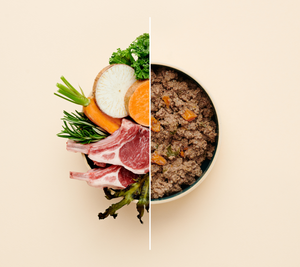 Give your dog the quality nutrition they deserve
Real meat, wholesome veggies and functional superfoods.
Get 30% off: Take the quiz