


 Vet reviewed
What’s the best dog food for a Pumi?

At a glance
- Pumik do best on fresh, whole-ingredient food built around a quality protein - the breed's high energy output and active herding background mean calorie density and nutrient bioavailability need to keep pace with their demands.
- Joint and muscle health are priorities for a working breed with this level of physical drive - omega-3 fatty acids and quality animal protein are the most practical dietary supports.
- Pumik are lean dogs by nature, but their enthusiasm and food motivation make portion discipline important - weight creep becomes a problem quickly in less active or older dogs.
- Digestive sensitivity appears in the breed with enough regularity that protein rotation and ingredient simplicity are worth building in from the start.
- Coat texture in the Pumi - the distinctive curly, corded look - reflects dietary fat quality directly, with named animal fats and omega-3s from oily fish making a visible difference.
What is the best diet for a Pumi?
Fresh dog food built around a high-quality animal protein, with minimal processing and no artificial fillers, is the most appropriate diet for most Pumik. The breed is athletic, energetic, and historically bred for demanding herding work - which means their nutritional needs centre on bioavailable protein for muscle maintenance, quality fat for sustained energy, and ingredients the digestive system can actually use rather than work around.
The case for fresh food is straightforward for an active breed like this. Heavily processed dry kibble delivers far less nutritional value per gram than the ingredient list suggests - high-temperature extrusion degrades protein structure, depletes naturally occurring vitamins, and leaves a product at around 10% moisture, making it a poor match for dogs that need efficient nutrient delivery. Fresh food, slow-cooked at lower temperatures, retains more of the protein's natural structure and sits at 65-75% moisture, which supports digestion and hydration in a breed that runs hard.
The practical checklist for a good Pumi food is: a named animal protein you can read on the label, quality fat from an identifiable source, omega-3 fatty acids for joint and coat support, no artificial preservatives or fillers, and controlled portions to keep that lean physique where it should be. Marleybones Pantry Fresh meals are vet-developed recipes built around whole, recognisable ingredients - no artificial additives, superfoods in every recipe, and well-suited to a breed where performance and recovery both depend on getting the basics right.
Do Pumik have sensitive stomachs?
Digestive sensitivity is not universal in the breed, but it appears often enough to be worth planning around. Pumik fed the same chicken or beef-based food for extended periods develop a higher chance of reacting to those proteins over time - when loose stools, wind, or intermittent digestive upset appear, the protein source is usually the first variable worth changing rather than the brand.
Fresh food handles this better than most alternatives. Slow cooking at lower temperatures preserves protein structure in a form the gut processes more efficiently than the denatured proteins in high-temperature extruded kibble. Chicory root, included as a natural prebiotic in Marleybones recipes, feeds the beneficial bacteria that keep digestion stable - particularly useful during any period of dietary transition or stress in an active dog.
If digestive symptoms persist beyond four weeks of a clean dietary switch, or include blood in stools, significant weight loss, or repeated vomiting, get a vet assessment before continuing to adjust the food.
What protein is best for a Pumi?
Lamb and salmon are the strongest starting points for most Pumik, particularly those with any history of digestive sensitivity or those currently eating chicken or beef. Proteins a dog has not eaten regularly are less likely to cause a reaction, and rotating protein sources across the dog's life reduces the chance of sensitivities developing at all.
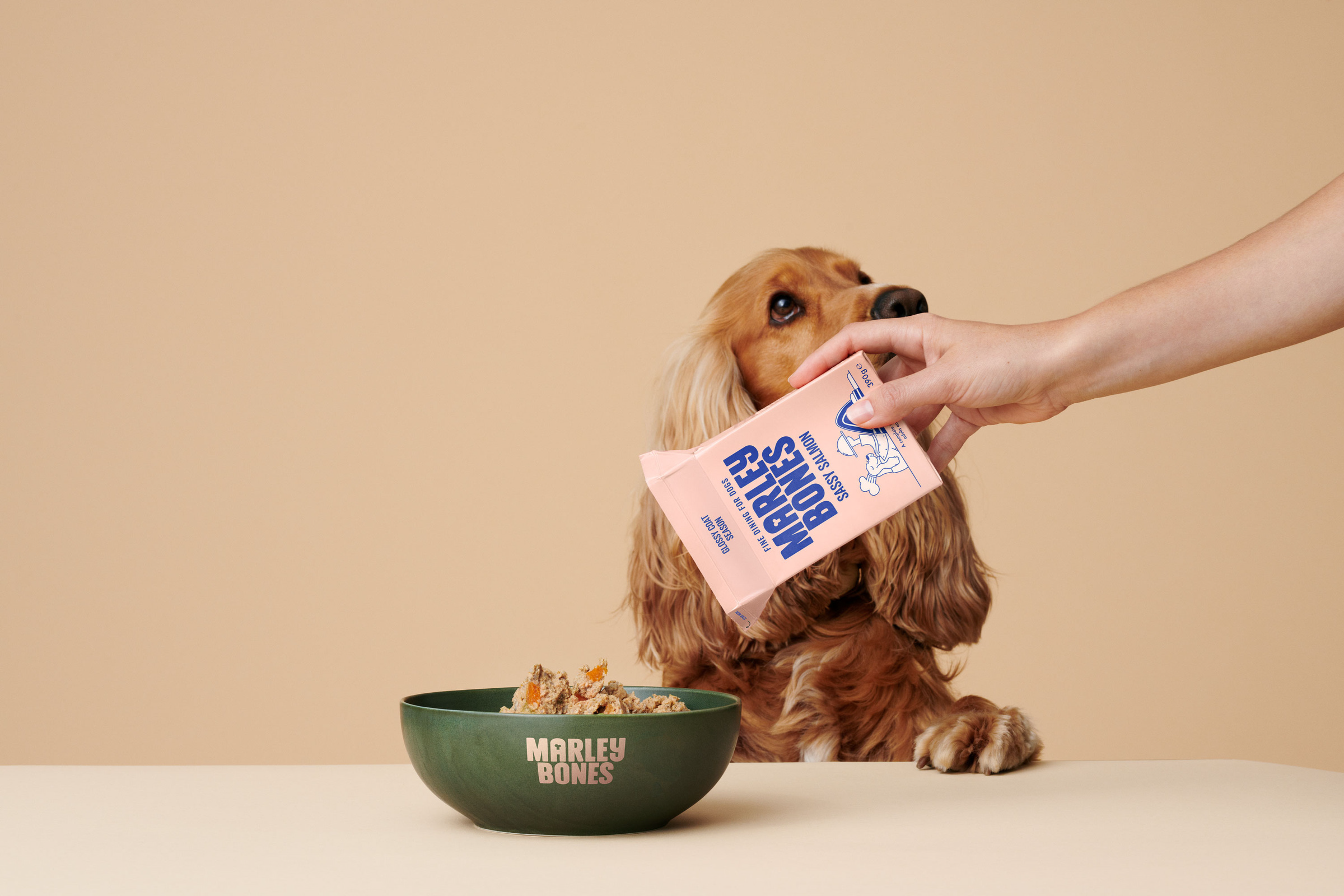
Salmon is the most complete choice for this breed in nutritional terms - it delivers clean, digestible protein alongside EPA and DHA omega-3 fatty acids that directly support the joint health and coat condition the Pumi needs. For a breed with this level of physical activity, the anti-inflammatory action of omega-3s is practically relevant rather than a bonus. Marleybones Sassy Salmon is built around whole salmon with no artificial additives, providing that fatty acid profile from a named, whole ingredient rather than a synthetic supplement.
Lamb is the stronger option for dogs that have already eaten fish regularly or need a red meat alternative - it is lower allergenicity than beef, sits well with reactive guts, and provides the iron and zinc an active herding breed draws on. Single-protein meals keep identification of tolerances straightforward and remove the guesswork of multi-protein recipes.

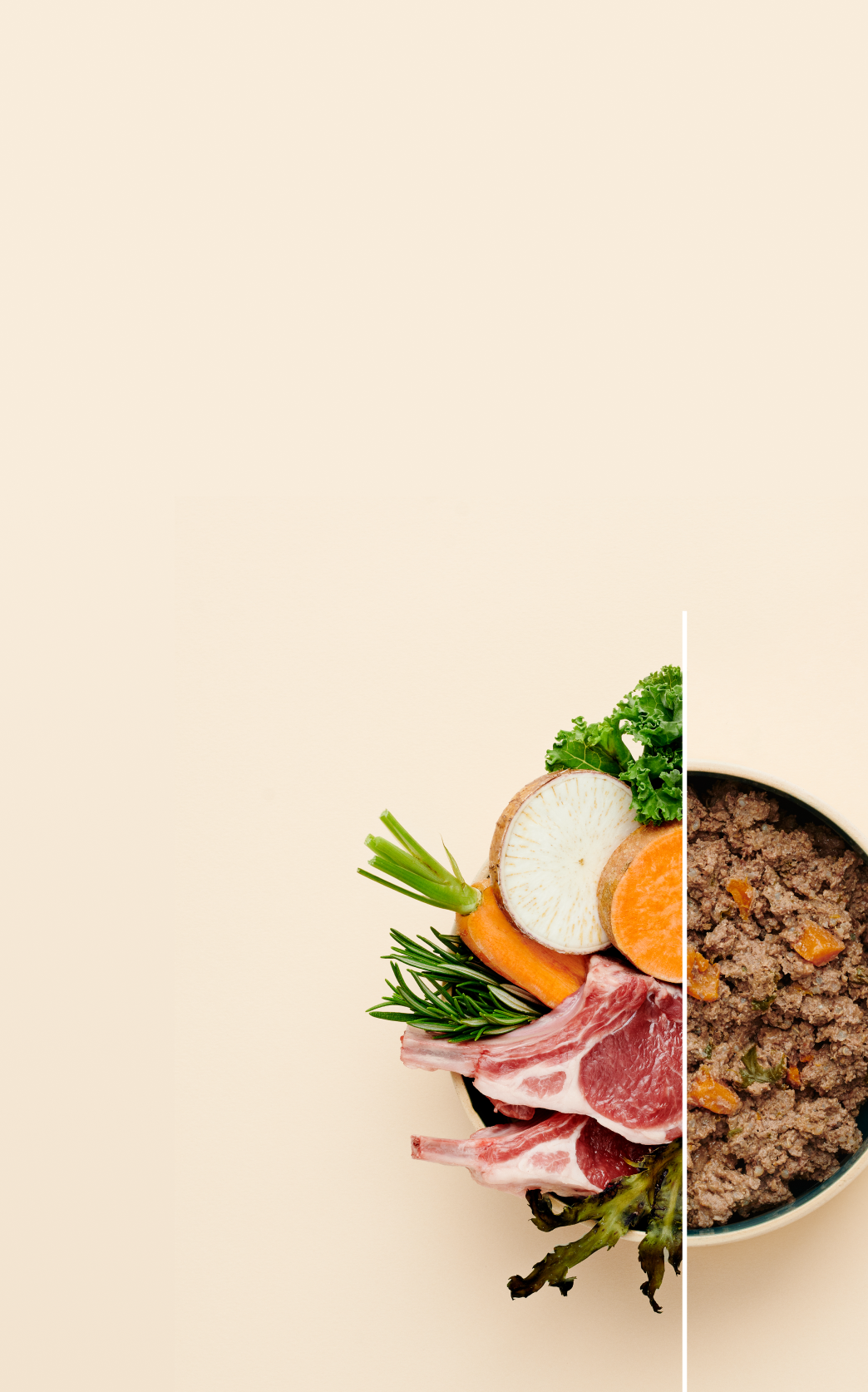
Freshly prepared British beef, veggies & superfoods
How much should I feed a Pumi?
Adult Pumik typically weigh between 8 and 13kg, but body condition is a more reliable guide than the scales alone. The ribs should be easy to feel without pressing hard, and a waist should be visible when looking down from above. A Pumi in regular herding work or agility training burns more than one doing weekend walks - the same dog needs genuinely different portions depending on their activity level across the week.
Feeding guides are a starting point rather than a fixed prescription. Fresh food is more satiating than the equivalent calorie count in dry kibble, because the higher moisture content occupies more volume in the stomach - most owners transitioning from kibble find they can adjust the nominal calorie count downward without the dog appearing hungry. Adjust portions to body condition over six to eight weeks, and factor in training treats - a food-motivated working breed goes through them quickly, and they add up.
Does a Pumi's coat condition reflect what they eat?
Directly, yes. The Pumi's distinctive corded, curly coat needs dietary fat to stay textured, hydrated, and healthy - and the source of that fat matters as much as the quantity. Named animal fats from identifiable ingredients and omega-3 fatty acids from oily fish are well-used by the body. Diets built around rendered fat of unspecified origin, or with minimal quality fat overall, leave the coat dry and the cords losing definition.
Coat improvement is one of the most consistent things owners notice after moving to a fresh diet, typically within six to eight weeks. If the coat looks dull or feels dry despite regular grooming, the ingredient list on the current food is the first place to look. Diet is the most controllable variable in skin and coat health, and the connection is direct enough in this breed that it is worth treating it as a priority rather than an afterthought.
Every dog is different - build your personalised Marleybones feeding and health plan tailored to your dog's age, size, and health requirements.
How do different dog food formats compare for Pumik?
| Format | Moisture content | Processing level | Verdict for Pumik |
|---|---|---|---|
| Fresh (Pantry Fresh) | 65-75% | Minimal - slow low-temperature cooking | Best option - whole ingredients, supports joint health, coat condition, and digestion in an active breed |
| Raw | 65-75% | None | Works for some - bacterial load a consideration, preparation time required |
| Wet / canned | 75-85% | Moderate | Better than kibble - ingredient quality varies widely, check the label carefully |
| Cold pressed | Around 12% | Low - below extrusion temperatures | Decent middle ground for owners where fresh is not accessible |
| Dry kibble | Around 10% | High - high-temperature extrusion | Hardest to digest - low moisture and degraded proteins are a poor match for a breed with high nutritional demands |
FAQs
How often should I feed my Pumi?
Twice daily is the standard for adult Pumik - morning and evening in roughly equal portions. It suits their digestion better than a single large meal and keeps energy more consistent across the day, which matters for an active breed. Puppies under six months need three to four smaller meals a day.
Are Pumik prone to weight gain?
Not inherently - the breed runs lean when exercised appropriately. The risk rises as dogs age or become less active, and with food-motivated individuals who receive frequent treats on top of their main meals. Body condition should be checked regularly rather than relying on weight alone, and portions adjusted to match actual activity levels across the week rather than a fixed number.
Is grain-free food better for Pumik?
Not automatically. The issue is rarely grain itself - it is the volume and quality of grain used as a cheap filler in heavily processed food. A Pumi reacting to wheat in low-quality kibble may tolerate whole oats or brown rice in a fresh, minimally processed meal without any problem. Grain-free foods that substitute grain with large quantities of peas or lentils introduce their own considerations and are not automatically more digestible or nutritionally appropriate for the breed.
My Pumi is very active - do they need more protein?
Active Pumik benefit from a diet with a strong, bioavailable protein base rather than simply a higher percentage of poor-quality protein. Quality matters more than headline figures - protein from whole named ingredients like salmon or lamb is used by the body for muscle maintenance and recovery far more efficiently than protein from rendered or highly processed sources. For dogs in regular herding, agility, or intensive exercise, this distinction is practically meaningful.
Is Marleybones Pantry Fresh good for Pumik?
Yes. Marleybones Pantry Fresh meals are vet-developed, contain no artificial preservatives or fillers, and are available in single-protein recipes well-suited to a breed with active nutritional demands and a tendency toward digestive sensitivity. Sassy Salmon is particularly strong for Pumik, providing whole-ingredient protein alongside natural EPA and DHA for joint and coat support. With a 4.9/5 Trustpilot rating and over 2,000,000 meals delivered, it is a practical, well-evidenced choice for owners who want to match the food to the breed's genuine needs.
How do I transition my Pumi to a new food?
Gradually, over seven to ten days - start with around 25% new food alongside the existing diet and increase the proportion every two to three days. Active dogs sometimes tolerate transitions faster, but the digestive system still needs time to adjust to a new protein and ingredient profile. If loose stools appear during the transition, slow the pace rather than reverting entirely.
Does diet affect joint health in Pumik?
Diet supports joint health rather than preventing conditions outright, but the support is meaningful in an active working breed. Omega-3 fatty acids - particularly EPA and DHA from oily fish - reduce systemic inflammation and are the most evidence-backed dietary input for joint comfort. A fresh diet built around salmon delivers these from a whole ingredient rather than a supplement bolted onto an otherwise processed food, which is the more reliable way to get consistent intake into an active dog's diet.

Freshly prepared British chicken, veggies & superfoods


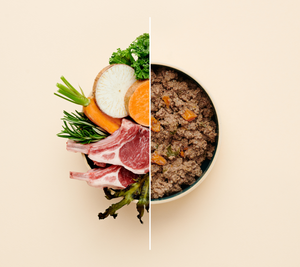 Give your dog the quality nutrition they deserve
Real meat, wholesome veggies and functional superfoods.
Get 30% off: Take the quiz