





 Vet reviewed
What’s the best dog food for Portuguese Water Dogs?

At a glance
- Portuguese Water Dogs do best on fresh, whole-ingredient food built around a quality protein - the breed's high activity level and dense, waterproof coat place real demands on dietary fat quality and protein content that a minimally processed diet meets most reliably.
- Fish-based proteins are a natural fit for Portuguese Water Dogs - salmon in particular provides the omega-3 fatty acids EPA and DHA that directly support the breed's distinctive curly or wavy coat.
- The breed carries a higher-than-average risk of dilated cardiomyopathy, making dietary quality and a balanced nutrient profile worth taking seriously from the start.
- Portuguese Water Dogs are athletic and food-motivated - portion discipline matters, because the breed's enthusiasm for eating does not self-regulate with activity level.
- Fresh food with 65-75% moisture content supports the breed's digestion and coat condition more reliably than dry kibble at around 10% moisture.
What is the best diet for a Portuguese Water Dog?
Fresh dog food built around a high-quality protein - ideally fish or lamb - with minimal processing and no artificial additives is the most appropriate diet for most Portuguese Water Dogs. The breed is athletic, energetic, and carries a dense double coat that needs consistent nutritional support. Those needs are better met by a diet where the ingredients are identifiable and the nutrients are intact than by heavily processed food where high-temperature cooking has degraded much of what went in.
Dry kibble sits at around 10% moisture and is produced through high-temperature extrusion, a process that strips natural fats and degrades protein structure, then compensates with synthetic additives. For a working breed historically bred to retrieve from cold Atlantic waters, where coat quality and stamina both depend on dietary fat and protein quality, that trade-off is a meaningful one. Fresh food at 65-75% moisture, slow-cooked from whole ingredients, delivers both in a form the body actually uses.
The practical checklist for a Portuguese Water Dog's food is: a named protein source, omega-3 fatty acids from a natural source, no artificial preservatives or fillers, and portions calibrated to body condition rather than appetite. Marleybones Pantry Fresh meals cover all of those - vet-developed recipes built from whole ingredients, slow-cooked in-pack without preservatives, and well-suited to a breed where activity level and coat demands make nutritional quality genuinely count.
How does diet affect a Portuguese Water Dog's coat?
The Portuguese Water Dog's curly or wavy coat is one of its most recognisable features, and it is also one of the clearest indicators of whether the diet is working. The coat needs dietary fat - specifically omega-3 fatty acids from oily fish - to stay soft, hydrated, and manageable. A diet low in quality fat, or relying on rendered fat of unspecified origin, produces a dull, dry coat that is harder to maintain regardless of grooming routine.
EPA and DHA from salmon and other oily fish are the most effective dietary support for both coat quality and the skin barrier underneath it. They reduce systemic inflammation, keep the skin from becoming dry or flaky, and give the coat the oils it needs. This is one reason fish-based proteins suit Portuguese Water Dogs particularly well - the coat benefit is built into the protein choice itself, rather than requiring a separate supplement.
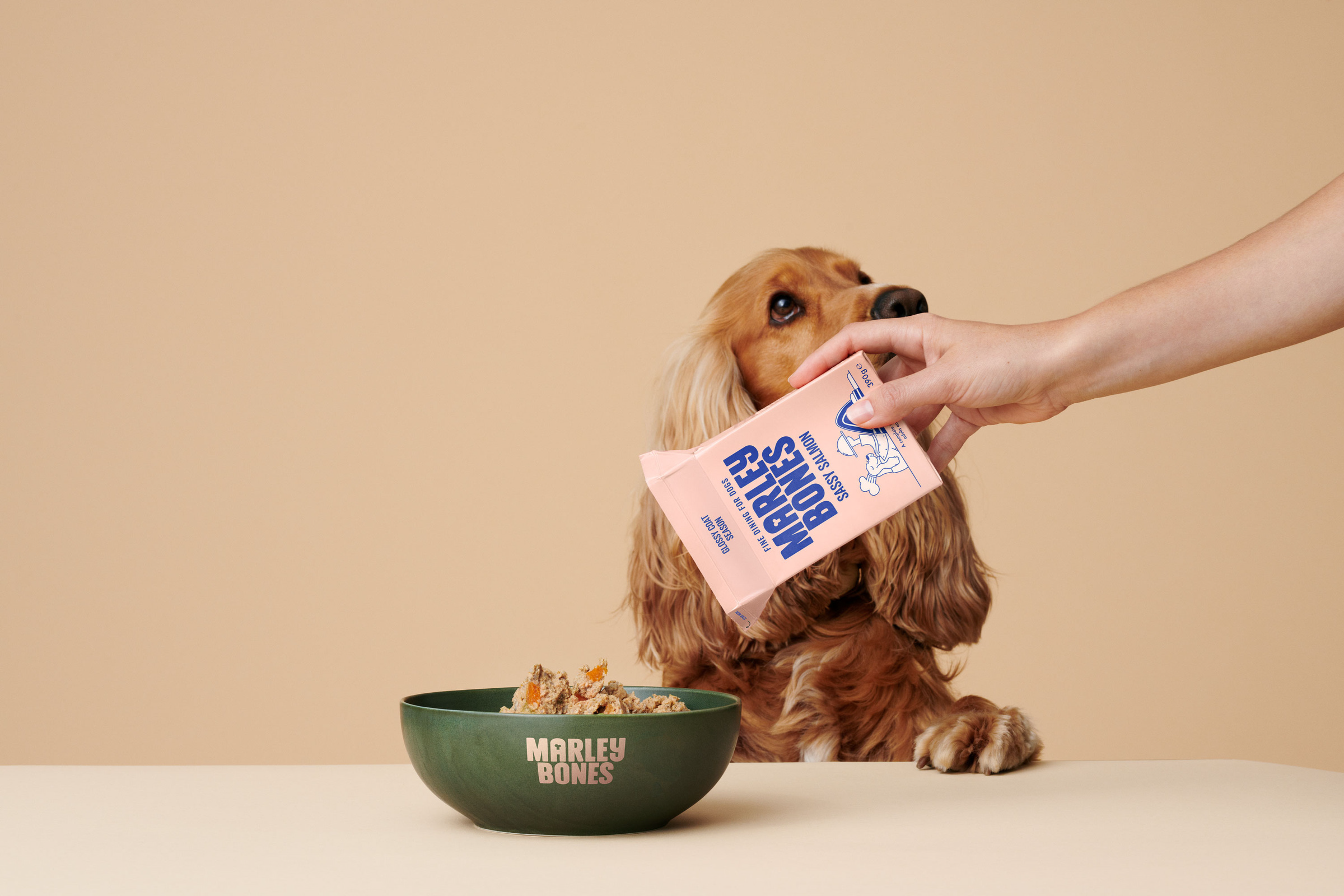
Coat condition is one of the first things owners notice improving after switching to fresh food, usually within six to eight weeks. If the coat is dull or dry despite regular grooming, the ingredient list on the current food is the right place to start. Sassy Salmon from Marleybones provides a natural source of EPA and DHA alongside whole ingredients, with no artificial additives - a practical choice for a breed where coat quality reflects dietary quality directly.
Does the Portuguese Water Dog's heart health affect what they should eat?
Dietary quality and a balanced nutrient profile are worth taking seriously for Portuguese Water Dogs because the breed has a known predisposition to dilated cardiomyopathy (DCM). Taurine, an amino acid found in animal protein, is relevant here - deficiency has been associated with DCM in some breeds, and a diet built around quality animal protein from identifiable sources is the most reliable way to ensure adequate intake.
There has also been ongoing scrutiny of grain-free diets and their potential association with DCM in dogs. The picture is not fully resolved, but diets that replace grain with large quantities of peas, lentils, or legume-based fillers have attracted the most attention. A food with a short, readable ingredient list built around whole animal protein and whole food carbohydrates is a more defensible choice for this breed than one heavily reliant on legumes as a structural filler.
Diet alone cannot prevent DCM, which has a strong genetic component in Portuguese Water Dogs. If you have concerns about your dog's heart health, a vet assessment is the right starting point - dietary choices are supportive, not a substitute for veterinary monitoring.

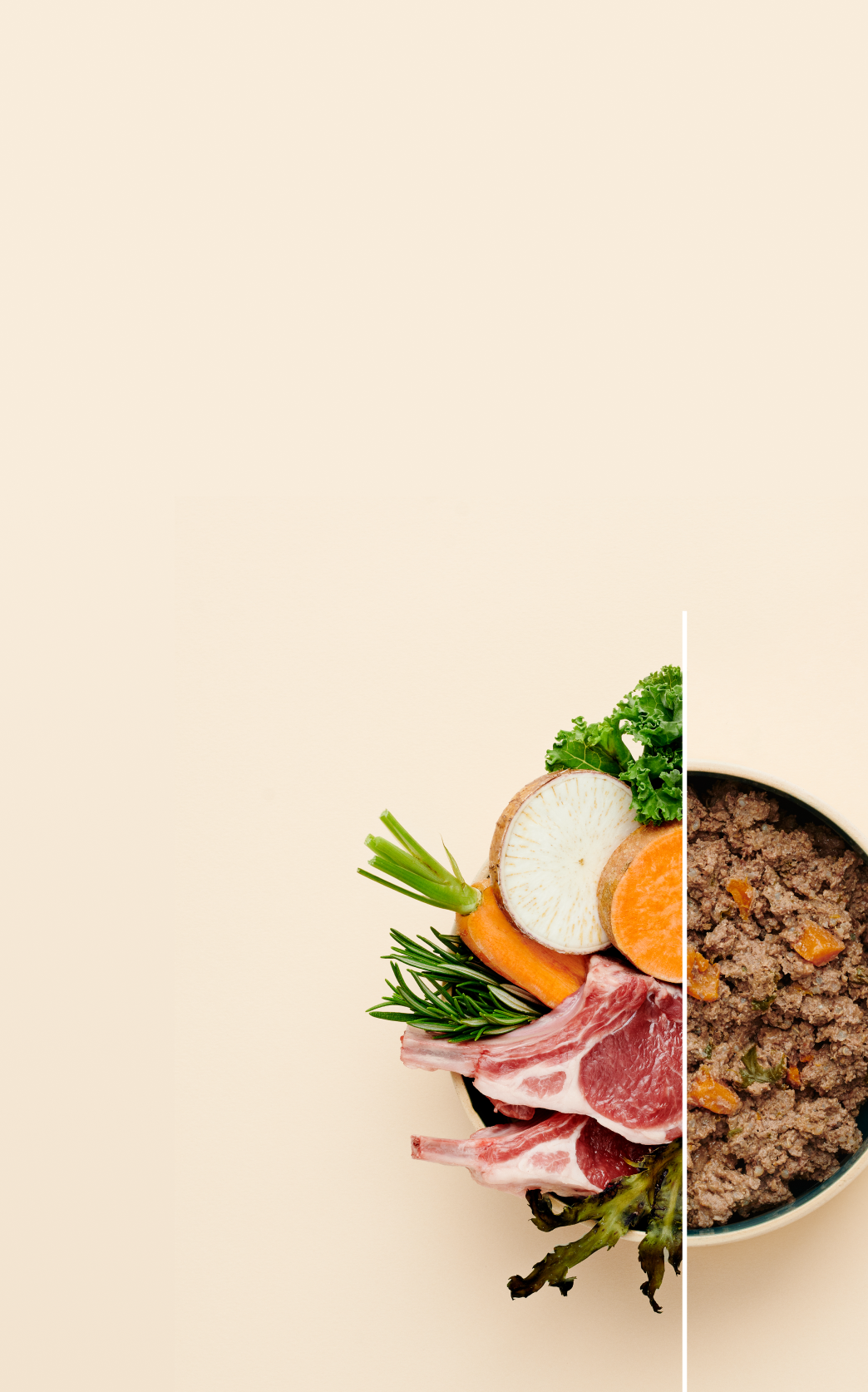
Freshly prepared British beef, veggies & superfoods
What protein is best for a Portuguese Water Dog?
Salmon is the strongest starting point for Portuguese Water Dogs, delivering quality protein alongside the omega-3 fatty acids that support the breed's coat and reduce systemic inflammation. For a breed with both high physical demands and a coat that reflects nutritional status clearly, a protein source that addresses both simultaneously is a practical advantage.
Lamb is the most useful alternative - lower allergenicity than beef, well-tolerated by dogs with more reactive digestion, and a strong source of protein for an active breed. It is the right choice for Portuguese Water Dogs that have already eaten fish regularly, or for owners who want to rotate proteins to reduce the chance of sensitivities developing over time.
Chicken and beef are the proteins most likely to have been eaten repeatedly from an early age, which increases the likelihood of sensitivity developing. For dogs with recurring digestive issues or skin reactions, a switch to a novel protein is often more effective than switching brand. Marleybones Lush Lamb and Sassy Salmon are both single-protein meals built from whole, recognisable ingredients - making it straightforward to establish what the dog tolerates without the guesswork of a multi-protein recipe.
How much should I feed a Portuguese Water Dog?
Adult Portuguese Water Dogs typically weigh between 16 and 23kg, but body condition tells you more than the scales. You should be able to feel the ribs without pressing hard, and see a clear waist when looking down from above. If either is absent, portion size needs adjusting downward.
Feeding guides on packaging are a starting point. Fresh food is more satiating than the equivalent calorie count in kibble - the higher moisture content occupies more volume in the stomach, and most owners switching from dry food find they can reduce the nominal calorie count without their dog appearing hungry. Portuguese Water Dogs are food-motivated and will eat beyond satiety if allowed, so portion discipline is more important than it is for self-regulating breeds.
Adjust portions to body condition over six to eight weeks rather than treating the initial suggested amount as fixed. Factor in training treats - this is a breed that tends to be in regular training, and treats add up quickly when the dog is this willing to work for food.
Every dog is different - build your personalised Marleybones feeding and health plan tailored to your dog's age, size, and health requirements.
How do different dog food formats compare for Portuguese Water Dogs?
| Format | Moisture content | Processing level | Verdict for Portuguese Water Dogs |
|---|---|---|---|
| Fresh (Pantry Fresh) | 65-75% | Minimal - slow low-temperature cooking | Best option - whole ingredients support coat quality, active muscle maintenance, and heart health |
| Raw | 65-75% | None | Works for some - bacterial handling considerations apply, and sourcing omega-3-rich proteins consistently requires planning |
| Wet / canned | 75-85% | Moderate | Better than kibble - ingredient quality varies widely, check the label carefully for named protein sources |
| Cold pressed | Around 12% | Low - below extrusion temperatures | A reasonable middle ground if fresh is not accessible - better nutrient retention than standard kibble |
| Dry kibble | Around 10% | High - high-temperature extrusion | Hardest to digest - lowest moisture, degrades fats and proteins this breed relies on for coat and stamina |
FAQs
How often should I feed my Portuguese Water Dog?
Twice daily is the standard for adult Portuguese Water Dogs - morning and evening in roughly equal portions. It suits the breed's digestion better than a single large meal and helps manage the appetite of a dog that will always seem ready to eat more. Puppies under six months need three to four smaller meals a day to support their growth rate.
Do Portuguese Water Dogs have sensitive stomachs?
The breed is not known for pronounced digestive sensitivity, but dogs fed the same protein repeatedly over years can develop sensitivities to that protein regardless of breed. If loose stools, wind, or intermittent digestive upset appear, switching to a novel single-protein food is the most productive first step. If symptoms persist beyond four weeks of a consistent dietary change, or include blood in the stool or significant weight loss, a vet assessment is the right next step.
Is grain-free food right for a Portuguese Water Dog?
Not automatically, and the DCM association with grain-free diets is worth taking seriously for this breed given its cardiac predisposition. Diets that rely heavily on peas, lentils, or legumes as structural replacements for grain have attracted the most scrutiny. A food with whole food carbohydrates - brown rice, oats, sweet potato - and a clearly named primary protein is a more straightforward choice than grain-free for Portuguese Water Dogs.
Is Marleybones Pantry Fresh good for Portuguese Water Dogs?
Yes. Marleybones Pantry Fresh meals are vet-developed, built from whole ingredients, and contain no artificial preservatives or fillers - with 4.9/5 on Trustpilot and over 2,000,000 meals delivered, they are a proven choice for active breeds where ingredient quality makes a visible difference. Sassy Salmon is the strongest option for Portuguese Water Dogs, providing natural EPA and DHA omega-3 fatty acids that directly support coat quality alongside clean animal protein for an active, muscular breed. For dogs where heart health is a consideration, the whole-ingredient, legume-light recipes are a more defensible choice than heavily legume-based grain-free alternatives.
Can I feed my Portuguese Water Dog puppy the same food as an adult?
Marleybones Pantry Fresh meals are complete for all life stages, including puppies, so the same recipe works across the dog's life. The key difference for puppies is portion size and feeding frequency - more meals per day at smaller volumes to support growth without overloading the digestive system. Portuguese Water Dog puppies grow quickly and benefit from the same protein and fat quality as adults, just calibrated to their size and development stage.
Does exercise level change how much I should feed my Portuguese Water Dog?
Yes, meaningfully. A Portuguese Water Dog in regular swimming, agility, or working activity burns significantly more calories than one on standard daily walks. Body condition is the most reliable guide - if the ribs become hard to feel or the waist disappears, reduce portions; if the dog loses condition or muscle mass, increase them. Adjust in small increments over two to three weeks rather than making large changes at once.
Will a Portuguese Water Dog eat fresh food readily?
Almost certainly. Portuguese Water Dogs are enthusiastic, food-motivated dogs that rarely need convincing when the food is palatable - and fresh food is significantly more appealing than dry kibble in aroma, texture, and moisture. Transition gradually over seven to ten days to avoid digestive upset from the dietary change, even if your dog is keen to eat the new food immediately.

Freshly prepared British chicken, veggies & superfoods


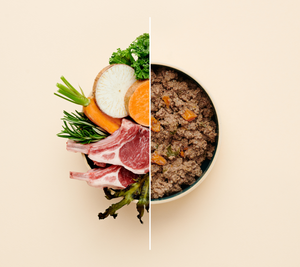 Give your dog the quality nutrition they deserve
Real meat, wholesome veggies and functional superfoods.
Get 40% OFF today