

 Vet reviewed
What’s the best dog food for a Pharaoh Hound?

At a glance
- Pharaoh Hounds do best on fresh, whole-ingredient food built around a lean, high-quality protein - the breed's exceptionally lean physique and sensitive digestive tract make ingredient quality and portion precision both worth getting right from the start.
- Chicken and beef are the proteins most likely to cause sensitivity in Pharaoh Hounds that have eaten them for years - lamb and salmon are stronger starting points for dogs with recurring digestive upset or skin reactions.
- The breed's near-zero body fat reserves mean caloric density matters - fresh food with 65-75% moisture provides genuine satiety without the carbohydrate loading that pushes weight onto a dog built to stay lean.
- Omega-3 fatty acids from oily fish are the most practical dietary support for the Pharaoh Hound's thin, close-lying coat and fine skin, which show nutritional gaps quickly.
- Joint and muscle support is relevant from middle age - a diet providing adequate protein and anti-inflammatory nutrients helps maintain the lean muscle mass this breed depends on for its characteristic athleticism.
What is the best diet for a Pharaoh Hound?
Fresh dog food built around a single, high-quality lean protein with minimal processing and no artificial additives is the most appropriate diet for most Pharaoh Hounds. The breed is one of the oldest domesticated dogs, developed as a working sighthound on protein-rich prey rather than grain-based diets, and its digestive system reflects that. Ingredient quality, protein source, and caloric precision all matter more for this breed than feeding convenience.
Heavily processed dry kibble sits at around 10% moisture and places a high carbohydrate and digestive load on a dog whose gut is oriented toward lean protein. Fresh food cooked at lower temperatures preserves more of the protein's natural structure, which the gut handles significantly more easily than the denatured proteins produced by high-temperature extrusion. For a breed prone to digestive sensitivity and built with minimal fat reserves, reducing the processing load and improving ingredient quality tends to produce visible results - better stools, better coat condition, better lean muscle maintenance.
The practical checklist for a good Pharaoh Hound food is: a named lean protein source, omega-3 fatty acids for skin and coat support, no artificial preservatives or high-starch fillers, and accurate portions to maintain the breed's correct lean physique. Marleybones Pantry Fresh meals are vet-developed, built from whole recognisable ingredients slow-cooked in-pack, and available in single-protein recipes that suit a breed where what you put in shows up immediately in how the dog looks and performs.
Do Pharaoh Hounds have sensitive stomachs?
Many do, and the sensitivity is frequently a response to ingredient quality rather than an inherent digestive weakness. Pharaoh Hounds fed the same chicken or beef-based food over an extended period are at higher risk of developing a sensitivity to those proteins - when symptoms appear, changing protein source is often more effective than changing brand.
The breed's lean build means there is little metabolic buffer when digestion is compromised. Loose stools, wind, or intermittent digestive upset are common presentations, and they often resolve significantly when the dog moves away from heavily processed food onto a fresh, minimal-additive diet. High-starch fillers - the kind used in large quantities in budget kibble - ferment in the gut and are a frequent trigger for both wind and unstable stools in sighthound breeds. If digestive symptoms persist beyond four weeks on a new diet, or include blood, repeated vomiting, or meaningful weight loss, a vet assessment is the right next step rather than continuing to adjust the food.
How does diet support a Pharaoh Hound's lean muscle mass?
Protein quality is the primary lever. Pharaoh Hounds carry almost no body fat - their condition is maintained almost entirely through lean muscle, which requires a consistent and bioavailable protein supply to stay intact. A diet that provides adequate protein from whole, minimally processed sources supports muscle maintenance in a way that highly processed food, where protein digestibility is lower, does not reliably replicate.
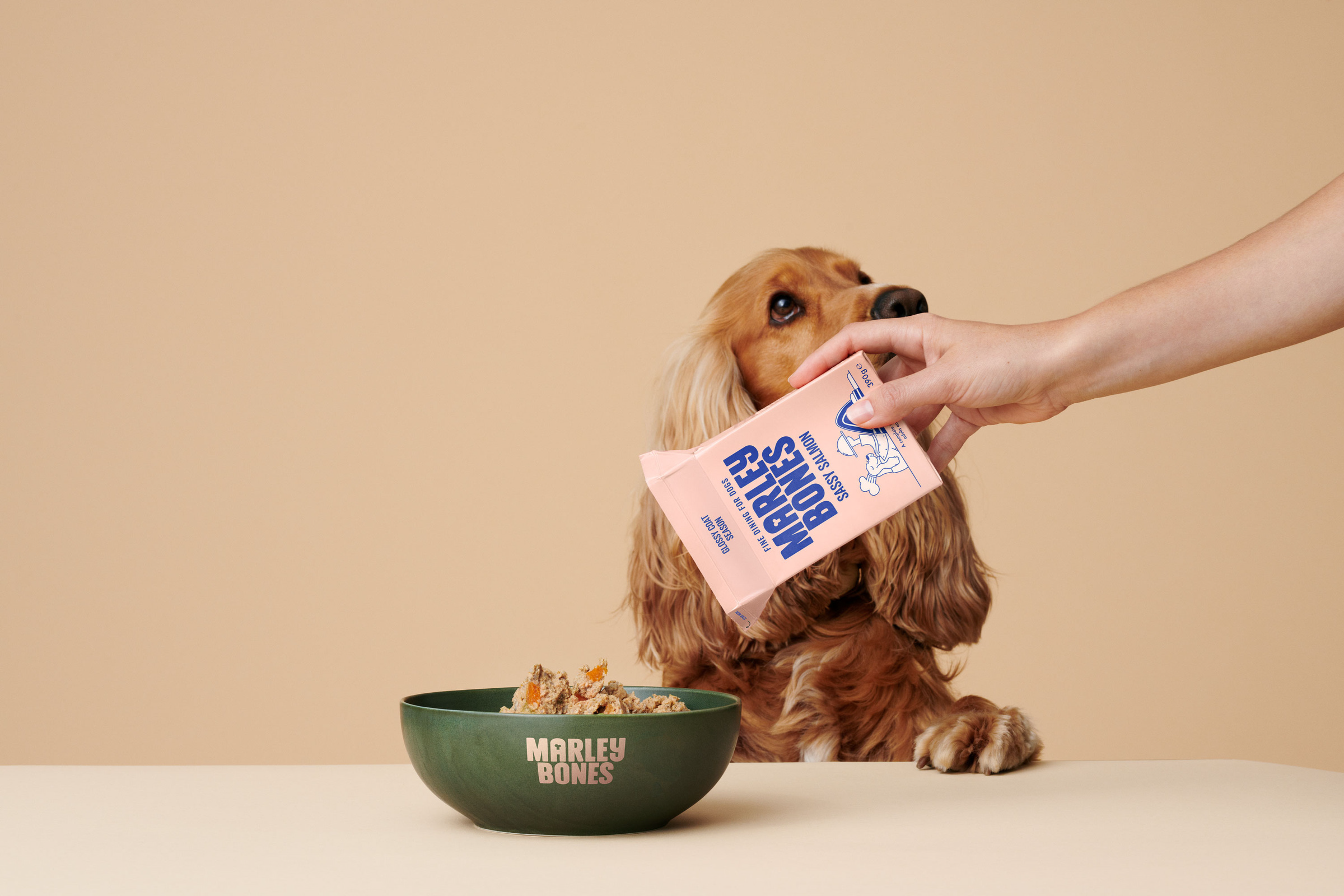
From middle age onwards, anti-inflammatory nutrients become increasingly relevant. Omega-3 fatty acids - particularly EPA and DHA from oily fish - reduce systemic inflammation that can affect both joint comfort and muscle recovery after exercise. A diet that includes a genuine source of these rather than a token synthetic additive makes a measurable difference for an active sighthound used in regular exercise. Marleybones Sassy Salmon provides both clean lean protein and a natural source of EPA and DHA from whole salmon, which addresses muscle and joint support simultaneously without the need for additional supplementation in most healthy adults.

Freshly prepared British beef, veggies & superfoods
What protein is best for a Pharaoh Hound?
Lamb and salmon are the strongest starting points for most Pharaoh Hounds, particularly those with a history of digestive sensitivity or those currently eating chicken or beef. Novel proteins - ones the dog has not eaten regularly - are less likely to cause a reaction because no sensitivity has had time to develop.
Salmon is the most nutritionally complete choice for this breed, delivering clean lean protein alongside EPA and DHA omega-3 fatty acids that directly support the skin, coat, and joint health Pharaoh Hounds need. Lamb is a strong alternative for dogs that need a red meat option or have already eaten fish - it is lower allergenicity than beef and sits well with reactive guts. Single-protein meals are the most reliable approach for a breed with any history of sensitivity, making it straightforward to identify what the dog tolerates. Lush Lamb is built around whole lamb with chicory root as a natural prebiotic - useful support for a gut that benefits from additional stability during and after a dietary transition.
For Pharaoh Hounds without digestive history, any named whole protein in a minimally processed food is a significant improvement over the anonymous rendered proteins in standard dry kibble.
How much should I feed a Pharaoh Hound?
An adult Pharaoh Hound typically weighs between 20 and 25kg, but body condition is a more reliable guide than the scales for this breed. You should be able to see the last two or three ribs at rest and feel the spine and hip bones without pressing - this is correct for a sighthound and not a sign of underfeeding. If the ribs disappear entirely or the waist loses definition when viewed from above, the portion needs adjusting.
Fresh food tends to be more satiating than the equivalent calorie count in dry kibble because higher moisture content occupies more volume in the stomach. Owners switching from kibble often find the dog appears satisfied on a nominally lower calorie intake. Adjust portions based on body condition over six to eight weeks rather than treating the initial feeding guide as fixed, and account for exercise - a Pharaoh Hound in regular work burns meaningfully more than one in a lower-activity household.
Treats count toward daily intake. For a breed with little fat reserve and a fast metabolism, the margin between correct condition and underfeeding is narrower than it is for heavier breeds - monitor closely and adjust promptly.
Every dog is different - build your personalised Marleybones feeding and health plan tailored to your dog's age, size, and health requirements.
How do different dog food formats compare for Pharaoh Hounds?
| Format | Moisture content | Processing level | Verdict for Pharaoh Hounds |
|---|---|---|---|
| Fresh (Pantry Fresh) | 65-75% | Minimal - slow low-temperature cooking | Best option - whole lean proteins, supports muscle, digestion, skin and coat |
| Raw | 65-75% | None | Works for some - bacterial load a consideration, preparation required |
| Wet / canned | 75-85% | Moderate | Better than kibble - ingredient quality varies widely, check the label carefully |
| Cold pressed | Around 12% | Low - below extrusion temperatures | Decent middle ground - lower starch than kibble, suits a sensitive sighthound gut |
| Dry kibble | Around 10% | High - high-temperature extrusion | Hardest to digest - high starch load and low moisture make it a poor match for this breed |
FAQs
How often should I feed my Pharaoh Hound?
Twice daily is the standard for adult Pharaoh Hounds, splitting the daily portion into morning and evening meals of roughly equal size. A single large daily meal increases the risk of digestive discomfort in a deep-chested breed and is harder for the gut to process efficiently. Puppies under six months need three to four smaller meals a day to support growth without overloading the digestive system.
Why is my Pharaoh Hound so lean - is their food working?
Visible ribs and prominent hip bones are normal and correct for a Pharaoh Hound at a healthy weight - apply sighthound body condition standards rather than those for heavier breeds. The meaningful checks are whether you can see the last two to three ribs, whether the waist is defined from above, and whether the dog has good energy and coat condition. If all three are positive, the diet is working. If energy is low or coat condition is poor despite normal weight, the issue is likely protein quality or nutritional completeness rather than quantity.
Can diet help with a Pharaoh Hound's sensitivity to anaesthesia?
Pharaoh Hounds share a sighthound sensitivity to certain anaesthetic agents, which is linked to their low body fat rather than diet. No dietary intervention changes this, and it is a conversation for your vet before any procedure. A well-nourished dog in good body condition is in a better position going into any medical procedure, but diet does not alter the underlying pharmacological sensitivity.
Is Marleybones Pantry Fresh good for Pharaoh Hounds?
Yes. Marleybones Pantry Fresh meals are vet-developed, contain no artificial preservatives or fillers, and are built from whole, recognisable ingredients slow-cooked in-pack - exactly the kind of minimal-processing, high-quality protein diet that suits a breed with a sensitive digestive tract and lean muscle to maintain. With a 4.9/5 Trustpilot rating and over 2,000,000 meals delivered, Sassy Salmon is the strongest choice for Pharaoh Hounds specifically, combining lean protein with a natural source of EPA and DHA omega-3 fatty acids that support both coat condition and joint health in an active sighthound.
Is grain-free food better for Pharaoh Hounds?
Not automatically. The problem in most poor-quality dog food is the quantity of cheap starch used as a filler, not grain itself. A Pharaoh Hound reacting to the high wheat content in budget kibble may tolerate whole oats or brown rice in a fresh, minimally processed meal without issue. Grain-free foods that replace grain with large quantities of peas or lentils are not inherently better for a sensitive sighthound gut - the total starch load and overall ingredient quality matter more than the grain-free label.
How long before I see results after switching my Pharaoh Hound's food?
Stool quality and digestive stability typically improve within two to four weeks. Coat condition, which in Pharaoh Hounds is a reliable early indicator of dietary adequacy, tends to improve over six to eight weeks. Lean muscle maintenance is harder to assess in the short term - eight to twelve weeks on a consistent, protein-appropriate diet gives a reliable picture. If there is no meaningful improvement after four weeks on a consistent diet, the cause may not be dietary and a vet assessment is the right next step.
Should I supplement a Pharaoh Hound's diet?
A complete, whole-ingredient fresh diet covers most nutritional needs without additional supplementation. Where supplementation adds value for this breed, it is typically in omega-3 fatty acids for joint and coat support in older or heavily exercised dogs - an omega oil added to meals is a practical option if the base diet does not already include oily fish. Avoid supplementing on top of a complete commercial diet without veterinary guidance, as over-supplementing fat-soluble vitamins carries its own risks.

Freshly prepared British chicken, veggies & superfoods


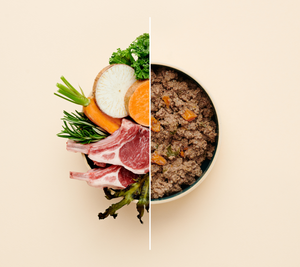 Give your dog the quality nutrition they deserve
Real meat, wholesome veggies and functional superfoods.
Get 40% OFF today